Market Analysis
The Landscape of Animal Nutrition in Egypt
Analyzing the convergence of agricultural demand and biochemical innovation in North Africa.
Egypt's livestock sector is a cornerstone of its national food security strategy, characterized by a massive poultry industry and expanding aquaculture. However, the local market faces significant challenges due to the reliance on imported soy and corn, which often vary in amino acid profiles. This volatility creates a critical demand for high-precision additives like betaine plus and various chelated minerals to fill the nutritional gaps. The Egyptian business environment is currently shifting toward more professionalized feed milling, moving away from traditional mixing toward scientifically formulated diets that prioritize metabolic efficiency over raw volume.
Current market trends show a rapid adoption of "green" and "intelligent" nutrition. Egyptian feed producers are increasingly seeking additives that not only improve growth but also reduce the environmental footprint by lowering nitrogen and phosphorus emissions in manure. This shift is driven by both global sustainability standards and local economic pressures to reduce waste. Furthermore, there is a growing trend toward utilizing specialized amino acid complexes that can mitigate the effects of heat stress, a constant factor in the Nile Delta and Upper Egypt regions, making osmoprotectants a high-priority procurement item for commercial farms.
The outlook for the Egyptian market is one of cautious optimization. While currency fluctuations can pose constraints on importing raw materials, the long-term opportunity lies in the transition to technical-service-led supply chains. Companies that can provide not just the product, but the formulation logic and technical solutions, will gain a competitive edge. The integration of nano-selenium and high-stability betaine hydrochloride represents the next frontier, as producers aim to reduce reliance on antibiotics by strengthening the biological resilience of animals through superior nutrition.
Industry Evolution
The Shift from Bulk Feed to Precision Biochemistry
Tracing the progression of additive technology and its impact on livestock productivity.
Early Adoption
Basic Supplementation
Nutrition focused on bulk protein sources with minimal additive use. Growth was inconsistent and heavily dependent on raw material quality, with high waste and low metabolic efficiency.
Recent Development
Synthetic Amino Acids
Introduction of purified synthetic amino acids allowed for precise balancing. This reduced the need for excess soy protein, improving the Feed Conversion Ratio (FCR) across commercial farms.
Current Phase
Chelated & Bio-Active
Shift toward organic chelates and osmoprotectants. Focus is now on bioavailability and stress mitigation, using technology to ensure nutrients are absorbed regardless of environmental stress.
The Rise of Mineral Chelates
Traditional inorganic minerals are being replaced by amino acid chelates. By bonding minerals to glycine or betaine, the industry has solved the problem of mineral antagonism in the gut, leading to significantly higher absorption rates and healthier livestock.
Osmotic Regulation Focus
In regions like Egypt, the focus has shifted toward maintaining cellular water balance. Betaine HCl has evolved from a simple additive to a critical survival tool for livestock during summer heat, reducing mortality and maintaining weight gain.
Nano-Nutrient Integration
The move toward nano-selenium and other micronized minerals represents the latest evolution. These particles provide a larger surface area for absorption and a more controlled release, reducing toxicity risks while maximizing biological impact.
Future Outlook
Strategic Directions in Feed Biotechnology
Anticipating the technological drivers that will redefine livestock nutrition in the coming decade.
Metabolic Precision Mapping
Integration of AI-driven nutritional analysis to adjust amino acid levels in real-time based on animal age, weight, and local weather patterns in Egypt.
Antibiotic-Free Growth
Replacing growth promoters with potent betaine hcl health benefits and chelated minerals to maintain health without pharmaceutical intervention.
Eco-Efficient Feed Design
Designing additives that specifically target nitrogen reduction in waste, aligning Egyptian agriculture with international environmental ESG standards.
Synergistic Complexing
Moving beyond single additives to "bio-cocktails" where amino acids, minerals, and vitamins are complexed together for synchronized absorption.
The evolution of the feed industry is moving toward a "functional nutrition" model. This means additives are no longer just about filling a deficiency but about actively modulating the animal's biological response to its environment. For Egypt, this is particularly vital in managing the physiological impact of heat and fluctuating raw material quality. The use of high-stability Betaine and Glycine chelates allows for a more resilient biological system, reducing the volatility of growth cycles.
Furthermore, the integration of technical services into the product supply chain is becoming the primary differentiator. Operators are no longer looking for the cheapest per-ton price, but the lowest cost-per-kg of meat produced. This shift favors providers who can offer full-spectrum solutions—from product design and technical formulation to supply chain management—ensuring that the biochemical potential of the additives is fully realized in the field.
Practical Applications
Real-World Deployment of Amino Acid Solutions
How technical-grade additives solve specific operational problems across Egypt's diverse agricultural zones.
01
Poultry Farms in the Nile Delta during Summer Heat
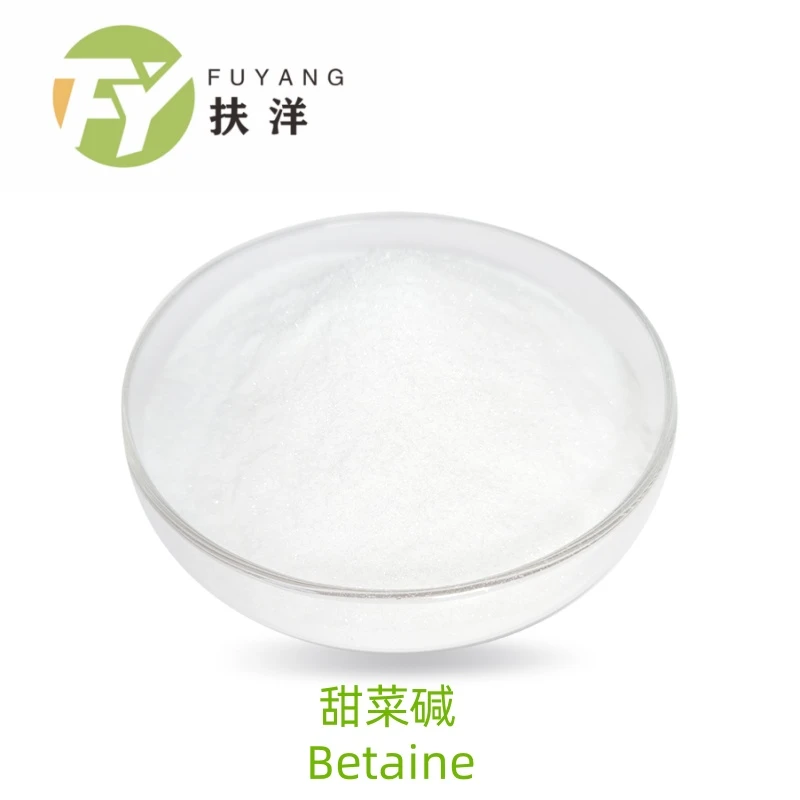
In the high-humidity heat of the Delta, broilers often experience reduced appetite and heat stress. By integrating Betaine HCl into the water and feed, farmers create an osmotic shield that protects cellular integrity. This prevents the typical "summer dip" in growth rates, ensuring that the animals continue to gain weight despite ambient temperatures exceeding 35°C.
02
Commercial Swine Production in Upper Egypt
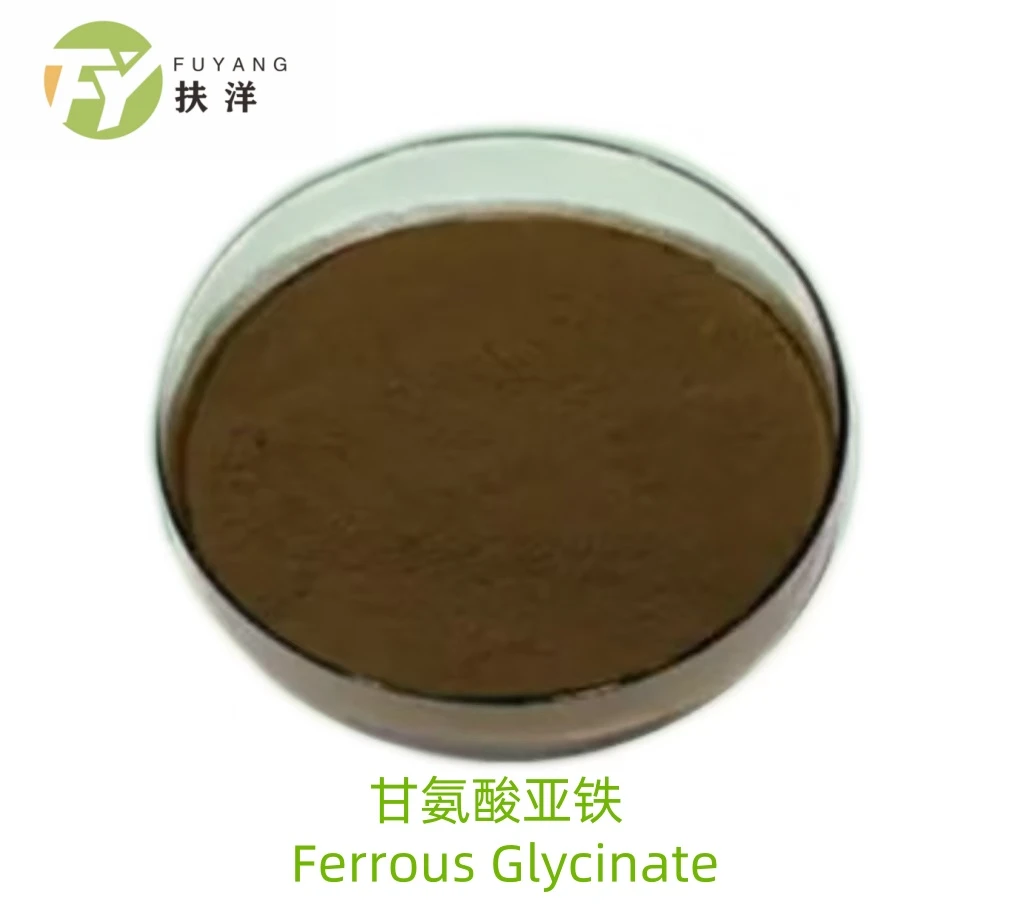
Swine operations in drier, inland regions often struggle with mineral absorption due to local water hardness. Utilizing Zinc and Iron Glycine chelates ensures that essential minerals are not bound by phytates or other inhibitors in the feed. The result is improved skin health, faster weaning weights, and a significant reduction in piglet mortality rates.
03
Industrial Feed Mills Optimizing Protein Costs
Large-scale mills in Cairo's industrial zones face high costs for imported soybean meal. By using a precision mix of synthetic amino acids and Betaine Plus, they can reduce the total crude protein content of the feed while maintaining the essential amino acid profile. This lowers the overall feed cost per ton without compromising the growth performance of the end-user's livestock.
04
Aquaculture Operations in the Mediterranean Coast
Fish farms in the north require highly stable, water-resistant feed. Using coated amino acids and nano-selenium ensures that nutrients do not leach into the water before being consumed. This not only improves the health and immunity of the fish but also protects the local marine environment from nutrient pollution (eutrophication).
05
Organic-Focused Livestock Initiatives
For producers moving away from synthetic growth promoters, the combination of chelated manganese and copper glycine provides the necessary metabolic support. These bio-available minerals stimulate natural enzyme systems, allowing animals to grow efficiently using only organic-compliant nutritional inputs, meeting the growing demand for "clean" meat in urban Egyptian markets.
Performance Evidence
Representative Implementation Outcomes
Illustrative scenarios showing the impact of high-purity amino acid technical services.
In a typical poultry deployment, the transition from inorganic minerals to glycine chelates resulted in a noticeable improvement in leg strength and growth uniformity. By solving the bioavailability problem, the farm reduced the waste of expensive additives and improved the overall Feed Conversion Ratio across three growth cycles.
Applying Betaine HCl during the peak summer months in Egypt demonstrated a significant stabilizing effect on livestock weight gain. The osmotic protection prevented the metabolic crash typically seen during heatwaves, allowing for a consistent supply of meat to the market without the usual seasonal productivity drop.
By optimizing the amino acid profile with specialized technical services, a commercial feed mill was able to lower its crude protein requirements. This strategic shift reduced the dependence on volatile soy imports while maintaining peak animal performance, proving that precision biochemistry is a tool for economic resilience.
About the Company
Hebei Fuyang Biotechnology Co., Ltd.
Driven by core technology and committed to serving global trade in the field of amino acids.
Establishment
Foundation of Technical Excellence
Founded with the mission of "mastering core technology and serving global trade," the company set out to become a leader in technical services for amino acids, focusing on high-purity biochemicals.
Growth Phase
Expansion of Intellectual Property
Developed core technologies with independent intellectual property rights, expanding the product line to include advanced chelated minerals and coated amino acid products for diverse animal species.
Global Reach
International Network Integration
Established a wide international network of partners, integrating resources to provide customers with a full range of services from product design to supply chain management.
Innovation Focus
Technical Service Evolution
Shifted from a simple product supplier to a comprehensive enterprise where technical service is the core competitiveness, focusing on efficient, intelligent, and green solutions.
Future Outlook
Global Leadership Vision
Continuing to deepen technological innovation and expand service areas to become the world's leading technical service enterprise in the biochemical additives sector.
Expert Insights
Frequently Asked Questions about Amino Acid Additives
Technical answers to common queries from livestock nutritionists and feed manufacturers.
What are the different types of amino acids used in animal feed and why are they important?
Amino acids are the building blocks of protein. They are categorized into essential (must be provided in the diet) and non-essential. In animal feed, focusing on limiting amino acids like Lysine, Methionine, and Threonine is crucial because their deficiency restricts the overall growth of the animal. Using high-purity synthetic amino acids allows nutritionists to balance the diet precisely, reducing the reliance on expensive bulk protein sources and decreasing nitrogen waste in the environment.
How does Betaine HCl specifically provide health benefits for livestock in hot climates like Egypt?
Betaine HCl acts as an osmoprotectant, meaning it helps maintain the water balance within cells. During heat stress, livestock lose water and electrolytes, which disrupts cellular function and reduces appetite. Betaine protects the cells from dehydration and serves as a methyl donor for various metabolic processes. This stabilizes the animal's physiological state, reduces heat-induced stress, and ensures that growth performance remains consistent even during extreme temperature peaks.
What is the technical difference between a standard mineral and a chelated amino acid mineral?
Standard minerals are usually inorganic salts (like sulfates), which can easily bind with phytates or other minerals in the gut, becoming unavailable for absorption. Chelated minerals are bonded to an amino acid (like glycine). This organic "shell" protects the mineral from antagonistic reactions in the digestive tract and allows it to be absorbed through amino acid transport pathways. This results in significantly higher bioavailability and lower excretion rates.
Can these additives be used in pelleting processes without losing their effectiveness?
Yes, provided that the correct grade and stabilization technology are used. Many standard additives degrade under the high heat and pressure of extrusion. However, we provide coated and stabilized versions of amino acids and betaine designed to withstand the thermal stress of pelleting. This ensures that the active biochemical components remain intact from the mill to the animal, maintaining the intended nutritional potency.
How should I determine the correct dosage of betaine plus for my specific livestock type?
Dosage depends on the animal species, the current stage of growth, and the environmental stress levels. For instance, broiler chickens require different levels than swine during a heatwave. We recommend a technical consultation where our experts analyze your current formulation and local climate data to provide a tailored solution. Generally, the goal is to provide enough methyl donors to support metabolism without exceeding the animal's capacity to utilize the additive.
What are the next steps to integrate Hebei Fuyang's technical services into my feed production?
The process begins with a technical requirement analysis. You can provide your current feed formulations and the specific productivity challenges you are facing in your region of Egypt. Our team then suggests a customized combination of amino acids and chelates. We can provide samples for trial and offer a full supply chain plan to ensure a stable delivery of high-purity products to your facility.
Get Expert Support
Optimize Your Livestock Nutrition with Precision Biochemistry
Whether you are a feed mill operator or a commercial farm manager in Egypt, the right amino acid balance can be the difference between marginal gains and maximum profitability. Our technical team is ready to help you design a high-efficiency nutritional strategy using premium chelates and osmoprotectants tailored to the North African climate.
Discuss Your Requirements