Regional Analysis
The Livestock Feed Landscape in Sri Lanka
Analyzing the intersection of tropical climate challenges and the demand for specialized biochemical additives.
The livestock sector in Sri Lanka is characterized by a mix of small-scale farming and emerging commercial enterprises. Due to the island's geographical position, feed producers face significant challenges related to the high cost of imported protein sources and the impact of a humid, tropical climate on feed stability. There is a growing movement toward "precision nutrition," where feed mills are shifting from bulk protein additions to the use of specific types of amino acids to optimize animal growth while minimizing waste.
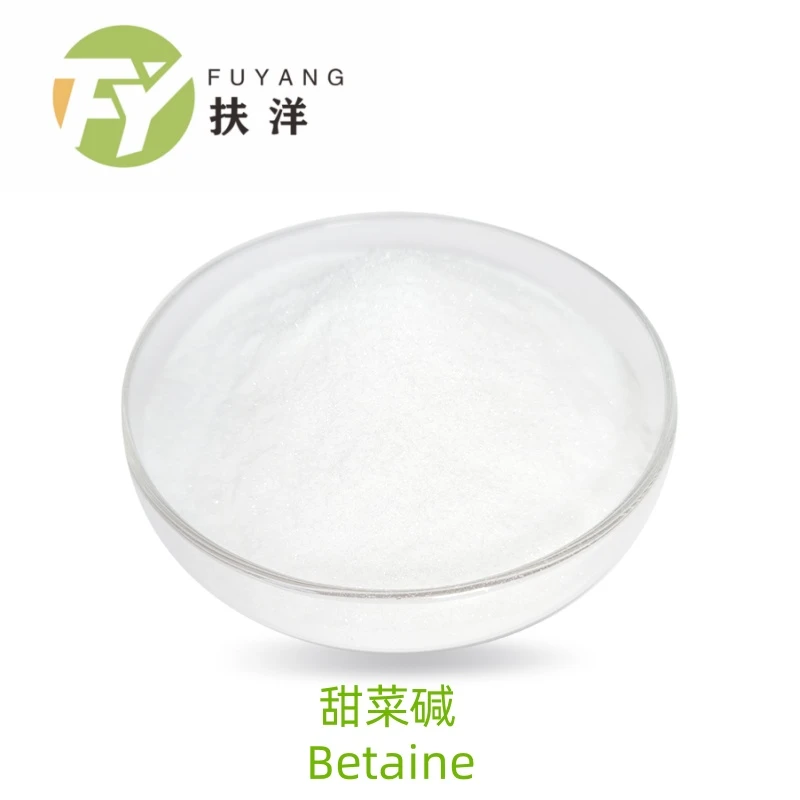
Current market trends indicate a surge in demand for betaine plus and other osmoprotectants. As heat stress becomes a more frequent disruptor of livestock productivity in the region, the industry is moving toward biochemical solutions that stabilize cellular metabolism. Furthermore, there is an increasing regulatory focus on reducing antibiotic growth promoters, driving the adoption of organic chelates and nano-nutrients that naturally bolster the immune system and improve gut health.
The outlook for the Sri Lankan market remains optimistic for providers who can offer integrated technical services rather than just raw products. The primary constraint remains the volatility of the supply chain, creating a significant opportunity for partners who can provide consistent quality and customized formulation support. Future growth is expected in the specialization of feed for high-yield poultry and swine, where the demand for premium-grade betaine hydrochloride and amino acid chelates will continue to rise.
Industry Progress
Evolution of Feed Additive Technology
From basic supplementation to the era of precision biochemical engineering.
Early Phase
Basic Protein Loading
The industry relied on increasing overall crude protein levels through soy and corn. This often led to nutrient imbalance and high environmental nitrogen pollution.
Growth Phase
Synthetic Amino Acids
Introduction of isolated amino acids allowed for more precise diets. However, basic salts often lacked stability during pelleting and high-temperature storage.
Current Phase
Bio-Chelation & Stability
The shift toward premier hcl betaine hydrochloride and chelates ensures maximum bioavailability and metabolic efficiency under stress.
The Move Toward Bioavailability
Industry focus has shifted from "how much is added" to "how much is absorbed." The adoption of amino acid chelates represents a fundamental change in how minerals are delivered to livestock, reducing the interference of anti-nutritional factors.
Environmental Sustainability
Reducing the crude protein content in feed via precision amino acids is no longer just a cost-saving measure; it is an environmental necessity to reduce ammonia emissions in intensive farming systems.
Metabolic Resilience
The integration of osmolytes like betaine marks a transition from merely feeding for growth to feeding for resilience, allowing animals to maintain productivity despite climatic fluctuations.
Future Outlook
Emerging Trends in Global Feed Biotechnology
Identifying the technological shifts that will define the next decade of animal nutrition.
Nano-Nutrient Delivery
The transition toward nano-selenium and other nano-minerals allows for lower dosage with higher efficacy, reducing chemical load in the animal's body while maximizing antioxidant support.
Intelligent Green Solutions
Increasing demand for sustainable additives that are biodegradable and non-toxic. The focus is on biochemicals that promote animal health without leaving residue in the food chain.
Customized Nutrient Mapping
Moving away from "one-size-fits-all" feeds toward data-driven nutrition. Additives are being tailored to the specific breed, age, and environmental stressors of the animal.
Synergistic Chelation
Developing combinations of multiple amino acid chelates in a single product to provide a broad spectrum of mineral support, simplifying the mixing process for feed mills.
The global shift toward sustainable intensification of livestock production is placing a premium on biochemical additives that improve feed conversion ratios (FCR). By maximizing the biological efficiency of every gram of amino acid, producers can reduce the total volume of feed required, which directly lowers the carbon footprint of animal agriculture. This transition is heavily dependent on the development of more stable delivery systems and the use of high-purity precursors.
Furthermore, the integration of technical services with product supply is becoming the new industry standard. Companies are no longer just selling bags of additives; they are providing full-range services from product design to supply chain management. This ensures that the additive is correctly integrated into the local feed matrix, accounting for the specific raw materials and processing conditions prevalent in regions like Sri Lanka.
Practical Applications
Applying Precision Nutrition in Sri Lankan Farming
Real-world implementation of biochemical additives across various livestock sectors.
01
Commercial Poultry Farms in the North Western Province
In large-scale broiler operations, heat stress often leads to reduced feed intake. By integrating betaine hydrochloride into the water or feed, producers can stabilize cellular osmotic pressure. This reduces mortality rates during peak summer months and ensures that weight gain remains consistent across the flock despite the tropical heat.
02
Swine Production Facilities in Central Highlands
Pig farmers facing high costs for imported soy meal utilize precision amino acid blends to maintain muscle growth. By supplementing with specific glycine chelates, they improve the absorption of zinc and manganese, leading to healthier skin, stronger skeletal development, and reduced weaning stress in piglets.
03
Dairy Cattle Integration in the Dry Zone
Cattle in arid regions often suffer from mineral deficiencies that impact milk yield. The application of calcium and magnesium glycine chelates provides a highly absorbable mineral source that doesn't interfere with other nutrients. This results in improved metabolic health and more stable milk production during the dry season.
04
Small-Scale Layer Farms in the Southern Coast
For layer hens, eggshell quality is a primary concern. Utilizing precise iron and manganese betaine chelates improves the enzymatic processes required for calcium deposition in the shell. This reduces the percentage of cracked eggs and improves the overall marketability of the produce.
05
Feed Mill Formulators in Colombo Industrial Zones
Feed mills looking to reduce cost-per-ton utilize coated guanidine acetic acid products. This prevents the "clumping" of additives during the mixing phase and ensures that the final pellet has a homogenous distribution of amino acids, leading to more predictable results for the end-user farmer.
Evidence of Efficacy
Representative Deployment Scenarios
Illustrating the operational impact of integrating high-purity amino acids and chelates.
Integrating high-stability betaine hydrochloride into poultry feed during the peak heat season showed a noticeable reduction in mortality and a more stable feed conversion ratio. The ability to mitigate osmotic stress directly translated to better weight gain in broiler flocks.
Shifting from standard mineral salts to amino acid chelates resolved several chronic deficiency issues in swine herds. The improved bioavailability of zinc and copper chelates led to better growth rates and a significant decrease in skin lesions among piglets.
The implementation of coated amino acid products significantly improved the homogeneity of our feed pellets. By reducing ingredient degradation during processing, we provided farmers with a more consistent product that delivers predictable animal growth.
About Our Company
Hebei Fuyang Biotechnology Co., Ltd.
Mastering core technology to serve the global trade of high-performance amino acids.
Founding Phase
Commitment to Core Technology
Since its establishment, Hebei Fuyang Biotechnology Co., Ltd. has adhered to the purpose of "mastering core technology and serving global trade," focusing on becoming a leader in technical services for amino acids.
Expansion Phase
Comprehensive Service Integration
The company evolved from a product supplier into a comprehensive enterprise. By integrating resources, we now provide a full suite of services from product design and technical solutions to supply chain management.
Current Status
Global Technical Leadership
With independent intellectual property rights and a wide international network, Fuyang Biology continues to provide efficient, intelligent, and green solutions to promote high-quality development in global trade.

Common Inquiries
Amino Acid Technical FAQ
Clear answers to technical and operational questions regarding feed additives.
What are the primary types of amino acids used in livestock feed additives?
The primary types include essential amino acids like lysine, methionine, and threonine, as well as functional amino acids like betaine and glycine. Essential amino acids are required for basic growth and protein synthesis, while functional ones like betaine serve as osmolytes to protect cells during heat stress, and glycine often acts as a chelating agent to improve the bioavailability of trace minerals.
How does premier hcl betaine hydrochloride improve animal health in tropical climates?
Betaine hydrochloride acts as a methyl donor and an osmoprotectant. In tropical climates like Sri Lanka, animals often suffer from dehydration and cellular stress due to heat. Betaine helps maintain the water balance within cells and supports liver function, which reduces the physiological impact of heat stress, thereby maintaining appetite and growth rates that would otherwise decline.
Is it better to use mineral salts or amino acid chelates in feed formulation?
Amino acid chelates are generally superior in terms of bioavailability. Standard mineral salts can often bind with other ingredients (like phytates) in the gut, making them unavailable to the animal. Chelates, where a mineral is bonded to an amino acid like glycine, are absorbed through different pathways, bypassing these inhibitors and ensuring a higher percentage of the nutrient reaches the bloodstream.
What are the operational considerations when adding coated products to a feed mill?
Coated products are designed to increase stability and prevent clumping. Operationally, they are easier to mix and less prone to segregation during transport. However, it is important to ensure that the mixing time is sufficient to distribute the coated particles evenly. Because they are more stable, they can often withstand the heat of the pelleting process better than uncoated versions.
How can we calculate the cost-benefit of switching to precision amino acids?
The calculation should focus on the "cost per unit of growth." While precision amino acids may have a higher price per kilogram than bulk soy protein, they allow you to reduce the total amount of crude protein in the diet. This reduces the total feed cost and improves the feed conversion ratio (FCR), meaning the animal reaches market weight faster with less feed, ultimately increasing the profit margin per animal.
What is the first step for a Sri Lankan producer to start using these technical solutions?
The first step is a comprehensive analysis of the current feed formulation and the specific environmental stressors (such as local temperature and humidity) affecting the livestock. From there, a tailored nutritional plan can be developed, identifying which specific amino acids or chelates will provide the highest ROI based on the animal's growth stage and the producer's goals.
Technical Partnership
Optimize Your Livestock Nutrition in Sri Lanka
Whether you are a commercial feed mill or a large-scale livestock operator in Sri Lanka, our technical services can help you reduce costs and improve animal performance. Contact Hebei Fuyang Biotechnology today to discuss customized amino acid solutions and high-bioavailability chelates tailored to your local environment.
Discuss Your Requirements