Optimizing Livestock Nutrition with Premium Amino Acids in Asia - Yemen

Providing high-purity amino acid solutions to enhance animal growth and health for the agricultural sector across Asia - Yemen.

Advanced Nutritional Support for Livestock Efficiency

Addressing the specific dietary gaps in Yemen's livestock industry through high-bioavailability supplements. Hebei Fuyang Biotechnology combines core technical services with precision chemistry to improve feed conversion rates.

Livestock Feed Challenges in Asia - Yemen

Analyzing the intersection of regional environmental stress and animal nutrition requirements.

The agricultural landscape in Yemen is characterized by a reliance on small-scale livestock farming, where animals often face nutritional stress due to fluctuating feed quality and harsh climatic conditions. There is a growing demand for amino acids to supplement traditional forage, ensuring that poultry and cattle meet growth benchmarks despite local resource constraints.

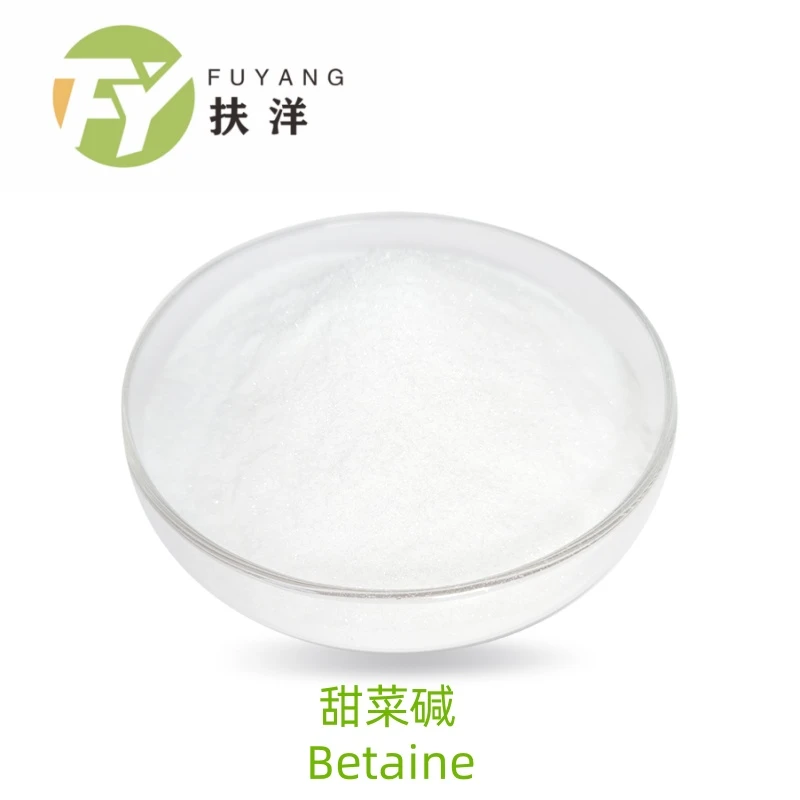
Geographically, the arid climate of the region places additional metabolic pressure on livestock, increasing the need for osmotic regulators. The integration of specialized additives like betaine hcl health benefits becomes critical for maintaining cellular hydration and protein metabolism during periods of high heat stress common in the Yemeni highlands and coastal plains.

Procurement in this region often faces logistical hurdles and a lack of localized technical support for precision feeding. Many producers struggle to identify the correct types of amino acids required for specific growth stages, leading to inefficient feed usage and suboptimal livestock yields.
Evolution of Amino Acid Application in Feed

From basic protein supplementation to precision biochemical nutrition.

Industry Development Phases

Early Market Development
Initial focus was on bulk protein sources such as soybean and fish meal, with limited understanding of individual amino acid imbalances in livestock diets.

Precision Supplementation Era
The shift toward synthetic amino acids allowed producers to balance diets more accurately, reducing waste and improving the environmental footprint of livestock farming.

Current Bio-Technical Phase
Integration of chelated minerals and specialized derivatives like betaine plus to optimize metabolic efficiency and immune response in stressed animals.

Future Nutritional Trends

1. Green Chemistry in Feed

Transitioning toward bio-based synthesis of amino acids to reduce the chemical footprint of additive production while maintaining high purity.

2. Nano-Chelation Technology

Increasing the bioavailability of essential minerals through advanced chelation, reducing the dosage required for optimal animal health.

3. Intelligent Nutrient Delivery

Developing coated products that allow for the slow release of nutrients, matching the absorption rate of the animal's digestive system.

How emerging biochemical trends are reshaping the agricultural productivity of Asia - Yemen.

Feeding Efficiency
Replacing bulk proteins with targeted amino acids to lower feed costs and reduce nitrogen excretion in livestock.
Metabolic Optimization
Using premier hcl betaine hydrochloride to regulate cellular osmolarity and enhance methyl donor availability.
Supply Chain Resilience
Moving toward diversified sourcing and technical service models to ensure stableAdditive supply in volatile regions.
Sustainable Growth
Implementing green solutions that improve animal welfare and reduce the environmental impact of livestock waste.

Outlook for the Yemeni Market

Over the next few years, the livestock sector in Asia - Yemen is expected to transition from basic survival feeding to value-added nutrition. The adoption of precision amino acid profiles will be the primary driver for increasing meat and milk yields per animal.

Technical service providers will play a key role in this transition, as the ability to design customized nutritional solutions will be more valuable than the simple supply of raw materials.

Practical Applications in Regional Livestock

Tailored nutritional strategies for diverse farming environments in Asia - Yemen.

Poultry Heat Stress Mitigation

Small-scale poultry farmers use Betaine HCL to protect birds from extreme heat, maintaining weight gain and reducing mortality rates during peak summer months.

Ruminant Growth Acceleration

Beef cattle producers integrate glycine chelates into feed to enhance mineral absorption, speeding up the time to market for livestock in rural regions.

Aquafeed Nutrient Balance

Fish farms in coastal areas utilize a balanced profile of amino acids to ensure rapid growth and disease resistance in high-density aquaculture ponds.

Swine Feed Optimization

Commercial pig farms implement Betaine Plus to improve feed efficiency and lean meat percentage, reducing the overall cost of production.

Dairy Cattle Metabolic Support

Dairy farmers use chelated manganese and zinc to prevent metabolic disorders in high-yielding cows, ensuring consistent milk production throughout the season.

The Fuyang Biotechnology Journey

Driven by core technology to serve the global livestock and chemical trade.

Establishment

Founding Vision

Established with a commitment to mastering core technology and serving the global trade market in the amino acid field.

Growth Phase

Technical Integration

Expanded from a simple product supplier to a comprehensive technical service enterprise focusing on custom solutions and supply chain management.

Current Status

Global Network Expansion

Operating an extensive international partner network, providing intelligent and green biochemical solutions worldwide.

Comprehensive Amino Acid and Chelate Portfolio

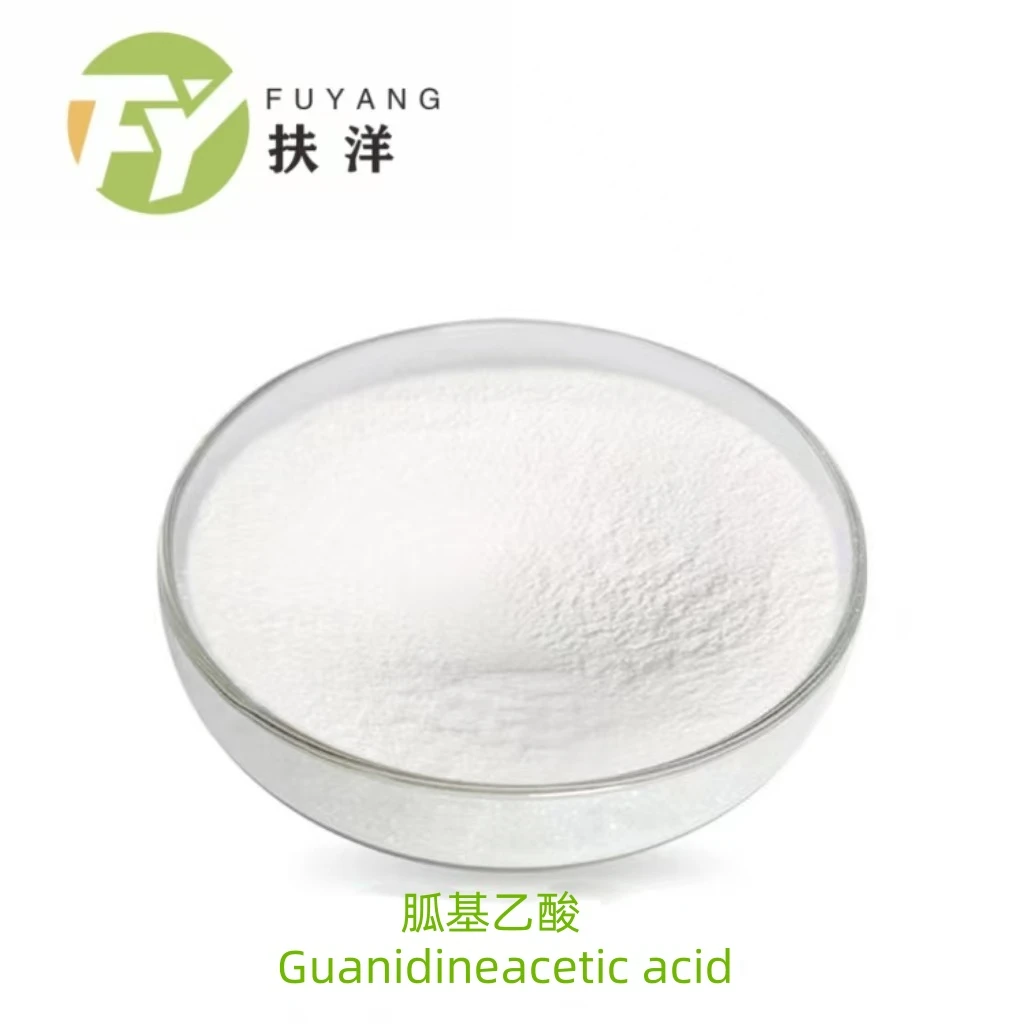
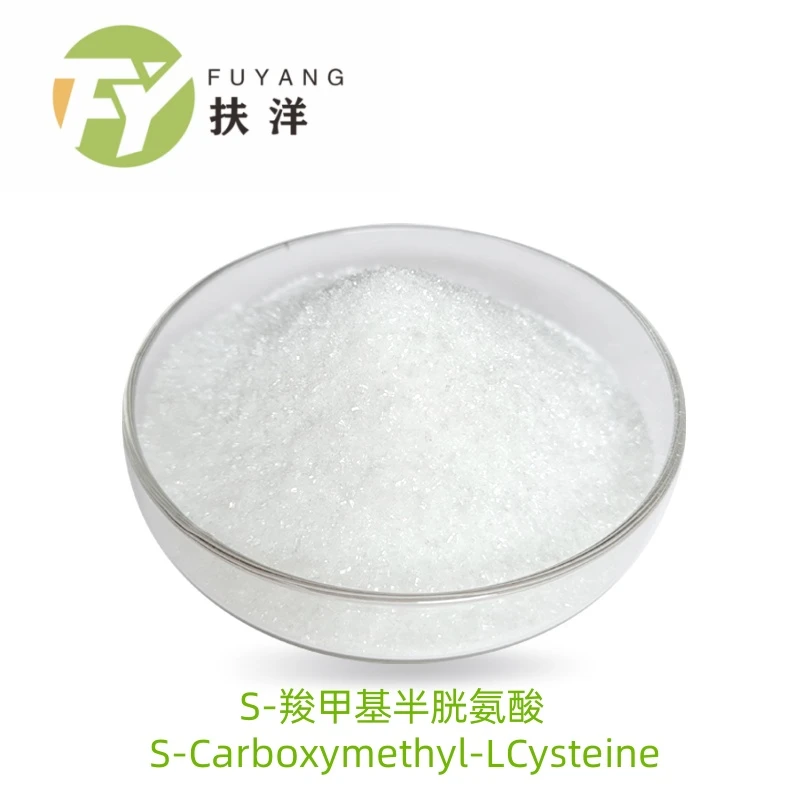
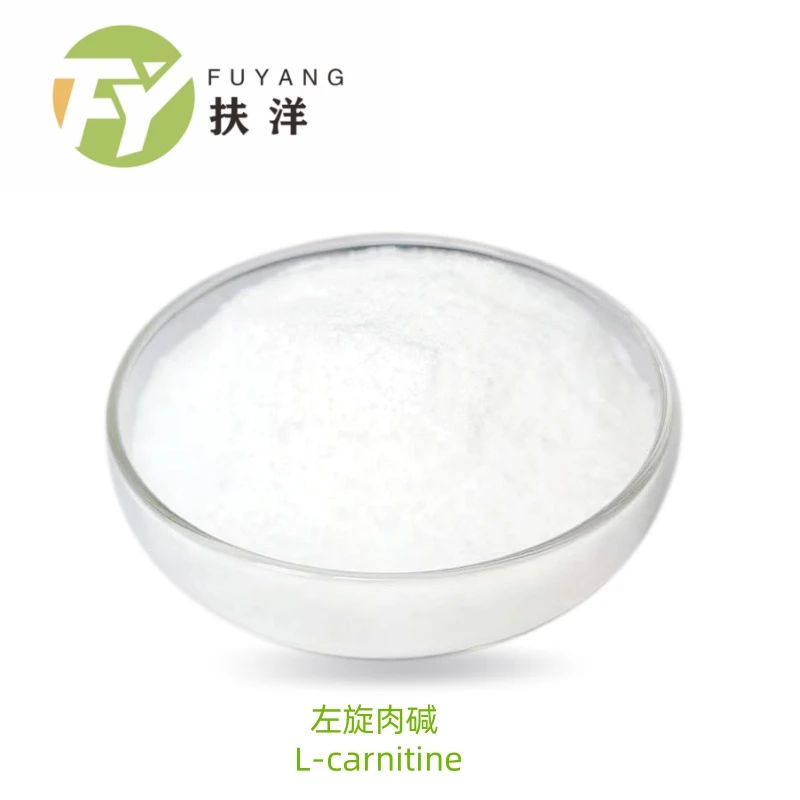
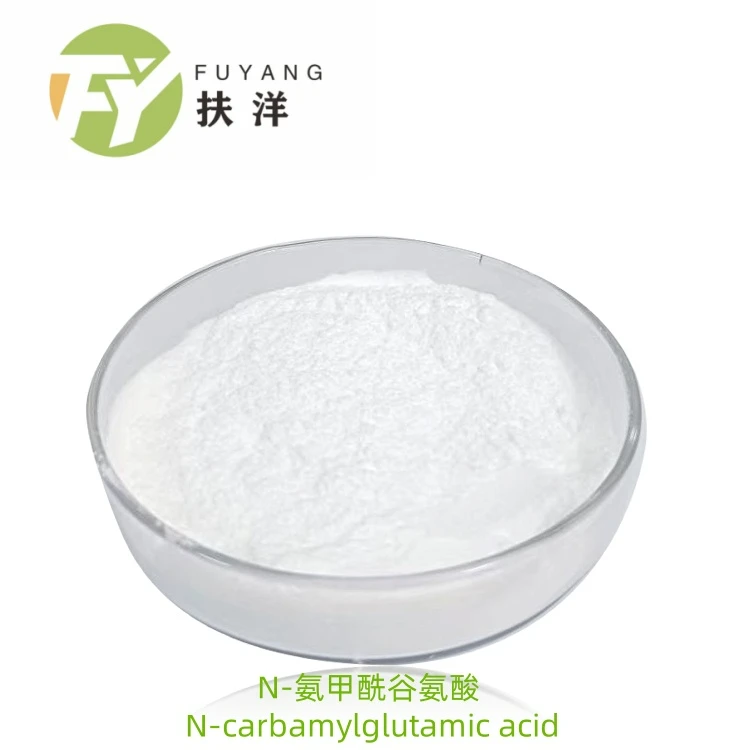
A complete range of nutritional additives designed to meet the diverse requirements of the livestock market in Asia - Yemen.

Nutritional Support FAQ for Asia - Yemen

Expert answers to common questions regarding livestock amino acid supplementation.

What are the most essential types of amino acids for poultry in Yemen?

The most critical amino acids include Lysine, Methionine, and Threonine. However, in hot climates, adding Betaine HCL is essential to prevent heat-related growth retardation and maintain cellular water balance.

How does Betaine HCL improve animal health during heat stress?

It acts as an osmoprotectant, protecting cells from dehydration and supporting the liver's methylation processes, which helps animals maintain appetite and immune function during extreme temperature spikes.

Why should I choose chelated amino acids over inorganic mineral salts?

Chelated minerals, such as those based on glycine, have higher bioavailability and are less likely to react with other feed components, ensuring the animal absorbs more nutrients with less waste.

What is the procurement process for bulk amino acids in Asia - Yemen?

Procurement typically involves identifying the specific nutrient gap, selecting the appropriate purity grade, and coordinating logistics for stable delivery to local feed mills or farms.

Can Betaine Plus be used in combined feed formulations?

Yes, it is designed to be compatible with standard feed mixing processes, providing a concentrated source of methyl donors and osmotic support without interfering with other additives.

How do I determine the correct dosage of amino acids for my livestock?

Dosage depends on the animal species, growth stage, and base feed composition. We recommend a technical audit of your current feed to create a precision nutrition plan.

Enhance Your Feed Quality Today

Contact our technical team to optimize livestock nutrition and supply chain efficiency in Asia - Yemen.

Request Technical Support

If you are interested in our products, you can choose to leave your information here, and we will be in touch with you shortly.


788a90d9-faf5-4518-be93-b85273fbe0c01