
Premium Feed Grade Amino Acid Solutions
Technical grade supplements engineered to meet the rigorous demands of sustainable livestock production in Asia.
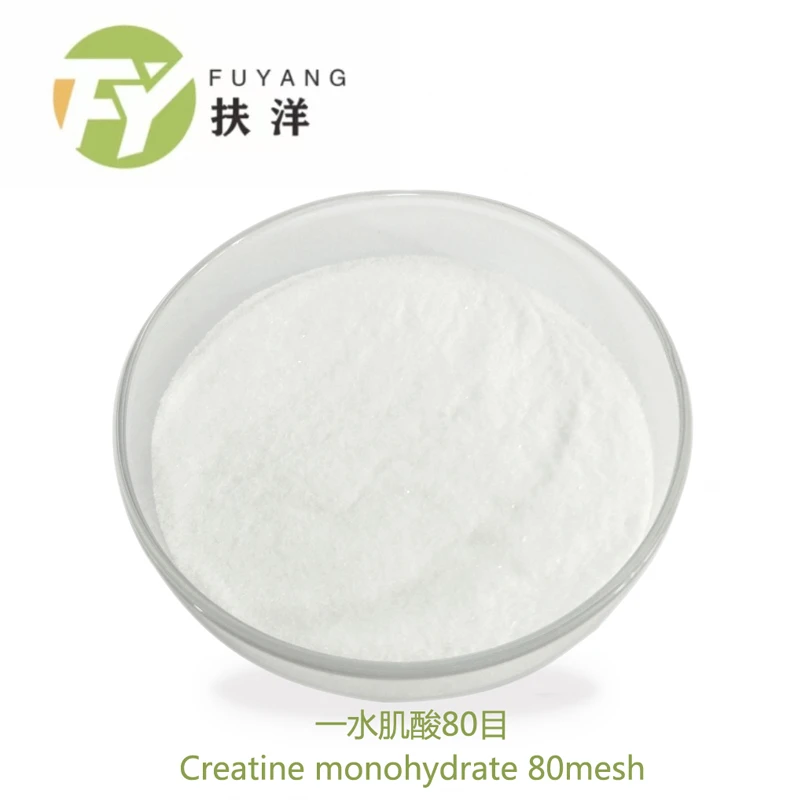
Creatine Monohydrate
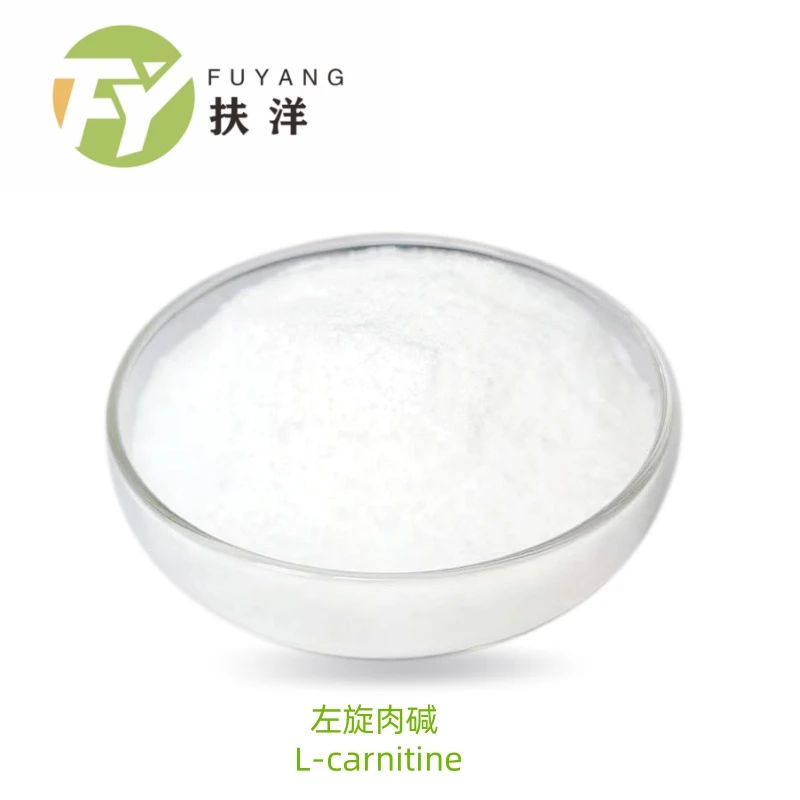
L-Carnitine
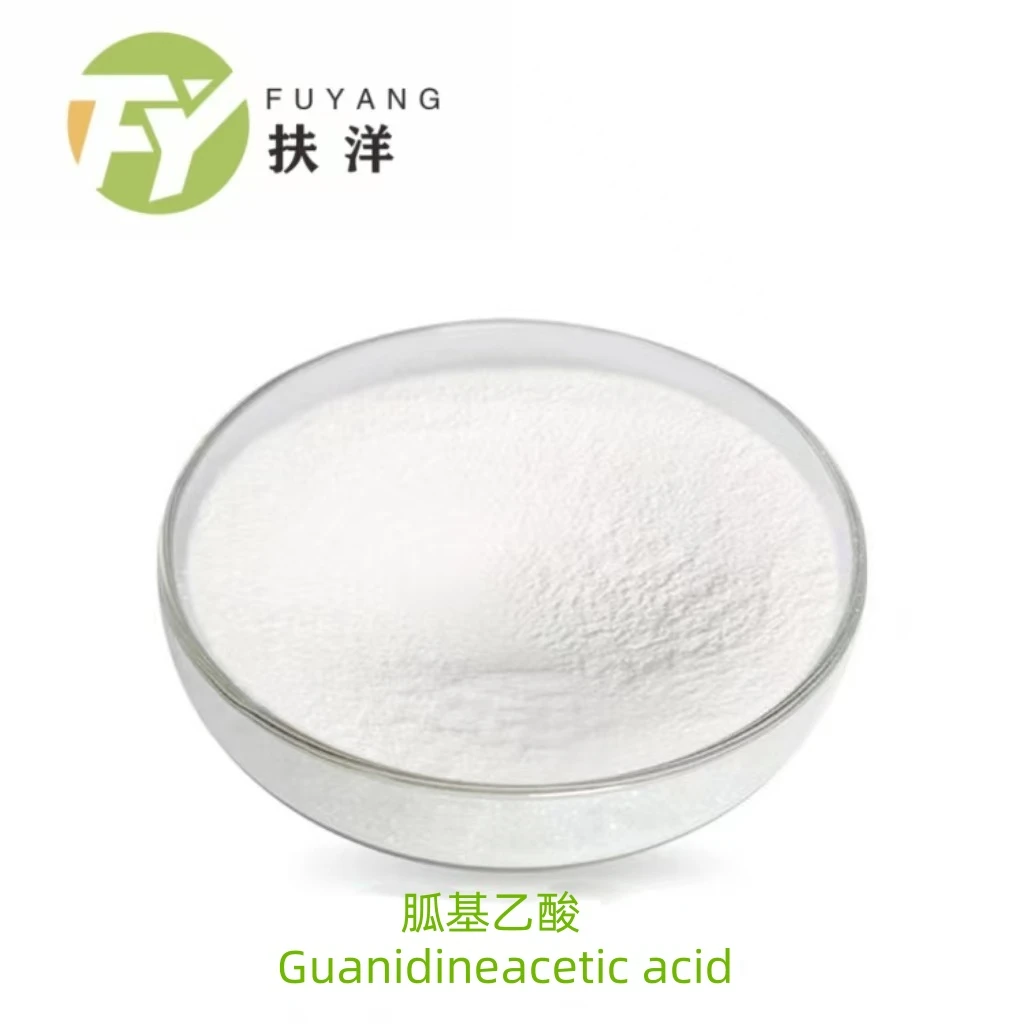
Guanidineacetic Acid
02 — REGIONAL ANALYSIS
Addressing Nutritional Challenges in Thailand's Livestock Sector
Balancing high humidity and heat stress with precision nutrient delivery.
Thailand's livestock and aquaculture industries operate in a challenging tropical environment where heat stress significantly impacts animal metabolism. For producers, the primary challenge is maintaining optimal growth rates while reducing feed waste. The integration of specific amino acids is no longer optional but a necessity to ensure that protein synthesis remains efficient despite environmental pressures.
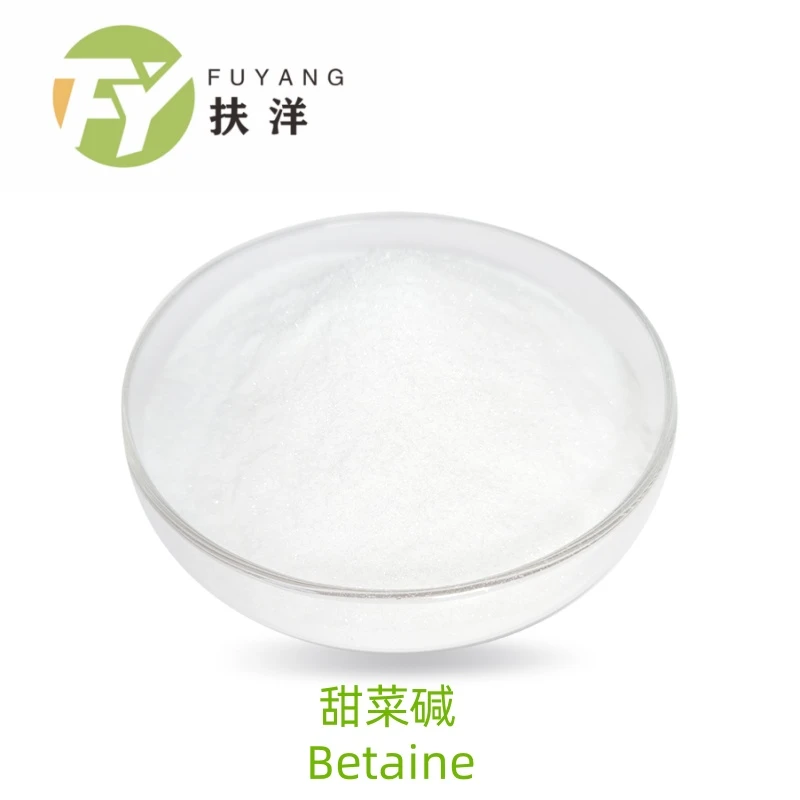
Local feed mills are increasingly shifting toward specialized additives to replace generic protein sources. There is a growing demand for high-purity betaine hcl health benefits to support liver function and osmotic pressure regulation in swine and poultry, which are critical for maintaining performance during the hot season.
For procurement managers in Thailand, this means a shift toward suppliers who provide more than just raw materials. The focus has moved toward technical stability and bioavailability, ensuring that the additives remain active throughout the pelleting process and subsequent storage in humid conditions.
03 — EVOLUTION & DYNAMICS
The Shift Toward Precision Nutrition
From bulk supplementation to targeted biochemical support.
Early Adoption
Basic Protein Focus
Reliance on soybean meal and corn, with minimal focus on individual amino acid profiles.
Tech Expansion
Synthetic Integration
Introduction of synthetic types of amino acids to reduce crude protein levels and lower nitrogen emissions.
Current Stage
Metabolic Optimization
Focus on methyl donors and chelates to enhance bioavailability and animal welfare.
01
Methyl Donor Efficiency
Increased use of betaine plus to optimize homocysteine levels, improving growth performance in intensive farming.
02
Bioavailable Chelates
Transition from inorganic salts to organic chelates to prevent mineral antagonism and improve absorption.
03
Antibiotic Replacement
Utilizing biochemistry to strengthen immune responses, reducing the reliance on growth promoters.
04 — FUTURE STRATEGIES
Driving Sustainability in Animal Feed
Strategic priorities for the next generation of feed production.
01
Precision Dosing
Implementing AI-driven nutrition plans to minimize waste and optimize cost-per-kg of growth.
02
Eco-Friendly Sourcing
Focusing on green chemistry to produce additives with lower carbon footprints.
03
Heat Stress Mitigation
Developing specialized blends that prevent metabolic crashes during Thailand's extreme heatwaves.
04
Digital Traceability
Ensuring full transparency from the chemical synthesis stage to the farm gate.
The trajectory of the Thai market suggests a move away from commodity-based purchasing. Feed formulators are now prioritizing the molecular stability of ingredients like premier hcl betaine hydrochloride, which ensures consistency in large-batch mixing.
Buyers should evaluate suppliers based on their ability to provide integrated technical solutions—including formulation support—rather than just delivering a product in a bag.
05 — PRACTICAL APPLICATIONS
Industry-Specific Implementations
Real-world utility in regional production.
01
Swine Weaning Stress Management
Implementing Betaine HCL in piglet starter feeds to reduce weaning shock and stabilize gut health during the high-temperature transitions common in central Thailand.
02
Broiler Growth Optimization
Using a balanced profile of synthetic amino acids to maximize muscle deposition while reducing ammonia excretion in intensive poultry houses.
03
Aquaculture Mineral Stability
Applying glycine chelates to fish feed to ensure mineral absorption in varying water salinity levels, promoting faster growth cycles in shrimp farms.
04
Dairy Cattle Heat Resilience
Integrating methyl donors into cattle rations to mitigate the metabolic impact of heat stress on milk production and reproductive health.
05
Customized Premix Formulation
Developing high-stability premixes that combine amino acids and nano-selenium to enhance the immune system of livestock across diverse regional climates.
06 — CORPORATE FOUNDATION
Hebei Fuyang Biotechnology
Driving innovation through core technical services.
Establishment Stage
Commitment to Core Technology
Founded with the purpose of mastering core biotechnology to serve global trade, focusing on high-purity amino acid synthesis.
Capability Expansion
Integration of Technical Services
Evolved from a product supplier to a comprehensive service provider, offering product design and supply chain management solutions.
Global Reach
Innovative Green Solutions
Expanding an international network to provide intelligent and green biochemical solutions for the global animal nutrition market.
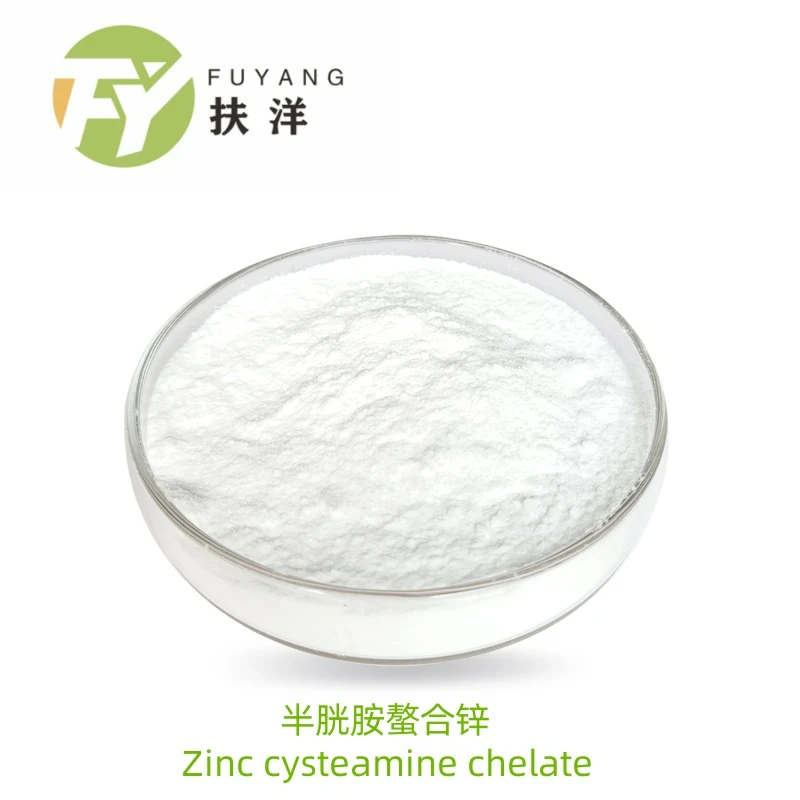
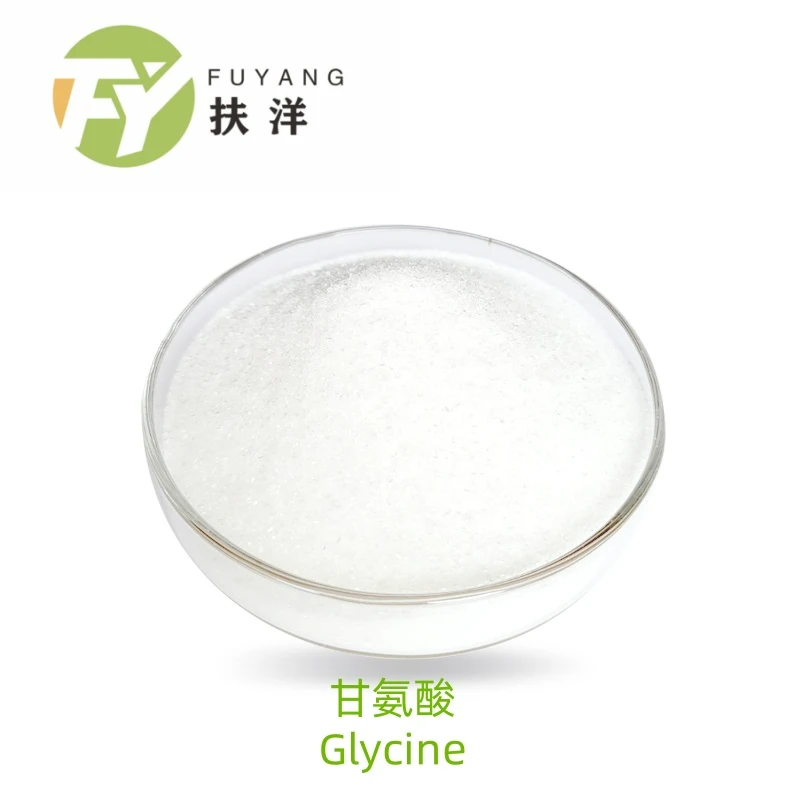
Comprehensive Biochemical Additive Portfolio
From chelates to coated products, ensuring maximum efficacy in every batch.

08 — TECHNICAL Q&A
Expert Insights on Amino Acid Application
Clarifying common procurement and technical queries.
What are the primary types of amino acids used in modern feed formulation?
Modern formulations typically utilize a combination of essential amino acids (like lysine and methionine) and functional additives like betaine, which act as methyl donors to optimize metabolic efficiency and animal growth.
How does the Thailand climate affect the choice of feed additives?
High heat and humidity increase metabolic stress. Additives that support osmotic balance and liver function, such as Betaine HCL, are prioritized to maintain growth rates during extreme weather conditions.
Which specifications should I verify when sourcing Betaine Hydrochloride?
Buyers should check for purity levels, solubility, and the absence of contaminants. Ensuring a consistent molecular structure is key to maintaining the efficacy of the supplement across different feed batches.
What is the difference between generic amino acids and chelated versions?
Chelated amino acids bond minerals to organic molecules, which significantly improves absorption rates in the gut and reduces the excretion of unused minerals into the environment.
Can these additives help in reducing the use of antibiotics in livestock?
Yes, by optimizing the nutritional status and strengthening the natural immune response, biochemical additives can reduce the susceptibility of animals to disease, supporting antibiotic-free production.
How can Hebei Fuyang Biotechnology support regional feed mills?
Beyond providing high-quality products, we offer technical solutions including product design and supply chain optimization to ensure additives are integrated effectively into the local production process.
PARTNER WITH US
Optimize Your Feed Formulation Today
Ready to enhance livestock productivity in Asia - Thailand? Let our technical experts provide a tailored amino acid solution for your industry needs.
Discuss Your Requirements