
Advanced Amino Acid Solutions for Turkey's Livestock Industry

Optimizing animal nutrition across Turkey's diverse agricultural regions with high-purity betaine and chelated mineral solutions.

Request Technical Data

High-Performance Feed Additives

Precision-engineered biochemical components designed to enhance growth and health in livestock and aquaculture.

Optimizing Animal Nutrition in the Turkish Market

Addressing the unique metabolic demands of livestock in the Mediterranean and Anatolian climates.

Turkey's strategic position as an agricultural hub requires feed additives that can withstand diverse environmental stresses. The livestock sector frequently faces challenges related to heat stress and metabolic efficiency, making the use of amino acids essential for maintaining optimal growth rates. By integrating precision nutrition, producers in the region can significantly reduce feed waste while improving the bioavailability of essential nutrients.

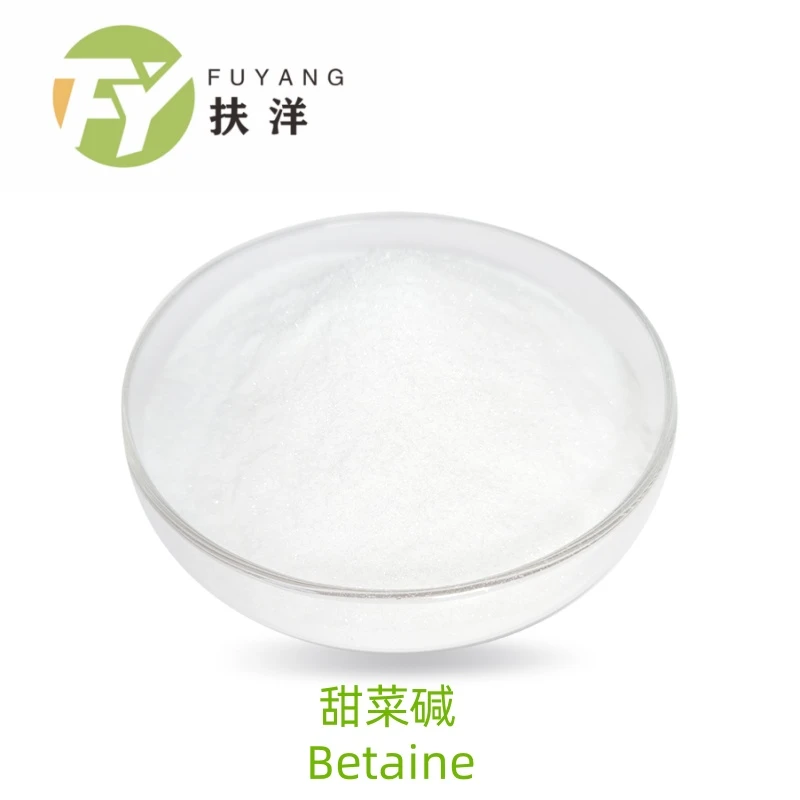
For poultry and swine operations, the implementation of premier hcl betaine hydrochloride serves as a critical methyl donor, aiding in the regulation of lipid metabolism. This is particularly vital in Turkey's intensive farming zones where high-density livestock populations require precise nutritional interventions to prevent metabolic disorders and ensure consistent product quality across the supply chain.

The shift toward sustainable livestock management in Turkey is driving a demand for "green" biochemical solutions. Industry professionals are now focusing on how various types of amino acids can reduce nitrogen excretion in manure, thereby aligning local production with stricter environmental regulations and improving the overall ecological footprint of the animal husbandry sector.
Evolution of Nutritional Biochemistry in Feed

From basic supplement integration to precision molecular nutrition.

Industry Evolution


2000-2010

Foundational Supplementation. Initial adoption of synthetic amino acids in Turkey to replace expensive protein sources, focusing on basic growth efficiency.


2011-2020

Specialization Phase. Integration of betaine plus and chelated minerals to address specific metabolic stressors and improve immunity.


2021-Present

Precision Biochemistry. Focus on high-bioavailability coatings and nano-selenium to maximize absorption and minimize environmental impact.

Market Trends

  • Methyl Donor Optimization

    Increased demand for Betaine HCl to stabilize osmotic pressure in cells, especially during Turkey's summer heat waves.

  • Chelated Mineral Adoption

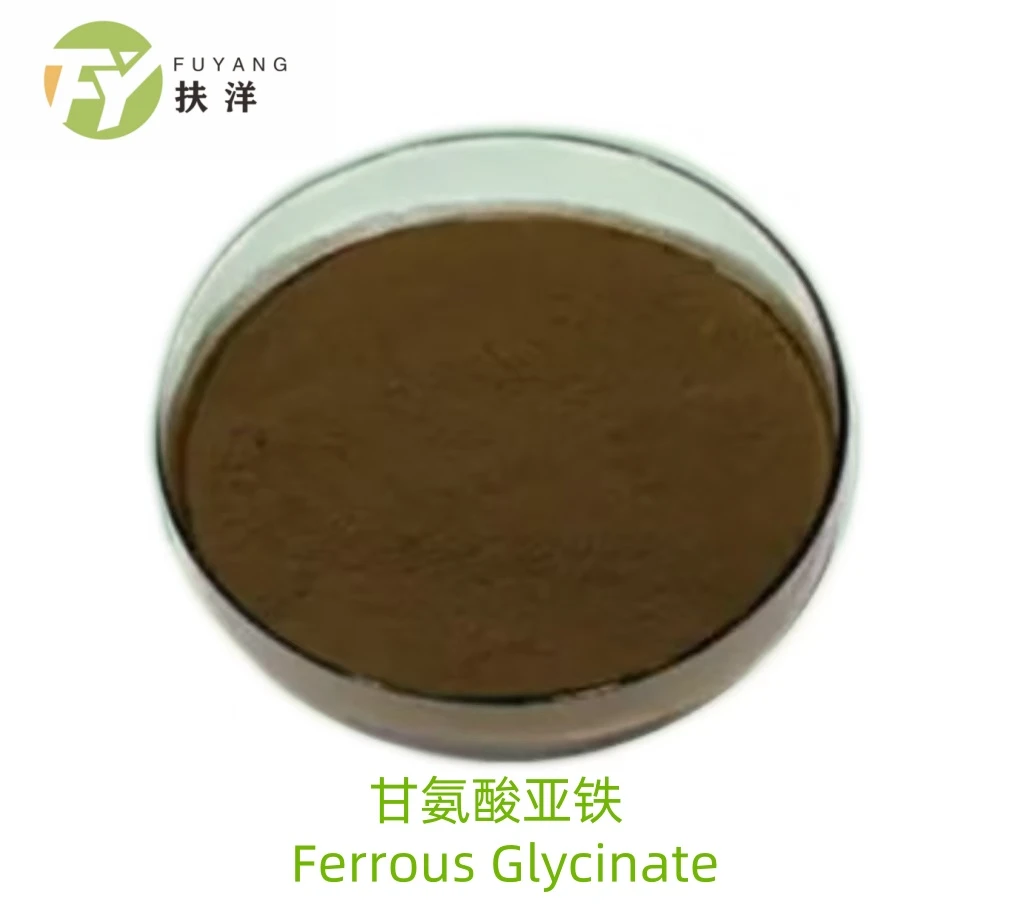
    Transitioning from inorganic salts to glycine chelates to prevent mineral antagonism and improve absorption rates.

  • Eco-Friendly Formulations

    Developing additive blends that lower the nitrogen footprint of large-scale livestock farms in Anatolia.

Future Outlook for Feed Science in Turkey

Innovating the intersection of animal health and sustainable productivity.

Bioavailability Enhancement
Developing advanced coating technologies to ensure precise release of nutrients in the digestive tract.
Metabolic Stability
Utilizing osmotic regulators to maintain animal productivity during extreme temperature fluctuations.
Supply Chain Resilience
Reducing reliance on volatile raw materials through high-concentration biochemical additives.
Green Production
Implementing biotechnology that lowers chemical waste and enhances organic feed standards.

From an industry evolution perspective, the next three to five years will likely see a transition toward personalized nutrition. This involves tailoring the amino acid profile based on the specific genetic lineage of livestock and the local climate variables of Turkey's provinces, ensuring that feed efficiency is maximized at a molecular level.

For regional partners, the focus will shift toward integrating intelligent supply chain management. By combining high-quality additive production with local technical services, the livestock ecosystem in Turkey can achieve higher resilience against global commodity price fluctuations while improving animal welfare.

Practical Applications in Turkey's Agriculture

Real-world implementation of biochemical additives in diverse farming environments.

01
Intensive Poultry Farms

Using betaine hcl health benefits to reduce heat stress in broiler chickens during the hot Aegean summers, improving weight gain and reducing mortality.

02
Dairy Cattle Operations

Integrating chelated minerals in local industrial parks to enhance milk yield and improve the reproductive health of cows in Anatolian grazing regions.

03
Aquaculture Hubs

Applying specific amino acid profiles in coastal fish farms to optimize growth rates and improve the resistance of species to fluctuating water temperatures.

04
Swine Feed Production

Utilizing high-purity Betaine HCl in regional feed mills to optimize liver function and improve feed conversion ratios in growing pigs.

05
Organic Livestock Projects

Implementing green biochemical additives that comply with organic standards in local agricultural cooperatives to meet the rising demand for organic meat.

Hebei Fuyang Biotechnology Co., Ltd.

Driving global trade through core technological innovation in amino acids.

Established
Core Vision Defined

Founded with the purpose of mastering core technology and serving global trade, focusing on becoming a leader in amino acid technical services.


Growth Phase
Technical Integration

Expanded beyond simple product supply to provide full-range services including product design and supply chain management.

Current
Global Innovation

Leveraging independent intellectual property rights to provide intelligent and green solutions for the global trade of feed additives.


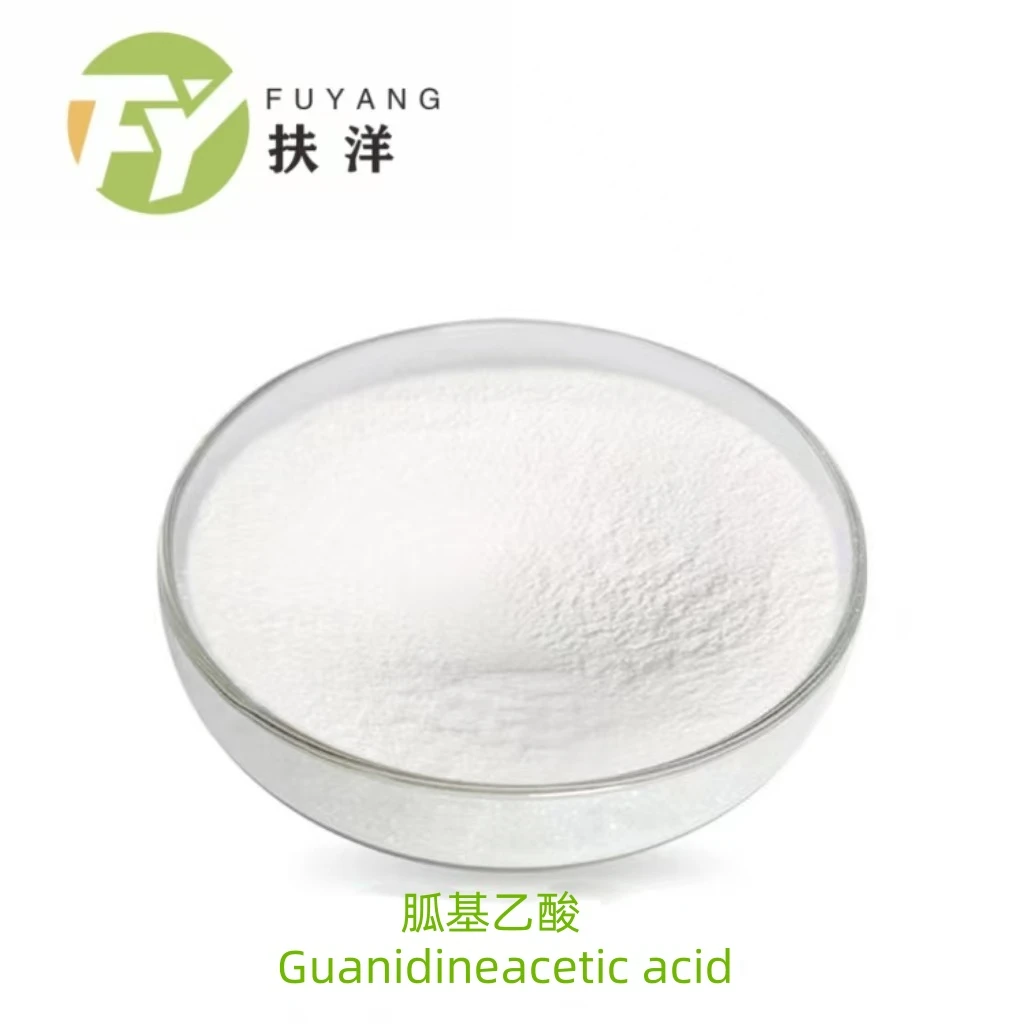
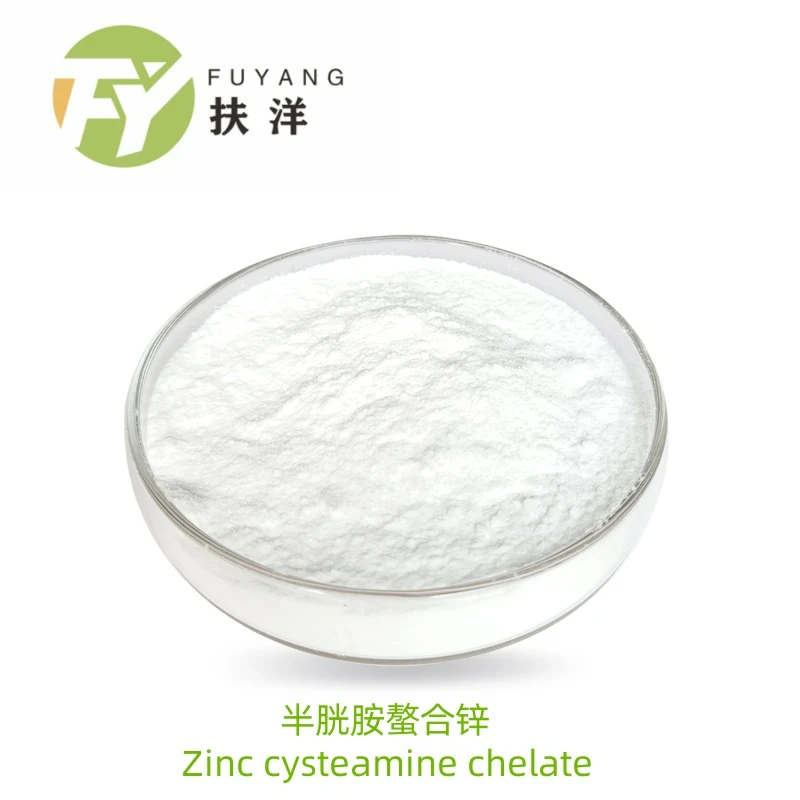
Amino Acid & Chelate Portfolio for Turkey

A comprehensive range of high-stability biochemicals to optimize livestock health.

Technical FAQ

Expert answers to common questions regarding feed additive integration.

How does Betaine HCl help livestock during Turkey's extreme summer heat?

Betaine HCl acts as an osmolyte, helping cells maintain water balance and protein stability. In the hot climates of Turkey, this reduces heat stress and prevents metabolic drops, ensuring animals continue to feed and grow efficiently.

What are the primary differences between various types of amino acids in feed?

Amino acids are divided into essential and non-essential. In feed science, focusing on the correct balance of essential amino acids prevents deficiency and reduces the need for excessive crude protein, which lowers nitrogen emissions in farm waste.

Why choose chelated minerals over traditional inorganic salts?

Chelated minerals, such as those bound to glycine, are more stable and better absorbed in the gut. They avoid antagonistic reactions with other minerals, providing higher bioavailability and better health outcomes for livestock.

Can Betaine Plus be used in combination with other growth promoters?

Yes, Betaine Plus is highly compatible with other nutritional supplements. It often acts synergistically with vitamins and minerals to enhance the overall metabolic efficiency and immune response of the animal.

What is the ideal way to transport these chemical additives into Turkey?

Proper moisture-proof packaging and temperature-controlled logistics are essential. Using specialized supply chain management ensures that the purity and stability of the amino acids are maintained from the factory to the local feed mill.

How do we determine the correct dosage for Premier HCL Betaine Hydrochloride?

Dosage depends on the species, age, and environmental stress levels. We recommend a technical consultation to analyze your specific feed formulation and livestock environment to determine the optimal inclusion rate for maximum ROI.

Optimize Your Feed Formulations Today

Partner with our technical experts to bring world-class amino acid solutions to your operations in Turkey.

Consult Our Experts

If you are interested in our products, you can choose to leave your information here, and we will be in touch with you shortly.


788a90d9-faf5-4518-be93-b85273fbe0c01