
Regional Analysis
The Landscape of Animal Nutrition in Greece
Understanding the intersection of Mediterranean agriculture and advanced chemical feed additives.
Greece possesses a robust livestock sector, with a strong focus on sheep, goats, and poultry. The geographical diversity—ranging from mountainous regions to coastal plains—creates varied nutritional demands for animals. Traditionally, the market relied on bulk minerals, but there is a significant shift toward specialized bio-chemical products. The current infrastructure is evolving to support higher-efficiency feed mills that can integrate precise doses of nano-selenium and amino acid chelates, reflecting a broader move toward scientific livestock management in the European region.
The market is currently driven by a dual demand for sustainability and productivity. Greek producers are increasingly moving away from prophylactic antibiotic use, seeking alternative ways to bolster animal health through nutrition. This has led to a surge in interest for betaine hcl health benefits, particularly for their ability to stabilize metabolic processes during the intense summer heat. Technical drivers include the adoption of precision feeding systems and a deeper understanding of molecular biology in animal dietetics.
Looking forward, the primary opportunity lies in the integration of "green" chemical solutions that reduce the nitrogen footprint of animal waste. However, constraints remain in the form of stringent EU regulatory frameworks regarding additive purity and labeling. The outlook is positive for companies that can provide not just a product, but a complete technical solution encompassing design, supply chain stability, and documented efficacy, enabling Greek farmers to compete more effectively in the global meat and dairy markets.
Industry Journey
Evolution of Feed Additive Technology
From basic supplementation to precision molecular nutrition.
Early Phase
Bulk Mineralization
Feed additives were primarily inorganic salts. While providing basic nutrients, they suffered from high interference and low absorption rates in the animal gut.
Growth Phase
Chelation Adoption
The industry shifted toward amino acid chelates. By wrapping minerals in organic molecules, bioavailability increased, reducing the environmental impact of runoff.
Current Phase
Precision Bio-Tech
Focus has moved to synergistic blends, coated products for targeted release, and nano-selenium for maximum cellular efficiency and immune support.
From Volume to Value
The industry has realized that adding more is not better. The focus is now on "Precision Nutrition," where the exact biological requirement of the animal is matched with highly bioavailable molecules to eliminate waste.
Metabolic Stability
Recent developments emphasize the role of osmolytes like betaine plus in protecting animal cells from osmotic pressure, which is critical for livestock in fluctuating climates.
Integrated Service Models
Suppliers are evolving from simple vendors to technical partners, providing a full suite of services from formula design to supply chain optimization and after-sales technical support.
Future Outlook
Emerging Trends in Bio-Chemical Feed Production
Analyzing the vectors of change in global and local feed additive markets.
Nano-Scale Nutrient Delivery
The shift toward nano-selenium and other nano-nutrients allows for faster cellular uptake and lower dosage requirements while achieving superior physiological results.
Antibiotic-Free Growth Promoters
Regulatory pressure is driving the adoption of organic acid salts and specialized amino acids as natural growth promoters to enhance gut health without chemicals.
Smart Supply Chain Integration
Companies are utilizing digital tracking and just-in-time delivery to ensure that heat-sensitive amino acids reach the feed mill in peak condition.
Climate-Resilient Nutrition
Developing additives that specifically mitigate the metabolic stress of extreme weather, focusing on osmolytes and antioxidants to maintain animal productivity.
The overarching trend in the chemical additive sector is a transition toward "Intelligent Nutrition." This involves moving beyond a one-size-fits-all approach to a system where feed additives are tailored based on the animal's genetic potential, current environmental stress, and the specific nutritional gaps of the local forage available in regions like Greece. The integration of biotechnology allows for the creation of products that are more stable and biologically active, reducing the overall environmental load of the livestock industry.
Furthermore, there is a growing emphasis on the traceability of chemical components. As the European Union tightens its "Farm to Fork" strategy, the demand for transparent, certified, and sustainably sourced amino acids is increasing. This requires manufacturers to implement rigorous quality control and provide comprehensive technical documentation, shifting the competitive advantage from low-cost production to high-reliability technical service and documented purity.
Practical Applications
Deployment Scenarios in Greek Animal Husbandry
How our biochemical solutions solve real-world problems in diverse agricultural settings.
01
Poultry Farms in Central Macedonia Facing Summer Heat
In the high-temperature environments of Central Macedonia, poultry often experience reduced feed intake and heat stress. By implementing a regimen of betaine hydrochloride, producers can stabilize cellular osmotic pressure. This reduces water loss and prevents metabolic crashes, maintaining growth rates even during peak summer months and reducing mortality associated with thermal stress.
02
Intensive Sheep Farming in the Peloponnese
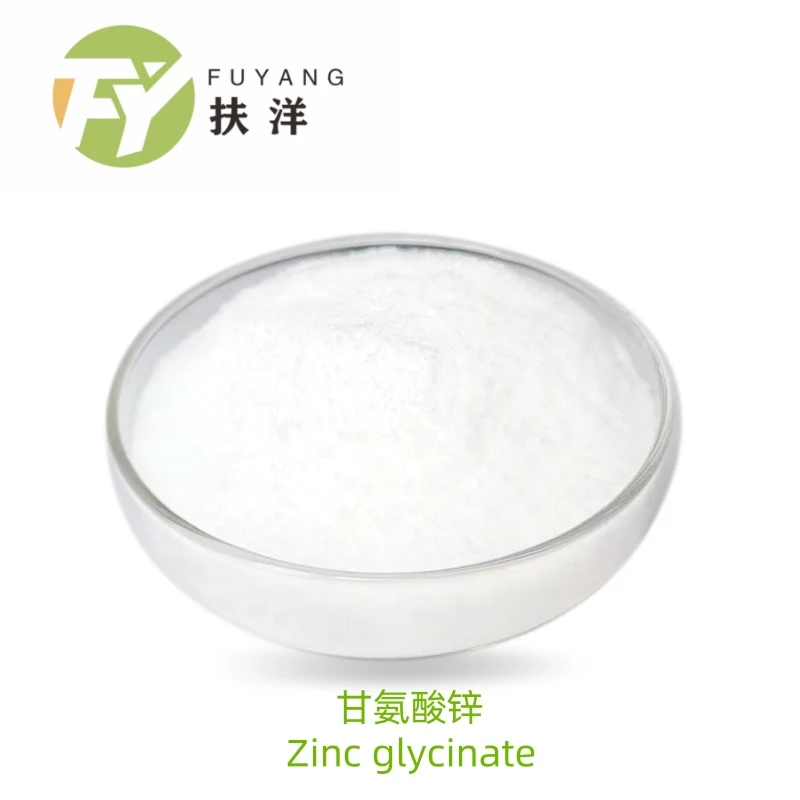
Sheep farming in the Peloponnese requires minerals that can be absorbed efficiently despite varied forage quality. The use of zinc and copper glycine chelates ensures that these essential trace elements are not blocked by other dietary components. This leads to improved hoof health and better wool quality, directly increasing the market value of the livestock.
03
Dairy Cattle Operations in Thessaly
Dairy cows in Thessaly often face challenges with rumen stability. The introduction of targeted amino acid blends, including specific glycine derivatives, helps optimize protein synthesis for milk production. This results in a more consistent milk yield and improved somatic cell counts, reducing the need for medical interventions in the herd.
04
Commercial Pig Farms Implementing EU-Compliant Diets
For pig producers transitioning to antibiotic-free diets to meet EU standards, immune support is critical. The application of nano-selenium and iron betaine chelates enhances the innate immune system of piglets during the weaning phase, reducing the incidence of respiratory issues and accelerating the time to market.
05
Small-Scale Feed Mills Seeking Quality Standardization
Small mills in rural Greece often struggle with additive stability during the mixing process. By switching to coated guanidine acetic acid and stabilized chelates, these mills can guarantee a uniform nutritional profile across different batches, ensuring that the end farmer receives a consistent, high-quality product.
Representative Use Cases
Illustrative Deployment Perspectives
How our technical services and amino acid products translate into operational value.
In typical poultry applications, the transition from basic salts to betaine hydrochloride has shown a marked improvement in birds' resilience during heatwaves. The ability to maintain osmotic balance directly correlates to more stable weight gain and lower feed conversion ratios in warm climates.
For intensive sheep farming, replacing standard mineral mixes with amino acid chelates like zinc glycine reduces the environmental load while improving animal health. The increased bioavailability means lower dosages are required to achieve the same physiological result.
Integrating a full-service technical partner for feed design allows us to adapt our formulas in real-time based on the raw materials available. The focus on stability and purity ensures that we meet all EU regulatory requirements without compromising on growth efficiency.
Our Identity
Hebei Fuyang Biotechnology
Driven by core technology, committed to serving the global trade in animal nutrition.
Foundation
Establishing Core Purpose
Hebei Fuyang Biotechnology Co., Ltd. was established with the mission of "mastering core technology and serving global trade." From the start, we focused on becoming a technical leader in amino acids rather than a simple product vendor.
Development
Technical Service Integration
We evolved into a comprehensive enterprise where technical services are our core competitiveness. We integrated resources to provide a full spectrum of services from product design to supply chain management.
Innovation
Intellectual Property Growth
By developing core technologies with independent intellectual property rights, we expanded our product line to include advanced chelates and coated amino acids, fostering win-win cooperation with international partners.
Current Phase
Global Reach & Green Solutions
Today, we focus on deepening technological innovation and providing intelligent, green solutions to promote high-quality development in global trade, striving to be a world-leading technical service enterprise.
Knowledge Base
Technical FAQ on Feed Amino Acids
Expert answers to common questions about biochemical feed additives and their application.
What are the primary types of amino acids used in modern animal feed?
Modern feed utilizes both essential and non-essential amino acids, but focuses on "limiting" amino acids like Lysine, Methionine, and Threonine. Additionally, functional amino acids such as Glycine and Betaine are used. Glycine is critical for the production of chelates that improve mineral absorption, while Betaine serves as a methyl donor and osmolyte. The choice depends on the animal species and its current growth phase or environmental stress level.
How does Betaine HCl specifically provide health benefits for livestock?
Betaine HCl provides health benefits primarily by acting as an osmolyte, which helps cells maintain their volume and function during periods of osmotic stress, such as extreme heat. It also supports liver function by promoting the synthesis of choline and preventing fat accumulation. In the gut, the HCl component can help lower the pH, improving the digestibility of proteins and minerals, which leads to better overall feed efficiency.
Are amino acid chelates more expensive than inorganic minerals in the Greek market?
While the price per kilogram of a chelated mineral is generally higher than that of an inorganic salt, the "cost per unit of absorption" is often lower. Because chelates are more bioavailable and less prone to interference from other feed ingredients, producers can often reduce the total inclusion rate while achieving superior growth results. The investment is offset by improved animal health and reduced environmental waste.
How should I implement coated amino acids in a commercial feed mill?
Coated products are designed to resist the heat and pressure of the pelleting process. Implementation involves integrating them into the premix or adding them post-pelleting depending on the specific product's design. It is essential to calibrate the mixing time and ensure a homogeneous distribution. We recommend a pilot test to verify that the coating remains intact and that the release profile matches the target animal's digestive tract.
What are the operational considerations for storing high-purity amino acids?
High-purity amino acids and chelates are sensitive to moisture and extreme temperature fluctuations. They should be stored in a cool, dry, and well-ventilated warehouse. Using moisture-proof packaging is critical to prevent caking and degradation. For those operating in Mediterranean climates, climate-controlled storage is highly recommended to ensure the long-term stability of the biochemical active ingredients.
How do I choose between different types of amino acid chelates for my herd?
Selection should be based on the specific deficiency or growth goal. For example, Zinc chelates are prioritized for skin and hoof health, while Manganese is critical for skeletal development. We suggest starting with a nutritional audit of your current feed and the animal's performance data. Our technical team can then provide a customized solution that balances the required minerals and amino acids for maximum synergistic effect.
Partner with Experts
Optimize Your Animal Nutrition Strategy in Greece
Whether you are a commercial feed mill or a large-scale livestock operator in Greece, achieving peak productivity requires more than just additives—it requires a technical partnership. Hebei Fuyang Biotechnology provides the biochemical expertise and high-purity products needed to enhance growth and health while ensuring EU compliance. Contact us today to discuss your specific requirements and receive a customized technical solution.
Discuss Your Requirements