
High-Performance Amino Acid Supplementation
Providing precise nutritional components to ensure optimal growth and metabolic health for livestock and aquaculture sectors.
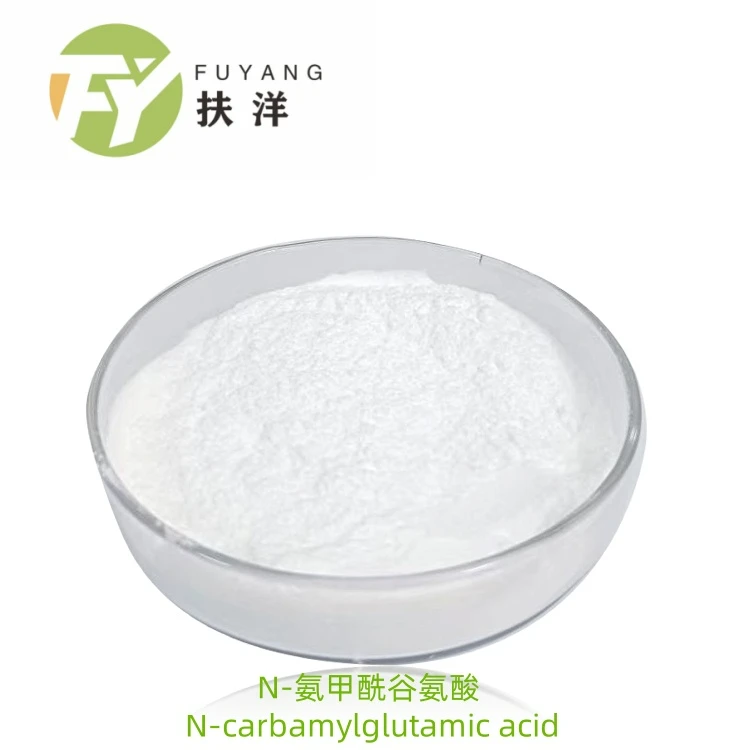
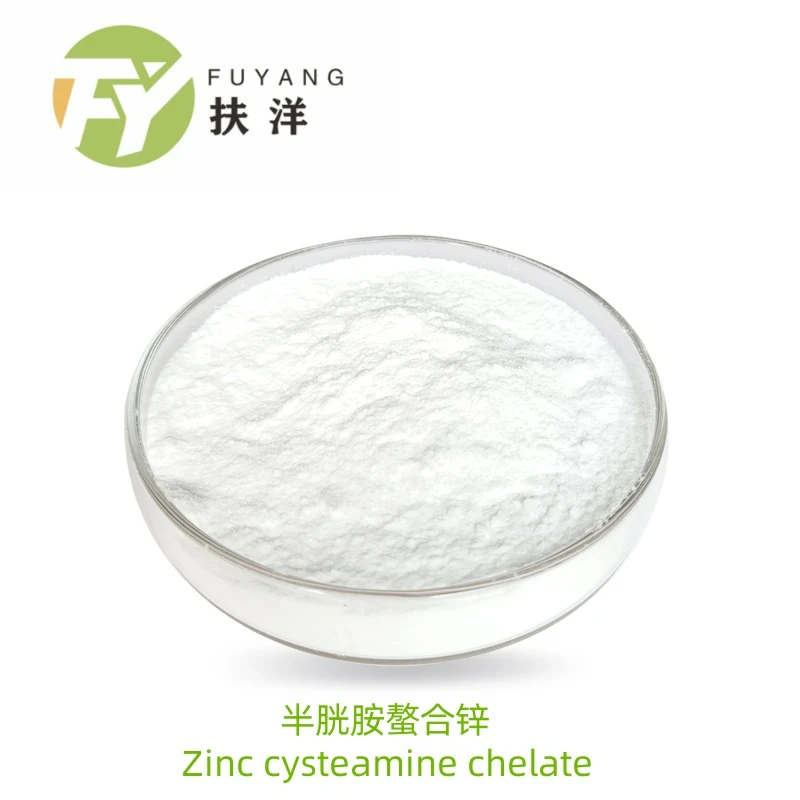
N-Carbamylglutamic Acid
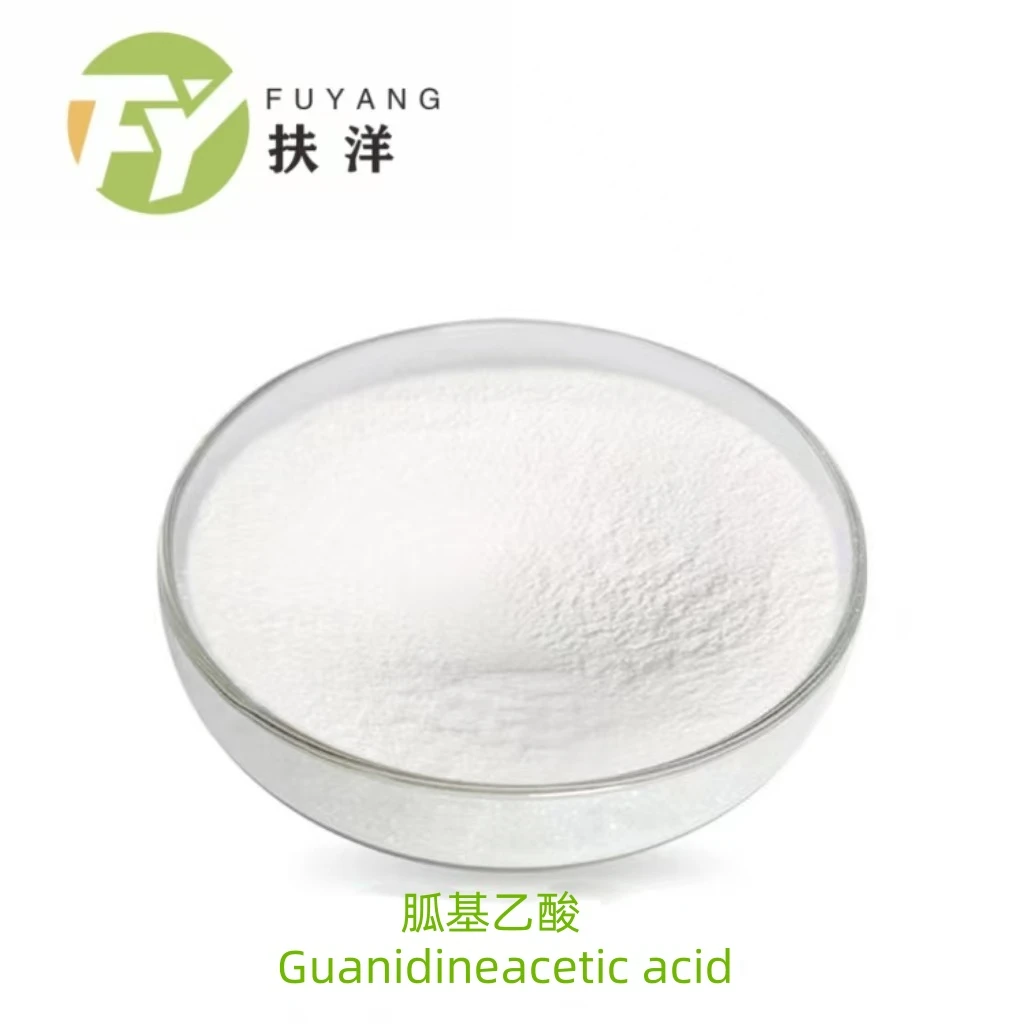
Guanidineacetic Acid
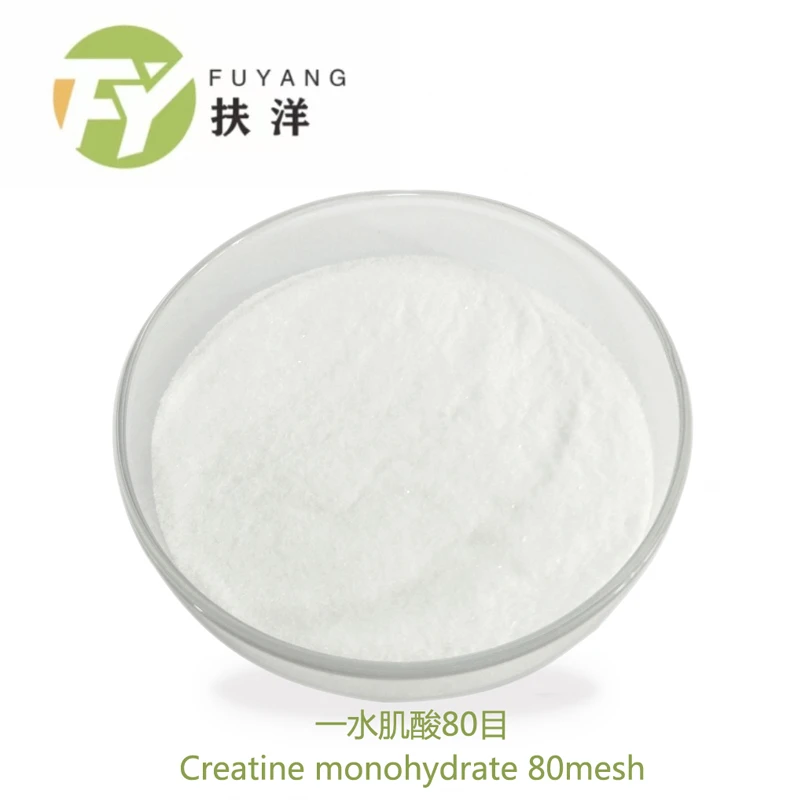
Creatine Monohydrate
Improving Feed Efficiency in Ireland's Livestock Sector
Addressing the nutritional demands of high-standard dairy and beef production.
Ireland's agricultural landscape is characterized by a strong commitment to grass-based systems and high-quality livestock production. However, achieving maximum genetic potential requires precise supplementation. The integration of amino acids into feed formulations has become essential for local producers to balance nitrogen intake and reduce environmental impact while maintaining high yields.
Local producers face the challenge of volatile raw material costs and strict EU regulations regarding feed safety and additives. There is a growing shift toward specialized compounds like premier hcl betaine hydrochloride to mitigate heat stress in swine and improve the osmotic balance in poultry, ensuring that growth rates remain stable regardless of seasonal environmental fluctuations.
The opportunity in the Irish market lies in the transition toward "intelligent nutrition." By utilizing various types of amino acids, including chelated minerals and betaine derivatives, farms can enhance feed conversion ratios. This technical evolution allows for a more sustainable production model that aligns with Ireland's green agricultural goals.
Evolution of Biochemical Feed Additives
Tracing the path from basic supplementation to precision biochemistry.
Industry Milestones
Early Stage
Basic Nutrition
Focus on macro-nutrient balance and basic protein sources to sustain animal growth.
Developmental Phase
Synthetic Integration
Adoption of isolated amino acids to reduce waste and optimize metabolic efficiency.
Modern Era
Biochemical Precision
Use of chelated minerals and complex betaine products for cellular-level health.
Technical Shifts
- Metabolic Optimization Leveraging betaine hcl health benefits to improve liver function and energy metabolism in livestock.
- Green Manufacturing Shift towards bio-catalytic synthesis to reduce the carbon footprint of chemical additives.
- Synergistic Formulations Combining amino acids with nano-selenium and chelated minerals for maximum bioavailability.
Future Horizons in Animal Nutrition
Analyzing the intersection of biochemistry and sustainable farming.
Precision Dosage
Implementing AI-driven nutritional analysis to determine exact amino acid requirements per animal age and breed.
Stress Resilience
Increased use of betaine plus to protect cells from osmotic stress and enhance thermoregulation.
Bioavailability Focus
Replacing inorganic salts with chelated amino acid complexes to ensure higher absorption rates in the gut.
Regulatory Compliance
Development of additives that meet the highest EU safety standards while eliminating antibiotic growth promoters.
The future of animal nutrition in Ireland is moving toward a holistic approach where biochemical additives are not just supplements, but integrated tools for metabolic management. This shift is expected to enhance the global competitiveness of Irish livestock exports by ensuring superior meat and milk quality.
From a supply chain perspective, the demand for high-purity chemicals ensures a move toward long-term partnerships with manufacturers who can provide consistent technical support and product traceability, reducing risks for the end-user.
Practical Application Scenarios
How specialized amino acids solve real-world farming challenges in Ireland.
1
Dairy Cattle Metabolic Support
Using chelated amino acids in transition cow diets to prevent ketosis and improve milk protein synthesis, essential for Ireland's high-yield dairy farms.
2
Swine Growth Optimization
Incorporating betaine HCL into piglet starter feeds to stabilize gut pH and improve weight gain during the weaning process in industrial pig farms.
3
Poultry Heat Stress Management
Applying osmotic regulators in poultry houses to maintain hydration and reduce mortality during unexpected heat waves in the summer months.
4
Aquaculture Feed Enhancement
Adding specialized amino acid profiles to fish feed to accelerate growth and improve fillet quality for Ireland's coastal aquaculture centers.
5
Precision Feed Mill Formulation
Utilizing high-purity synthetic amino acids to create low-protein, high-efficiency diets that reduce nitrogen runoff in rural watersheds.
Brand Story
Hebei Fuyang Biotechnology Co., Ltd.'s Global Development Journey
Establishment
Technical Foundation
Founded with the mission of mastering core technology to serve global trade in amino acids and biochemicals.
Expansion
Service Integration
Transitioned from a product supplier to a comprehensive technical service enterprise, offering product design and supply chain management.
Innovation
Intellectual Property
Developed core technologies with independent intellectual property rights, focusing on high-efficiency chelates and coatings.
Globalization
International Network
Established a wide international network of partners to provide green and intelligent solutions worldwide.
Optimization
Quality Leadership
Continual improvement of service quality and expansion of service areas to become a leading technical service provider.
Vision
Sustainable Future
Committed to promoting the high-quality development of global trade through intelligent and green biochemical solutions.
Specialized Amino Acid and Chelate Portfolio
Explore our range of high-bioavailability products designed for specific animal health requirements and production goals.
Technical FAQ on Amino Acid Supplementation
Expert answers to common questions regarding biochemical feed additives.
What are the primary differences between the various types of amino acids used in feed?
Essential amino acids must be provided in the diet as the animal cannot synthesize them, while non-essential ones can be synthesized if precursors are available. We provide high-purity synthetic versions of both to ensure precise metabolic balancing.
How is premier hcl betaine hydrochloride typically administered in poultry diets?
It is generally integrated into the premix or feed mash. The dosage depends on the environmental temperature and the specific growth stage of the birds, aiming to optimize the osmotic pressure within cells.
What ensures the quality and stability of your amino acid chelates?
Our products are manufactured using core technologies with independent intellectual property rights, ensuring a stable chemical bond between the mineral and the amino acid, which prevents premature dissociation in the digestive tract.
Can these additives be compatible with organic farming standards in Ireland?
Compatibility depends on the specific certification body (e.g., EU Organic). We provide detailed technical specifications and certificates to help producers ensure their formulations meet all local and international regulatory requirements.
What is the expected shelf life and storage requirement for betaine products?
When stored in a cool, dry environment in original sealed packaging, our betaine products maintain full potency for typically 24 months. We recommend avoiding direct sunlight and high humidity.
How do betaine hcl health benefits translate into commercial ROI for a farm?
ROI is realized through improved feed conversion ratios (FCR), reduced mortality rates during stress periods, and faster time-to-market for livestock, overall lowering the cost per kilogram of produce.
Upgrade Your Animal Nutrition Strategy in Ireland
Partner with Hebei Fuyang Biotechnology to access world-class amino acid technology and professional technical support to maximize your livestock productivity.
Request Technical Consultation