Optimizing Livestock Nutrition with High-Purity Amino Acids in Japan

Providing Japanese agricultural enterprises with advanced betaine hydrochloride and specialized amino acid chelates to enhance feed efficiency and animal health.

Technical Solutions for Precision Feed Additives

Addressing the rigorous quality standards of the Japanese livestock market by integrating core biotechnology with supply chain excellence to deliver high-bioavailability amino acids.

The Landscape of Feed Additive Demand in Japan

Balancing high productivity with strict environmental and safety regulations in the Asian market.

The Japanese livestock industry is characterized by a profound commitment to precision nutrition and animal welfare. With a high density of professional farming operations, there is a consistent demand for amino acids that can be precisely dosed to maximize growth rates while minimizing waste, aligning with national goals for sustainable agriculture.

Geographically, Japan's fragmented terrain and highly organized distribution networks require suppliers who can guarantee consistent quality across various prefectures. The business environment favors long-term partnerships based on technical transparency and a proven track record of purity, especially for specialized components like betaine hcl health benefits in heat-stress management for swine and poultry.

Current challenges include the rising cost of raw materials and the need to reduce antibiotic reliance. This creates a significant opportunity for high-stability chelates and betaine plus formulations that support metabolic health and immune function naturally, reducing the operational risks for Japanese producers.
Evolution of Nutritional Biotechnology

From basic supplementation to intelligent, bio-available molecular design.

The Path of Industry Advancement

Early Market Development
Initial focus was primarily on basic protein supplementation and the use of crude amino acid sources to ensure survival and basic growth in livestock.

Precision Nutrition Phase
The industry shifted toward identifying specific types of amino acids required for different growth stages, leading to the adoption of pure hydrochloride forms for better stability.

Advanced Bio-Chelation Era
Current trends emphasize bioavailability and synergistic effects, utilizing nano-selenium and organic chelates to ensure minerals are absorbed efficiently without disrupting gut microbiota.

Future Strategic Trends

1. Green Synthesis Pathways

Transitioning toward bio-fermentation and eco-friendly chemical processes to reduce the carbon footprint of additive production, meeting global sustainability standards.

2. Metabolic Targeted Delivery

Developing coating technologies and targeted release mechanisms that ensure nutrients reach the optimal section of the digestive tract for maximum absorption.

3. Digital Nutritional Mapping

Integrating real-time animal health data with customized amino acid blends to adjust feed composition dynamically based on animal performance.

How emerging technologies are redefining livestock productivity in the Japanese market.

Automated Dosing
Integration of additive blending with automated feeding systems to ensure micronutrient precision.
Bio-Informatics
Using genomic data to identify specific amino acid deficiencies in local breeds for targeted supplementation.
Supply Chain Resilience
Shifting toward transparent, multi-source procurement models to avoid volatility in raw amino acid pricing.
Circular Nutrition
Developing additives that not only promote growth but reduce nitrogen excretion into the environment.

Industry Outlook for Japan

Over the next three to five years, the Japanese market will likely see an accelerated transition toward "functional nutrition." This means a move away from bulk fillers toward high-potency additives such as premier hcl betaine hydrochloride, which serves as both an osmolyte and a methyl donor.

The integration of these specialized compounds will be critical as Japanese farmers face the dual pressure of maintaining high-quality meat standards and adhering to stricter environmental regulations regarding agricultural runoff and emissions.

Practical Applications in Livestock Management

Tailored nutritional strategies for diverse farming environments across Japan.

Heat Stress Mitigation in Swine

During humid Japanese summers, pig farms utilize betaine hydrochloride to maintain cellular hydration and reduce respiratory stress, ensuring consistent weight gain despite temperature fluctuations.

High-Efficiency Poultry Growth

Broiler producers integrate specific amino acid chelates to improve feather quality and muscle development, reducing the time to market while maintaining strict health protocols.

Precision Dairy Nutrition

Dairy farms apply amino acid balances to optimize milk protein synthesis and improve cow fertility, focusing on the bioavailability of mineral chelates in TMR diets.

Aquaculture Metabolic Support

In Japan's coastal fish farms, specialized amino acids are added to feed to enhance stress resistance during transport and improve the omega-3 profile of the final product.

Antibiotic-Free Rearing Systems

Farms transitioning to antibiotic-free models use nano-selenium and organic glycine chelates to boost innate immunity and gut integrity, reducing mortality rates.

Commitment to Core Biotechnology

Hebei Fuyang Biotechnology's journey toward becoming a global leader in amino acid technical services.

Establishment

Foundation of Fuyang Biotechnology

Established with a mission to master core technology and serve global trade, focusing on high-quality amino acid production.

Development

Expansion of Technical Services

Transitioned from a product supplier to a comprehensive enterprise providing technical solutions and supply chain management.

Present

Global Innovation Leadership

Driving the industry forward through independent intellectual property rights and a wide international network of partners.

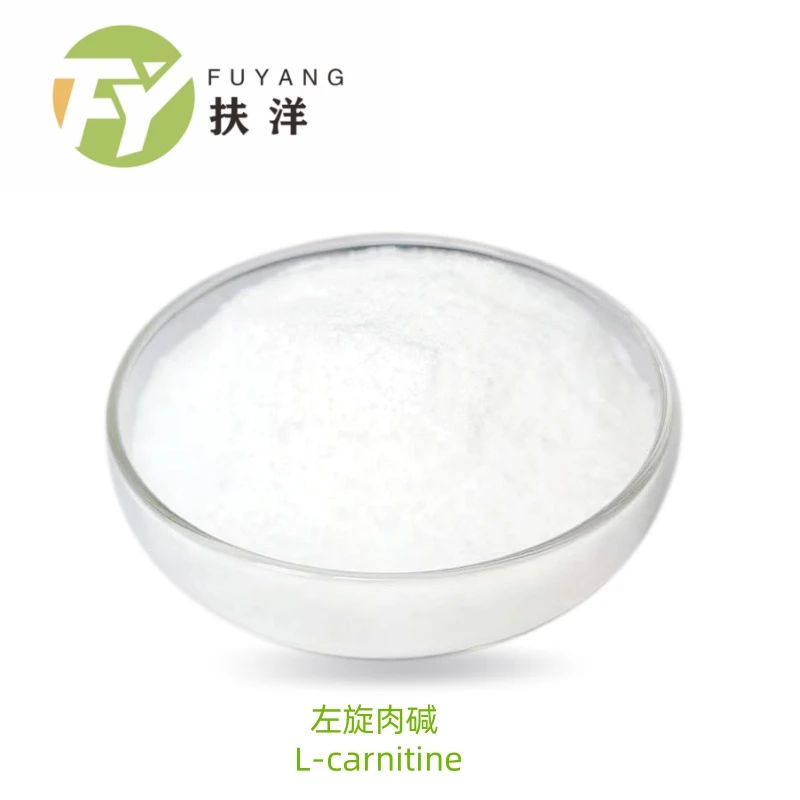
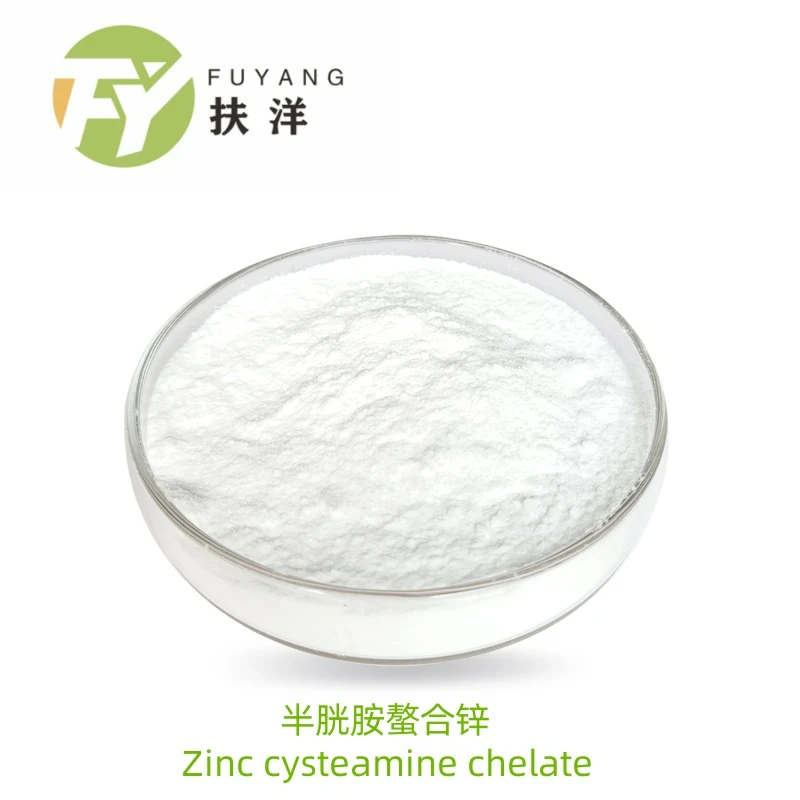
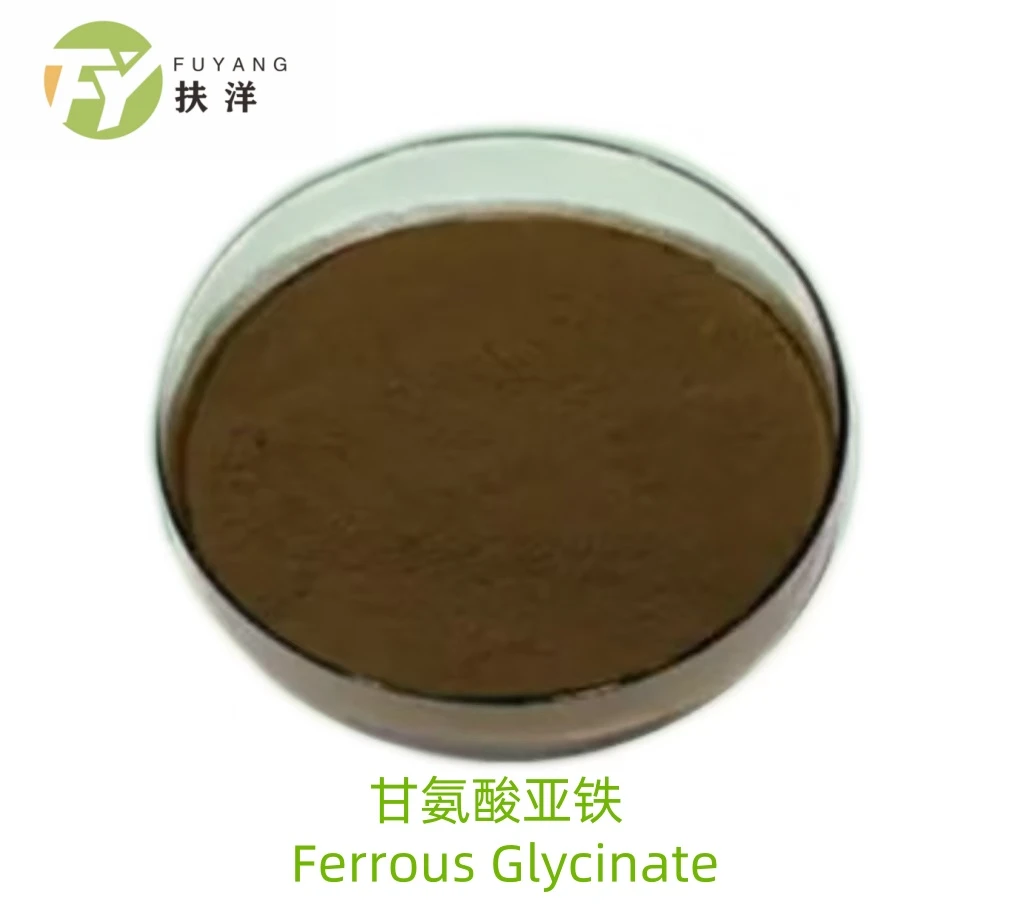
Comprehensive Nutritional Portfolio for Japan

A full spectrum of high-purity chelates and amino acids designed to meet the specific dietary requirements of Asian livestock.

Nutritional Guidance for the Japanese Market

Common inquiries regarding the application and procurement of specialized feed additives.

What are the primary differences between various types of amino acids in livestock feed?

Amino acids differ in their role; essential amino acids must be provided in the diet, while others like betaine act as functional additives to support metabolism and stress resistance, depending on the animal species and growth stage.

How does premier hcl betaine hydrochloride improve animal performance in Japan?

It functions as an osmolyte, protecting cells from dehydration during heat stress, and as a methyl donor to support liver function and weight gain in swine and poultry.

Why are amino acid chelates preferred over inorganic minerals for livestock?

Chelated minerals are bonded to amino acids, which prevents them from reacting with other feed components and significantly increases their absorption rate in the gut.

What is the typical procurement process for feed additives in the Japanese market?

Procurement usually involves technical validation, quality certification checks, and the establishment of a stable supply chain to ensure consistent purity and delivery timelines.

Can betaine hcl health benefits be combined with nano-selenium for synergistic effects?

Yes, combining osmolytes with potent antioxidants like nano-selenium can enhance the overall immune response and resilience of animals against environmental stressors.

How should I select the right amino acid profile for my specific livestock operation?

Selection should be based on the species, age of the animal, local climate conditions, and specific productivity goals, ideally supported by technical analysis of the current feed composition.

Request Technical Support for Japan

Consult with our experts to optimize your feed formulas with high-bioavailability amino acids tailored for the Japanese market.

Contact Our Team

If you are interested in our products, you can choose to leave your information here, and we will be in touch with you shortly.


788a90d9-faf5-4518-be93-b85273fbe0c01