THE BUYER'S GUIDE / SELECTION
Choosing N-Acetylcysteine: Application Fit and Specification Checks
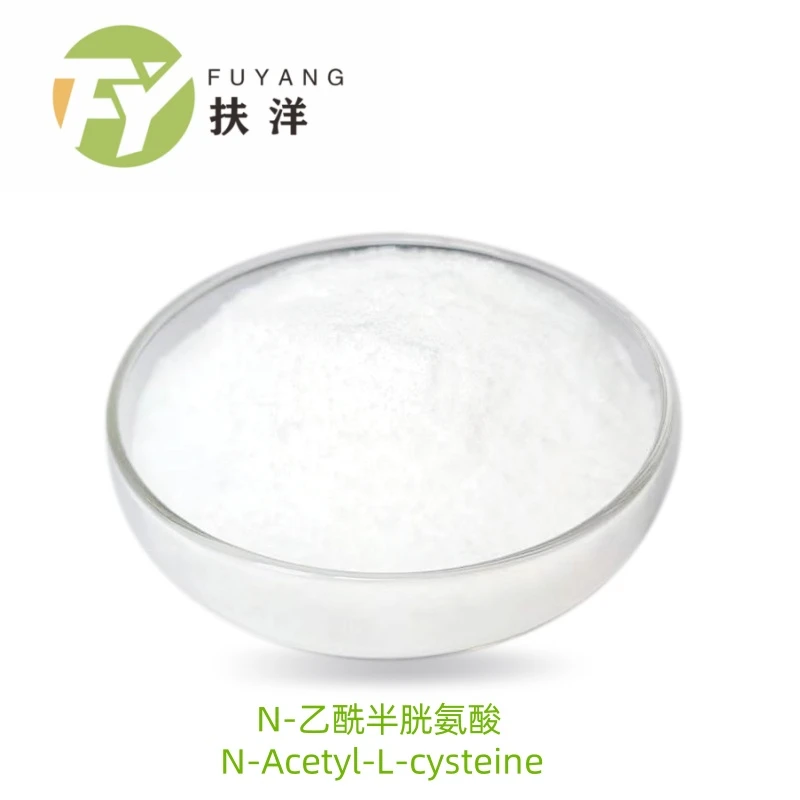
N-Acetylcysteine (NAC) is a versatile veterinary active ingredient used for detoxification, respiratory disease management, antioxidant support, and immune enhancement across a wide range of animal species. This guide helps procurement teams and formulators evaluate whether NAC fits their specific application, verify the key chemical and functional specifications to confirm from a supplier, and understand the usage conditions that govern effective deployment — from species-specific dosing to drug interaction restrictions.

Application fit: match the intended use case (detoxification/hepatoprotection, respiratory mucolysis, antioxidant/anti-stress feed additive, or immune enhancement) to the functional mechanisms and species-specific dosage ranges before sourcing
Specification verification: confirm CAS 616-91-1, molecular formula C₅H₉NO₃S, MW 163.20, EINECS 211-806-2, assay purity, heavy metal limits, moisture/residual solvents, and particle size from supplier documentation; also assess formulation-specific constraints such as solution oxidation rate for nebulization or drinking-water applications
Regulatory and safety compliance: verify veterinary drug approval status and residue limits for the target species and region (EU approval with residue limits, China Veterinary Drug Regulations), and confirm end-user guidance on overdose risk, drug interactions (oxidizers, penicillin-class antibiotics), and solution freshness requirements
What Is N-Acetylcysteine and Who Needs It?
N-Acetylcysteine (NAC) is an acetylated derivative of the amino acid L-cysteine. Its CAS number is 616-91-1, molecular formula C₅H₉NO₃S, and molecular weight 163.20. EINECS No. is 211-806-2. These identifiers are the first check for procurement teams: confirm them against the supplier's certificate of analysis before purchase.
NAC is used across veterinary medicine and animal nutrition. Buyers typically fall into several categories:
- Veterinary pharmaceutical manufacturers formulating injectable or oral dosage forms
- Feed additive producers targeting poultry, ruminants, or aquaculture species
- Compound pharmacy operators preparing nebulization solutions for pets and livestock
- Distributors supplying multi-species customers who require bulk n acetylcysteine with documented specifications
Understanding your end-use application before selecting a grade or pack size prevents compliance issues and reformulation costs.
Core Application Areas: Does NAC Fit Your Use Case?
1. Detoxification and Hepatoprotection
NAC replenishes intracellular glutathione (GSH), enabling it to neutralize the toxic acetaminophen metabolite NAPQI. This makes it an emergency treatment for dogs and cats that have ingested acetaminophen-containing medications. The referenced dosage is 70–140 mg/kg administered intravenously or orally, repeated every 4–6 hours; efficacy exceeds 60% survival rate improvement when given within 8 hours of ingestion.
For heavy metal exposure, NAC's sulfhydryl (–SH) groups chelate lead and mercury, often in combination with EDTA. In poultry, dietary NAC at 200 mg/kg has been documented to lower aflatoxin B1-induced ALT elevation by approximately 50%.
Application fit check: If your product targets acute poisoning or mycotoxin detox programs, NAC is a primary candidate. Confirm that your finished-product formulation allows for the required dosing frequency and administration route.
2. Respiratory Disease Management
NAC cleaves disulfide bonds in mucus glycoproteins, reducing viscosity and improving mucociliary clearance. Veterinary indications include:
- Companion animals: Bronchitis and pneumonia presenting with cough or dyspnea
- Swine: Enzootic pneumonia and other bacterial/viral respiratory infections
- Horses: Recurrent airway obstruction, where NAC's suppression of IL-6 and TNF-α provides an anti-inflammatory benefit alongside mucolysis
Administration routes include nebulization as a 3–5% solution and oral delivery at 10–20 mg/kg BID. If you are formulating a nebulization product, note that NAC solutions oxidize rapidly in water; fresh preparation per batch is required.
Application fit check: Formulations intended for inhalation must accommodate rapid oxidation. Bulk powder for a liquid end-use should be assessed for stability under your intended dilution conditions.
3. Antioxidant and Anti-Stress Support
NAC boosts intracellular GSH and scavenges free radicals. Documented feed-additive applications include:
| Species | Use Case | Reference Dosage |
|---|---|---|
| Poultry (chickens/ducks) | Heat stress mitigation | 100 mg/kg in feed; 5–8% egg production improvement reported |
| Poultry (chickens/ducks) | Mycotoxin detox, respiratory | Drinking water: 100–200 mg/L for 3–5 days |
| Ruminants (cattle) | Aflatoxin protection, calf pneumonia | Oral: 20 mg/kg BID |
| Aquatic species (fish/shrimp) | Transport stress, high-density farming | Feed additive: 200–500 mg/kg |
| Dogs/cats | Acetaminophen detox, chronic bronchitis | IV: 70–140 mg/kg, divided doses |
Application fit check: For feed additive buyers sourcing n acetylcysteine bulk, the dosage range varies considerably by species. Confirm that your supplier can provide a specification with assay purity sufficient for the lowest inclusion rate you target.
4. Immune Enhancement and Emerging Applications
NAC stimulates lymphocyte proliferation and has been reported to enhance vaccine efficacy, specifically in swine fever vaccination programs. Research-stage applications include:
- Antiviral adjunct: In-vitro inhibition of PRRSV replication at 50 μM effective concentration
- Reproductive health: Documented 15% increase in sperm motility in bulls at therapeutic doses
Application fit check: These applications remain in research or emerging-use status. Buyers developing novel formulations should verify applicable regulatory pathways in their target market before committing to volume.
Specification Checks Before Procurement
Regardless of application, any procurement of n acetylcysteine should include the following specification verification steps:
- Identity confirmation: CAS 616-91-1, molecular formula C₅H₉NO₃S, MW 163.20, EINECS 211-806-2
- Assay/purity: Request certificate of analysis with assay method stated
- Heavy metal limits: Especially relevant for injectable or high-dose oral products
- Residual solvent / moisture content: Affects shelf life and reconstitution behavior
- Particle size and flowability: Important for feed mixing and nebulization applications
- Packaging format: Bulk powder for large-scale feed use versus smaller units for compounding pharmacies
Do not rely on keyword data or product names alone to infer these values. Always request documented analytical results from the supplier.
Regulatory and Safety Considerations
NAC's regulatory status differs by region and end-use:
- EU: Approved for specific veterinary indications (including detoxification) with defined residue limits for food-producing animals
- China: Subject to the Regulations on the Administration of Veterinary Drugs with applicable withdrawal periods
Key safety and interaction points to communicate to end users:
- Overdose risk: High doses in monogastric animals may cause vomiting and diarrhea; intravenous administration should be slow to avoid hypotension
- Drug interactions: Avoid concurrent use with oxidizing agents (e.g., potassium permanganate) or certain antibiotics (e.g., penicillin); allow a minimum 2-hour separation
- Solution stability: NAC solutions oxidize rapidly; prepare fresh for each use in poultry drinking-water programs
Buyers supplying markets in the US, Middle East, Europe, or Southeast Asia should confirm local veterinary drug registration requirements before importing or distributing finished NAC-containing products.
Selection Summary: When NAC Is the Right Choice
N-Acetylcysteine is well-suited when your application requires one or more of:
- A GSH-replenishing mechanism for detoxification or hepatoprotection
- A mucolytic agent with a proven veterinary record across companion animals and livestock
- An antioxidant feed additive for heat stress, transport stress, or mycotoxin management
- An immunomodulator adjunct in vaccination or disease prevention programs
It is less suitable — or requires additional regulatory clearance — for applications where residue limits in food animals have not been established for your target species and region, or where formulation conditions cannot accommodate NAC's tendency to oxidize in aqueous solution.
Hebei Fuyang Biotechnology Co., LTD offers n acetylcysteine for veterinary and feed additive applications. Contact the technical team with your species, route of administration, and target dosage to receive a specification sheet and sample for evaluation.
THE PEOPLE

About the author
THE COMPANY
Hebei Fuyang Biotechnology Co., LTD
Since its establishment, Hebei Fuyang Biotechnology Co., Ltd. has always adhered to the enterprise purpose of "mastering core technology and serving global trade", and is committed to becoming a leader in technical services in the field of amino acids. We are not only a product supply company, but also a comprehensive enterprise with technical services as the core competitiveness.…
About Us ↗Visit company website ↗YOUR NEXT STEP
Bring your brief. Start a useful conversation.
Use case, specification, quantity and delivery window: make the next conversation specific.