The amino acids are the building blocks of life, fundamental to all known living organisms. Their intricate structures and diverse functions underpin a vast array of biological processes, from protein synthesis and enzymatic reactions to hormonal signaling and immune responses. Understanding the amino acids is not merely an academic pursuit; it's crucial for advancements in medicine, nutrition, biotechnology, and a host of other fields.
Globally, the demand for high-quality amino acids is steadily increasing, driven by growing populations, rising awareness of health and wellness, and expanding applications in animal feed and pharmaceuticals. This demand presents both opportunities and challenges for production, distribution, and sustainable sourcing. Innovations in biosynthesis and fermentation technologies are becoming increasingly important to meet these needs while minimizing environmental impact.
The impact of amino acids extends to crucial humanitarian needs. Supplementation addresses malnutrition, particularly in vulnerable populations. They play a pivotal role in recovery from illness and injury, boosting immune function and supporting tissue repair. Access to adequate amino acid nutrition is therefore integral to global health initiatives and sustainable development goals.
Introduction to the Amino Acids
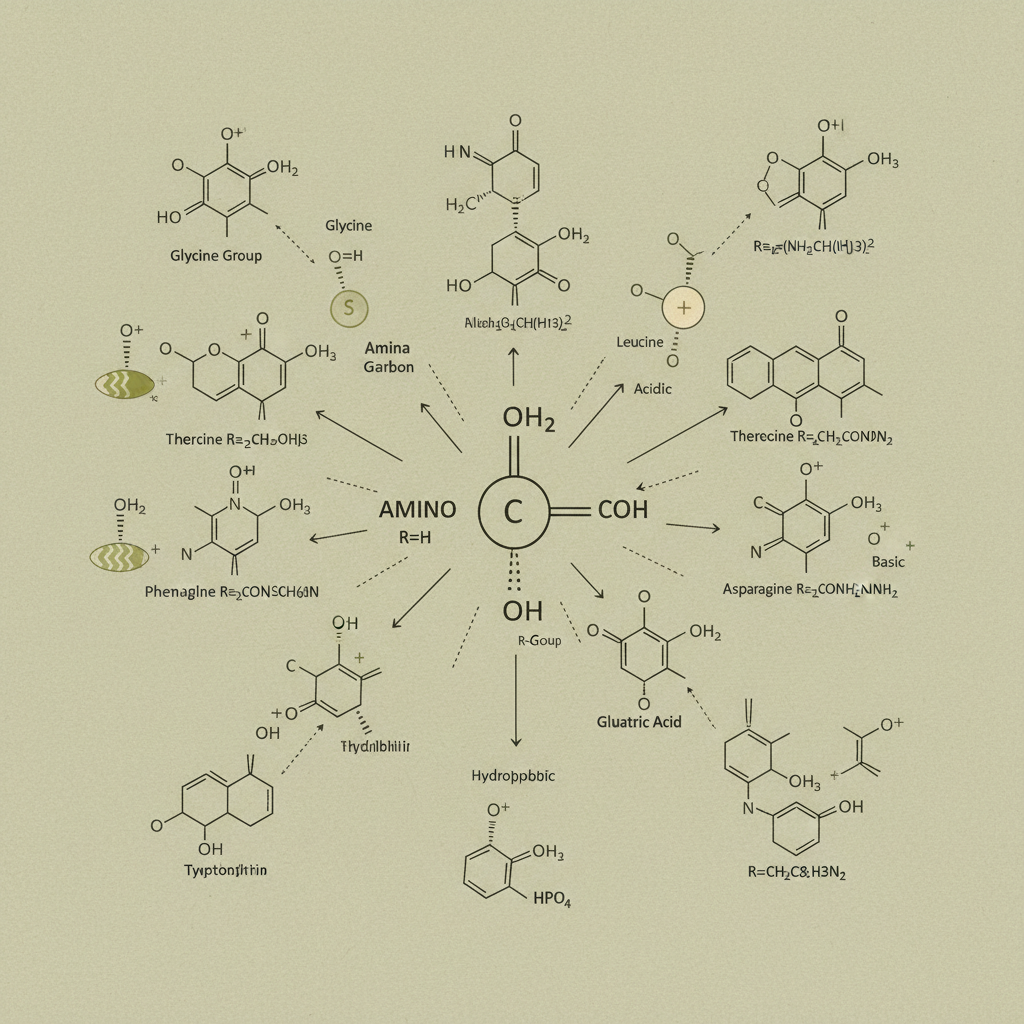
The term 'amino acids' refers to a group of organic molecules, each containing an amino group (-NH2), a carboxyl group (-COOH), and a side chain (R group) unique to each amino acid. These building blocks are essential for constructing proteins, the workhorses of cells, performing functions as diverse as catalyzing reactions, transporting molecules, and providing structural support. the amino acids are critical for all life forms.
There are twenty standard amino acids used by the genetic code to build proteins. Nine of these are considered 'essential' amino acids, meaning the human body cannot synthesize them and must obtain them through diet. Deficiencies in essential amino acids can lead to a range of health problems, highlighting their importance in nutritional science and food security.
Global Significance and Industry Landscape
The global amino acids market is a multi-billion dollar industry, driven by increasing demand from the food and feed sectors. According to recent reports, the market is projected to continue growing at a significant rate, fueled by rising incomes in developing countries and a greater emphasis on animal protein consumption. This growth necessitates efficient and sustainable production methods.
The ISO standards for amino acid purity and quality are crucial for ensuring the safety and efficacy of products used in pharmaceuticals and food applications. Regulatory bodies worldwide, like the FDA in the US and EFSA in Europe, enforce strict guidelines for amino acid production and use. These regulations play a critical role in maintaining consumer trust and promoting responsible industry practices.
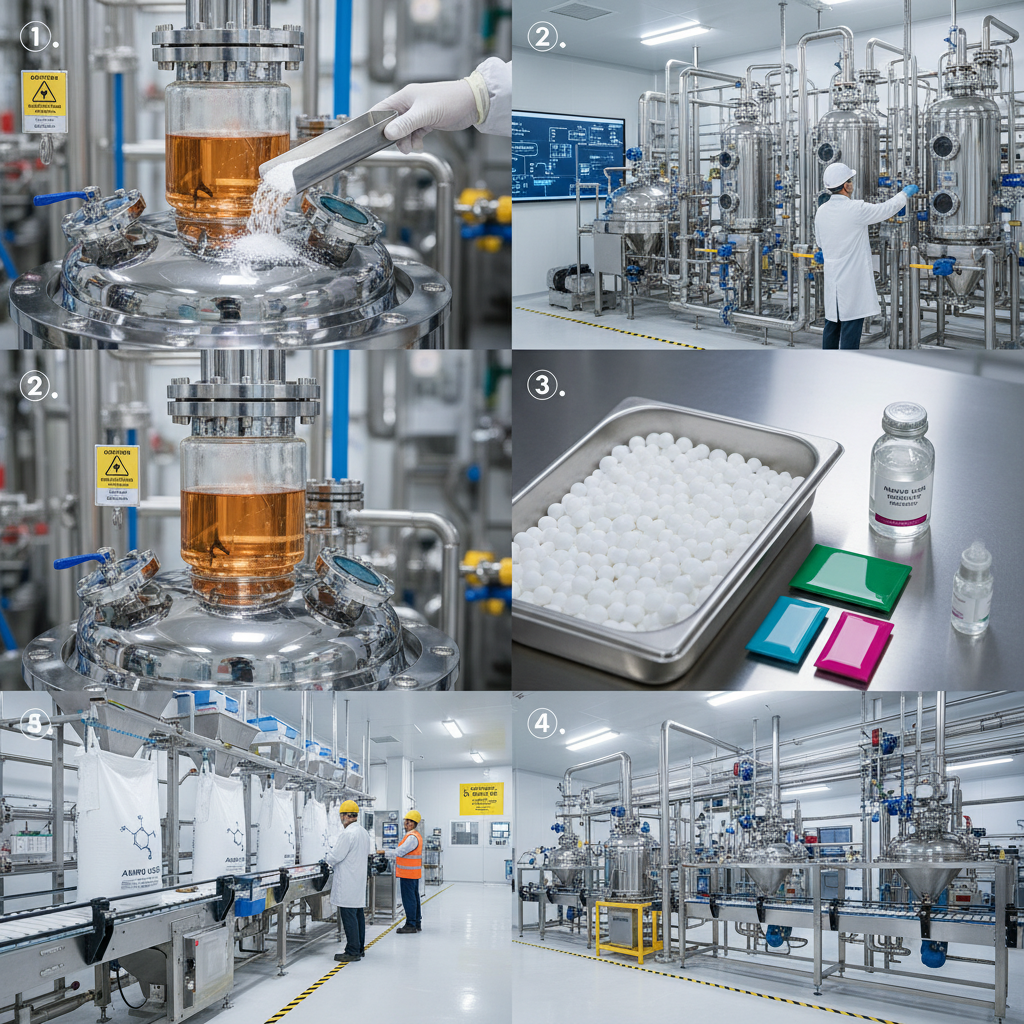
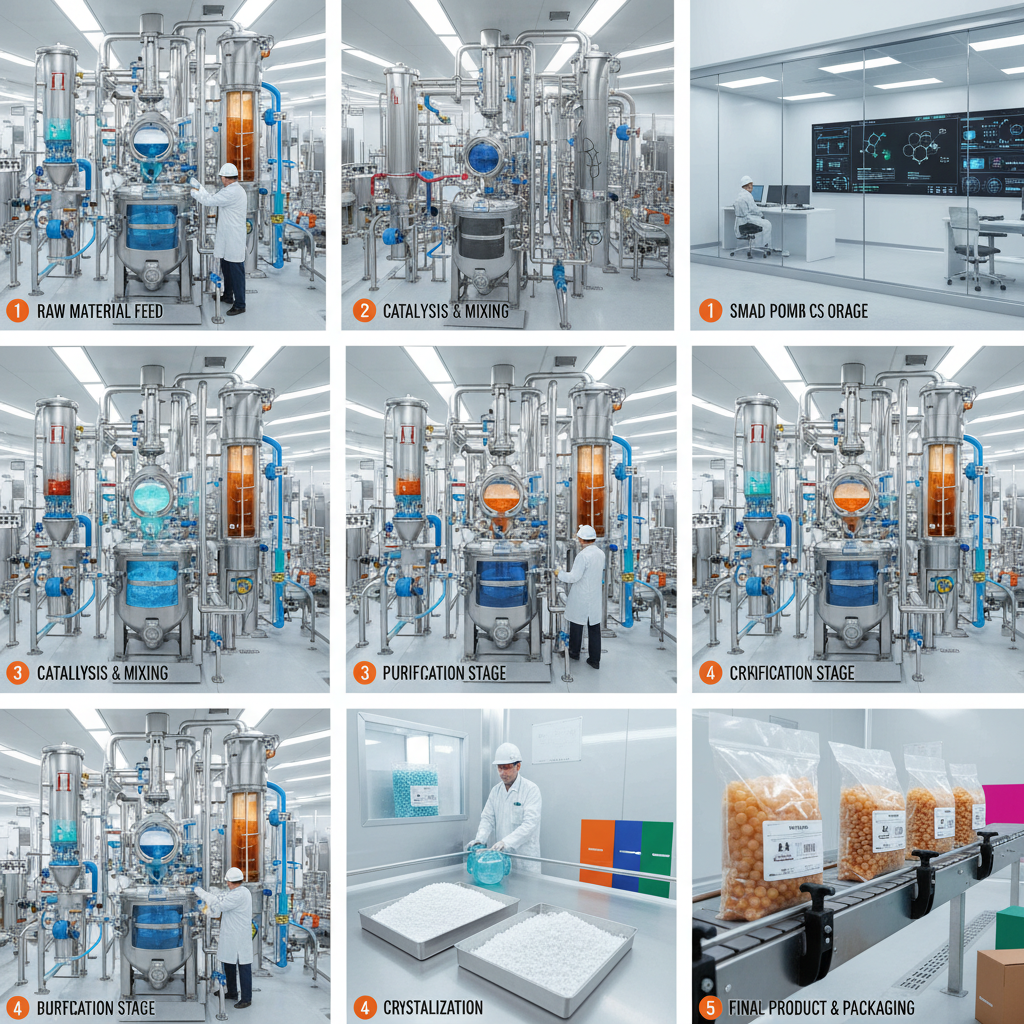
A key challenge facing the industry is reducing the environmental footprint of amino acid production. Traditional fermentation processes can be energy-intensive and generate significant waste. Therefore, innovation in biotechnology and process optimization is crucial to meet the increasing demand for the amino acids in a sustainable manner.
Defining the Amino Acids: A Chemical Perspective
From a chemical standpoint, the amino acids are organic compounds characterized by their unique molecular structure. Each amino acid features a central carbon atom bonded to an amino group, a carboxyl group, a hydrogen atom, and a distinctive side chain – the R group. It’s the diversity of these R groups that imparts each amino acid its specific chemical properties.
The R groups can vary in size, shape, charge, and reactivity, influencing how the amino acid interacts with other molecules. This leads to different amino acids exhibiting hydrophilic (water-loving) or hydrophobic (water-fearing) characteristics, impacting their roles in protein folding and function. The chirality, or "handedness," of amino acids is also significant; naturally occurring amino acids are typically L-isomers.
The connection between amino acids and modern industry lies in their versatility as chemical building blocks. Beyond protein synthesis, they're used to create biodegradable polymers, chiral catalysts, and specialized chemical intermediates. Understanding the chemical properties of the amino acids unlocks their potential for numerous innovative applications.
Key Characteristics of the Amino Acids
One key characteristic is their amphoteric nature – meaning they can act as both acids and bases. This is due to the presence of both amino and carboxyl groups, allowing them to accept or donate protons depending on the pH of their environment. This property is crucial for maintaining pH balance within biological systems.
Another defining aspect is their ability to form peptide bonds. During protein synthesis, amino acids link together via peptide bonds, creating long chains that fold into complex three-dimensional structures. These structures determine the protein's function.
Amino Acid Production Methods – Efficiency Ratings
Global Applications of the Amino Acids
In the pharmaceutical industry, the amino acids are utilized in intravenous nutrition solutions for patients unable to receive adequate nourishment orally. They also serve as key components in drugs targeting various conditions, including metabolic disorders and neurological diseases. the amino acids are commonly found as ingredients in these drugs.
Within the agricultural sector, amino acids are used as biostimulants, promoting plant growth, enhancing nutrient uptake, and improving stress tolerance. In animal feed, they are crucial for optimizing growth performance and improving feed efficiency, reducing the environmental impact of livestock production.
Advantages and Long-Term Value of the Amino Acids
The use of the amino acids provides significant cost benefits, particularly in animal feed, as optimizing amino acid profiles reduces the need for expensive protein sources. From a sustainability perspective, bio-based production methods minimize reliance on fossil fuels and reduce greenhouse gas emissions.
The social impact is profound, with amino acid supplementation addressing malnutrition in vulnerable populations and improving overall health outcomes. The reliability of supply is enhanced through diversified sourcing and robust production chains, ensuring consistent availability for critical applications.
Future Trends and Innovations in Amino Acid Technology
Emerging technologies, such as precision fermentation and synthetic biology, promise to revolutionize amino acid production, offering higher yields, reduced costs, and greater sustainability. Developments in metabolic engineering are enabling the creation of microbial strains capable of producing rare and specialized amino acids.
The integration of digital transformation tools, like AI-powered process control and blockchain-based supply chain tracking, will improve efficiency, transparency, and traceability. Furthermore, the growing demand for personalized nutrition is driving research into amino acid profiling and customized supplementation strategies.
Automation in production facilities is also on the rise, reducing labor costs and increasing output. These innovations, coupled with a focus on green chemistry principles, will pave the way for a more sustainable and efficient amino acid industry.
Table: Comparative Analysis of Amino Acid Production Technologies
| Production Method |
Environmental Impact |
Production Cost |
Scalability Potential |
| Fermentation (Traditional) |
Moderate |
Medium |
High |
| Chemical Synthesis |
High |
Low |
Medium |
| Precision Fermentation |
Low |
High |
High |
| Biocatalysis |
Low |
Medium |
Medium |
| Plant-Based Extraction |
Low-Moderate |
Medium-High |
Low-Medium |
| Synthetic Biology |
Very Low |
Potentially Very Low |
Very High |
FAQS
Essential amino acids cannot be synthesized by the human body and must be obtained through diet, while non-essential amino acids can be produced internally. This distinction is vital for maintaining optimal health, as deficiencies in essential amino acids can lead to various health problems. Ensuring adequate intake of all amino acids is critical for protein synthesis and overall bodily function.
Traditional amino acid production methods, such as fermentation, can have environmental impacts due to energy consumption and waste generation. However, innovations like precision fermentation and biocatalysis are offering more sustainable alternatives with reduced carbon footprints and waste streams. Responsible sourcing and efficient production processes are essential to minimize environmental harm.
Stringent regulations, enforced by bodies like the FDA and EFSA, govern the use of the amino acids in food and pharmaceutical applications. These regulations cover purity standards, safety assessments, and labeling requirements. Compliance with these regulations is crucial to ensure consumer safety and maintain product quality.
Yes, amino acids are increasingly used as biostimulants in agriculture to enhance plant growth, improve nutrient uptake, and increase stress tolerance. They can also contribute to higher crop yields and improved quality. This application aligns with sustainable agriculture practices by reducing the need for synthetic fertilizers.
Amino acids are essential components of animal feed, playing a vital role in growth, development, and overall health. Optimizing amino acid profiles in feed reduces the need for expensive protein sources and improves feed efficiency, leading to cost savings and reduced environmental impact.
Recent innovations include precision fermentation, synthetic biology, and metabolic engineering, all aimed at improving amino acid production efficiency and sustainability. These technologies offer the potential to produce rare amino acids, reduce costs, and minimize environmental impact. Further research and development in these areas are crucial for meeting the growing global demand.
Conclusion
In conclusion, the amino acids represent a cornerstone of life, underpinning countless biological processes and playing an increasingly vital role in industries ranging from pharmaceuticals and agriculture to food production and biotechnology. Their inherent properties and diverse applications, coupled with ongoing innovations, position them as a critical element in addressing global challenges related to health, nutrition, and sustainability.
Looking forward, continued investment in research and development, alongside a commitment to sustainable production practices, will unlock the full potential of the amino acids. We encourage you to explore the possibilities of the amino acids with us. Visit our website at www.hbfuyangbio.com to learn more about our products and solutions.