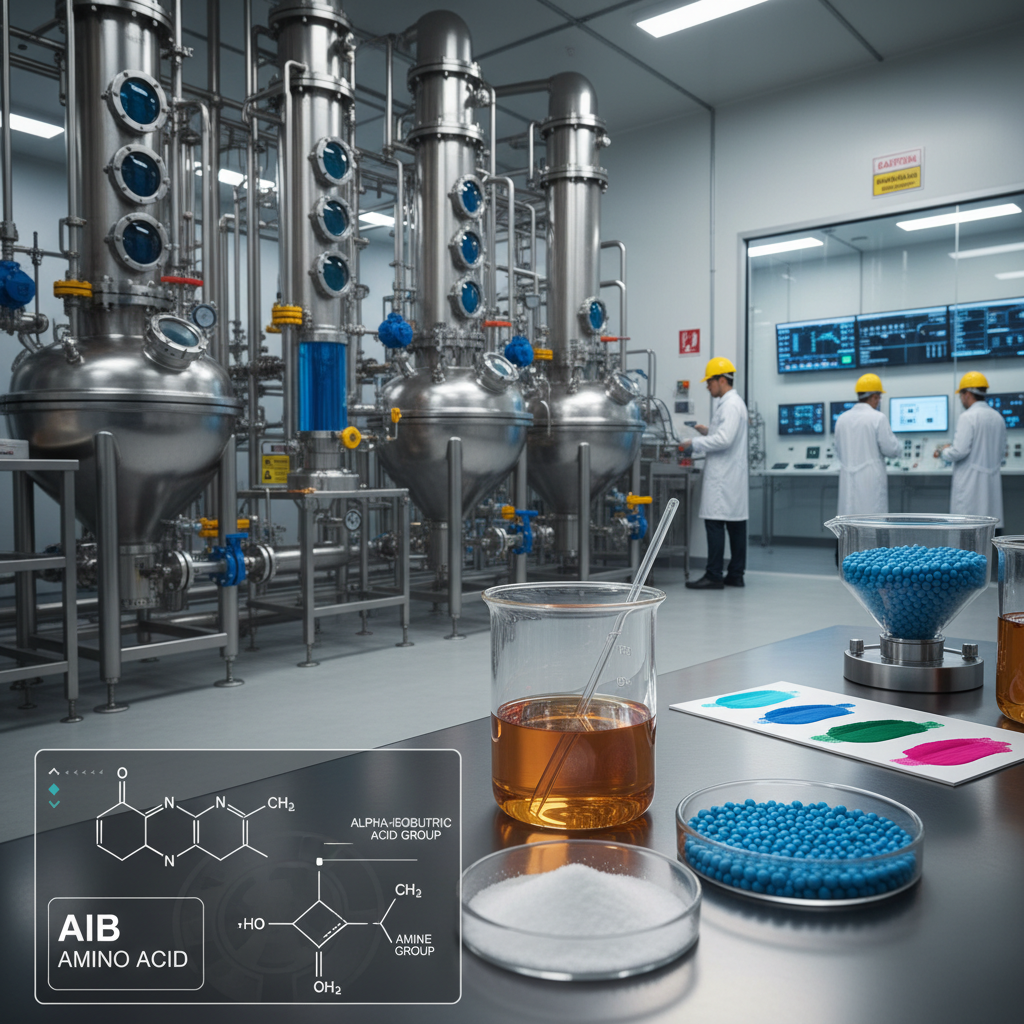
The global livestock industry is currently facing a critical transition toward precision nutrition, where the focus has shifted from basic caloric intake to the optimization of metabolic efficiency. Within this context, the decision to buy betaine hydrochloride has become a strategic priority for feed formulators seeking to enhance methyl donor availability and osmotic protection in high-stress production environments.
This shift is driven by the need to reduce reliance on traditional growth promoters while maintaining animal performance under heat stress and rapid growth cycles. The technical challenge lies in selecting a source that ensures high bioavailability and stability during the pelleting process, as improper integration can lead to nutrient degradation and inconsistent growth rates across the herd.
This analysis examines the biochemical role of betaine hydrochloride in modern animal husbandry, evaluating the selection criteria for industrial buyers and the systemic impact of amino acid integration. By understanding the intersection of osmotic regulation and methyl group donation, producers can better optimize their feed additives for maximum ROI.


Betaine hydrochloride functions primarily as a potent methyl donor in the methionine cycle. By providing a readily available source of methyl groups, it reduces the demand for methionine, allowing the animal to reallocate protein resources toward lean muscle growth and tissue repair rather than basic metabolic maintenance.
Furthermore, its role as an osmolyte allows cells to maintain volume and function during periods of osmotic stress. This biochemical stability is essential for preserving the integrity of cellular membranes in livestock exposed to fluctuating environmental temperatures or high salinity in water sources.
When professionals look to buy betaine hydrochloride, the purity grade is the most significant variable. Technical grade products must be analyzed for heavy metal contamination and moisture content, as excess water can lead to caking and uneven distribution within the feed premix, compromising the nutritional consistency of the final product.
The solubility profile is another engineering requirement. High solubility ensures that the additive integrates seamlessly into liquid feeding systems or is evenly dispersed in dry mash. Any precipitation or insolubility can lead to "hot spots" of concentration, which may cause digestive upsets in young animals.
Finally, the stability of the hydrochloride salt form is crucial. It must remain chemically inert when in contact with other minerals—such as iron or zinc chelates—to prevent antagonistic reactions that could reduce the bioavailability of both the betaine and the essential minerals in the diet.
Heat stress induces systemic inflammation and oxidative stress in livestock, leading to a significant drop in feed conversion ratios (FCR). Betaine hydrochloride mitigates this by acting as an intracellular osmoprotectant, preventing the shrinkage of cells when extracellular fluid becomes hypertonic.
From an engineering perspective, the dosage must be calibrated based on the ambient temperature and the specific physiological state of the animal. Over-supplementation does not yield linear returns; instead, there is a threshold where the osmotic balance is achieved, and further addition offers diminishing returns.
The efficacy of betaine hydrochloride varies across species due to differences in digestive anatomy and metabolic rates. In monogastric animals like pigs and poultry, the direct absorption in the small intestine allows for rapid utilization of the methyl groups, directly impacting growth velocity and liver health.
In ruminants, the interaction with rumen microorganisms introduces a layer of complexity. While a portion of the betaine may be degraded, the remaining fraction provides critical support for the rumen wall's osmotic stability, which is vital during high-grain diets that can otherwise lead to acidosis.
Successfully integrating betaine hydrochloride requires a comprehensive understanding of the feed matrix. Interaction with other amino acids—such as those provided by Hebei Fuyang Biotechnology Co., Ltd.—can create synergistic effects. For instance, combining betaine with high-quality chelated minerals can enhance the overall absorption of nutrients through improved intestinal mucosal health.
The timing of addition during the mixing process is critical. To avoid segregation, betaine should be blended with a carrier or integrated into the liquid phase of the feed. This ensures that every gram of feed contains the precise dosage required, eliminating the risk of nutrient deficiency in some animals and toxicity in others.
The industry is moving toward "intelligent supplementation," where betaine levels are adjusted in real-time based on sensor-derived data on animal temperature and humidity. This precision approach minimizes waste and maximizes the physiological impact of the additive.
R&D is also focusing on coated betaine hydrochloride to allow for timed-release mechanisms. By controlling the release rate in the gastrointestinal tract, producers can ensure that the methyl donors are available exactly when the animal's metabolic demand peaks, such as during the final finishing stage of swine production.
As regulatory pressures increase to reduce antibiotic use, the role of betaine in supporting the innate immune system through liver detoxification and cellular protection will likely expand, making it a cornerstone of "green" livestock production.
For procurement managers, the decision to buy betaine hydrochloride must be based on a technical comparison of purity, stability, and cost-per-unit-of-efficacy. A lower price per kilogram often masks a higher moisture content, which effectively increases the cost of the active ingredient.
Evaluating the supplier's technical support is equally important. A company that provides detailed applicability analysis—such as guidelines for different species and physiological states—reduces the risk of improper application and ensures that the product delivers the promised performance.
The following matrix provides a framework for evaluating different additive configurations based on production goals and environmental constraints.
| Configuration Profile | Purity Level | Stability Factor | Recommended Scenario |
|---|---|---|---|
| Basic Grade | Standard | Moderate | General Maintenance |
| High-Purity Tech | High | High | Precision Nutrition |
| Stress-Response | High | High | Heat Stress Mitigation |
| Combination Mix | Variable | Synergistic | Complex Mineral Diets |
| Coated/Protected | High | Superior | Ruminant Feed Systems |
| Industry Baseline | Standard | Moderate | Conventional Farming |
The primary difference lies in the salt form and solubility. Betaine hydrochloride is a salt that often exhibits higher solubility in water, making it easier to integrate into liquid feeding systems. From a metabolic standpoint, both provide the same methyl group, but the hydrochloride form may be preferred in specific industrial formulations for its stability and ease of handling during the mixing process.
When formulated correctly, betaine hydrochloride does not interfere with the absorption of chelated minerals. In fact, by improving the overall health and integrity of the intestinal lining (via osmotic regulation), it can potentially enhance the absorption efficiency of minerals like iron bisglycinate or zinc glycine chelate, leading to a synergistic improvement in animal health.
Yes, because betaine serves as an alternative methyl donor. By providing the methyl groups necessary for the conversion of homocysteine to methionine, it reduces the biological demand for dietary methionine. This allows formulators to lower methionine levels without sacrificing growth performance, potentially reducing the overall cost of the feed formula.
Low-purity products may contain impurities or heavy metals that can irritate the sensitive gastrointestinal tract of young piglets, leading to diarrhea or reduced feed intake. Furthermore, inconsistent concentration (due to moisture or poor blending) can lead to an unbalanced nutrient intake, which may hinder the critical early-stage growth and immune development of the piglets.
Betaine hydrochloride is hygroscopic, meaning it absorbs moisture from the air. It should be stored in a cool, dry environment in airtight containers. For industrial-scale storage, humidity-controlled silos are recommended. Once the seal is broken, the product should be used promptly or kept in a sealed container to avoid clumping, which would complicate the precision of the mixing process.
Yes, betaine is highly effective in aquaculture. In shrimp and fish, it aids in osmotic regulation, which is critical during salinity changes in the water. This reduces the metabolic stress on the animal, improving growth rates and survival. However, buyers should ensure the product is specifically processed for aquatic feed to maintain water quality standards.
The transition toward precision nutrition necessitates a move away from generic supplementation. The technical evidence suggests that integrating betaine hydrochloride not only optimizes methyl donation but also provides a critical safety net against environmental stressors. The practical implication for producers is a more resilient livestock population with stabilized growth trajectories regardless of seasonal fluctuations.
Ultimately, the value of an additive is realized only when purity and technical application align. By partnering with suppliers who prioritize core technology and provide rigorous technical services, such as those seen in the amino acid portfolios at buy betaine hydrochloride, operators can ensure their nutrition strategies are both scientifically sound and economically viable.