Regional Analysis
Slovakia's Animal Nutrition Landscape
Analyzing the intersection of agricultural tradition and modern biochemical requirements in the Slovak market.
Slovakia possesses a robust agricultural foundation with a strong focus on swine and poultry production. The local industry is characterized by a mix of large-scale commercial farms and traditional family-operated holdings. As a member of the European Union, Slovakia adheres to stringent guidelines regarding feed safety and animal welfare, creating a high demand for purity and transparency in the supply of chemical raw materials. The geographic positioning in Central Europe makes it a strategic hub for feed distribution, but also exposes livestock to specific seasonal climatic stressors that demand precise nutritional interventions.
Current market trends show a decisive shift away from antibiotic growth promoters (AGPs) toward biological alternatives. There is an increasing demand for specialized amino acids and organic mineral chelates that can maintain growth rates while reducing the environmental footprint. The adoption of precision feeding—where nutrients are tailored to the specific life stage of the animal—is accelerating. This shift is driven by the need to reduce nitrogen and phosphorus runoff, aligning with the EU Green Deal, and a growing consumer preference for sustainably raised animal proteins.
The primary opportunity for Slovak feed manufacturers lies in the integration of high-bioavailability additives like premier hcl betaine hydrochloride to combat metabolic stress. However, constraints remain in the form of high energy costs and the need for more intelligent supply chain logistics. The outlook remains positive, as the integration of biotechnology into traditional farming is expected to drive a new era of "green productivity," where animal health is maintained through biochemical precision rather than pharmaceutical intervention.
Technological Path
The Evolution of Feed Additive Science
From basic supplementation to targeted biochemical delivery systems.
Early Phase
Basic Supplementation
The industry relied on crude mineral salts and basic amino acid mixtures. While effective for preventing deficiency, these lacked precision and often resulted in low absorption and high environmental waste.
Growth Phase
Bio-availability Shift
The introduction of chelated minerals and stabilized betaine forms. This period marked the transition toward enhancing how animals actually utilize nutrients, focusing on metabolic efficiency.
Current Phase
Precision Biotechnology
Implementation of nano-selenium, specialized coatings, and customized amino acid profiles. Nutrition is now treated as a technical service to optimize health, immunity, and environmental sustainability.
From Quantity to Bio-Efficiency
The focus has shifted from simply adding more nutrients to ensuring the maximum percentage of those nutrients reach the target tissue. This is achieved through the use of organic chelates that bypass common intestinal blockers.
Metabolic Stress Management
Modern additives are no longer just about growth; they are about resilience. Betaine and other osmolytes are now essential for maintaining cellular integrity during extreme weather shifts in Central Europe.
Eco-Friendly Nutrient Delivery
Reducing the "nitrogen footprint" of livestock is a priority. By optimizing the ratio of essential amino acids, producers can reduce waste without compromising the growth rate of the animal.
Future Outlook
Emerging Trends in Animal Biochemistry
The next generation of feed additives is defined by stability, purity, and biological intelligence.
Nano-Mineral Integration
The transition toward nano-scale minerals increases surface area and reactivity, allowing for lower inclusion rates while achieving superior physiological results in immune support.
Osmotic Stress Mitigation
Using specialized betaine plus formulations to protect livestock from cellular dehydration during heat waves, ensuring stable productivity throughout the summer.
Controlled-Release Delivery
The development of coating technologies for amino acids prevents premature degradation and ensures a steady supply of nutrients, reducing the frequency of feed adjustments.
Synergistic Chelates
Combining multiple amino acids with specific mineral ions to create synergy, enhancing not just growth but also skin, hoof, and feather quality in livestock.
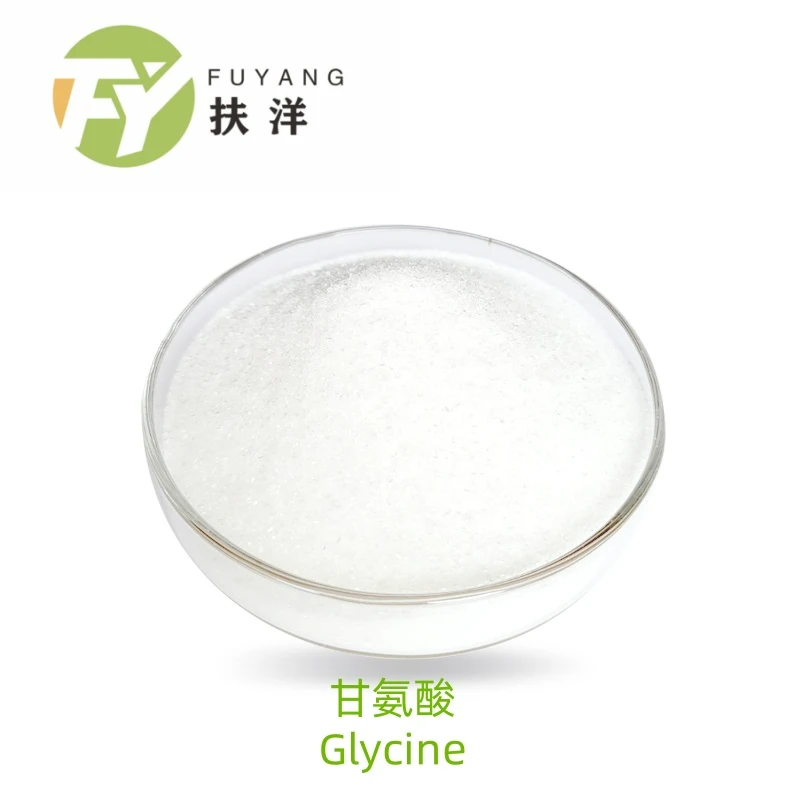
The convergence of nutritional science and data-driven farming is leading toward "biological precision." This means that the role of chemical additives is evolving from simple nutrition to systemic health management. By focusing on the bioavailability of components like betaine and glycine, producers can effectively lower the total input of raw materials while increasing the output of high-quality animal protein, directly supporting the economic viability of European farms.
Furthermore, the industry is seeing a rise in "green chemistry," where the manufacturing processes of these additives are optimized to reduce carbon emissions. This alignment with environmental goals is no longer optional but a requirement for market access in Slovakia and the broader EU. The future lies in additives that provide maximum physiological benefit with minimum environmental residue, creating a sustainable loop between the lab and the farm.
Application Guide
Practical Implementation in Slovakia
How our technical solutions are applied across diverse agricultural settings.
01
Intensive Pig Farming in Western Slovakia
In high-density swine operations, maintaining osmotic balance during summer heat is critical. By integrating betaine hydrochloride into the feed, operators reduce the incidence of heat-induced lethargy and weight loss, ensuring that pigs maintain a steady growth curve despite temperature spikes.
02
Commercial Poultry Production in the Danubian Lowland
Poultry producers face challenges with feather quality and immune resilience. The application of zinc and manganese glycine chelates improves skin and feather integrity while boosting the innate immune response, leading to lower mortality rates in broiler flocks.
03
Small-Scale Organic Livestock Operations
For farmers transitioning to organic or low-chemical models, the use of nano-selenium and organic amino acids provides a biological alternative to traditional growth promoters, maintaining productivity while meeting organic certification standards.
04
Industrial Feed Mill Formulation in Bratislava
Large-scale mills requiring extreme stability during pelleting use our coated guanidine acetic acid. This prevents the nutrient from breaking down under high steam pressure, ensuring that the final feed product delivered to farmers retains its full biological potency.
05
Dairy Cattle Health Management in Northern Highlands
In cooler, mountainous regions, maintaining mineral balance for high-yielding dairy cows is key. Iron and copper betaine chelates are used to prevent anemia and support metabolic health, ensuring consistent milk production and better calf vitality.
Evidence of Impact
Representative Use Case Perspectives
Illustrative outcomes from the application of precision amino acid and betaine solutions.
The implementation of chelated minerals significantly reduced our reliance on generic mineral salts. We observed a noticeable improvement in the uniformity of our broiler flocks, with a higher percentage of birds reaching target weight on schedule.
By switching to a high-purity betaine hydrochloride, we managed to mitigate the production dips typically seen during the summer months. The osmotic protection provided a visible safeguard for our swine herds during peak heat.
The technical support provided for the formulation of our amino acid profiles allowed us to optimize costs without sacrificing growth. The transition to coated products solved our long-standing stability issues during pelleting.
About the Company
Hebei Fuyang Biotechnology Co., Ltd.
Driven by core technology and committed to serving global trade through biochemical innovation.
Establishment
Founding with a Vision of Innovation
Since its establishment, Hebei Fuyang Biotechnology has adhered to the purpose of "mastering core technology and serving global trade," focusing on becoming a leader in the technical services field of amino acids.
Technology Development
Development of Core Intellectual Property
The company developed independent intellectual property rights for its core technologies, expanding its portfolio to include specialized chelates like iron, zinc, and manganese betaine/glycine chelates.
Global Expansion
Establishing a Global Network
Fuyang Biology has built a wide international network of partners, evolving from a product supplier into a comprehensive enterprise providing product design, technical solutions, and supply chain management.
Future Vision
Commitment to Green Solutions
Looking forward, the company continues to deepen technological innovation to provide more efficient, intelligent, and green solutions, promoting the high-quality development of the global additive trade.

Technical Q&A
Frequently Asked Questions
Detailed answers to common queries regarding amino acid additives and their application.
What are the primary differences between various types of amino acids in animal feed?
Amino acids are categorized into essential and non-essential. Essential amino acids must be provided in the diet because the animal cannot synthesize them. The primary difference lies in their metabolic role: some, like lysine, are critical for protein synthesis and muscle growth, while others, like betaine, act as methyl donors and osmolytes. Choosing the right type depends on the animal species and the specific production goal, such as maximizing lean mass or improving heat tolerance.
How does betaine hydrochloride specifically improve health benefits in livestock?
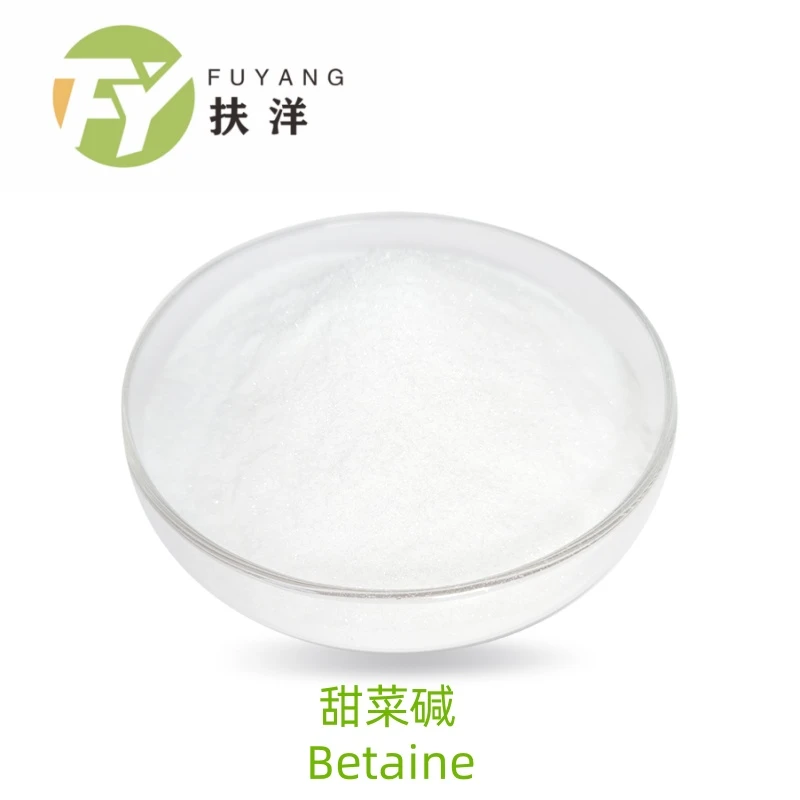
Betaine hydrochloride works primarily as an osmoprotectant. It helps maintain the water balance within cells, preventing cellular dehydration during heat stress. Additionally, it supports liver function by facilitating the conversion of homocysteine to methionine, which reduces fat accumulation in the liver and improves overall metabolic efficiency. This leads to better feed conversion ratios and more resilient animals in challenging environments.
Are these amino acid chelates compatible with standard European feed manufacturing processes?
Yes, our chelates are designed for industrial compatibility. However, stability can vary depending on the pelleting temperature and pressure. For processes involving extreme heat, we recommend our coated products (such as coated guanidine acetic acid), which are specifically engineered to withstand the mechanical and thermal stresses of the extruder, ensuring that the active ingredients remain bio-available in the final feed.
What is the typical investment cost for switching from inorganic minerals to amino acid chelates?
While the unit price of chelates is higher than inorganic salts, the total investment is often offset by the reduced inclusion rate. Because chelates have higher bioavailability, you can use lower doses to achieve the same or better physiological results. The "investment" should be viewed in terms of the Feed Conversion Ratio (FCR) and growth performance, where the increase in yield typically exceeds the additional cost of the additive.
How should I select the right amino acid additive for my specific livestock in Slovakia?
Selection should be based on a three-step analysis: first, identify the primary stressor (e.g., heat, disease, or slow growth); second, evaluate the current raw material profile of your feed; and third, determine the target outcome (e.g., weight gain or immunity). For example, if heat stress is the main issue in Western Slovakia, betaine is the priority. For immune support and feather/skin quality, zinc and manganese chelates are most effective.
What is the next step for implementing these solutions in my production cycle?
The first step is a technical consultation to align your nutritional goals with our product capabilities. We typically recommend a pilot phase where a specific additive is introduced to a small control group to measure the actual impact on FCR and animal health. Following this, we provide a full technical solution including the exact dosage, mixing protocols, and supply chain logistics to ensure a seamless transition to the new formulation.
Ready to Optimize
Enhance Your Livestock Productivity with Precision Biochemistry
Whether you are a feed mill operator or a large-scale farm manager in Slovakia, our technical experts can help you design a nutrition strategy that maximizes growth and resilience. Contact Hebei Fuyang Biotechnology today to discuss your specific requirements and receive a tailored technical solution for your amino acid needs.
Discuss Your Requirements