
Regional Analysis
The Landscape of Feed Additives in Kenya
Analyzing the intersection of livestock demand and biochemical supply in East Africa.
Kenya serves as a pivotal hub for livestock production in East Africa, with a strong emphasis on dairy and poultry sectors. The market is characterized by a transition from traditional grazing to more intensive feeding systems. However, the availability of high-quality, specialized biochemicals has historically been limited, forcing many producers to rely on general-purpose additives that do not address specific metabolic needs. As the industry matures, there is an increasing demand for technical-grade supplements that can improve the conversion ratio of local feed ingredients.
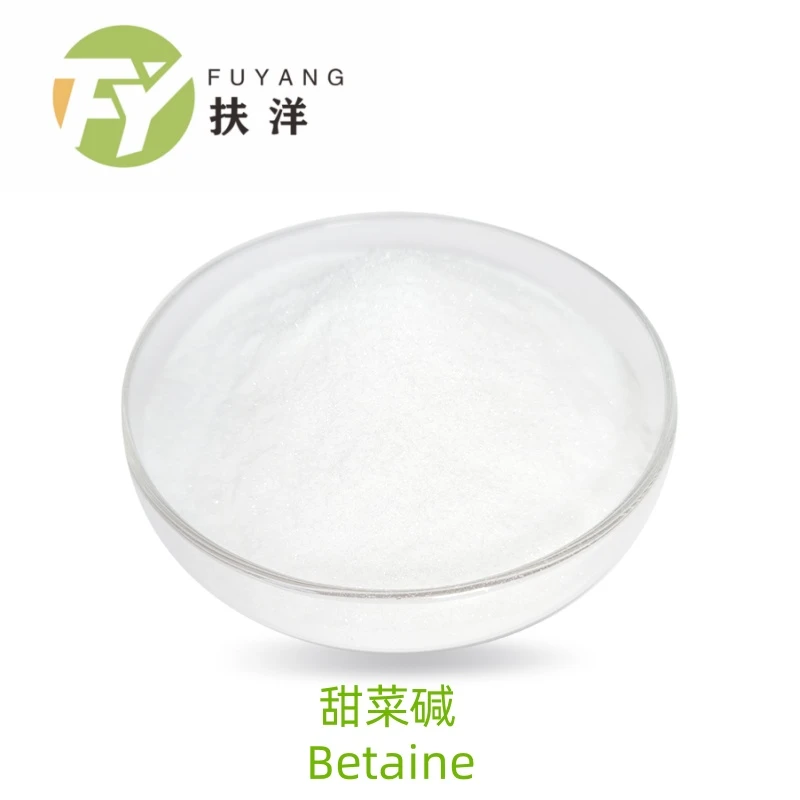
Current trends indicate a shift toward "Precision Nutrition," where the focus is moving away from total protein volume toward the balance of specific types of amino acids. The integration of betaine and amino acid chelates is gaining traction as farmers seek to reduce the impact of environmental stressors. This shift is driven by a growing awareness of the betaine hcl health benefits, particularly in maintaining cellular osmotic pressure during the hot Kenyan dry seasons, which directly correlates to stable animal weights.
Looking forward, the Kenyan market faces both constraints and opportunities. While logistics and import duties remain challenges, the move toward sustainable farming presents a significant opening for green biochemical solutions. Producers who adopt intelligent, low-waste nutrition strategies will likely achieve a competitive advantage in cost-per-kilogram of meat or liter of milk produced. The future lies in the adoption of highly stable, coated additives that ensure consistency across varied storage conditions prevalent in regional warehouses.
Industry Progress
The Evolution of Feed Supplementation
From basic mineral salts to advanced molecular chelates.
Early Phase
Basic Supplementation
Focus was primarily on preventing acute deficiency through inorganic salts. Absorption was low, and nutrient wastage was high, leading to inconsistent growth rates across livestock.
Growth Phase
Synthetic Amino Acids
Introduction of pure amino acids to replace soybean meal. This allowed for more precise protein formulations, reducing feed costs and improving early-stage growth in poultry.
Current Phase
Molecular Chelates
Transition to organic chelates and betaine plus technology. Focus is now on bioavailability, metabolic stress relief, and environmental sustainability.
Bioavailability Optimization
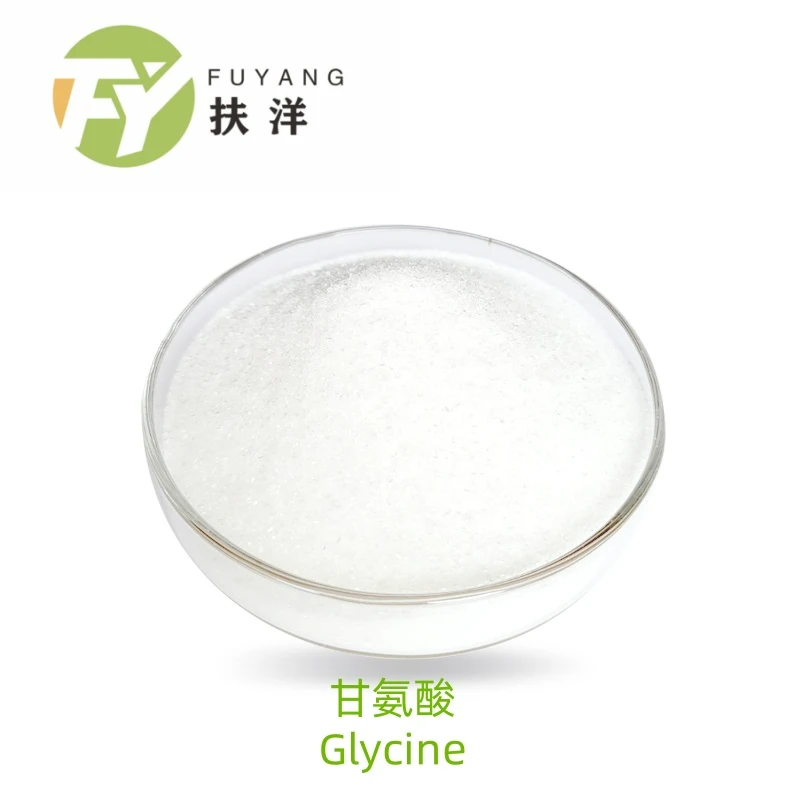
The industry has moved from simply adding nutrients to ensuring they are absorbed. The development of glycine-based chelates represents a leap in bioavailability, as the organic bond prevents minerals from reacting with other feed components.
Stress-Mitigation Nutrition
Modern nutrition now incorporates "functional" additives. Betaine is no longer seen just as a nutrient but as a tool to combat heat stress, making livestock more resilient to climatic shifts in the East African region.
Environmental Footprint Reduction
There is a strong move toward "Low Protein" diets. By precisely supplementing missing amino acids, producers can lower the overall protein content of feed without sacrificing growth, significantly reducing ammonia emissions.
Future Outlook
Global Trends Shaping Kenyan Feed Production
How global biochemical innovations are integrating into local farming.
Nano-Nutrient Delivery
The shift toward nano-selenium and other nano-minerals allows for lower dosage with higher efficacy, reducing the biochemical load on the animal's liver while maximizing growth.
Metabolic Programming
Focusing on the early life stages of livestock to program better metabolic efficiency. High-quality amino acid chelates in starter feeds lead to lifelong productivity gains.
Green Chemistry Compliance
Moving toward additives that are biodegradable and leave zero toxic residue in animal tissues, meeting the strict export standards for Kenyan meat and dairy products.
Digital Feed Formulation
Using AI and real-time data to adjust amino acid levels based on animal growth stages, reducing waste and optimizing the use of supplements like Betaine HCl.
The integration of these trends requires a fundamental shift in how feed is designed. Instead of viewing additives as "insurance" against deficiency, they are now seen as "performance drivers." For instance, the use of glycine chelates does not just prevent mineral deficiency; it actively improves the efficiency of protein synthesis, meaning animals grow faster with less feed. This efficiency is critical in the Kenyan context where raw feed costs can be volatile.
Furthermore, the move toward coated products is solving a major regional pain point: storage stability. High humidity and temperature in certain Kenyan regions often degrade sensitive biochemicals. By employing advanced coating technologies for guanidine acetic acid, the integrity of the additive is preserved from the factory in China to the farm in Kenya, ensuring that the intended nutritional value is delivered without degradation.
Practical Applications
Real-World Implementation in Kenyan Livestock
How our biochemical solutions adapt to specific local farming environments.
01
Poultry Farms in Rift Valley: Combatting Heat Stress
In the high-density poultry farms of the Rift Valley, birds often suffer from respiratory distress during heatwaves. By integrating Betaine HCl into the water and feed, farmers maintain the osmotic balance of the birds' cells. This prevents dehydration and keeps appetite levels stable, ensuring that growth cycles are not interrupted by seasonal temperature spikes.
02
Dairy Cattle in Central Highlands: Improving Milk Yield
Dairy farmers in the highlands often face mineral imbalances despite using traditional salts. Implementing zinc and manganese glycine chelates ensures that these essential minerals are absorbed without competing with calcium. The result is improved hoof health and a steady increase in milk production due to better metabolic support for the udder tissues.
03
Swine Production in Nairobi Outskirts: Feed Cost Reduction
Commercial pig farms near the capital are under pressure to reduce costs. By switching from high-protein soy meal to a balanced diet of corn and a specific mix of synthetic amino acids, operators have lowered their feed costs by replacing expensive protein with precise nutrients. This maintains the same growth rate while significantly reducing the cost per animal.
04
Small-Scale Goat Farming in Semi-Arid Zones: Immune Support
In the drier regions of Kenya, goats are susceptible to parasites and seasonal infections. The addition of nano-selenium to their mineral blocks enhances their antioxidant status. This strengthens the mucosal barriers and immune response, leading to lower mortality rates among kids and better overall herd resilience during the dry season.
05
Feed Mill Integration: Ensuring Product Stability
Regional feed mills struggle with the degradation of additives during the high-temperature pelleting process. By using Fuyang's coated guanidine acetic acid products, the mill ensures that the supplements remain active throughout the manufacturing process, providing the end farmer with a consistent and high-performance feed product.
Performance Evidence
Representative Deployment Scenarios
Illustrative outcomes from the application of precision amino acids in animal husbandry.
In high-temperature poultry environments, the implementation of Betaine HCl as an osmolyte has shown to maintain feed intake levels that otherwise drop significantly. By stabilizing cellular hydration, the animals maintain their growth trajectory even during peak heat, reducing the time to market.
Switching from inorganic mineral salts to glycine chelates in dairy cattle has led to a visible improvement in mineral absorption. The reduction in antagonistic reactions in the rumen allows for better utilization of zinc and copper, which correlates with improved hoof health and milk quality.
The use of purified amino acids to balance protein intake in swine production has allowed for a reduction in crude soy meal reliance. This precision approach lowers nitrogen excretion into the environment while maintaining the lean muscle growth required for commercial viability.
Our Heritage
Hebei Fuyang Biotechnology
Driven by core technology to serve the global livestock trade.
Establishment
Focus on Core Technology
Founded with the purpose of "mastering core technology and serving global trade," the company committed itself to becoming a leader in technical services for the amino acid field, moving beyond simple product supply.
Innovation Phase
Intellectual Property Development
Developed core technologies with independent intellectual property rights, focusing on high-stability chelates and coating products to solve real-world challenges in the animal nutrition industry.
Expansion
Global Network Integration
Built a wide international network of partners, integrating product design, technical solutions, and supply chain management to provide a comprehensive service ecosystem for global customers.
Future Vision
Intelligent & Green Solutions
Continuing to deepen technological innovation and expand service areas, aiming to lead the world in providing more efficient, intelligent, and green biochemical solutions for the high-quality development of global trade.
Expert Support
Frequently Asked Questions about Animal Amino Acids
Clear answers to common technical and commercial queries from livestock producers.
What are the primary types of amino acids used in livestock feed?
Livestock feed typically utilizes a combination of essential and non-essential amino acids. Essential amino acids, such as lysine, methionine, and threonine, cannot be synthesized by the animal and must be provided in the diet. Non-essential amino acids like glycine are still critical, especially when delivered as chelates, to improve mineral absorption and support overall metabolic function. The correct balance of these types is essential for maximizing muscle growth and reducing nitrogen waste.
How does Betaine HCl specifically improve livestock health during heat stress?
Betaine HCl acts as a powerful osmolyte, meaning it helps regulate the water balance within cells. During heat stress, animals lose fluids and electrolytes, which can lead to cellular shrinkage and metabolic failure. Betaine prevents this by maintaining cellular volume and protecting proteins. Additionally, it serves as a methyl donor in the liver, supporting the detoxification process and reducing the physiological load caused by environmental stress, which keeps the animal feeding and growing.
Can these additives be integrated into existing feed mills in Kenya?
Yes, our products are designed for seamless integration into standard feed mixing and pelleting equipment. For additives sensitive to heat, we provide coated versions, such as our coated guanidine acetic acid, which ensures the active ingredients survive the high temperatures of the pellet mill. We provide full technical guidance on mixing sequences and dosage to ensure that the additives are distributed uniformly throughout the feed batch without compromising quality.
What is the difference between a mineral salt and a glycine chelate?
Mineral salts are inorganic and can easily react with other components in the feed (like phytates or oxalates), forming insoluble complexes that the animal cannot absorb. Glycine chelates are organic; the mineral is bonded to the amino acid glycine. This "masks" the mineral, preventing it from reacting and allowing it to be absorbed via amino acid transport pathways in the gut. This results in significantly higher bioavailability and lower excretion rates into the environment.
How do I determine the correct dosage of amino acids for my specific herd?
Dosage depends on the species, age, weight, and the current raw materials used in your base feed. We recommend a comprehensive feed analysis first. Our technical team provides customized solutions based on the "Ideal Protein" concept, where we calculate the ratio of essential amino acids relative to lysine. By analyzing your current feed's nutritional profile, we can provide a precise supplementation plan that maximizes growth while minimizing unnecessary costs.
What is the most cost-effective way to start improving feed quality?
The most effective starting point is usually addressing bioavailability and stress management. Replacing a portion of inorganic minerals with chelates and introducing Betaine HCl during high-temperature seasons often provides the fastest return on investment through improved feed conversion ratios (FCR). We suggest starting with a trial on a small group of animals to measure the weight gain increase relative to the cost of the additives before scaling to the entire operation.
Partner with Experts
Optimize Your Livestock Nutrition Strategy in Kenya
Whether you are a large-scale feed mill or a commercial farm operator in Kenya, achieving precision nutrition is the key to sustainable growth. Our technical team is ready to help you analyze your feed formulations and integrate high-performance amino acids to boost your productivity. Take the next step toward scientific animal husbandry today.
Discuss Your Requirements