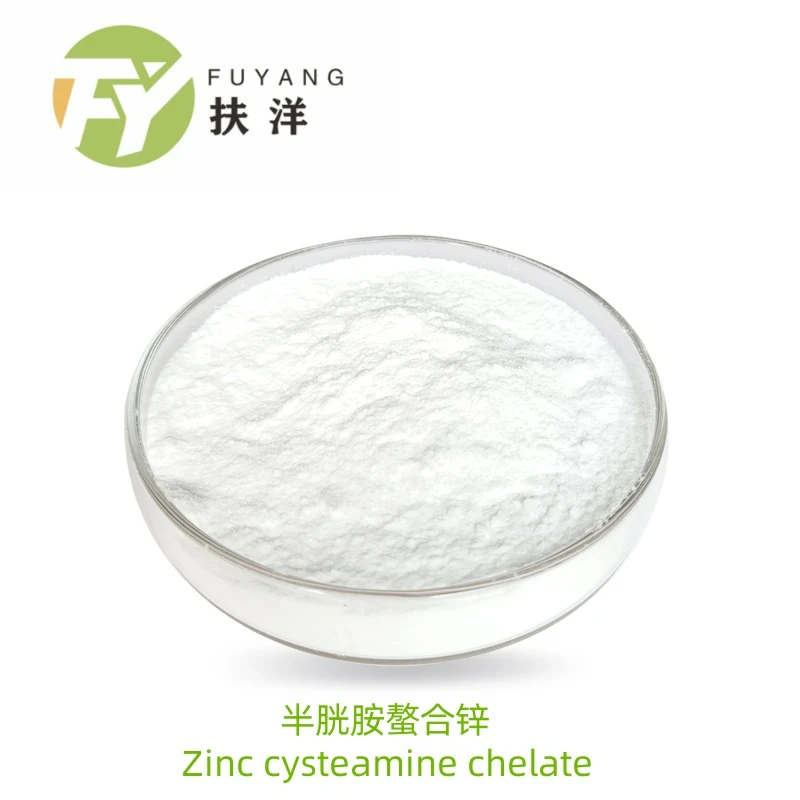

Advanced Feed Grade Amino Acids
Precision-engineered nutritional additives designed to enhance growth rates and metabolic efficiency in livestock.

Magnesium Glycinate
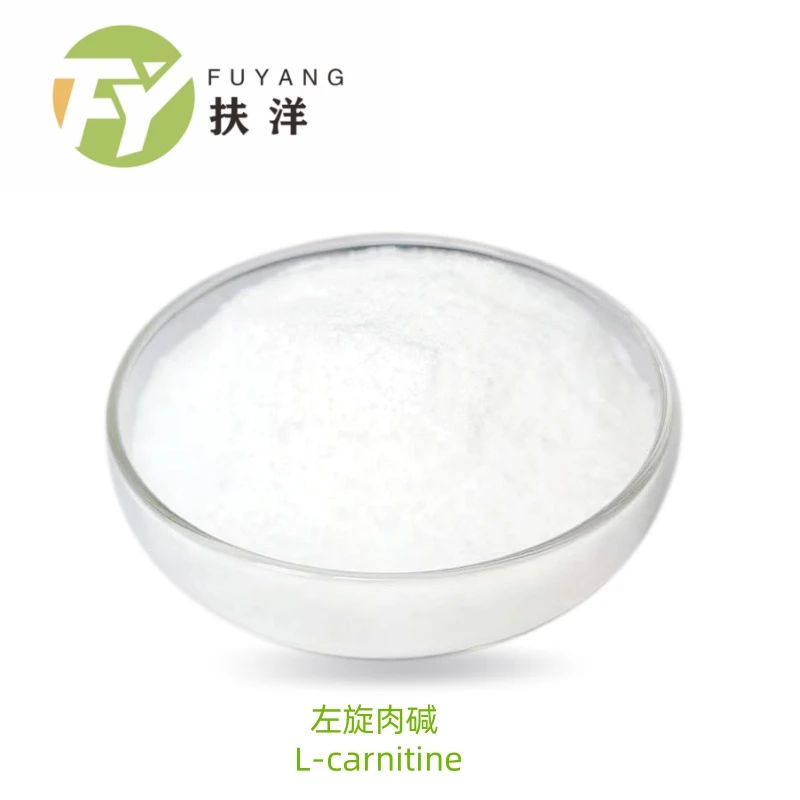
L-Carnitine
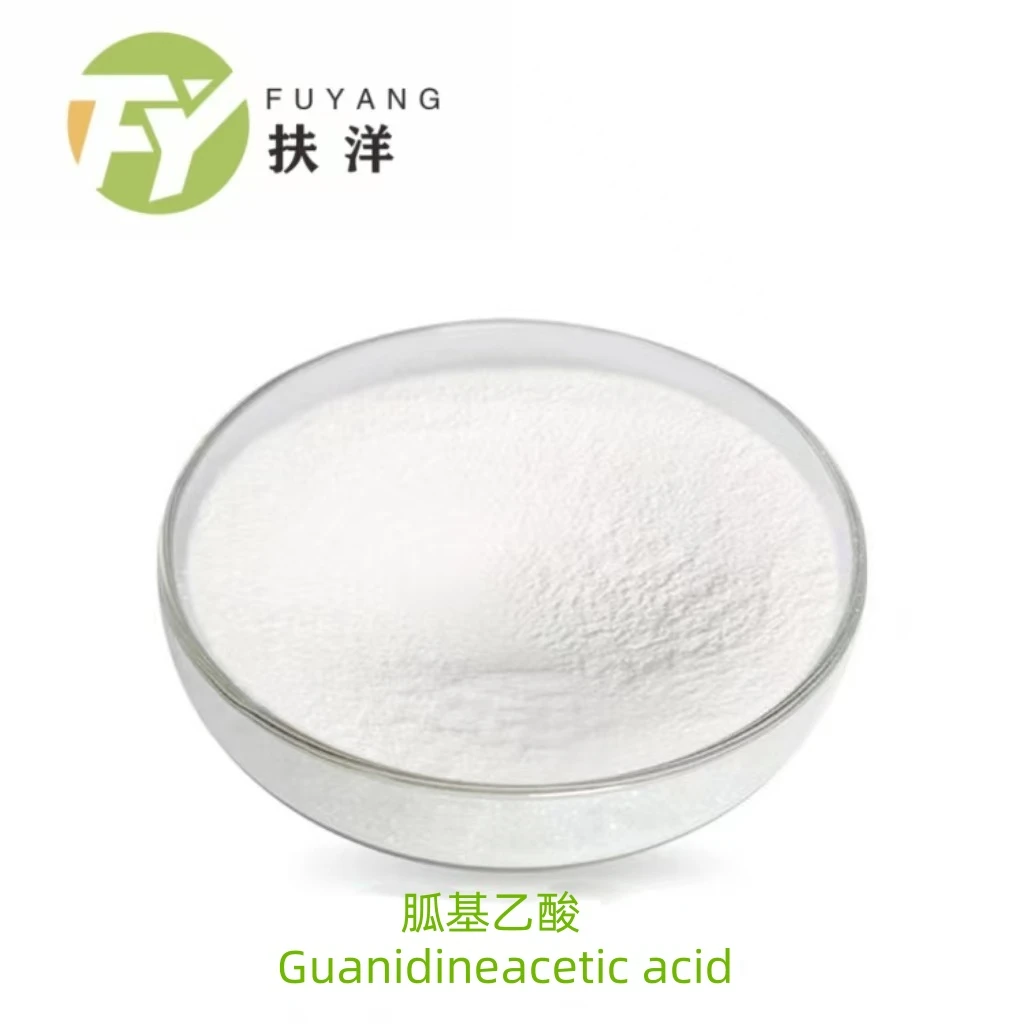
Guanidineacetic Acid
Nutritional Optimization in the North Korean Agricultural Context
Addressing specific challenges in regional animal husbandry through targeted biochemical interventions.
The regional climate and geographic layout of North Korea often necessitate robust feed formulations that can withstand seasonal temperature fluctuations. Livestock producers are increasingly looking for additives that improve heat stress tolerance and overall immunity, where high-quality amino acids play a critical role in maintaining lean muscle mass and metabolic stability.
Local buyer needs are shifting toward high-bioavailability supplements. There is a growing demand for precision nutrition, specifically for products like betaine hcl health benefits, which help in methyl donation and osmoregulation, reducing the impact of environmental stressors on swine and poultry production.
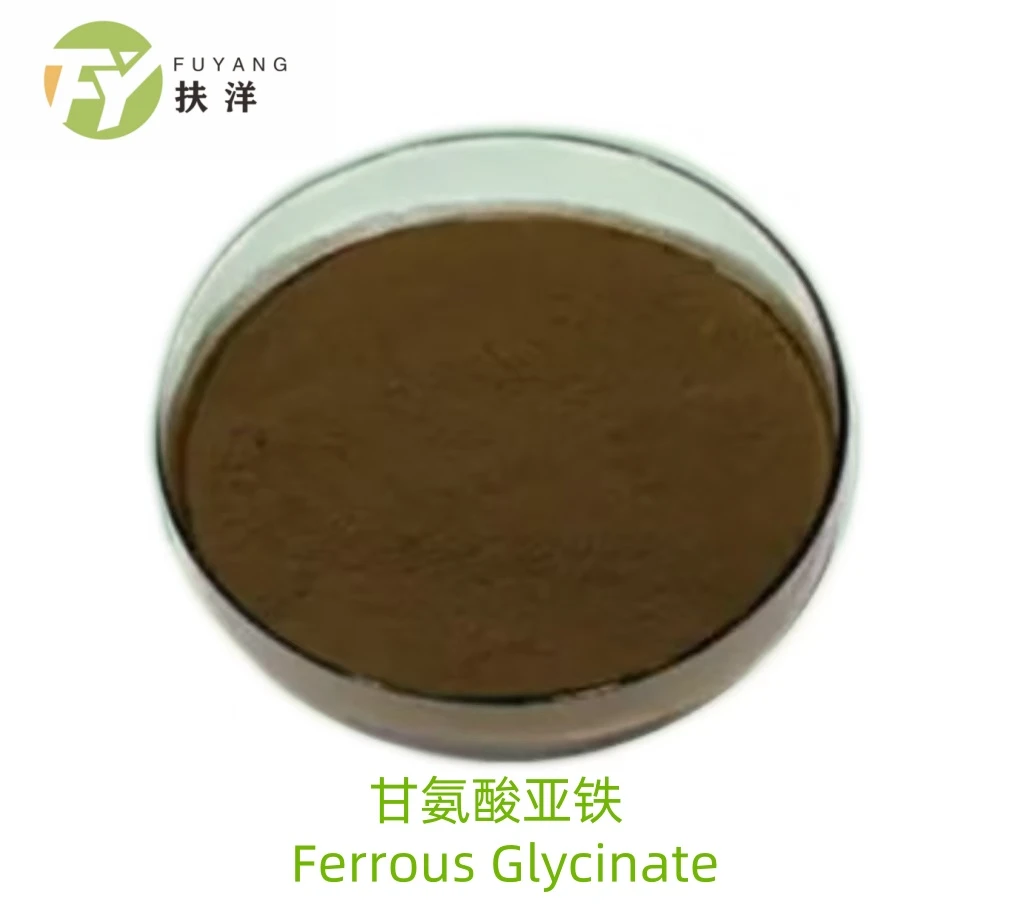
Procurement in this market often emphasizes stability and long-term supply chain reliability. As the industry moves toward modernization, the integration of specialized chelates—such as zinc and iron glycine chelates—is becoming essential to resolve common mineral deficiencies found in regional soil-based forage.
The Evolution of Feed Additive Technology
Tracing the transition from basic supplementation to high-precision biochemical nutrition.
Industry Development Trajectory
- Basic Nutrient Stage
Early focus on coarse grain supplementation and fundamental mineral mixes to prevent acute deficiency. - Specialization Stage
Introduction of synthetic types of amino acids to balance protein ratios and improve feed conversion rates. - Precision Bio-Integration Stage
Current adoption of chelated minerals and methyl donors like betaine for optimized metabolic health and environmental resilience.
Future Growth Vectors
- Nano-Nutrition — Integration of nano-selenium and micronized minerals for maximum cellular absorption.
- Green Synthesis — Shift toward bio-fermented amino acids to reduce the chemical footprint of additive production.
- Customized Blending — Moving from generic products to tailor-made solutions based on specific livestock species and regional soil data.
Strategic Trends in Animal Nutrition
Analyzing the technological shifts impacting the efficiency of global feed trade.
Bioavailability Enhancement
Increasing use of chelated forms to ensure nutrients bypass antagonistic reactions in the gut.
Metabolic Regulation
Utilizing betaine plus formulations to maintain cellular osmotic pressure during heat stress.
Stability Optimization
Developing coating technologies for guanidine acetic acid to ensure controlled release in the digestive tract.
Supply Chain Resilience
Integrating technical service and product supply to reduce procurement risks in isolated markets.
Future Outlook for Feed Biochemistry
The next five years will see a transition toward "intelligent nutrition," where the choice of additive is dictated by real-time physiological data of the herd. The focus will move from simply providing calories to optimizing the molecular pathways of growth, heavily relying on high-purity amino acid derivatives.
From a commercial standpoint, this creates a significant opportunity for technical service providers who can offer not just a product, but a full solution encompassing product design and supply chain management, ensuring that additives like premier hcl betaine hydrochloride are used at optimal dosages for maximum ROI.
Application Scenarios for Specialized Additives
Practical implementation of Fuyang Biotechnology solutions across different livestock operations.
1
Intensive Swine Production
Application of Betaine HCl to reduce the need for inorganic phosphorus and improve weaning weights by stabilizing the intestinal environment of piglets.
2
High-Yield Poultry Farming
Utilizing a blend of glycine and zinc glycine chelates to enhance feather quality and reduce mortality rates during rapid growth phases.
3
Ruminant Metabolic Support
Implementing manganese and copper betaine chelates to improve reproductive performance and hoof health in cattle across various regional terrains.
4
Aquaculture Growth Optimization
Integrating nano-selenium and specialized amino acids to boost immune response and growth rates in fish farms located in coastal areas.
5
Climate-Resilient Feed Formulation
Using guanidine acetic acid coating products to ensure nutritional stability in feeds stored in high-humidity environments common to the region.
About Hebei Fuyang Biotechnology Co., Ltd.
A commitment to mastering core technology to serve the global trade of animal nutrition.
Found
Company Foundation
Establishment and Vision
Founded with the core purpose of mastering core technology and serving global trade, focusing on becoming a leader in technical services for amino acids.
Tech
Capability Development
Core Technology Innovation
Development of independent intellectual property rights for a wide range of chelated products, including iron, zinc, and manganese glycine and betaine chelates.
Global
Current Position
Global Network Expansion
Establishing an extensive international network of partners, evolving from a product supplier to a comprehensive technical service enterprise providing supply chain management.
Specialized Amino Acid Portfolio for North Korea
High-purity biochemical additives tailored for regional agricultural requirements and livestock health.
Feed Additive Technical FAQ
Expert answers to common questions regarding amino acid application and procurement.
How do I choose between different types of amino acids for my feed formulation?
Selection should be based on the limiting amino acid of the primary protein source in your feed. For instance, lysine and methionine are common for swine, while betaine is used for metabolic support. We recommend a biological analysis of your current forage to determine the precise deficit.
What are the primary betaine hcl health benefits for poultry?
Betaine HCl acts as a methyl donor and an osmolyte. It helps poultry maintain cellular hydration during heat stress, improves liver function by reducing fat accumulation, and enhances the absorption of other nutrients, leading to better weight gain.
Why are chelated minerals preferred over inorganic salts in regional livestock?
Chelated minerals (like zinc glycine chelate) are more stable and less likely to react with other feed components. This leads to higher absorption rates in the gut, meaning lower dosages are required to achieve the same biological result, reducing waste and cost.
How does Betaine Plus differ from standard Betaine HCl?
While Betaine HCl provides the basic methyl donor function, Betaine Plus often refers to optimized formulations or combinations designed for specific synergies with other amino acids to maximize growth performance in intensive farming.
What considerations are necessary for transporting feed additives to North Korea?
Due to regional logistics, we prioritize stable, non-hygroscopic forms such as coated guanidine acetic acid. Ensuring moisture-proof packaging is critical to prevent clumping and degradation during long-distance transit.
Can Hebei Fuyang Biotechnology provide technical solutions beyond product supply?
Yes. We operate as a comprehensive technical service enterprise. Our capabilities include product design, customized nutritional solutions, and supply chain management to ensure the additive's efficacy from the factory to the trough.
Optimize Your Livestock Nutrition Today
Discuss your specific technical requirements and regional challenges in North Korea with our experts to develop a high-efficiency feed solution.
Contact Us Now