The quest for optimal nutrition in both human health and animal husbandry has led to a deeper understanding of proteinogenic amino acids, the fundamental building blocks of life. By integrating these essential organic compounds with critical minerals, the industry has unlocked new pathways for bioavailability, ensuring that biological systems receive the precise nutrients required for growth and systemic stability.
In the modern agricultural and pharmaceutical landscape, the challenge is no longer just about providing nutrients, but about ensuring they are absorbed efficiently. The synergy between minerals and proteinogenic amino acids, such as in the case of chelated magnesium, represents a shift toward "smart nutrition" where gastrointestinal tolerance and rapid absorption are prioritized over bulk dosing.
Understanding the role of these compounds is essential for manufacturers and nutritionists aiming to enhance muscle function, nervous system health, and energy metabolism. By leveraging the properties of proteinogenic amino acids, we can develop feed additives and supplements that not only improve productivity in livestock but also elevate the quality of life for human consumers.
Global Relevance of Proteinogenic Amino Acids
Globally, the demand for high-efficiency feed and food supplements has surged as the world seeks to optimize protein production and human wellness. The use of proteinogenic amino acids has become a cornerstone of this evolution, particularly in the manufacturing of specialized chemical products for animal breeding and human health.
According to industry trends aligned with global food security goals, the transition from inorganic mineral salts to chelated forms—which utilize proteinogenic amino acids—has drastically reduced nutrient waste and environmental runoff, making livestock farming more sustainable and productive.
Defining Proteinogenic Amino Acids in Industry
In technical terms, proteinogenic amino acids are the organic compounds that serve as the building blocks of proteins, coded by DNA. In the context of specialty chemicals, these amino acids are not just nutritional components but are used as ligands to create chelates, such as Magnesium Bisglycinate (CAS No. 14783-68-1), where magnesium is bonded to glycine.
This connection to modern industry is vital because chelation protects the mineral from reacting with other compounds in the digestive tract. By leveraging proteinogenic amino acids, manufacturers can ensure that the mineral remains stable and bioavailable until it reaches the absorption sites in the intestines.
From a humanitarian and industrial perspective, this technology addresses the critical challenge of malnutrition and deficiency. Whether it is stabilizing mood and improving sleep in humans or enhancing growth rates in pet food and animal feed, the precise application of proteinogenic amino acids ensures maximum biological efficacy.
Core Components of Magnesium Bisglycinate
The chemical architecture of Magnesium Bisglycinate, featuring the molecular formula C₄H₈MgN₂O₄ and a molecular weight of 172.423, relies heavily on the stability provided by proteinogenic amino acids. This specific chelated structure is what allows the compound to bypass common digestive hurdles.
One of the most significant advantages of using proteinogenic amino acids in this form is the high bioavailability. The chelated structure enhances the absorption rate by approximately 6 times compared to inorganic forms like magnesium oxide, while remaining gentle on the gastrointestinal tract.
Beyond absorption, the integration of proteinogenic amino acids ensures that the product is free from common allergens such as dairy and gluten. This makes it an ideal candidate for a wide range of applications, from formulated milk powder to advanced pharmaceutical aids.
Bioavailability and Absorption Efficiency
The efficiency of nutrient delivery is measured by how much of a substance actually enters the bloodstream. By utilizing proteinogenic amino acids as carriers, minerals like magnesium are absorbed via amino acid transport pathways rather than competing for mineral transporters, which often leads to lower absorption and digestive upset.
This mechanism eliminates the risk of diarrhea often associated with inorganic magnesium salts, providing a reliable method for replenishing magnesium levels to support muscle function, nervous system health, and overall energy metabolism.
Comparative Absorption Efficiency of Proteinogenic Amino Acid Chelates
Global Applications across Sectors
The application of proteinogenic amino acids extends across multiple high-value industries. In the food and nutraceutical sector, they are indispensable for formulated milk powder and dietary supplements, providing essential minerals in a form that is easily digestible for infants and adults alike.
In the pharmaceutical realm, these complexes assist in stabilizing mood, improving sleep quality, and supporting diabetes prevention. Furthermore, in the animal feed sector, incorporating proteinogenic amino acids into pet food and livestock feed ensures that animals maintain peak physiological health, reducing the need for curative medications.
Long-Term Value and Sustainability
Investing in products based on proteinogenic amino acids offers tangible long-term value through increased reliability and efficacy. For manufacturers, this means fewer product recalls related to stability and higher customer satisfaction due to the gentle nature of the supplements.
From a sustainability perspective, the high absorption rate of these chelates means that lower dosages are required to achieve the same biological effect. This reduces the chemical load on the environment, as less unabsorbed mineral waste is excreted by livestock into the soil and water systems.
Ultimately, the use of proteinogenic amino acids fosters trust between the producer and the end-user, as the science-backed results in improved health and performance are clearly observable and repeatable.
Future Innovations in Amino Acid Chelates
The future of proteinogenic amino acids lies in the intersection of biotechnology and digital precision. We are moving toward "personalized nutrition" where the specific amino acid profile of a chelate is tailored to the genetic needs of a specific animal breed or human demographic.
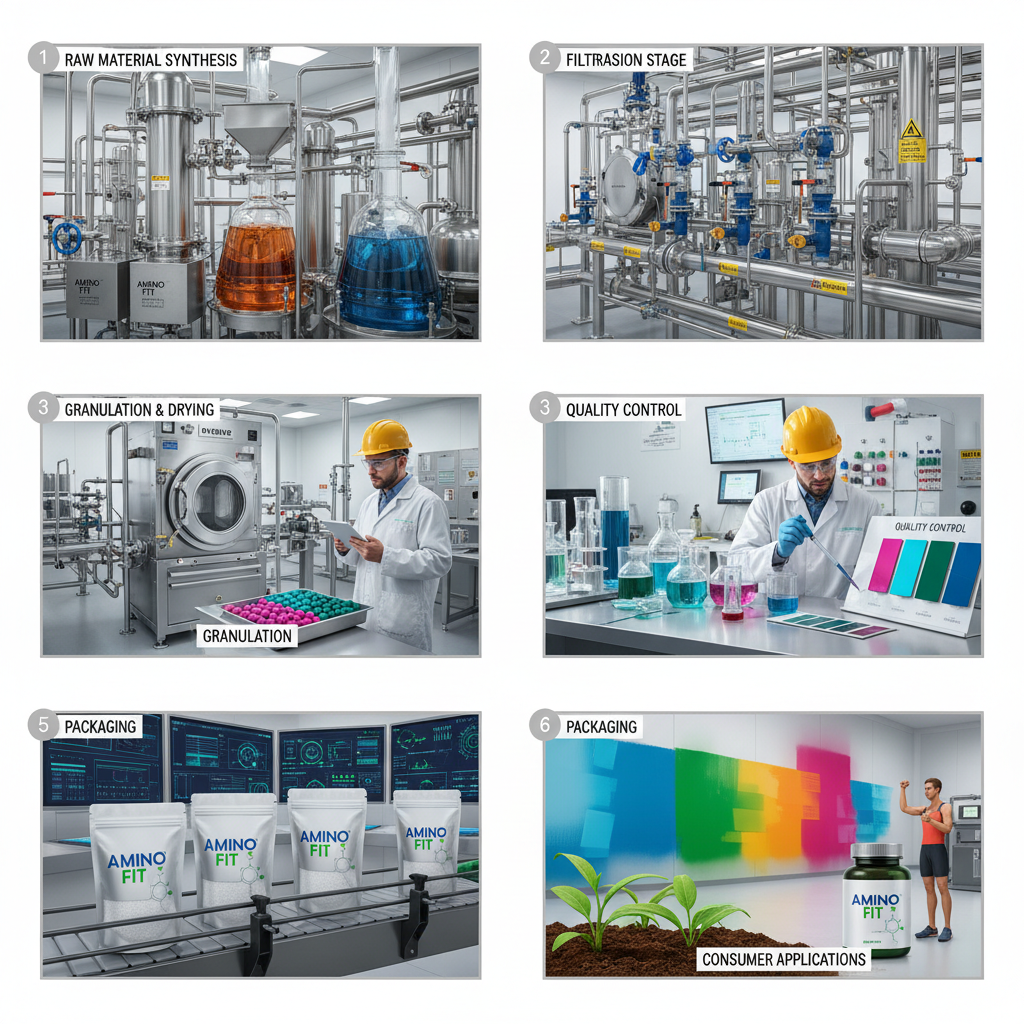
Automation in the manufacturing process is also enhancing the purity and consistency of these compounds. The industry is shifting toward greener synthesis methods that reduce the carbon footprint of producing proteinogenic amino acids, aligning with global ESG (Environmental, Social, and Governance) standards.
As we explore new combinations of minerals and amino acids, the goal remains the same: to create bioactive molecules that maximize health outcomes while minimizing environmental impact.
Analysis of Proteinogenic Amino Acid Complexes Performance
| Chelate Type |
Absorption Rate |
GI Tolerance |
Industry Use Case |
| Magnesium Bisglycinate |
Very High (9/10) |
Excellent |
Nutraceuticals |
| Magnesium Oxide |
Low (3/10) |
Poor |
Basic Supplements |
| Zinc Amino Acid Chelate |
High (8/10) |
Good |
Animal Feed |
| Calcium Glycinate |
High (8/10) |
Excellent |
Bone Health |
| Iron Bisglycinate |
Very High (9/10) |
Good |
Pharmaceuticals |
| Complex Protein Mix |
Medium (6/10) |
Fair |
General Feed |
FAQS
Proteinogenic amino acids are the building blocks of proteins. In chelation, they act as organic ligands that bind to mineral ions (like Magnesium), creating a stable complex. This prevents the mineral from reacting with other substances in the gut, allowing it to be absorbed more efficiently through amino acid transporters in the intestinal wall.
Yes, because it utilizes proteinogenic amino acids (glycine), it is highly stable and gentle on the gastrointestinal tract. Unlike inorganic forms like magnesium oxide, which can cause osmotic effects leading to diarrhea, the bisglycinate form is absorbed more smoothly, ensuring better tolerance.
Chelates using proteinogenic amino acids typically show a significantly higher absorption rate—often up to 6 times higher than inorganic salts. This is due to the "protected" nature of the mineral, which avoids interference from phytates or other antagonists in the diet.
Absolutely. They are widely incorporated into high-end pet food and animal feed to support muscle function, nervous system health, and overall energy metabolism in animals, leading to better growth and health outcomes.
No, high-quality Magnesium Bisglycinate is free from common allergens like dairy, gluten, and artificial additives, making it safe for a broad range of dietary requirements in both human and animal nutrition.
For industrial applications, these products are typically available in bulk packaging to ensure stability and ease of transport, commonly provided in 25 kg bags or 20 kg boxes.
Conclusion
The integration of proteinogenic amino acids into mineral supplements represents a pinnacle of nutritional science, transforming how we approach bioavailability and systemic health. By utilizing chelation technology, we can ensure that critical minerals like magnesium are delivered effectively, safely, and sustainably across the food, pharmaceutical, and feed industries.
As the global industry moves toward more precise and eco-friendly production, the role of proteinogenic amino acids will only grow in importance. We encourage manufacturers and nutritionists to adopt these high-bioavailability solutions to enhance product performance and contribute to a healthier global ecosystem. Visit our website: www.hbfuyangbio.com