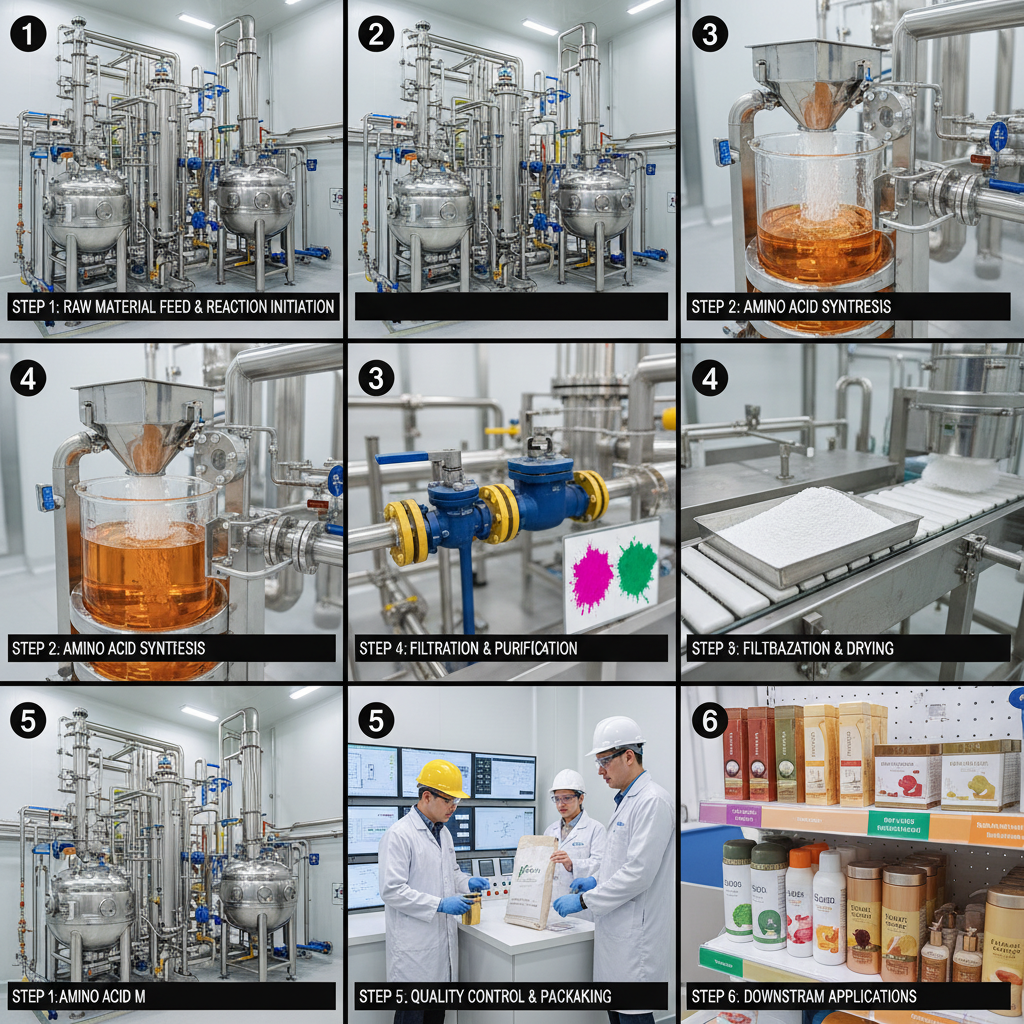
The pursuit of lean muscle mass and efficient metabolic health has led the global nutritional industry to explore advanced chelation technologies. Understanding how specific minerals and amino acids interact is crucial for optimizing biological absorption, which is the fundamental driver behind the concept of amino lean weight loss and overall physiological efficiency.
In the modern agricultural and livestock sectors, the challenge lies in maximizing growth performance without compromising health or environmental sustainability. The transition from inorganic minerals to organic chelates represents a paradigm shift, ensuring that essential nutrients are delivered directly to the cells, thereby supporting the metabolic goals associated with amino lean weight loss strategies.
By utilizing Zinc Cysteamine Chelate, an organic zinc source formed through sophisticated chelation technology, industries can now achieve higher bioavailability. This innovation not only supports human wellness but is pivotal in achieving amino lean weight loss targets in animal breeding by reducing feed-to-gain ratios and improving lean tissue development.
The Mechanism of Zinc Cysteamine Chelate in Metabolic Efficiency
Zinc Cysteamine Chelate operates by bonding zinc ions (Zn²⁺) with L-cysteine molecules, creating a stable structure that avoids interference from anti-nutritional factors like phytic acid. This allows the nutrient to be absorbed directly through small intestine amino acid transport channels, which is a critical step for those aiming for amino lean weight loss and improved lean tissue synthesis.
Furthermore, the L-Cysteine component provides essential sulfhydryl groups that enhance superoxide dismutase (SOD) activity. By scavenging free radicals and reducing oxidative stress, the body can prioritize protein synthesis and cellular repair, effectively supporting the metabolic pathways required for efficient weight management and muscle maintenance.
Global Relevance of Bioavailable Mineral Supplementation
On a global scale, the demand for high-efficiency feed additives has surged as the livestock industry seeks to balance productivity with resource scarcity. Traditional inorganic zinc sources often suffer from low absorption rates, leading to waste and environmental pollution. The shift toward organic chelates is now a priority for producers aiming for sustainable growth and optimized animal health.
Data suggests that improving mineral bioavailability can increase daily weight gain in swine and poultry by up to 12%. This efficiency is not just about speed of growth, but about the quality of the lean mass produced, aligning with the industrial goals of amino lean weight loss by reducing excessive fat deposition.
Moreover, the global movement toward "green" agriculture requires additives that reduce the excretion of heavy metals into the soil. By ensuring that zinc is actually absorbed by the animal rather than passed through the digestive tract, chelated minerals provide a dual benefit of animal performance and ecological preservation.
Defining the Synergy of Aminos and Minerals for Lean Growth
The concept of amino lean weight loss refers to the strategic use of amino acid-mineral complexes to optimize the body's composition. By pairing a mineral like zinc with an amino acid like L-cysteine, the nutrient becomes more bio-available, allowing it to function as a cofactor for enzymes like DNA polymerase.
In practical terms, amino lean weight loss is achieved when the biological system can synthesize keratin and proteins more efficiently while reducing oxidative stress. This synergy ensures that the organism maintains a lean profile without sacrificing immune function or structural integrity.
This mechanism is particularly vital in aquaculture and poultry, where the ability to maintain lean growth while resisting environmental stress determines the overall profitability of the operation. The chelate structure ensures that the zinc is not bound by dietary fiber, facilitating a direct path to systemic absorption.
Core Performance Metrics of Organic Chelates
The efficacy of Zinc Cysteamine Chelate is measured by its ability to outperform inorganic salts in bioavailability and physiological impact. By increasing absorption by 30% to 50%, these organic sources significantly reduce the required dosage while delivering superior results in skin, feather, and hoof health.
When evaluating these metrics, the focus is often on the feed-to-gain ratio. A lower ratio indicates that the animal is converting feed into lean mass more efficiently, which is the primary goal when implementing an amino lean weight loss protocol in professional breeding.
Comparative Bioavailability and Performance Ratings
Industrial Applications Across Animal and Human Nutrition
In the realm of animal nutrition, Zinc Cysteamine Chelate is used to improve reproductive performance in sows and increase egg production in laying hens. For ruminants, it is essential in preventing hoof diseases like bovine laminitis, ensuring that the animal remains mobile and productive while optimizing its lean body mass.
Beyond the farm, this compound serves the human health sector as a dietary supplement to treat zinc deficiency, support wound healing, and combat acne. Its antioxidant properties make it a valuable tool for patients undergoing chemotherapy, helping to strengthen the immune system and maintain cellular health.
Long-term Value of Reduced Environmental Footprints
The adoption of organic zinc chelates represents a significant step toward sustainable agriculture. Because these compounds are more readily absorbed, fewer minerals are excreted into the environment, reducing the risk of soil contamination and water pollution. This alignment with global ESG (Environmental, Social, and Governance) standards is a key driver for large-scale industrial adoption.
From a cost-benefit perspective, while organic chelates may have a higher unit price than inorganic salts, the overall cost of production decreases. This is due to the reduction in feed waste, lower veterinary costs for hoof and skin diseases, and the increased market value of leaner, healthier livestock.
Ultimately, the long-term value lies in the trust built with consumers who demand "clean label" and ethically raised animal products. By utilizing high-bioavailability nutrients that support amino lean weight loss and animal welfare, producers can secure a competitive edge in a conscious global market.
Dosage Optimization and Comparative Analysis
To maximize the benefits of Zinc Cysteamine Chelate, dosage must be scientifically calibrated based on the species and physiological stage of the animal. For instance, pigs typically require 0-120 mg/kg of zinc to promote growth and hoof health, whereas shrimp require a lower dose of 0-50 mg/kg to facilitate molting and reduce mortality.
It is critical to maintain a proper ratio between zinc and other minerals. Excessive zinc intake can interfere with the absorption of copper and iron; therefore, a recommended Zn ratio of 3:1 to 4:1 is suggested. Synergistic use with vitamins C and E further amplifies the antioxidant effects, enhancing the overall metabolic efficiency.
Comparing the organic chelate to traditional zinc sulfate reveals a clear advantage in stability and safety. Organic zinc is less likely to react with other feed components, ensuring a consistent delivery of nutrients throughout the shelf life of the feed.
Recommended Dosage and Effects of Zinc Cysteamine Chelate
| Animal Category |
Dosage (Zn, mg/kg feed) |
Primary Lean Effect |
Health Outcome |
| Pigs |
0-120 |
Promote Growth |
Improved Hoof Health |
| Hens |
0-100 |
Egg Production Rate |
Eggshell Strength |
| Dairy Cows |
0-80 |
Milk Zinc Content |
Prevents Laminitis |
| Shrimp |
0-50 |
Facilitate Molting |
Reduced Mortality |
| Poultry |
0-110 |
Weight Gain |
Feather Quality |
| Fish |
0-60 |
Muscle Development |
Lysozyme Activity |
FAQS
The primary advantage is significantly higher bioavailability. Because the zinc is chelated with L-cysteine, it bypasses common dietary inhibitors like phytic acid and is absorbed directly via amino acid channels. This increases absorption by 30% to 50%, reducing waste and enhancing growth performance.
It supports amino lean weight loss by optimizing the feed-to-gain ratio. By acting as a cofactor for protein synthesis and improving cellular division, it helps animals gain lean muscle mass more efficiently while reducing the accumulation of unnecessary fat.
Yes, it is highly effective in human health applications. It is used to alleviate zinc deficiency, support the treatment of acne and hair loss, and serve as an antioxidant for chronic inflammatory diseases such as arthritis due to its high absorption rate.
Yes, users should ensure the total zinc content complies with national regulatory limits (e.g., GB 13078-2017). Additionally, avoid concurrent high doses of calcium or phosphorus to prevent the formation of insoluble salts, and maintain a Zn:Cu ratio of roughly 3:1 to 4:1.
In aquaculture, particularly for crustaceans like shrimp and crabs, it facilitates the molting process and reduces deformity rates. For fish, it enhances the immune response by increasing lysozyme activity, leading to lower mortality rates in hatcheries.
Absolutely. Because the animals absorb a much higher percentage of the mineral, the amount of zinc excreted into the environment is significantly reduced. This prevents heavy metal buildup in the soil and water, making it a sustainable choice for modern farming.
Conclusion
Zinc Cysteamine Chelate represents a pinnacle in nutritional science, bridging the gap between essential mineral supplementation and high-efficiency biological absorption. By leveraging the synergy between L-cysteine and zinc, this organic source not only optimizes lean growth and metabolic health—core components of amino lean weight loss—but also enhances immune function and reduces environmental toxicity.
As the global industry moves toward more sustainable and precise nutrition, the transition to chelated minerals is no longer optional but necessary for competitiveness. We recommend that producers and health practitioners scientifically adjust dosages to match specific physiological needs to fully unlock the potential of this bioavailable powerhouse. For more information on high-performance amino acid chelates, visit our website: www.hbfuyangbio.com.