Glycine Magnesium Sleep: A Natural Path to Restful Nights
Are you struggling to fall asleep or stay asleep? Do you wake up feeling tired and unrested? Many factors can contribute to sleep disturbances, and finding a natural solution is often the preferred approach. Glycine and magnesium are two nutrients that have gained significant attention for their ability to promote relaxation and improve sleep quality. This article will explore the benefits of combining glycine and magnesium for sleep, delve into the science behind their effectiveness, and guide you on how to incorporate them into your nightly routine. Discover how these powerful nutrients can help you unlock a more peaceful and restorative sleep.

Understanding Glycine and Magnesium
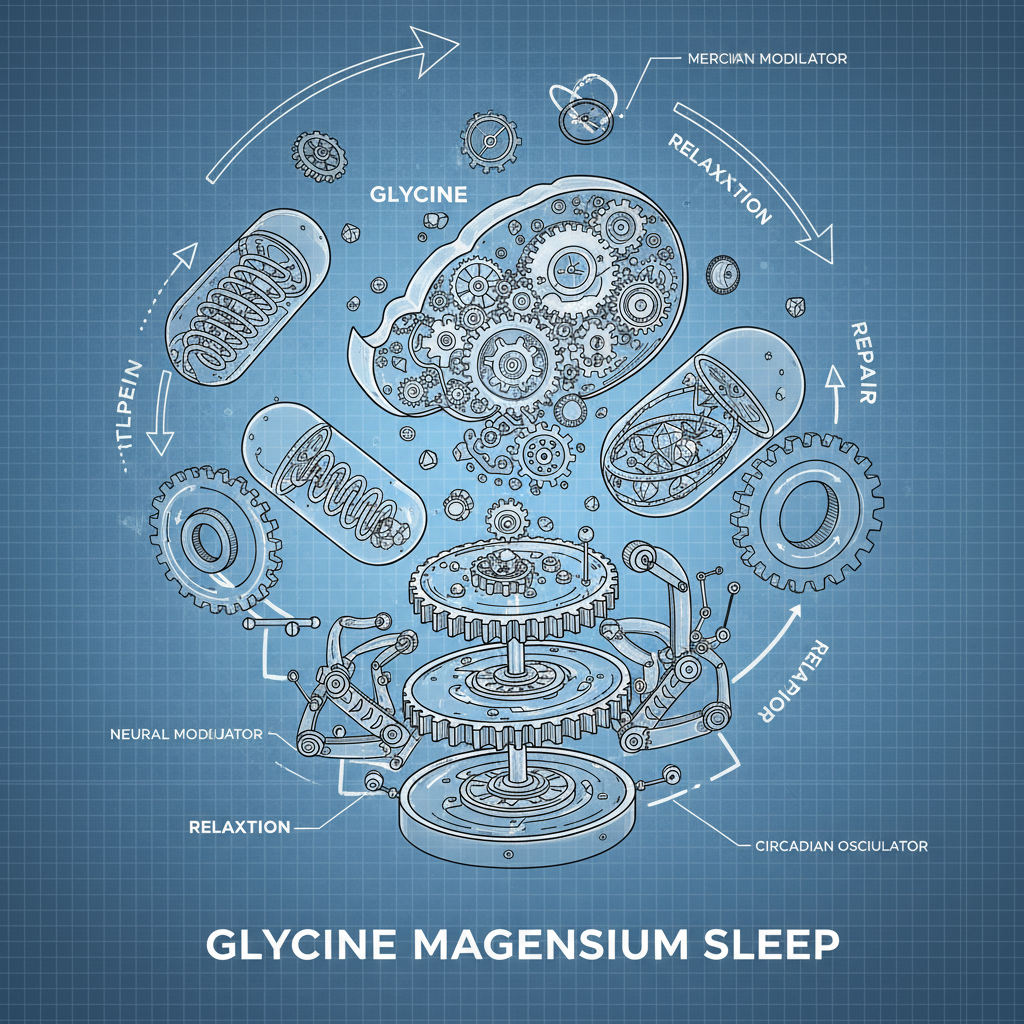
Both glycine and magnesium play crucial roles in the body, impacting various functions beyond just sleep. Glycine is an amino acid that acts as an inhibitory neurotransmitter, meaning it helps calm brain activity. It can also help lower body temperature, signaling to the body that it's time to sleep. Magnesium, on the other hand, is involved in over 300 enzymatic reactions in the body, including those that regulate the nervous system. A magnesium deficiency is surprisingly common and can contribute to anxiety, muscle tension, and insomnia. Combining these two nutrients can create a synergistic effect, amplifying their individual benefits and promoting a more profound sense of relaxation.
Key Benefits: Glycine calms brain activity and lowers body temperature. Magnesium regulates the nervous system and helps alleviate anxiety. A combination of both can enhance relaxation and sleep quality.
The Science Behind Glycine Magnesium Sleep
Research has consistently shown the positive impact of glycine and magnesium on sleep. Studies have demonstrated that glycine supplementation can reduce the time it takes to fall asleep (sleep latency) and improve sleep efficiency. Magnesium’s role in regulating GABA (gamma-aminobutyric acid), a neurotransmitter that promotes relaxation, is also well-documented. A study published in the Journal of the American College of Nutrition found that magnesium supplementation improved sleep quality in older adults. By addressing underlying imbalances and promoting a more relaxed state, glycine and magnesium offer a targeted approach to improving sleep without the side effects often associated with pharmaceutical sleep aids. You can find high-quality glycine and magnesium products at HB Fuyang Bio.
Scientific Findings:
• Glycine reduces sleep latency and improves sleep efficiency.
• Magnesium regulates GABA, promoting relaxation.
• Studies show improvements in sleep quality with both supplements.
• Provides a natural alternative to pharmaceutical sleep aids.
Glycine vs. Magnesium for Sleep: A Comparison
While both glycine and magnesium contribute to better sleep, they work through different mechanisms. Glycine primarily focuses on calming the mind and reducing core body temperature, making it ideal for those who struggle with racing thoughts at night. Magnesium, on the other hand, targets muscle relaxation and nervous system regulation, benefiting those who experience physical tension or anxiety. Using them together can address both the mental and physical aspects of sleep disturbances. It is important to note that individual responses to these supplements may vary, and finding the right dosage is crucial.
Product Specifications & Quality at HB Fuyang Bio
At HB Fuyang Bio, we prioritize quality and purity in all our products. Our glycine and magnesium are sourced from reputable suppliers and undergo rigorous testing to ensure they meet the highest standards.
Conclusion: Embrace Restful Sleep Naturally
Incorporating glycine and magnesium into your bedtime routine can be a safe and effective way to improve your sleep quality. By understanding their individual benefits and combining them for a synergistic effect, you can unlock a more peaceful and restorative night's sleep. Prioritize your well-being and explore the power of natural solutions for better sleep.
Frequently Asked Questions (FAQs)
What is the best time to take glycine and magnesium for sleep?
The ideal time to take glycine and magnesium is approximately 30-60 minutes before bedtime. This allows the body enough time to absorb and utilize the nutrients, promoting relaxation and preparing you for sleep. Avoid taking them too close to bedtime, as it may cause digestive discomfort. Consistency is key – taking them around the same time each night will help regulate your body's natural sleep-wake cycle.
Are there any side effects of taking glycine and magnesium?
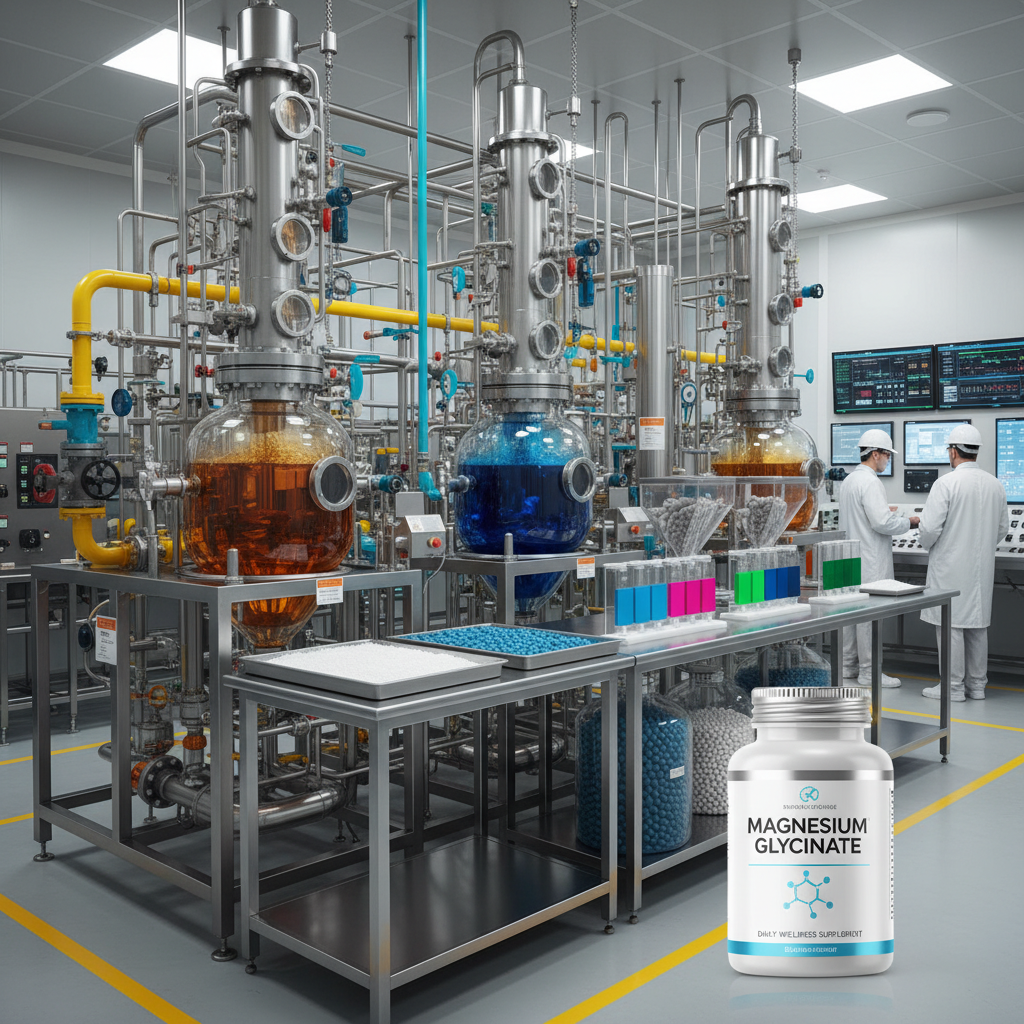
Glycine and magnesium are generally well-tolerated, but some individuals may experience mild side effects. Glycine can sometimes cause mild digestive upset, such as nausea or diarrhea, especially at higher doses. Magnesium, particularly magnesium oxide, can have a laxative effect in some people. Magnesium glycinate, the form we offer at HB Fuyang Bio, is gentler on the stomach and less likely to cause these issues. If you experience any persistent or bothersome side effects, discontinue use and consult with your healthcare provider.
Can I take glycine and magnesium with other sleep aids?
It's generally advisable to consult with your healthcare provider before combining glycine and magnesium with other sleep aids, including over-the-counter medications or prescription drugs. While these nutrients are generally safe, interactions with other substances are possible. Specifically, magnesium can interact with certain antibiotics and diuretics. Your doctor can assess your individual health status and provide personalized guidance.
Is glycine and magnesium safe for everyone?
While generally safe for most adults, glycine and magnesium may not be suitable for everyone. Individuals with kidney problems should exercise caution with magnesium supplementation, as impaired kidney function can lead to magnesium accumulation. Pregnant or breastfeeding women should consult with their healthcare provider before taking these supplements. People with specific medical conditions or those taking medications should also seek medical advice before incorporating glycine and magnesium into their routine.