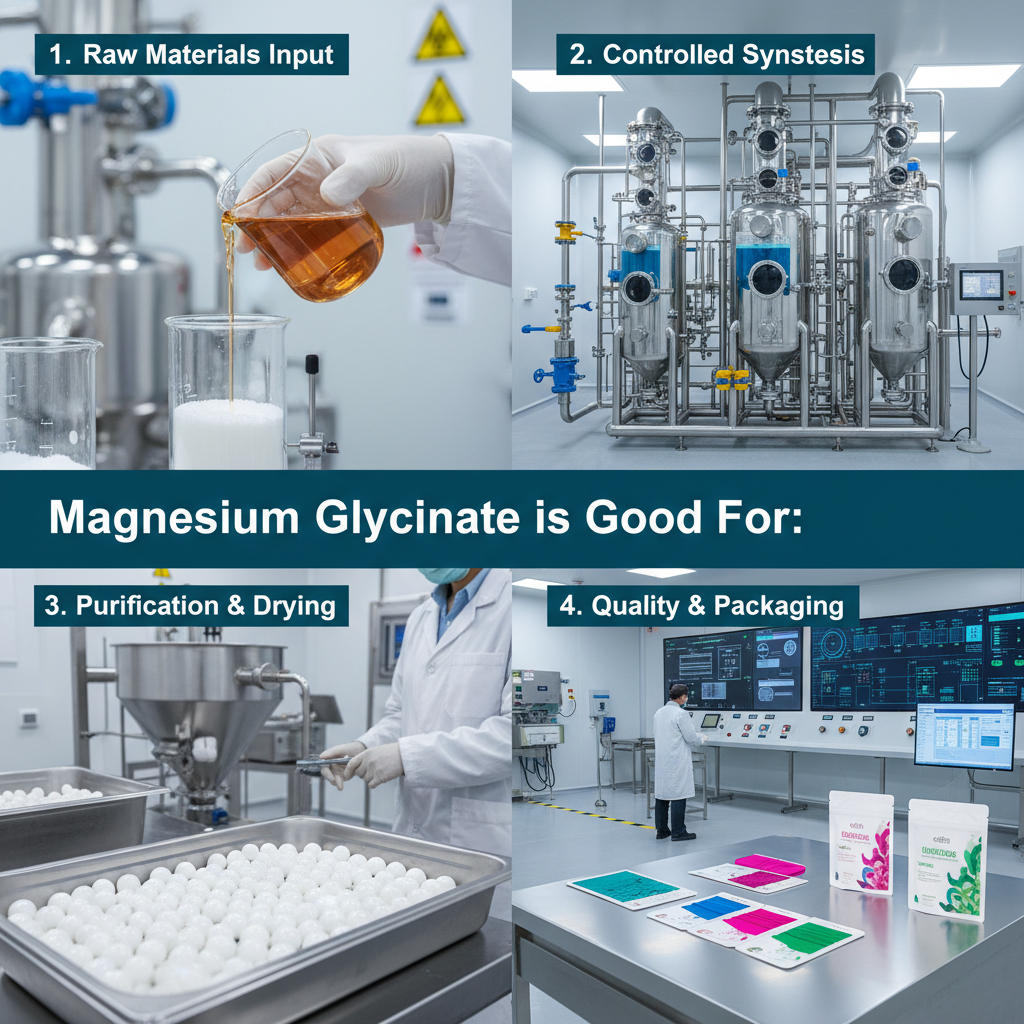
Magnesium Glycinate Energy: A Deep Dive into Benefits and Uses
In today’s fast-paced world, maintaining optimal energy levels is crucial for productivity and overall well-being. While many turn to caffeine or sugary drinks for a quick boost, these often come with unwanted side effects. Magnesium glycinate offers a natural and sustainable solution, providing energy support without the jitters or crashes. This article will explore the benefits of magnesium glycinate for energy, how it works, and why it’s a superior choice for those seeking long-lasting vitality. Understanding how this form of magnesium impacts energy production can help you make informed decisions about your health and wellness.
Understanding the Connection: Magnesium and Energy Production
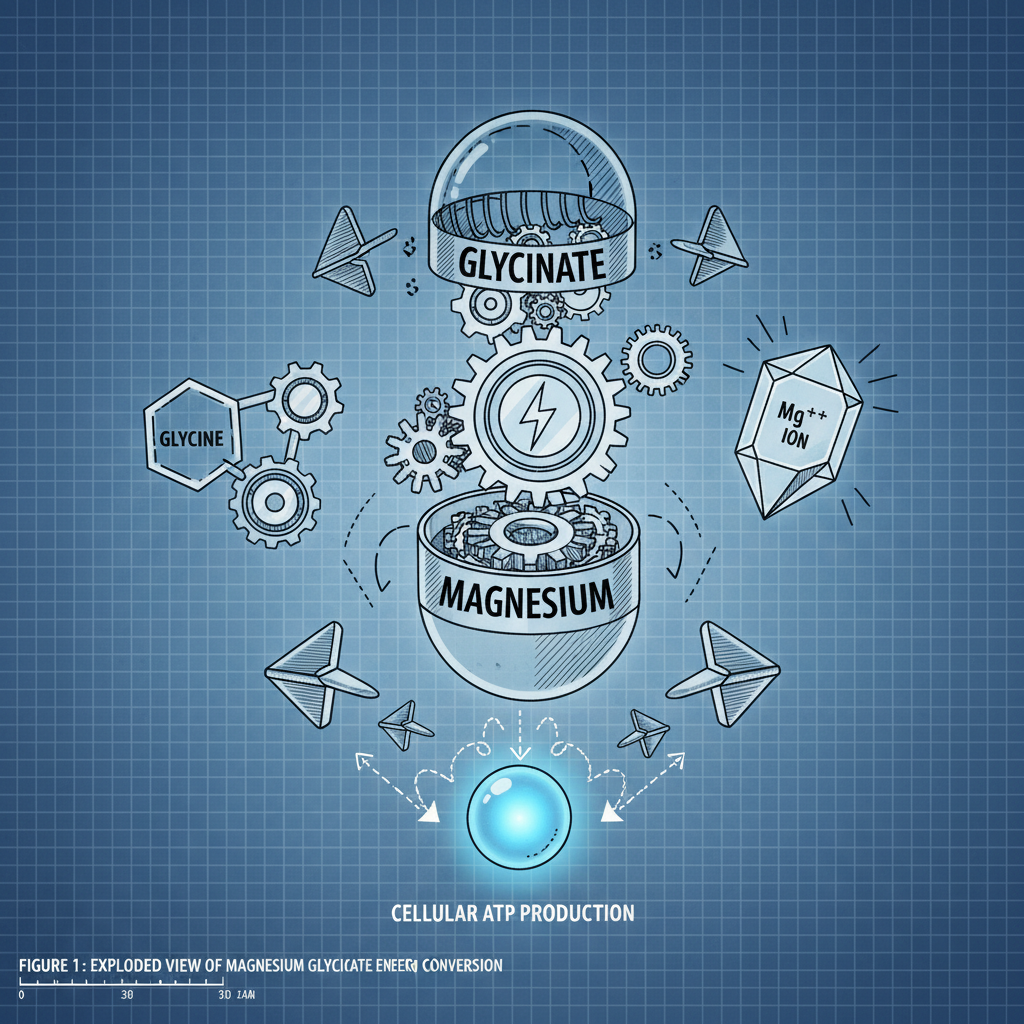
Magnesium is a vital mineral involved in over 300 enzymatic reactions within the body, many of which are crucial for energy production. It plays a key role in converting food into usable energy (ATP - adenosine triphosphate). Without sufficient magnesium, this process is hindered, leading to fatigue, weakness, and reduced physical performance. Magnesium glycinate specifically, is highly bioavailable, meaning the body can absorb and utilize it efficiently. This makes it a more effective choice compared to other forms of magnesium that the body may struggle to process. Boosting magnesium levels can significantly impact your daily energy expenditure.
Key Highlights: Magnesium is essential for ATP production, the primary energy currency of the cell. Magnesium glycinate's high bioavailability ensures maximum absorption and utilization.
Magnesium Glycinate vs. Other Magnesium Forms for Energy
Not all magnesium supplements are created equal. While various forms exist – citrate, oxide, chloride – magnesium glycinate stands out for its superior absorption and gentle effect on the digestive system. Unlike magnesium oxide, which can cause digestive upset, magnesium glycinate is bonded to glycine, an amino acid known for its calming properties. This combination promotes relaxation, which can also contribute to improved sleep quality and, consequently, increased energy levels throughout the day. Choosing the right form of magnesium is paramount for maximizing benefits and minimizing side effects.
Magnesium Form Comparison:
• Magnesium Glycinate: High bioavailability, gentle on the stomach, promotes relaxation.
• Magnesium Citrate: Good bioavailability, can have a laxative effect.
• Magnesium Oxide: Poor bioavailability, often causes digestive issues.
• Magnesium Chloride: Good bioavailability, can be absorbed through the skin.
How Magnesium Glycinate Supports Energy Levels
Beyond ATP production, magnesium glycinate influences energy levels in several ways. It supports healthy muscle function, reducing muscle cramps and fatigue. It also regulates neurotransmitters, which play a vital role in mood and energy. By promoting relaxation and improving sleep quality, magnesium glycinate allows the body to recover and recharge, leading to sustained energy throughout the day. Furthermore, it helps regulate blood sugar levels, preventing energy crashes associated with fluctuating glucose. This holistic approach to energy support makes magnesium glycinate a powerful ally in combating fatigue and boosting vitality.
Factors Affecting Magnesium Levels and Energy
Several factors can contribute to magnesium deficiency, leading to fatigue and low energy. These include poor diet, chronic stress, intense exercise, and certain medical conditions. Processed foods are often low in magnesium, while stress depletes the body's magnesium stores. Individuals who engage in regular strenuous activity may also have increased magnesium needs. Identifying and addressing these factors is crucial for maintaining optimal magnesium levels and supporting sustained energy. Consider incorporating magnesium-rich foods into your diet alongside supplementation, if needed.

Product Specifications - HB Fuyang Bio Magnesium Glycinate
HB Fuyang Bio offers high-quality magnesium glycinate designed for optimal absorption and efficacy. Our product undergoes rigorous testing to ensure purity and potency, providing you with a reliable source of this essential mineral.
Conclusion: Embrace Natural Energy with Magnesium Glycinate
If you're seeking a natural and effective way to boost your energy levels, magnesium glycinate offers a compelling solution. Its high bioavailability, gentle effect on the digestive system, and multifaceted benefits make it a superior choice for supporting sustained energy, muscle function, and overall well-being. Invest in your health and unlock your potential with the power of magnesium glycinate.
Frequently Asked Questions (FAQs)
What is the recommended daily dosage of magnesium glycinate for energy?
The recommended daily allowance (RDA) for magnesium varies depending on age, gender, and overall health. However, a general guideline for adults is between 310-420mg per day. For energy support, many individuals find 200-400mg of magnesium glycinate per day to be effective. It’s best to start with a lower dose and gradually increase it as needed, paying attention to your body's response. Consulting with a healthcare professional is always recommended to determine the optimal dosage for your individual needs. Remember, it’s important to distribute your intake throughout the day rather than taking a large dose at once, to maximize absorption.
Can I take magnesium glycinate with other supplements?
Generally, magnesium glycinate can be taken with most other supplements. However, it’s essential to be mindful of potential interactions. Avoid taking it with calcium supplements at the same time, as they can compete for absorption. Additionally, certain medications, such as antibiotics and diuretics, can affect magnesium levels. It’s always best to consult with your healthcare provider or pharmacist to ensure there are no contraindications with your current medications or supplements.
Are there any side effects associated with magnesium glycinate?
Magnesium glycinate is generally well-tolerated, especially compared to other forms of magnesium. However, some individuals may experience mild side effects such as diarrhea, nausea, or stomach cramps, particularly at higher doses. These side effects are usually temporary and can be minimized by starting with a lower dose and gradually increasing it. If you experience persistent or severe side effects, discontinue use and consult with a healthcare professional.
How long does it take to feel the energy benefits of magnesium glycinate?
The time it takes to experience the energy benefits of magnesium glycinate varies depending on individual factors, such as the severity of magnesium deficiency and overall health. Some individuals may notice improvements within a few days, while others may take several weeks to experience significant changes. Consistency is key – taking magnesium glycinate regularly as directed is crucial for maximizing its benefits. Pay attention to how you feel and adjust the dosage as needed, in consultation with a healthcare professional.