Magnesium Glycinate Research: Benefits, Uses, and Considerations
Magnesium is an essential mineral involved in over 300 enzymatic reactions in the body. While many forms of magnesium are available, magnesium glycinate has gained significant attention for its superior bioavailability and gentle effect on the digestive system. This article delves into the research surrounding magnesium glycinate, exploring its benefits, optimal uses, and what sets it apart from other magnesium supplements. Understanding the science behind this form of magnesium can empower you to make informed decisions about your health and wellness.

Understanding Magnesium Glycinate: A Deep Dive
Magnesium glycinate is a chelated form of magnesium, meaning magnesium is bound to the amino acid glycine. This chelation process significantly enhances absorption compared to forms like magnesium oxide. Glycine itself is a calming neurotransmitter, contributing to the relaxing effects often associated with magnesium glycinate. This combination makes it particularly well-suited for individuals seeking to improve sleep quality, reduce anxiety, and support overall nervous system health. Unlike some magnesium forms, magnesium glycinate is less likely to cause digestive upset, such as diarrhea, making it a more tolerable option for many.
Key Highlights: Enhanced absorption due to chelation, calming effects from glycine, gentle on the digestive system, and widely tolerated.
Research-Backed Benefits of Magnesium Glycinate
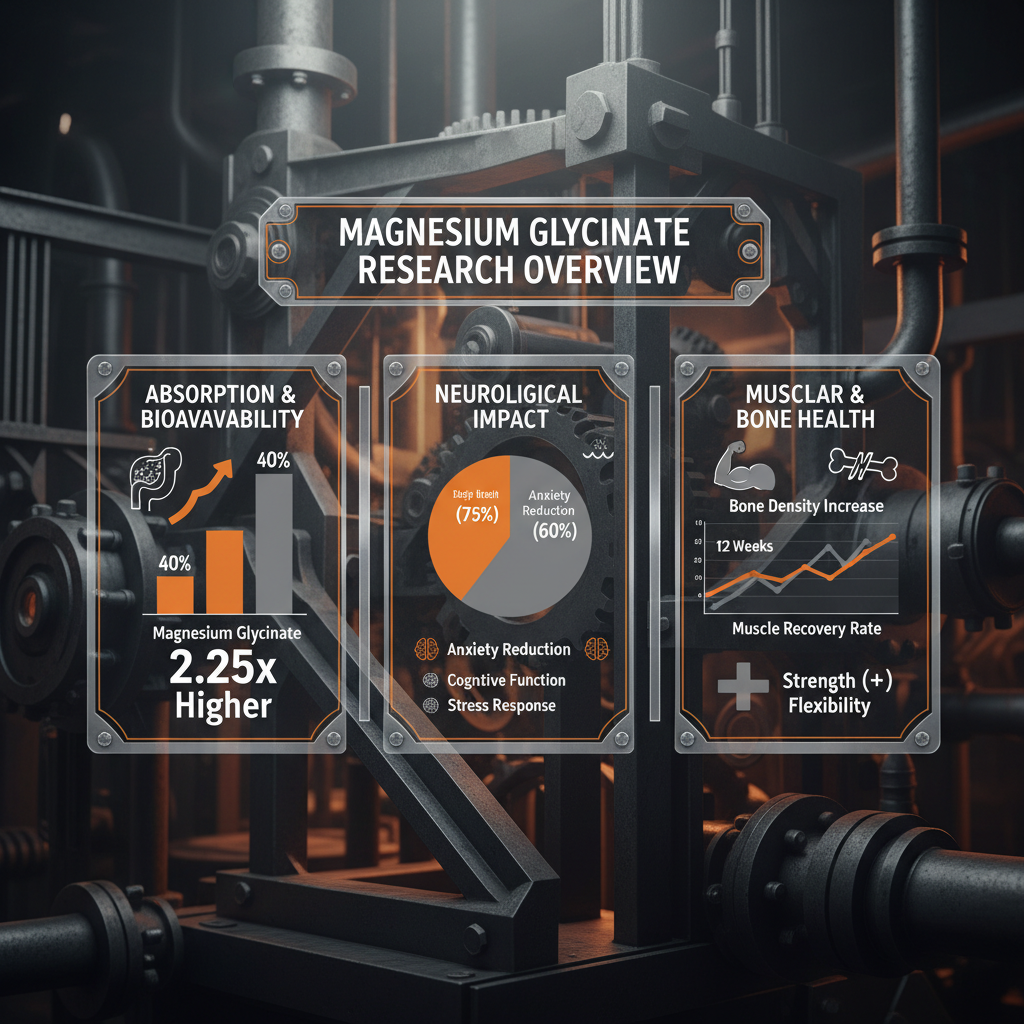
Numerous studies support the benefits of magnesium glycinate. Research indicates that it can significantly improve sleep quality, particularly in individuals with insomnia. It has also been shown to reduce symptoms of anxiety and depression, potentially by modulating the hypothalamic-pituitary-adrenal (HPA) axis. Furthermore, magnesium glycinate plays a role in bone health, muscle function, and blood sugar control. The high bioavailability ensures that a larger proportion of the ingested magnesium is actually absorbed and utilized by the body, maximizing its therapeutic potential. HBFuyangbio provides high-quality magnesium glycinate for various applications.
Key Benefits:
• Improved Sleep Quality
• Reduced Anxiety & Depression
• Enhanced Bone Health
• Better Muscle Function
Magnesium Glycinate vs. Other Magnesium Forms: A Comparison
Not all magnesium supplements are created equal. Magnesium oxide, while inexpensive, has notoriously poor bioavailability. Magnesium citrate can have a laxative effect. Magnesium chloride can also cause digestive upset in some individuals. Magnesium glycinate stands out due to its gentle nature and high absorption rate. The glycine component further enhances its benefits, offering a synergistic effect. Understanding these differences is crucial when choosing a magnesium supplement that aligns with your specific needs and tolerance.
Applications and Dosage Recommendations for Magnesium Glycinate
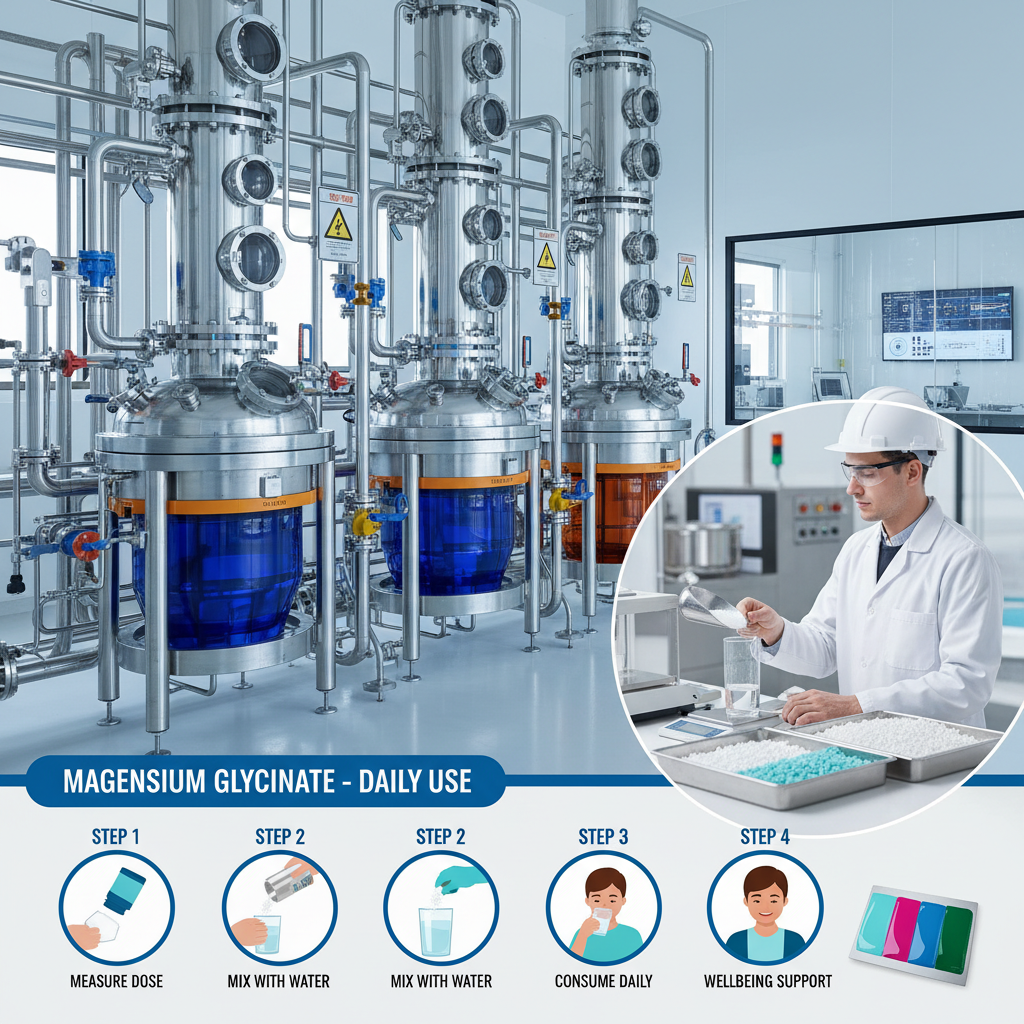
Magnesium glycinate is widely used to address various health concerns, including sleep disorders, anxiety, muscle cramps, and migraines. The optimal dosage varies depending on individual needs and the severity of the deficiency. Generally, dosages range from 200-400mg per day, but it’s best to consult with a healthcare professional to determine the appropriate amount for you. It's often recommended to take magnesium glycinate before bedtime to leverage its calming effects and improve sleep quality.
Product Specifications and Quality Considerations
When choosing a magnesium glycinate supplement, it's vital to select a reputable brand that prioritizes quality and purity. Look for products that have been third-party tested to ensure they meet stringent standards for potency and contaminants. HBFuyangbio offers pharmaceutical-grade magnesium glycinate with comprehensive quality control measures.
Conclusion: Harnessing the Power of Magnesium Glycinate
Magnesium glycinate offers a compelling combination of benefits, backed by scientific research. Its superior bioavailability, gentle nature, and calming properties make it an excellent choice for individuals seeking to improve sleep, reduce anxiety, and support overall health. Choosing a high-quality supplement from a trusted supplier like HBFuyangbio ensures you're getting a potent and pure product. Prioritize your wellbeing – consider incorporating magnesium glycinate into your daily routine.
Frequently Asked Questions (FAQs)
Can I take magnesium glycinate with other medications?
Magnesium can interact with certain medications, including antibiotics, diuretics, and proton pump inhibitors. It's crucial to consult with your healthcare provider before taking magnesium glycinate, especially if you are currently taking any medications. They can assess potential interactions and advise you on a safe dosage. It's always best to err on the side of caution and ensure your supplement regimen is compatible with your overall health plan. Always disclose all supplements and medications to your doctor.
What are the common side effects of magnesium glycinate?
Magnesium glycinate is generally well-tolerated, but some individuals may experience mild side effects, such as nausea, diarrhea, or stomach cramps, particularly when starting at a high dose. These side effects are usually temporary and can be minimized by starting with a lower dosage and gradually increasing it over time. If you experience persistent or severe side effects, discontinue use and consult with your doctor.
Is magnesium glycinate safe for long-term use?
For most individuals, magnesium glycinate is considered safe for long-term use when taken at recommended dosages. However, it's essential to periodically reassess your needs with a healthcare professional. Long-term excessive intake of magnesium can lead to kidney problems in individuals with pre-existing kidney conditions. Regular monitoring and personalized advice are crucial for ensuring safe and effective long-term supplementation.
Who might benefit most from taking magnesium glycinate?
Individuals experiencing symptoms of magnesium deficiency, such as muscle cramps, fatigue, insomnia, anxiety, or irregular heartbeat, are likely to benefit from magnesium glycinate supplementation. Those with conditions that increase magnesium needs, such as diabetes, gastrointestinal disorders, or kidney disease, may also find it helpful. Additionally, athletes and individuals engaging in strenuous physical activity may benefit from supplementing with magnesium glycinate to support muscle recovery and performance.