Magnesium Glycinate 400 mg Uses: A Comprehensive Guide
Magnesium glycinate is becoming increasingly popular as a magnesium supplement due to its high bioavailability and gentle effect on the digestive system. At HBFuyang Bio, we specialize in providing high-quality magnesium glycinate for various applications. This article will explore the many magnesium glycinate 400 mg uses, its benefits, and why it's often preferred over other magnesium forms. Understanding its role can help you optimize your health and wellbeing.

Understanding Magnesium Glycinate
Magnesium glycinate is a chelated form of magnesium, meaning magnesium is bound to the amino acid glycine. This chelation process enhances absorption in the intestines, making it more readily available for the body to use. Glycine itself also has calming properties, which contribute to the relaxing effect often experienced with magnesium glycinate. Unlike some other magnesium forms, it’s less likely to cause digestive upset like diarrhea, making it a suitable choice for individuals with sensitive stomachs. HBFuyang Bio offers a consistently pure and potent form of magnesium glycinate, ensuring maximum benefits for our customers.
Key Benefits: Enhanced absorption, gentle on the stomach, calming effect due to glycine, supports overall health and wellbeing.
Top 5 Magnesium Glycinate 400 mg Uses
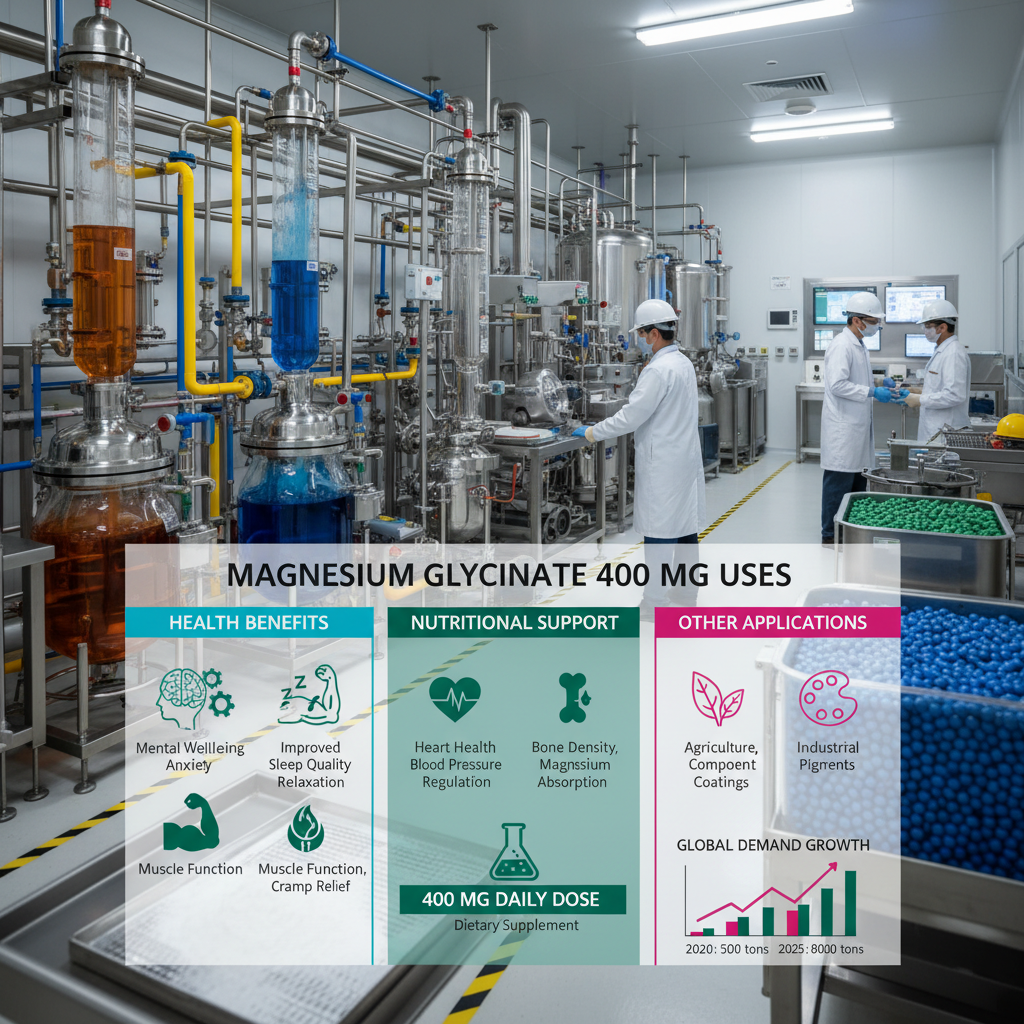
Magnesium glycinate’s versatile nature allows it to support numerous bodily functions. Here are five prominent uses, often with a 400mg daily dose:
- Improved Sleep: Glycine promotes relaxation, and magnesium helps regulate melatonin, a hormone crucial for sleep.
- Reduced Anxiety: Magnesium plays a role in neurotransmitter regulation, potentially alleviating anxiety symptoms.
- Muscle Relaxation: Magnesium helps prevent muscle cramps and spasms by supporting proper muscle function.
- Bone Health: Magnesium is a vital component of bone tissue and contributes to bone density.
- Blood Sugar Control: Magnesium improves insulin sensitivity, assisting with blood sugar management.
Magnesium Glycinate vs. Other Magnesium Forms
Different magnesium forms have varying absorption rates and effects. Here’s a comparison:
The Importance of Quality: Choosing HBFuyang Bio
The quality of your magnesium glycinate supplement is paramount. Impure supplements may contain contaminants or have lower bioavailability. HBFuyang Bio utilizes rigorous quality control measures, including third-party testing, to ensure our magnesium glycinate meets the highest standards of purity and potency. We provide Certificates of Analysis (COAs) to verify the quality of each batch.
Product Specifications: Magnesium Glycinate 400mg
Here are the detailed specifications for our magnesium glycinate 400mg product:
Conclusion: Embrace the Benefits of Magnesium Glycinate
Incorporating magnesium glycinate into your routine can offer a wide range of health benefits, from improved sleep and reduced anxiety to enhanced muscle function and bone health. Choosing a high-quality source like HBFuyang Bio ensures you're receiving a pure and potent product. Prioritize your wellbeing with the power of magnesium glycinate.
Frequently Asked Questions (FAQs)
What is the recommended daily dosage of magnesium glycinate?
The recommended daily allowance (RDA) for magnesium varies based on age and sex, but generally ranges from 310-420mg. A common dosage of magnesium glycinate is 400mg, taken once or divided into two 200mg doses. However, it’s best to consult with a healthcare professional to determine the optimal dosage for your individual needs. Factors such as existing health conditions, medications, and dietary intake can influence your magnesium requirements. Always start with a lower dose and gradually increase it as tolerated.
Can I take magnesium glycinate with other medications?
Magnesium can interact with certain medications, including antibiotics, diuretics, and proton pump inhibitors. It's crucial to discuss your medication list with your doctor or pharmacist before starting magnesium glycinate supplementation. They can assess potential interactions and advise you on the safe and appropriate use of magnesium alongside your existing medications. Do not self-treat or adjust your medication dosages without professional guidance.
Are there any side effects of taking magnesium glycinate?
Magnesium glycinate is generally well-tolerated, but some individuals may experience mild side effects, such as diarrhea, nausea, or stomach cramps, especially at higher doses. These side effects are usually temporary and can be minimized by starting with a low dose and gradually increasing it. If you experience persistent or severe side effects, discontinue use and consult with your doctor. Individuals with kidney problems should use magnesium supplements with caution and under medical supervision.