Understanding Magnesium Glycinate Absorption
Magnesium is an essential mineral involved in over 300 enzymatic reactions in the body. However, simply consuming magnesium isn't enough; optimal magnesium glycinate absorption is crucial for reaping its benefits. Magnesium glycinate is a highly bioavailable form of magnesium, meaning the body can utilize it effectively. This article dives into the factors influencing absorption, how magnesium glycinate stands out, and how to maximize its impact on your health. Adequate magnesium levels support nerve function, muscle relaxation, energy production, and much more. Choosing the right magnesium supplement and optimizing absorption can significantly improve overall well-being.
What Impacts Magnesium Absorption?
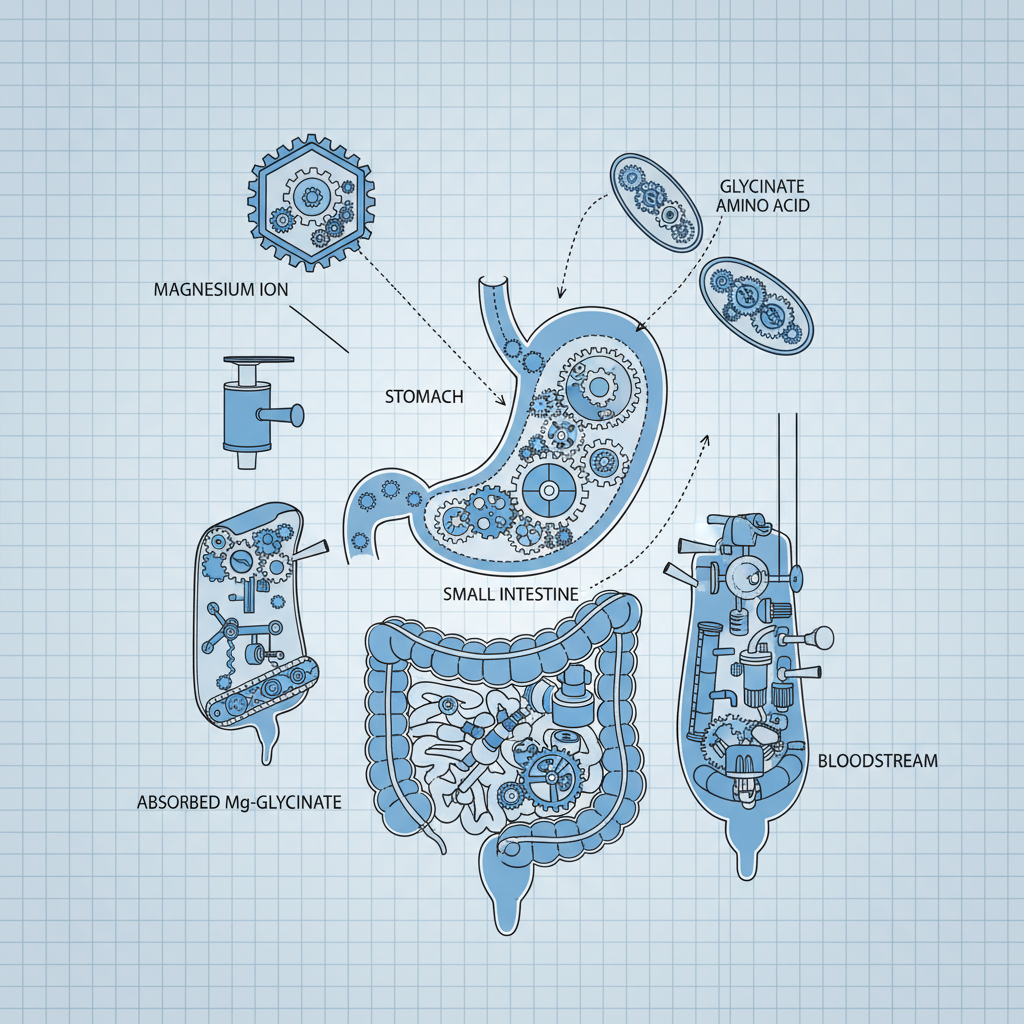
Several factors can influence how well your body absorbs magnesium. These include your gut health, vitamin D levels, age, kidney function, and even other dietary components. A compromised gut microbiome, for example, can hinder nutrient absorption. Insufficient vitamin D can also impair magnesium absorption. Furthermore, high intakes of calcium, iron, and phytates (found in grains and legumes) can compete with magnesium for absorption. Understanding these factors is key to optimizing your magnesium status.
Key Takeaway: Optimal magnesium absorption isn't just about taking a supplement; it's about addressing underlying factors that may be hindering your body's ability to utilize this vital mineral.
Magnesium Glycinate: Superior Absorption Rates
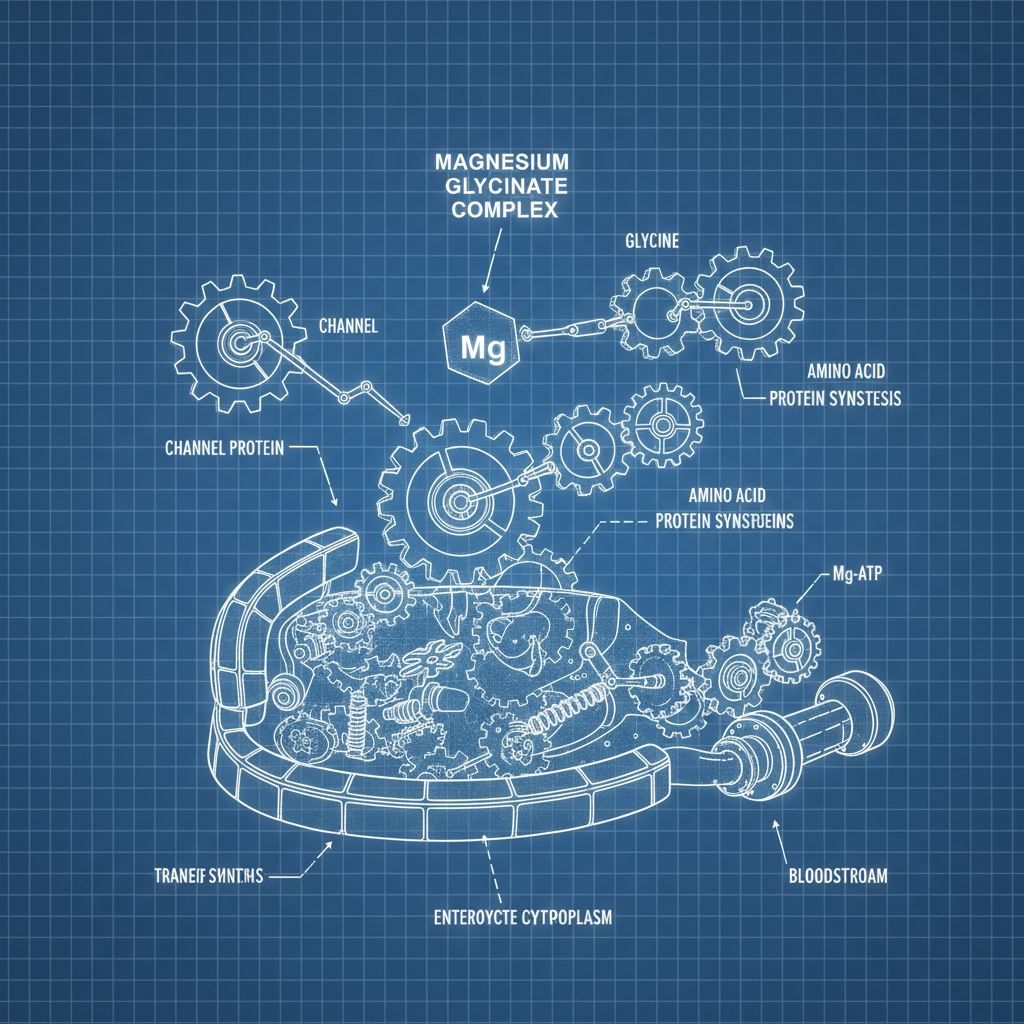
Magnesium glycinate is formed by binding magnesium with the amino acid glycine. This chelation process enhances absorption in several ways. Glycine itself has calming properties and may aid in magnesium transport across the intestinal wall. Unlike some other forms of magnesium, such as magnesium oxide, magnesium glycinate is gentle on the stomach and less likely to cause digestive upset, leading to better absorption. Studies suggest that magnesium glycinate boasts an absorption rate of approximately 80-90%, making it one of the most bioavailable forms available.
Benefits of Enhanced Absorption:
• Reduced digestive discomfort
• Higher bioavailability and utilization
• Improved efficacy in addressing magnesium deficiency
• Support for better sleep, mood, and muscle function
Comparing Magnesium Forms: Absorption Rates
Not all magnesium supplements are created equal. Different forms exhibit varying degrees of bioavailability. The following table outlines the approximate absorption rates of common magnesium supplements:
Optimizing Magnesium Glycinate Absorption
Even with a highly bioavailable form like magnesium glycinate, you can further enhance absorption. Consider these strategies: Take magnesium glycinate with food, particularly a meal containing some fat, which can aid absorption. Ensure adequate vitamin D levels. Support gut health through probiotics and a diet rich in fiber. Avoid taking magnesium at the same time as calcium, iron, or phytate-rich foods. HBFuyang Bio provides high-quality magnesium glycinate to help you optimize your health.
Product Specifications – HBFuyang Bio Magnesium Glycinate
Here’s a quick overview of the specifications of our premium Magnesium Glycinate:
Conclusion: Prioritize Absorption for Optimal Magnesium Benefits
Choosing magnesium glycinate is a smart first step, but maximizing absorption is equally important. By addressing factors like gut health, vitamin D levels, and dietary interactions, you can ensure your body effectively utilizes this vital mineral for optimal health and well-being. Investing in a high-quality supplement and implementing these absorption-enhancing strategies will unlock the full potential of magnesium.
Frequently Asked Questions (FAQs)
What are the signs of magnesium deficiency?
Magnesium deficiency can manifest in various ways, often subtly. Common signs include muscle cramps, fatigue, weakness, irregular heartbeat, and even anxiety. Some individuals may experience difficulty sleeping, headaches, or loss of appetite. Because magnesium is involved in so many bodily functions, deficiency symptoms can be widespread and non-specific. If you suspect a deficiency, it’s essential to consult with a healthcare professional for proper diagnosis and treatment. Magnesium glycinate supplementation can be a helpful part of addressing a deficiency, but it's best done under medical guidance.
Can I take magnesium glycinate with other supplements?
Generally, magnesium glycinate can be taken with many other supplements, but it's best to space them out to avoid potential interactions. Avoid taking it simultaneously with calcium, iron, or zinc supplements, as they compete for absorption. It's often recommended to take magnesium at a different time of day than these minerals. If you’re taking any medications, particularly diuretics or antibiotics, consult with your doctor or pharmacist before starting magnesium supplementation to ensure there are no contraindications.
How much magnesium glycinate should I take daily?
The recommended daily allowance (RDA) for magnesium varies depending on age and gender. However, many adults don't meet the RDA through diet alone. The typical dosage of magnesium glycinate ranges from 200-400mg per day, but this can be adjusted based on individual needs and under the guidance of a healthcare professional. Start with a lower dose and gradually increase it to assess your tolerance and minimize potential digestive upset. It's important to listen to your body and adjust the dosage accordingly.
Is magnesium glycinate safe for everyone?
Magnesium glycinate is generally considered safe for most people when taken as directed. However, individuals with kidney problems should exercise caution and consult with a doctor before taking magnesium supplements, as impaired kidney function can lead to magnesium buildup in the body. High doses of magnesium can cause diarrhea, nausea, and abdominal cramping. If you experience any adverse effects, discontinue use and consult with a healthcare professional.