Magnesium Bisglycinate Uses: A Comprehensive Guide
Magnesium is an essential mineral involved in over 300 enzymatic reactions in the body. While many forms of magnesium exist, magnesium bisglycinate is highly regarded for its superior bioavailability and gentle effect on the digestive system. This article will explore the numerous magnesium bisglycinate uses, benefits, and why it's often preferred over other magnesium supplements. Understanding its role in maintaining optimal health can help you make informed decisions about your supplementation needs.

Understanding Magnesium Bisglycinate
Magnesium bisglycinate is formed by binding magnesium with the amino acid glycine. This chelation process significantly enhances absorption in the gut, meaning more magnesium is available for the body to utilize. Unlike some other magnesium forms, such as magnesium oxide, bisglycinate is less likely to cause digestive upset, including diarrhea. The glycine component also offers added benefits, potentially promoting relaxation and improved sleep quality. Its gentle nature makes it an excellent choice for individuals sensitive to other magnesium supplements or those looking for long-term magnesium support.
Key Highlights: Highly bioavailable, gentle on the stomach, promotes relaxation, supports optimal magnesium levels.
Top 6 Magnesium Bisglycinate Uses
The versatility of magnesium bisglycinate extends to numerous health benefits. Here are six key applications:
- Improved Sleep Quality: Magnesium bisglycinate supports healthy GABA levels, a neurotransmitter that promotes relaxation and sleep.
- Reduced Muscle Cramps and Spasms: Adequate magnesium levels are crucial for muscle function, helping to prevent cramps and spasms.
- Stress and Anxiety Relief: Magnesium plays a role in regulating the body’s stress response, potentially reducing feelings of anxiety and promoting calmness.
- Bone Health: Magnesium is essential for bone formation and density, contributing to strong and healthy bones.
- Heart Health: Magnesium supports healthy heart rhythm and blood pressure, crucial for cardiovascular well-being.
- Blood Sugar Regulation: Magnesium enhances insulin sensitivity, potentially aiding in healthy blood sugar management.
Magnesium Bisglycinate vs. Other Magnesium Forms
Choosing the right magnesium supplement can be confusing. Here's a comparison of magnesium bisglycinate with other common forms:
Dosage and Considerations
The optimal dosage of magnesium bisglycinate varies depending on individual needs and health conditions. A common starting dose is 200-400mg daily, but it's best to consult with a healthcare professional to determine the appropriate amount for you. It's also important to be mindful of potential interactions with medications. Individuals with kidney problems should exercise caution and consult their doctor before taking magnesium supplements.
Where to Source High-Quality Magnesium Bisglycinate
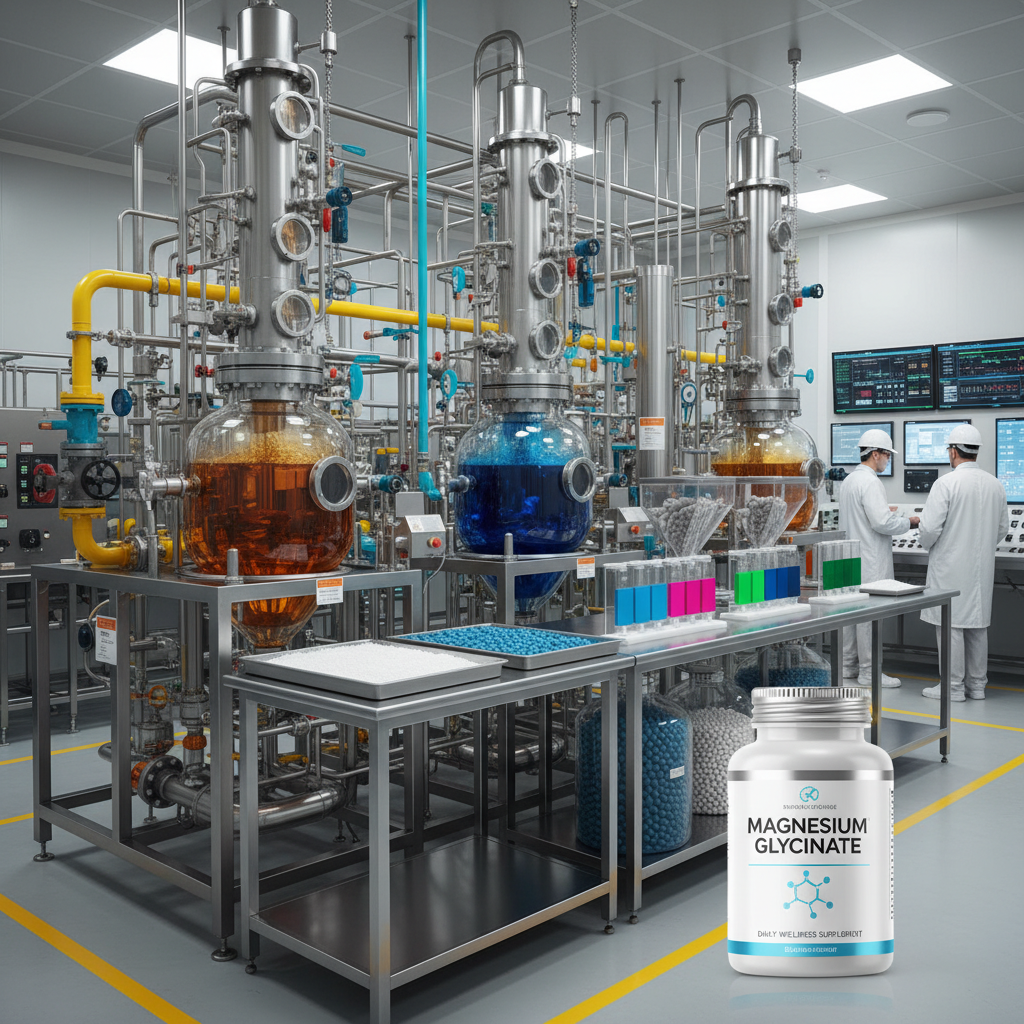
When choosing a magnesium bisglycinate supplement, opt for reputable brands that prioritize quality and purity. HBFuyang Bio is a trusted supplier of high-quality magnesium bisglycinate, adhering to strict manufacturing standards to ensure product efficacy and safety. Look for products that are third-party tested for potency and contaminants.
Conclusion
Magnesium bisglycinate offers a highly bioavailable and gentle way to address magnesium deficiency and support overall health. From improving sleep to reducing stress and promoting heart health, its benefits are far-reaching. By choosing a high-quality supplement from a trusted source like HBFuyang Bio, you can ensure you're getting a product that delivers optimal results.
Frequently Asked Questions (FAQs)
What are the signs of magnesium deficiency?
Signs of magnesium deficiency can be subtle but include muscle cramps, fatigue, weakness, irregular heartbeat, and even anxiety and depression. Poor sleep quality, headaches, and nausea can also be indicators. Many people don’t realize they are deficient, as symptoms are often non-specific. Dietary factors, certain medications, and underlying health conditions can contribute to magnesium depletion. Getting your magnesium levels checked by a healthcare professional is the best way to determine if you are deficient.
Can I take magnesium bisglycinate with other supplements?
Generally, magnesium bisglycinate can be taken with most other supplements. However, it's important to be mindful of potential interactions. Avoid taking magnesium with calcium channel blockers or certain antibiotics without consulting your doctor. It’s also best to separate magnesium intake from iron or zinc supplements by a few hours, as they can compete for absorption. Always inform your healthcare provider about all the supplements you are taking.
Is magnesium bisglycinate safe during pregnancy?
Magnesium is crucial during pregnancy, but it's essential to consult with your doctor before taking any supplements, including magnesium bisglycinate. While generally considered safe, the appropriate dosage during pregnancy needs to be determined by a healthcare professional. Magnesium supplementation can help alleviate pregnancy-related symptoms like leg cramps and constipation, but excessive intake can be harmful. Always prioritize medical guidance during pregnancy.