Magnesium Glycinate Mg: A Comprehensive Guide
Magnesium is an essential mineral involved in over 300 enzymatic reactions in the body, playing a vital role in nerve function, muscle relaxation, blood sugar control, and blood pressure regulation. However, many individuals don't get enough magnesium through diet alone. Magnesium glycinate is a highly bioavailable form of magnesium, meaning it's easily absorbed by the body. This article will explore the benefits of magnesium glycinate, its uses, dosage, and potential side effects, helping you understand if it's the right supplement for you.

What is Magnesium Glycinate?
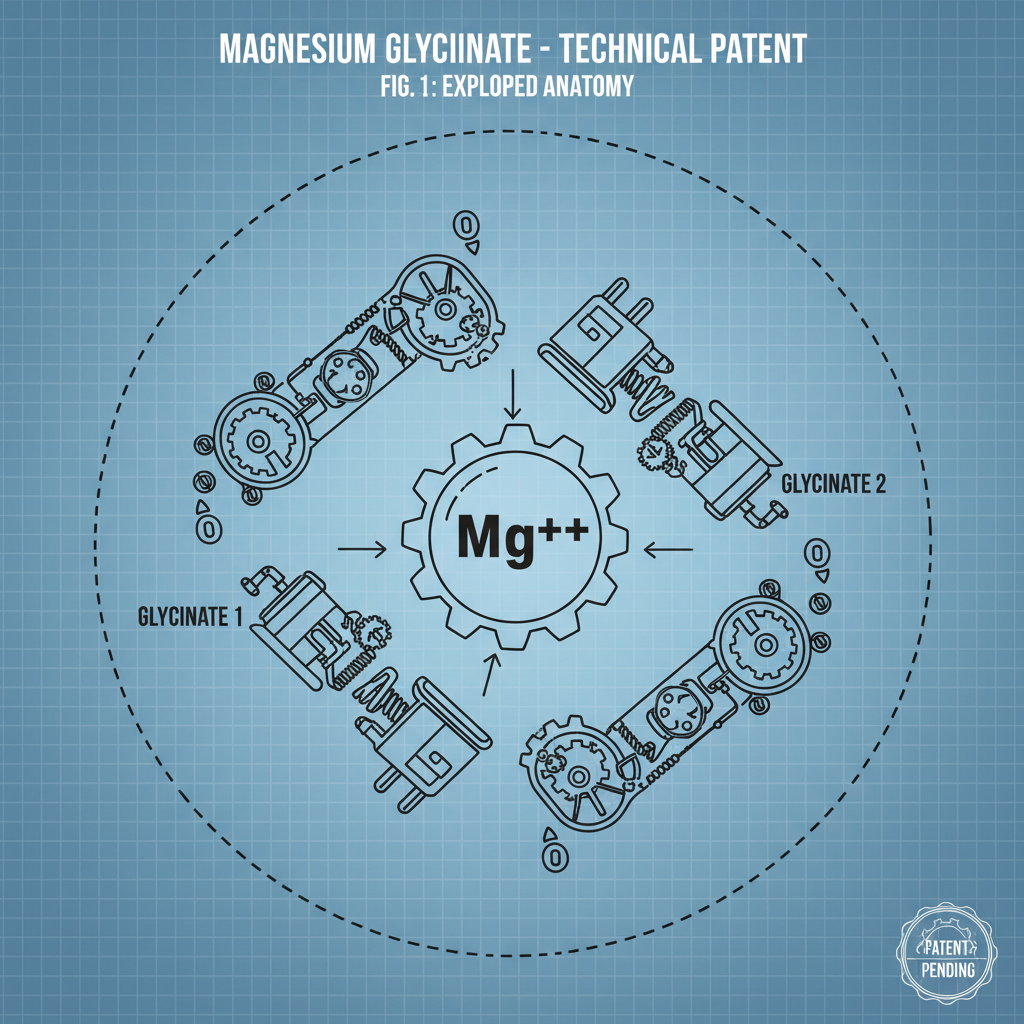
Magnesium glycinate is a salt formed by binding magnesium with glycine, an amino acid known for its calming properties. This combination enhances absorption compared to other forms of magnesium like magnesium oxide. Because glycine also supports relaxation, magnesium glycinate is often preferred by those looking to improve sleep quality and reduce anxiety. It is gentle on the stomach, minimizing the risk of digestive upset often associated with other magnesium supplements. HB Fuyang Bio-Tech Co., Ltd. offers high-quality magnesium glycinate for various applications.
Key Highlights: Highly bioavailable, gentle on the stomach, promotes relaxation, and supports sleep quality.
The Benefits of Magnesium Glycinate Mg
The benefits of magnesium glycinate are numerous. It can help improve sleep quality by calming the nervous system, reduce anxiety and stress by promoting GABA production, and alleviate muscle cramps and soreness due to its role in muscle relaxation. Furthermore, it supports bone health, regulates blood sugar levels, and may even reduce the risk of migraines. Individuals with chronic conditions like fibromyalgia, chronic fatigue syndrome, and type 2 diabetes may find magnesium glycinate particularly beneficial.
Magnesium Glycinate Benefits:
• Improves sleep quality
• Reduces anxiety and stress
• Alleviates muscle cramps
• Supports bone health
Magnesium Glycinate vs. Other Magnesium Forms
Not all magnesium supplements are created equal. Magnesium oxide, for instance, is inexpensive but poorly absorbed. Magnesium citrate can have a laxative effect. Magnesium chloride can also be well-absorbed, but some find it irritating to the stomach. Magnesium glycinate strikes a balance, offering high bioavailability and minimal side effects. Choosing the right form depends on individual needs and tolerance.
Dosage and Considerations for Magnesium Glycinate Mg
The recommended daily allowance of magnesium varies depending on age and gender, but generally falls between 310-420mg. A typical dose of magnesium glycinate for sleep or anxiety is 200-400mg taken before bed. It's best to start with a lower dose and gradually increase it to assess your tolerance. Always consult with your healthcare provider before starting any new supplement regimen, especially if you have kidney problems or are taking medications.
Product Specifications – HB Fuyang Bio-Tech Co., Ltd.
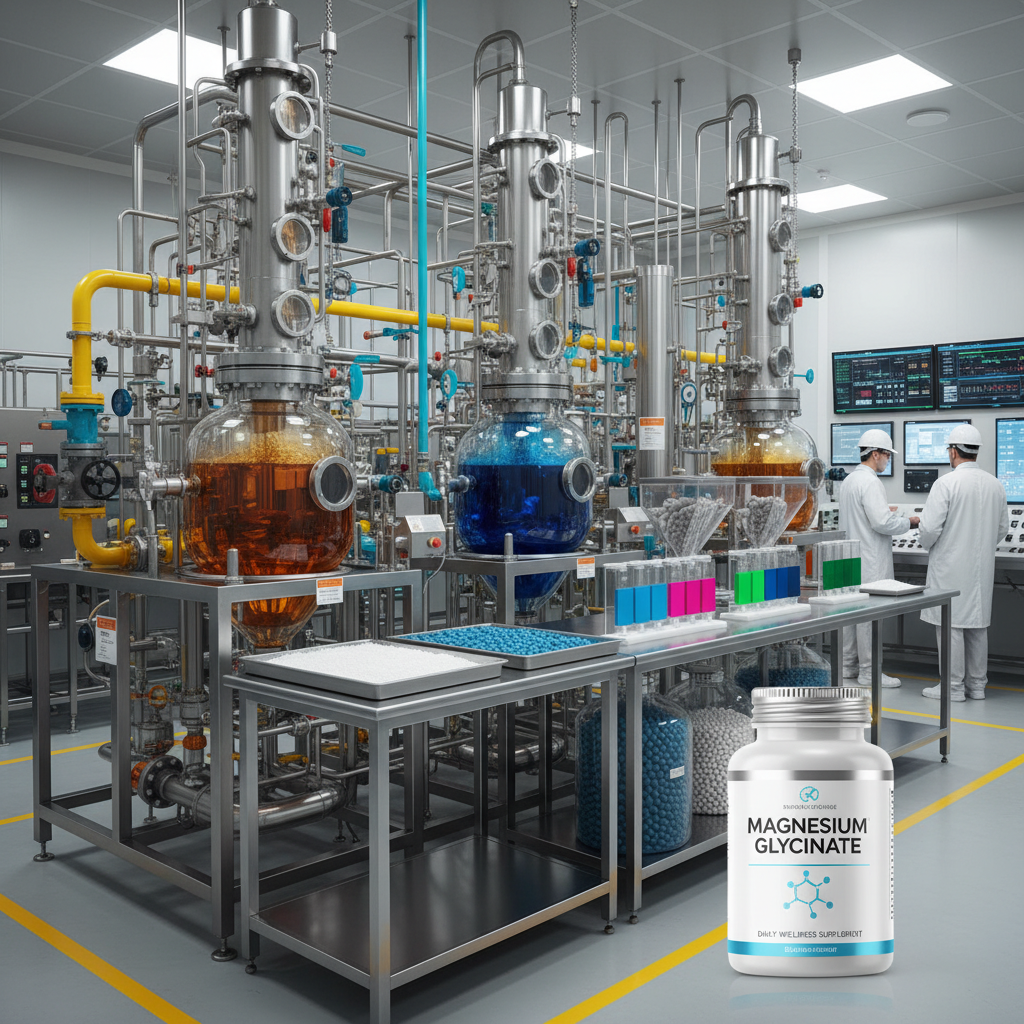
We at HB Fuyang Bio-Tech Co., Ltd. offer high purity Magnesium Glycinate meeting stringent quality standards.
Conclusion: Harnessing the Power of Magnesium Glycinate
Magnesium glycinate is a superior form of magnesium supplementation, offering enhanced bioavailability, gentle digestion, and a range of health benefits. From promoting restful sleep to alleviating muscle cramps, it can be a valuable addition to a healthy lifestyle. Choose a reputable supplier like HB Fuyang Bio-Tech Co., Ltd. to ensure quality and purity.
Frequently Asked Questions (FAQs)
Can I take magnesium glycinate with other supplements?
Generally, magnesium glycinate can be taken with most other supplements. However, it's best to avoid taking it with calcium supplements at the same time, as they can compete for absorption. Also, be cautious when combining it with certain medications, such as diuretics, antibiotics, and proton pump inhibitors. Always consult your healthcare provider to ensure there are no potential interactions. Magnesium can enhance the absorption of other nutrients, making it a beneficial addition to a comprehensive supplement routine.
Are there any side effects of magnesium glycinate?
Magnesium glycinate is generally well-tolerated, but some individuals may experience mild side effects such as diarrhea, nausea, or stomach cramps, particularly at higher doses. These side effects are usually temporary and can be minimized by starting with a lower dose and increasing it gradually. If you experience persistent or severe side effects, discontinue use and consult your healthcare provider. Individuals with kidney problems should use caution and consult their doctor before taking magnesium glycinate.
How long does it take to see the benefits of magnesium glycinate?
The time it takes to experience the benefits of magnesium glycinate varies depending on individual factors such as magnesium deficiency levels, overall health, and dosage. Some individuals may notice improvements in sleep quality or muscle relaxation within a few days, while others may take several weeks to see significant results. Consistency is key – taking magnesium glycinate regularly as directed is important to achieve optimal benefits.