
Advanced betaine hcl health benefits for Chilean Livestock

Optimizing animal nutrition across the diverse climatic zones of Chile with premium additive solutions to enhance growth and stress resistance.

Advanced betaine hcl health benefits for Chilean Livestock

Providing high-purity feed additives tailored for the South American market, focusing on metabolic efficiency and heat stress mitigation.

Current Landscape of Feed Additives in Chile

Analyzing the integration of specialized chemistry in South American animal husbandry.

Chile's agricultural sector faces unique challenges due to its extreme geographic contrast, from the arid Atacama North to the humid South. This variability necessitates the use of specific amino acids to ensure consistent livestock performance across different thermal environments.

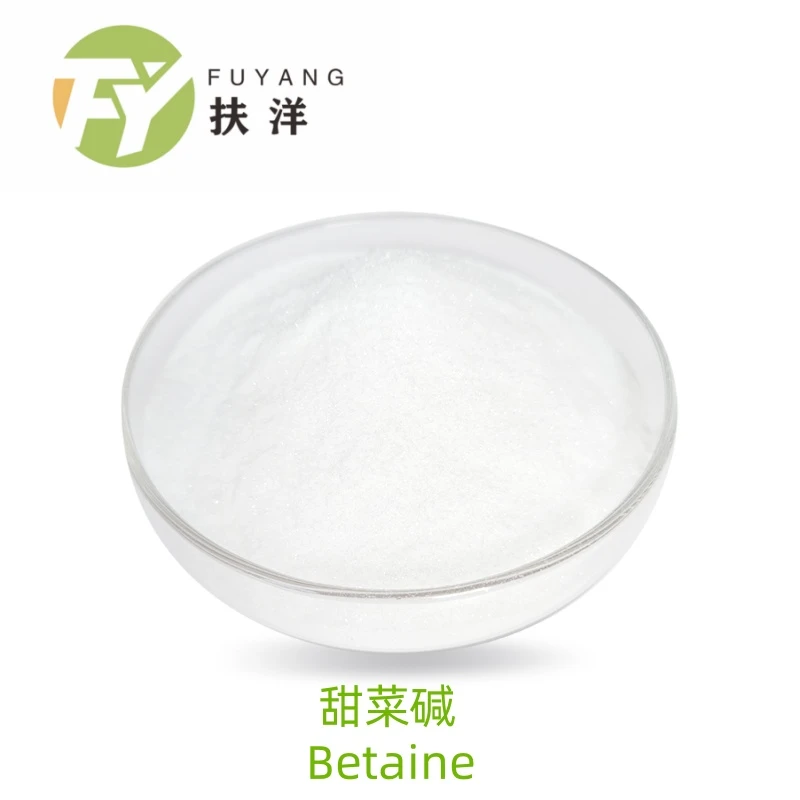
The Chilean swine and poultry industries have shifted toward precision nutrition, recognizing that generic feed is insufficient. The demand for betaine plus has surged as producers seek to optimize methyl donor availability, which is critical for lipid metabolism and liver health in high-altitude farming regions.

Currently, the market is transitioning from basic protein supplementation to the application of premier hcl betaine hydrochloride, which offers superior stability and bioavailability, helping farmers combat the oxidative stress caused by rapid temperature fluctuations in the central valleys.
Evolution of Nutritive Chemistry in South America

From bulk protein to molecular precision in feed formulation.

Market Development History

Prior to 2010, the Chilean market relied heavily on raw soybean meal and corn, with little focus on the specific types of amino acids required for maximum genetic potential. Nutrition was quantitative rather than qualitative.

Between 2010 and 2020, the "Precision Era" began. The introduction of synthetic amino acids allowed for the reduction of crude protein levels, lowering nitrogen excretion and reducing environmental impact in the coastal regions.

From 2020 to the present, the focus has shifted to osmoprotectants. The adoption of hydrochloride-based betaine has become the standard for managing metabolic stress, marking a move toward biochemical stability in animal cells.

Future Development Trends

Bio-Synthetic Synergy

Integration of fermented amino acids with chemical stabilizers to create "hybrid" additives that mimic natural absorption patterns.

Climate-Adaptive Nutrition

Formulations that dynamically adjust to Chile's seasonal heat waves, utilizing betaine's properties as an osmolyte to prevent cellular dehydration.

Data-Driven Inclusion Rates

Use of AI and real-time livestock monitoring to adjust the dosage of specialized additives based on immediate physiological stress markers.

Future Trends and Industry Outlook

Strategic projections for the specialized chemical additive sector in Chile.

Osmotic Balance Optimization
Increasing focus on maintaining cellular pressure during extreme heat in Northern Chile.
Nitrogen Footprint Reduction
Replacing crude protein with synthetic amino acids to meet Chilean environmental regulations.
Liver Function Support
Utilizing betaine to combat fatty liver syndrome in intensive swine production.
Sustainable sourcing
Transitioning to green-chemistry certified additives to attract eco-conscious exports.

Industry Outlook

The Chilean feed market is expected to grow at a CAGR of 4.5% over the next 5 years, driven by the demand for high-protein exports to Asia. This will force a tighter integration of amino acids to maintain cost-efficiency.

Google search trends indicate a rising interest in "metabolic stress management" and "natural growth promoters" in South America, suggesting that betaine-based solutions will move from niche additives to core formulation components.

Localized Application Scenarios in Chile

Tailoring additive chemistry to Chilean environmental and biological needs.

1. Central Valley Poultry Heat Stress

During the hot Chilean summer, broiler chickens suffer from heat stress. Adding betaine helps maintain cellular hydration and reduces mortality rates.

2. Southern Region Swine Growth

In the colder southern regions, specialized amino acid blends are used to maintain metabolic heat production and ensure lean muscle growth.

3. High-Altitude Livestock Metabolism

For livestock in Andean foothills, betaine supports liver function and detoxification, countering the effects of hypoxia and low-quality forage.

4. Intensive Aqua-feed for Salmon

Integrating osmoprotectants in salmon feed in the Patagonia region to improve salinity tolerance and growth rates in hatcheries.

5. Export-Grade Beef Production

Precision application of amino acids to improve the marbling and tenderness of Chilean beef destined for high-end global markets.

Brand Story

Global Development History of Hebei Fuyang Bio-Technology Co., Ltd.

Foundational Excellence

Established with a mission to bridge the gap between chemical purity and biological efficacy in animal nutrition.

Technological Breakthrough

Developed proprietary synthesis processes for betaine HCL, ensuring unmatched solubility and stability for global shipping.

South American Expansion

Strategically entered the Chilean market to provide tailored solutions for the unique geographic challenges of the region.

Quality Standardization

Achieved international certifications to ensure that every batch of additive meets the strictest global safety standards.

Future Vision

Commitment to sustainable "Green Chemistry" to help Chilean farmers achieve carbon-neutral livestock production.

Complete Product Portfolio for Chile

A comprehensive range of additives designed for South American climatic conditions.

Chilean Feed Industry FAQ

Expert answers to common technical queries from local producers.

What are the primary types of amino acids used in Chilean swine feed?

The most common types include Lysine, Methionine, and Threonine, which are essential for maintaining growth rates in the varied climates of the Central and Southern regions.

How does betaine plus improve feed conversion ratios in poultry?

It acts as a methyl donor and osmoprotectant, reducing the energy required for stress management and redirecting it toward muscle growth and weight gain.

What makes premier hcl betaine hydrochloride superior to anhydrous betaine?

The HCL form offers significantly higher solubility and stability in feed mixes, preventing clumping and ensuring uniform distribution in automated feeding systems.

Can betaine hcl health benefits mitigate heat stress in Northern Chile?

Yes, it protects cells from dehydration by maintaining osmotic pressure, which is critical for animals exposed to the arid heat of the Atacama regions.

Is there a synergy between betaine and other amino acids?

Absolutely. Betaine optimizes the metabolism of methyl-group amino acids like Methionine, effectively reducing the required dosage of expensive synthetic Methionine.

How should additives be stored in the humid Southern regions of Chile?

Additives should be stored in cool, dry environments with moisture-proof packaging to prevent hygroscopic absorption, especially for HCL-based products.

Ready to Optimize Your Feed Strategy?

Our technical team is ready to provide customized additive solutions for your livestock operations in Chile.

Contact Us Now

If you are interested in our products, you can choose to leave your information here, and we will be in touch with you shortly.


788a90d9-faf5-4518-be93-b85273fbe0c01