
Market Analysis
The Landscape of Animal Nutrition in Qatar
Evaluating the intersection of arid climates and high-efficiency food production.
Qatar's livestock industry operates under unique environmental constraints, where extreme heat and humidity significantly impact animal metabolism. The market is characterized by a transition towards high-intensity farming, requiring a shift from bulk feeding to precision nutrition. Because most raw materials are imported, the industry relies heavily on high-concentration, stable additives that can withstand transport and storage in hot climates without losing efficacy. This creates a strong demand for chemically stable amino acids and mineral chelates that ensure consistent growth and health.
Current trends show a marked increase in the adoption of biochemistry-driven feed solutions. Operators are moving away from simple inorganic salts toward organic chelates and specialized methyl donors. The driver behind this is the need to reduce environmental nitrogen excretion while maximizing muscle development in poultry and cattle. Furthermore, the integration of "green" and "intelligent" solutions is becoming a priority, as the government emphasizes food security and sustainable agricultural practices to reduce dependence on global supply chains.
The primary opportunity lies in the gap between generic product supply and technical application. Many producers in the region possess the raw materials but lack the precise "nutritional recipe" to optimize animal performance. By providing not just the product, but the technical framework for its use, companies can solve the constraint of low feed efficiency. The outlook for Qatar remains bullish on high-value biochemical additives, particularly those that address heat-stress recovery and immune system fortification.
Industry Evolution
The Journey of Feed Additive Technology
From basic supplementation to molecular precision in animal nutrition.
Early Adoption
Basic Supplementation
Focus was primarily on filling caloric gaps with bulk grains and simple inorganic mineral salts, with limited understanding of specific amino acid requirements.
Recent Development
Synthetic Amino Acids
The industry shifted toward purified synthetic amino acids to reduce protein waste, though absorption issues and heat-stress instability remained common problems.
Current Phase
Bio-Chelation & Technical Service
Modern nutrition focuses on chelation technology and tailored technical services to maximize bioavailability and metabolic efficiency under extreme conditions.
Shift to Bio-available Chelates
The transition from inorganic minerals to glycine and betaine chelates represents a fundamental change in how nutrients are delivered. By wrapping minerals in amino acids, the feed additive bypasses common absorption barriers in the gut, ensuring that the animal receives the necessary micronutrients regardless of digestive stress.
Integration of Osmoprotectants
The realization that methyl donors like betaine are essential for cellular stability in hot climates has led to their widespread use. This evolution moves the industry from merely "feeding" to "protecting" the animal's cellular integrity against environmental stressors.
Service-Centric Supply Models
The most successful models now combine product supply with comprehensive technical consultancy. This ensuring that the chemical potential of an additive is fully realized through precise dosage and synergistic combinations in the final feed mix.
Future Directions
Emerging Trends in Specialized Feed Biochemistry
The convergence of sustainability and molecular science in livestock productivity.
Molecular Precision Dosing
The industry is moving toward real-time nutritional adjustments where amino acid levels are tuned to the animal's daily metabolic state to eliminate waste.
Eco-Friendly Nitrogen Reduction
Using high-efficiency amino acids to replace raw protein sources, drastically reducing ammonia emissions and improving environmental compliance.
Enhanced Betaine Synergy
Research into combining premier hcl betaine hydrochloride with specific trace minerals to create a synergistic effect on liver function and fat metabolism.
Gut-Axis Modulation
Utilizing amino acid derivatives to modulate the gut-brain axis, reducing animal stress levels and preventing appetite loss during transport or vaccination.
The overarching shift in the industry is the move toward "Biological Efficiency." It is no longer enough to provide the required nutrients; the focus has shifted to how those nutrients are delivered and absorbed. In Qatar, where heat stress is a constant variable, the role of osmoprotectants and chelates is critical. These technologies prevent the "nutrient leak" that typically occurs during metabolic stress, ensuring that every gram of additive translates into measurable growth or health improvement.
Furthermore, the integration of technical services into the supply chain is redefining the relationship between manufacturers and producers. By offering product design and supply chain management as a unified package, providers can ensure that the chemical purity of the amino acids is matched by the precision of the application. This holistic approach is the only way to achieve sustainable food security in challenging geographic environments.
Practical Applications
Deployment in Qatar's Agricultural Ecosystem
How specialized biochemistry solves real-world production challenges in arid regions.
01
Poultry Farms Facing Peak Summer Heat Stress
In large-scale broiler farms in Qatar, high temperatures lead to reduced feed intake and dehydration. By integrating betaine HCL into the water and feed system, operators can stabilize osmotic pressure in the birds' cells. This prevents cellular collapse and maintains appetite, resulting in more consistent weight gain across the flock even during 40°C+ days.
02
Dairy Cattle Optimizing Milk Yield and Quality
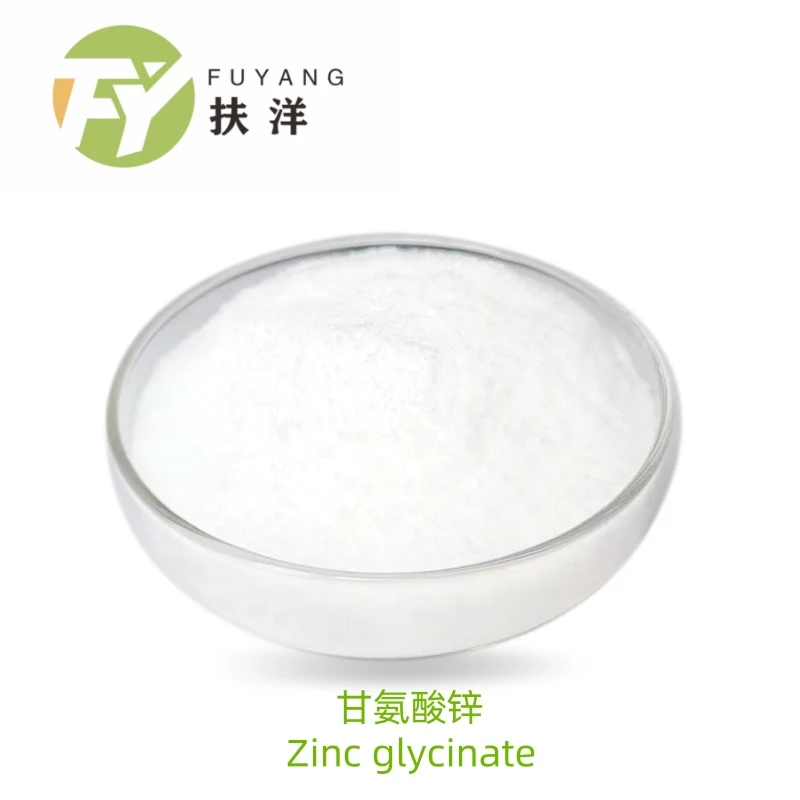
Dairy producers often struggle with trace mineral deficiencies that affect udder health and milk protein levels. Implementing manganese and zinc glycine chelates ensures these minerals are absorbed efficiently without competing with other nutrients. This lead to improved immune response in cows and a higher concentration of essential proteins in the milk produced.
03
Aqua-culture Systems in Coastal Facilities
Shrimp and fish farms in Qatar's coastal regions face salinity fluctuations that stress the animals. The use of organic amino acids as metabolic primers helps the aquatic species adapt to salinity changes more rapidly, reducing mortality rates during water exchange and improving the overall growth cycle speed.
04
Feed Mills Transitioning to Low-Protein Diets
To reduce environmental impact and costs, a Qatar-based feed mill implements a low-crude-protein strategy. By precisely replacing bulk protein with purified synthetic amino acids and betaine, they maintain the "ideal protein" ratio. This results in lower nitrogen excretion in manure while maintaining the same growth performance in the livestock.
05
Livestock Transport and Stress Recovery
During the transport of animals between facilities, stress levels spike, leading to "shipping fever" and weight loss. Administering a concentrated mix of amino acid chelates and osmoprotectants immediately post-transport helps the animals recover their metabolic balance faster, reducing the time needed to return to normal feeding patterns.
Representative Contexts
Industry Application Perspectives
Illustrative scenarios based on typical livestock operator needs and nutritional outcomes.
Implementing high-purity betaine HCL was a turning point for managing heat stress in our broiler operations. We observed a significant stabilization in weight gain and a reduction in heat-related mortality during the peak summer months, which directly improved our operational stability.
The transition to glycine-based mineral chelates solved our chronic mineral deficiency issues. Unlike inorganic salts, these additives showed much higher bioavailability, which we could measure through improved animal health and lower supplement wastage in the feed.
What we valued most was the combination of a reliable product supply with actual technical guidance. Having a partner who understands the precise amino acid balance required for different growth stages allowed us to optimize our feed formulas for maximum ROI.
Our Legacy
Hebei Fuyang Biotechnology Co., Ltd.
Driving innovation in amino acids through core technology and global service.
Foundation
Establishment and Vision
Founded with the purpose of "mastering core technology and serving global trade," Hebei Fuyang Biotechnology committed itself to becoming a technical leader in the amino acid field.
Growth Phase
Core Technology Mastery
Developed independent intellectual property rights for the synthesis of high-purity amino acids and chelates, expanding from a product supplier to a comprehensive technical service enterprise.
Future Outlook
Global Green Solutions
Continuing to deepen technological innovation to provide more efficient, intelligent, and green solutions for the high-quality development of the global animal nutrition trade.
N-Carbamylglutamic Acid
N-Acetylcysteine
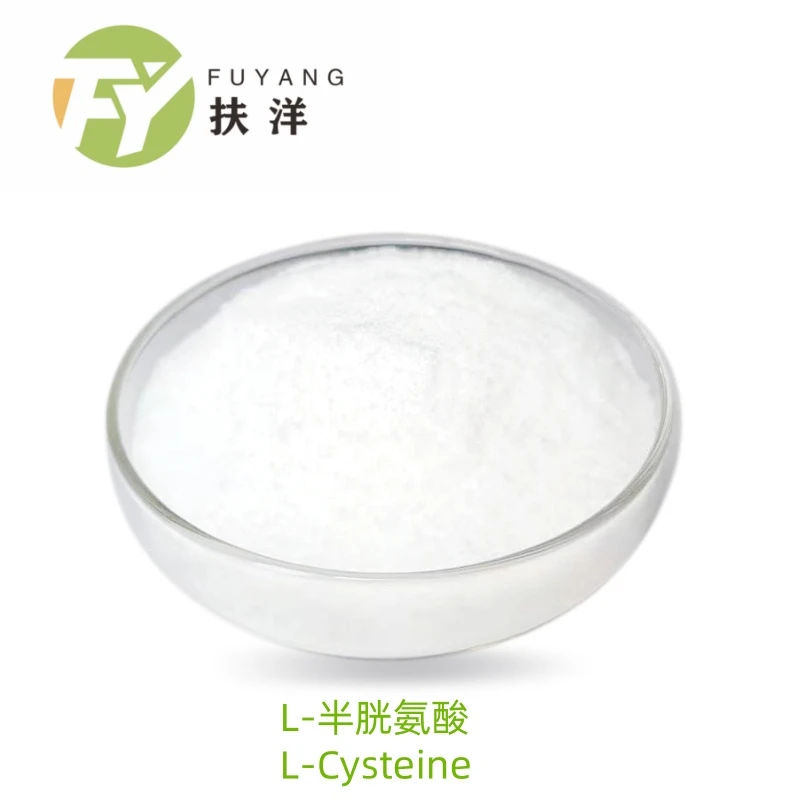
L-Cysteine Hydrochloride Monohydrate
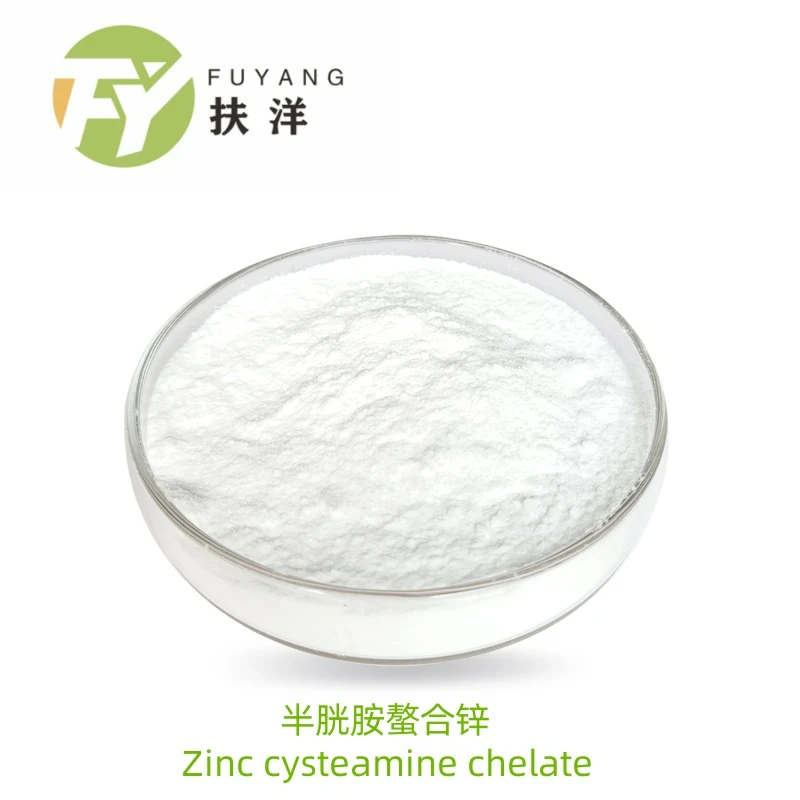
Zinc Cysteine Chelate
Expert Q&A
Frequently Asked Questions on Amino Acids
Technical answers to help you choose the right nutritional additives.
What are the different types of amino acids used in animal feed?
Amino acids in feed are generally divided into essential amino acids (which the animal cannot synthesize) and non-essential ones. Key examples include lysine, methionine, threonine, and specialized derivatives like betaine. While essential amino acids drive growth and muscle development, derivatives like betaine function as methyl donors and osmoprotectants, which are critical for maintaining cellular stability during environmental stress, especially in arid regions like Qatar.
What are the betaine hcl health benefits for livestock?
Betaine HCL offers multiple physiological benefits. Primarily, it acts as an osmolyte, protecting cells from dehydration during heat stress. Secondly, it supports liver function by promoting the conversion of homocysteine to methionine, reducing fat accumulation in the liver. Finally, it improves feed conversion ratios (FCR) by enhancing the absorption of other nutrients in the gut, leading to faster growth and better overall health.
How do I implement these additives in the Qatar climate?
In Qatar, implementation should focus on "Peak Stress" scheduling. We recommend increasing the dosage of betaine and amino acid chelates during the summer months to counteract heat-induced metabolic drops. Additionally, ensure that these additives are stored in climate-controlled environments to prevent degradation. Integrating them into both the feed and the water system can provide a more rapid response to acute heat stress events.
What is the technical difference between standard minerals and chelates?
Standard minerals are typically inorganic salts (e.g., sulfates or oxides) which can easily bind with other feed components, becoming unabsorbable. Chelated minerals, such as those using glycine or betaine, "wrap" the mineral ion in an organic molecule. This protects the mineral from antagonistic reactions in the digestive tract and allows it to be absorbed through amino acid transport pathways, significantly increasing the actual amount of mineral that reaches the animal's system.
How does the cost of high-purity additives compare to standard feed?
While the initial price per kilogram of a high-purity amino acid or chelate is higher than bulk inorganic options, the "cost per unit of growth" is often lower. Because of the higher bioavailability and the reduction in feed wastage, you can often reduce the total volume of feed required to reach target weights. When you factor in the reduction in mortality and the improvement in animal health, the ROI is typically higher than using low-cost, low-efficiency alternatives.
What is the next step to optimize my feed formulation?
The first step is a comprehensive audit of your current feed composition and the specific environmental stressors your animals face. We recommend consulting with a technical service provider to design a tailored amino acid profile. Once the ideal ratio is determined, you can implement a phased introduction of high-purity additives to monitor the impact on growth and health, eventually scaling to a full precision nutrition program.
Expert Consultation
Optimize Your Livestock Productivity in Qatar
Whether you are managing a large-scale poultry farm or a specialized dairy facility in Qatar, the right amino acid balance can be the difference between average and exceptional yields. Our team at Hebei Fuyang Biotechnology combines premium chemical manufacturing with deep technical expertise to help you design a feed strategy that maximizes growth and resilience. Contact us today to discuss your specific nutritional requirements and receive a tailored technical solution.
Discuss Your Requirements