Regional Analysis
The Cambodian Feed Additives Landscape
Understanding the intersection of aquaculture, swine, and poultry markets in Southeast Asia.
Cambodia's agricultural sector is undergoing a transition from traditional subsistence farming to commercialized livestock production. The demand for high-quality feed additives is driven primarily by the growth of the swine and poultry industries in provinces surrounding Phnom Penh. However, the market remains fragmented, with a heavy reliance on imported premixes. The environmental context—marked by high humidity and temperatures—makes the stability of chemical additives critical, as degradation during storage can lead to significant nutrient loss and reduced animal performance.
Current trends indicate a shift toward "precision nutrition," where farmers move away from generic feed toward species-specific amino acid profiles. There is an increasing focus on the use of betaine plus and other methyl donors to combat the metabolic stress caused by the tropical climate. Furthermore, the adoption of chelated minerals is rising as producers realize that organic-bound minerals offer superior bioavailability compared to inorganic salts, leading to faster weight gain and better feed conversion ratios (FCR).
The primary opportunity in the Cambodian market lies in the integration of technical service with product supply. Local feed mills often lack the biochemical expertise to optimize amino acid ratios based on real-time animal growth data. By providing a combination of high-purity chemicals and technical guidance on formulation, companies can reduce waste and improve the profitability of livestock operations. The outlook remains positive as Cambodia continues to integrate deeper into regional trade networks, increasing the standard for feed quality and safety.
Technological Path
Evolution of Amino Acid Application
From basic protein supplementation to targeted molecular nutrition.
Early Adoption
Protein-Based Feeding
Livestock relied on raw corn and soy. Nutrition was imprecise, leading to excessive nitrogen waste and slow growth rates due to missing limiting amino acids.
Recent Development
Synthetic Integration
Introduction of pure amino acids like Lysine and Methionine. This reduced the need for excessive raw protein, improving cost-efficiency and gut health.
Current Phase
Bio-Technical Optimization
Shift toward chelates, nano-selenium, and methyl donors like betaine to optimize metabolic pathways and combat climate-induced stress.
From Bulk to Bio-Available
The industry has moved from measuring nutrition by total quantity to measuring it by absorption rate. This transition emphasizes the use of chelates over salts to prevent nutrient antagonism in the digestive tract.
Climate-Responsive Nutrition
Modern formulations now incorporate "stress-shield" additives. Methyl donors are no longer optional but essential for maintaining livestock productivity during Cambodia's intense heatwaves.
Environmental Sustainability
By optimizing the amino acid profile, farmers reduce the excretion of nitrogen and phosphorus, aligning commercial livestock production with global green agriculture standards.
Future Outlook
Next-Generation Trends in Feed Science
Adapting to the changing biological and regulatory demands of the 21st century.
Nano-Nutrient Delivery
The shift toward nano-selenium and coated amino acids ensures that nutrients bypass unstable stomach environments and are released directly in the absorption zone.
Antibiotic-Free Growth
As regulations tighten, amino acids and organic chelates are replacing growth promoters, focusing on natural gut health and innate immunity to prevent disease.
Digital Formulation
AI-driven feed formulation is enabling the exact dosing of amino acids based on real-time animal weight and environmental temperature data.
Synergistic Chelates
Combining multiple chelates (e.g., Zinc and Copper) into a single delivery system to optimize skeletal growth and skin integrity in commercial swine.
The convergence of biotechnology and nutrition is moving toward "metabolic programming." By providing the correct precursors and methyl donors at early stages of animal life, producers can program the animal for higher efficiency throughout its growth cycle. This approach reduces the reliance on corrective measures later in life and significantly lowers the cost of production per kilogram of meat.
Furthermore, the integration of green chemistry in the production of feed additives is becoming a priority. Developing processes that reduce carbon footprints while increasing the purity of amino acids allows producers to meet both economic and environmental goals, ensuring the long-term viability of the livestock sector in the Asia-Pacific region.
Application Guide
Practical Implementation in Cambodia
Real-world scenarios where precision amino acids solve critical farming problems.
01
Commercial Swine Farms in Kandal Province
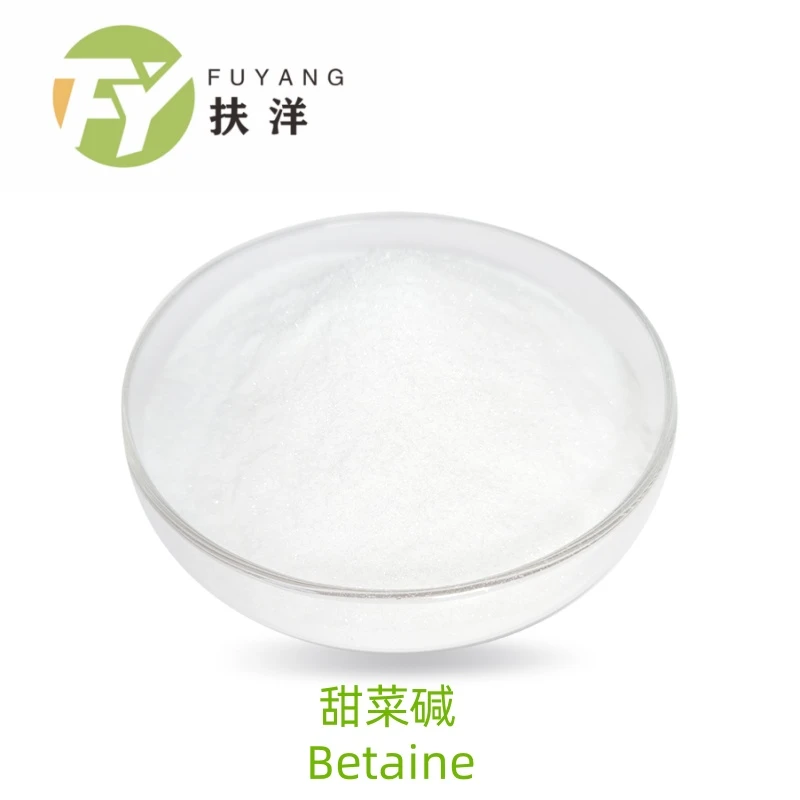
In large-scale pig farms, heat stress during the dry season often leads to "feed refusal." By integrating betaine hydrochloride into the water or feed, farmers can stabilize cellular osmotic pressure, maintaining appetite and preventing growth stagnation during temperature spikes.
02
Poultry Hatcheries in Kampong Speu
Young chicks have underdeveloped digestive systems. The use of high-bioavailability amino acids and chelated zinc ensures rapid skeletal development and stronger immune responses, reducing the mortality rate during the critical first 14 days of life.
03
Aquaculture Feed Mills in Tonle Sap Region
Fish feed requires extremely high stability. By using coated amino acids and betaine chelates, feed mills can prevent nutrient leaching into the water, ensuring that the fish receive full nutrition while reducing water pollution from nitrogen runoff.
04
Small-Scale Organic Farms in Siem Reap
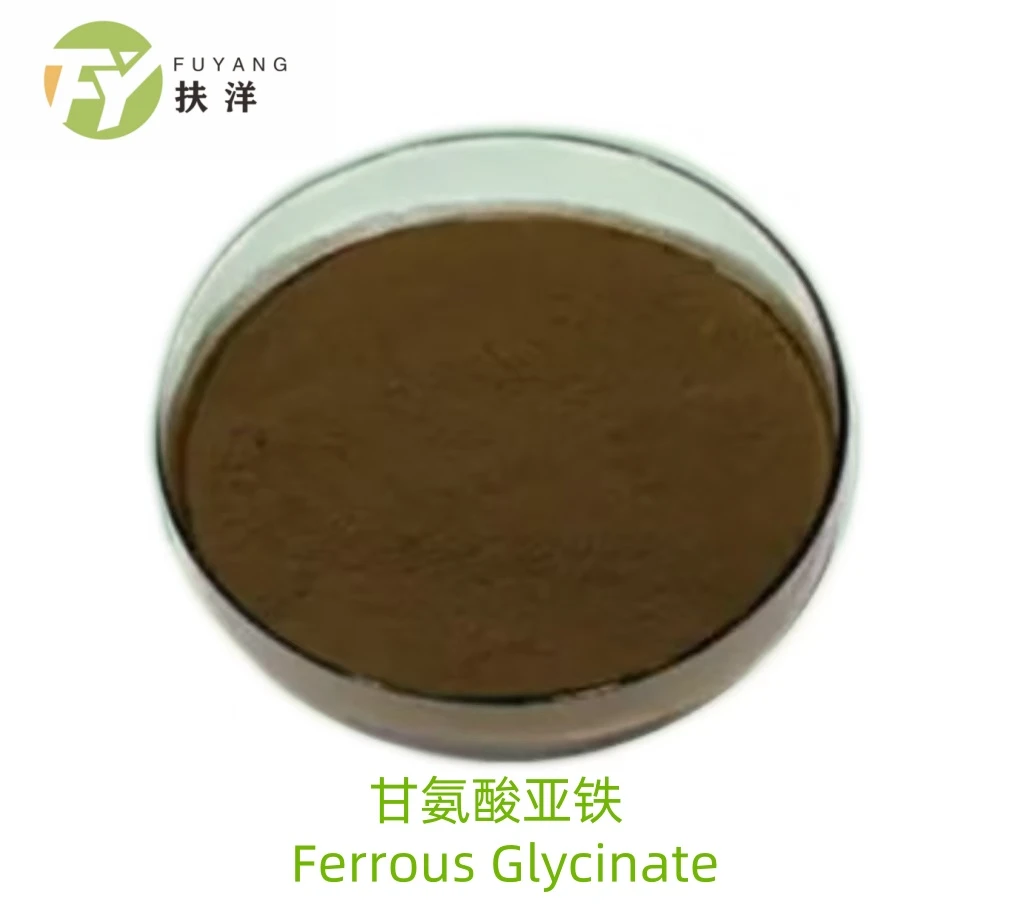
For producers avoiding synthetic growth promoters, the precise application of organic-bound minerals (glycine chelates) provides a natural way to enhance growth and meat quality without compromising organic certification standards.
05
Feed Distribution Hubs in Phnom Penh
Distributors facing storage challenges in humid warehouses benefit from the high stability of Fuyang's granulated products. These prevent clumping and chemical degradation, ensuring that the end-user receives the full potency of the amino acids.
Evidence of Impact
Representative Use Cases
How professional operators apply our technical solutions to achieve measurable results.
Integrating high-purity betaine hydrochloride into swine feed during the peak of the dry season has demonstrably stabilized feed intake. By reducing the physiological impact of heat stress, we've observed a more consistent growth curve and reduced veterinary interventions for metabolic issues.
Switching to chelated minerals for our poultry lines has significantly improved the absorption rates. We no longer see the antagonism issues common with inorganic salts, and the overall uniformity of the flock has improved, leading to better market grading.
The combination of stable supply and technical support has allowed us to optimize our amino acid ratios. Reducing the reliance on raw soy protein while maintaining growth targets has significantly improved our operating margins per animal.
Our Legacy
About Hebei Fuyang Biotechnology
Driving agricultural innovation through core technology and global technical service.
Establishment
Foundation of Core Vision
Established with the purpose of "mastering core technology and serving global trade," Hebei Fuyang Biotechnology committed itself to becoming a leader in amino acid technical services, moving beyond simple supply to comprehensive solution design.
Growth
Intellectual Property Expansion
Focused on developing independent intellectual property rights for core technologies, enabling the production of high-purity chelates and specialty amino acid derivatives that meet stringent international standards.
Today
Global Technical Leadership
Operating as a comprehensive enterprise with a wide international network, providing full-range services from product design and technical solutions to sophisticated supply chain management for the global livestock industry.

Expert Answers
Common Questions on Feed Amino Acids
Technical clarifications to help you choose the right supplements for your livestock.
What are the primary types of amino acids used in livestock feed?
Amino acids are categorized into essential and non-essential. Essential amino acids, such as Lysine, Methionine, and Threonine, cannot be synthesized by the animal and must be provided via diet. Non-essential ones, like glycine and betaine, are synthesized by the body but are often supplemented as "functional" amino acids to improve metabolic efficiency, protect against heat stress, and enhance growth. Selecting the right mix depends on the species, age, and environmental conditions of the animal.
How does betaine hydrochloride specifically help animals during heat stress?
Betaine acts as an osmoprotectant. In high-temperature environments typical of Cambodia, it helps cells maintain their water balance by regulating osmotic pressure, which prevents cellular dehydration. Additionally, as a methyl donor, it supports the metabolism of fats and proteins, ensuring that the animal can continue to synthesize muscle tissue even when appetite is reduced due to heat. This results in a more stable growth rate during the dry season.
What is the practical difference between a standard mineral salt and a chelated amino acid mineral?
Standard mineral salts (like sulfates or oxides) can be unstable and often react with other feed components, leading to poor absorption. Chelated minerals, where the mineral is bonded to an amino acid like glycine, are more stable and are absorbed via amino acid pathways in the gut rather than ion pathways. This significantly increases bioavailability, reduces excretion into the environment, and prevents mineral deficiencies that cause stunted growth or weak immune systems.
How should I calculate the dosage of Betaine HCL for my specific feed formulation?
Dosage depends on the animal species, growth stage, and the current protein level of the base feed. Typically, betaine is added in concentrations ranging from 0.1% to 0.5% of the total diet. However, the most effective approach is to perform a trial based on the "limiting amino acid" profile of your raw materials. We recommend consulting with a technical nutritionist to balance the betaine levels with other methyl donors to avoid over-supplementation and maximize ROI.
Are these amino acid products stable for long-term storage in humid climates?
Yes, provided they are stored in original sealed packaging. Our products are manufactured to high purity standards to minimize hygroscopicity (the tendency to absorb moisture). However, in regions with extremely high humidity, we recommend storing them in a cool, dry area and ensuring that feed mixing occurs shortly before distribution. Using granulated forms of betaine hydrochloride further enhances stability and prevents clumping during the mixing process in feed mills.
What is the first step in transitioning my farm to a precision amino acid program?
The first step is a comprehensive audit of your current feed ingredients to determine the actual amino acid availability. Once the baseline is established, you can identify the limiting amino acids and introduce high-purity supplements to fill those gaps. This allows you to reduce the overall protein level (and cost) of the feed while actually increasing the growth performance of the animals. Starting with a small-scale trial group is the best way to validate the specific impact on your flock or herd.
Global Technical Support
Optimize Your Livestock Productivity with Precision Nutrition
Whether you are managing a commercial feed mill or a large-scale farm in Cambodia, our technical team can help you design a customized amino acid and chelate program. From reducing feed costs to combating heat stress, discover how the right biochemical solutions can improve your growth rates and profitability. Contact us today for a technical consultation.
Discuss Your Requirements