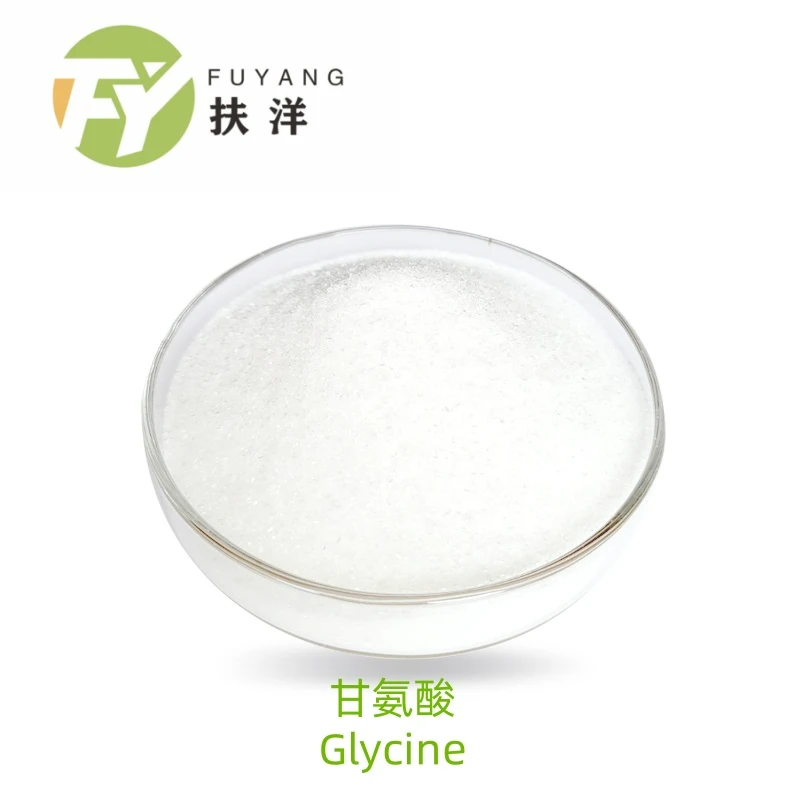

Advanced Amino Acid Solutions for Austrian Agriculture
Providing high-purity feed additives designed to improve metabolic efficiency and animal health.
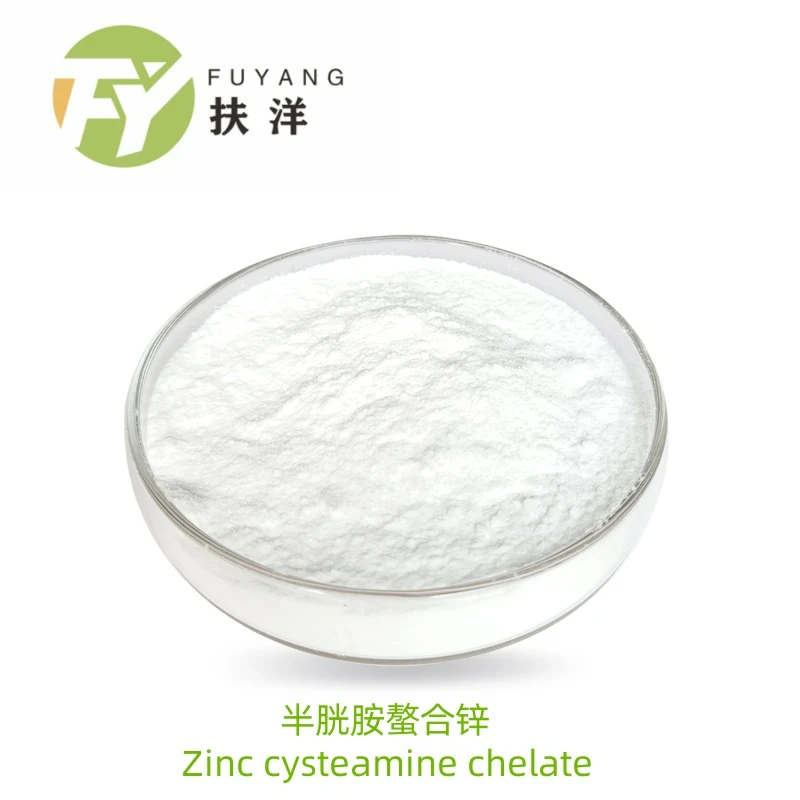
Zinc Cysteine Chelate
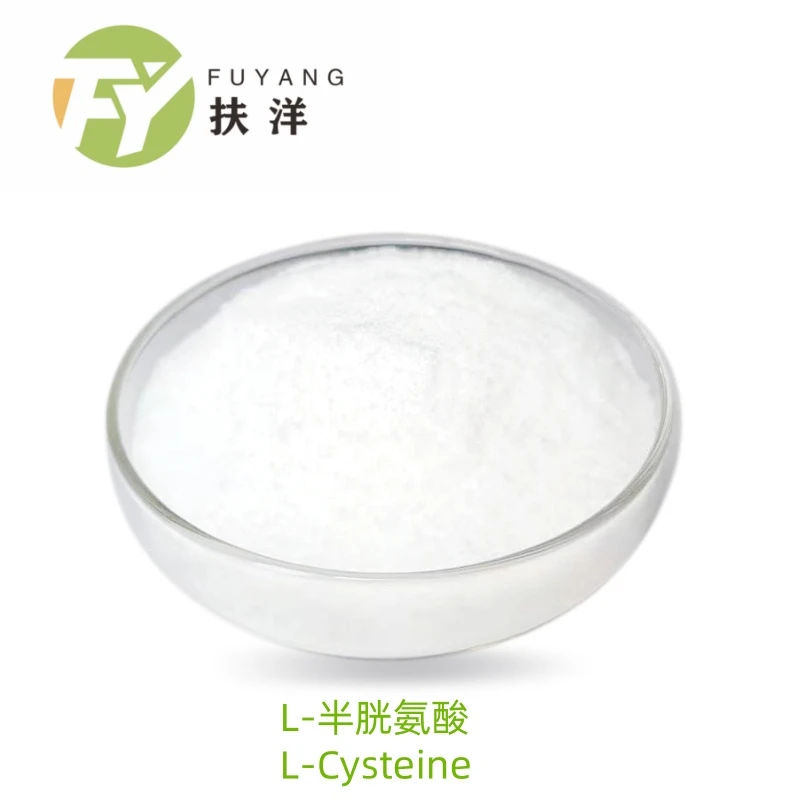
L-Cysteine Hydrochloride Monohydrate
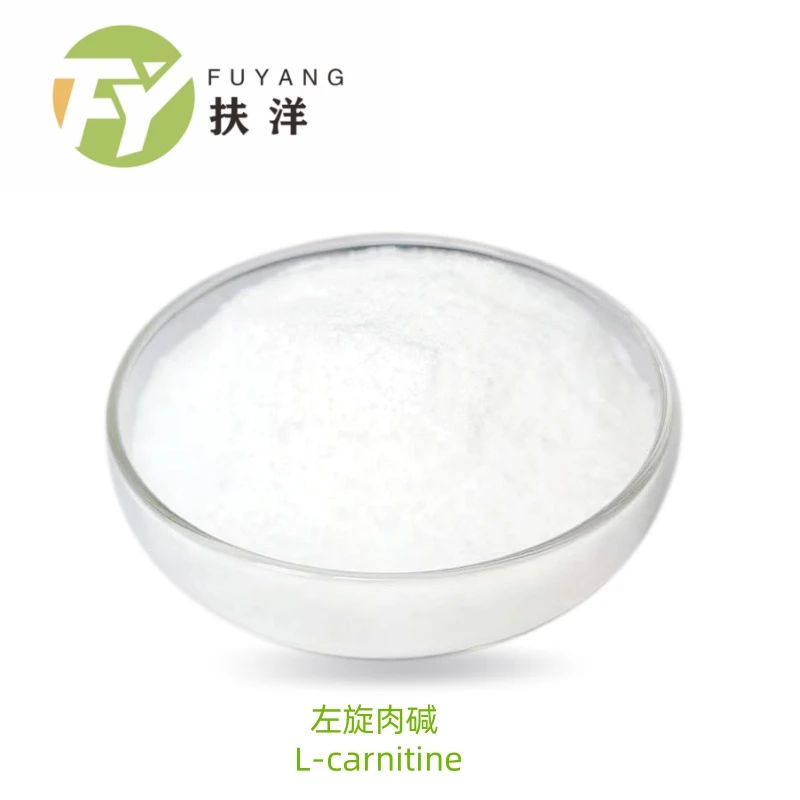
L-Carnitine
Feed Additive Procurement Analysis for the Austrian Market
Navigating the intersection of strict EU regulations and high-performance livestock requirements.
The Austrian livestock sector is characterized by a strong commitment to animal welfare and organic standards. Local producers often prioritize additives that support natural growth and minimize environmental impact, making the selection of specific types of amino acids a critical factor in feed formulation.
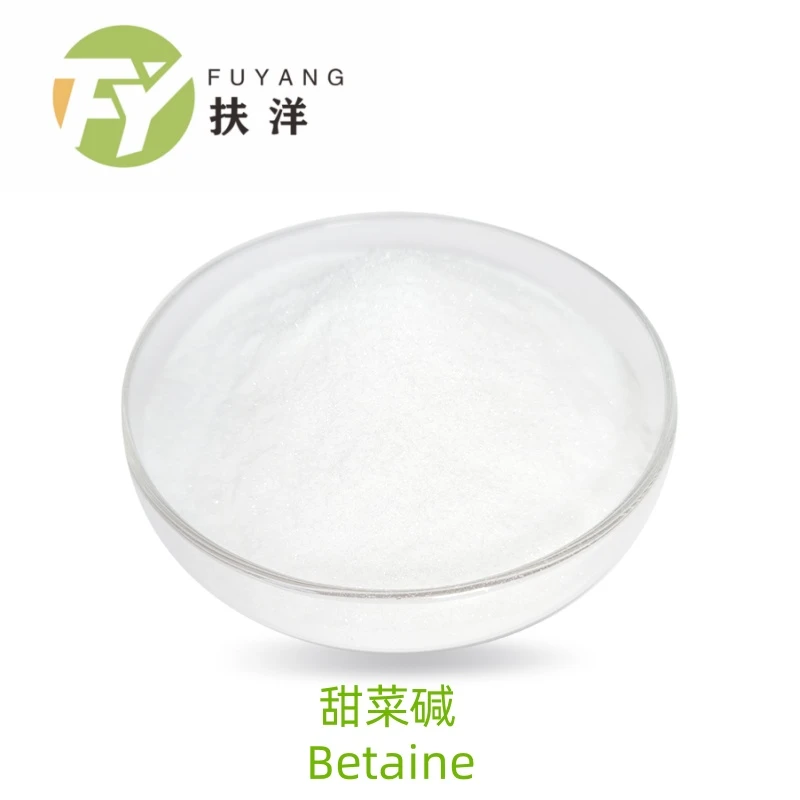
Precision nutrition is now a priority for Austrian farmers facing rising input costs. There is an increasing demand for highly bioavailable components, such as premier hcl betaine hydrochloride, to mitigate heat stress and improve feed conversion ratios in porcine and poultry production.
Supply chain reliability remains a key concern for regional distributors. Buyers in Austria typically seek partners who can integrate technical service with stable delivery, ensuring that specialized biochemical additives meet rigorous quality consistency standards across different seasonal cycles.
Evolution of Biochemical Feed Integration
Tracing the shift from basic supplementation to precision metabolic optimization.
Industry Development Stages
- Basic Supplementation Stage
Initial focus on preventing deficiency diseases by adding generic amino acids to standard feed mixes. - Bioavailability Optimization
Introduction of chelated minerals and specific salts to improve absorption rates and reduce waste excretion. - Precision Metabolic Programming
Current use of tailored compounds like Betaine to regulate osmotic pressure and optimize methylation pathways.
Future Strategic Directions
- Sustainability — Reducing the nitrogen footprint of livestock through more efficient amino acid utilization.
- Customization — Developing species-specific additive blends based on genetic performance data.
- Supply Chain Optimization — Shifting toward transparent, traceable sourcing of biochemical raw materials.
Future Trends in Animal Nutrition Biochemistry
Analyzing the drivers of innovation in the European feed additive landscape.
Green Chemistry
Transitioning toward carbon-neutral synthesis of amino acids to meet EU environmental directives.
Metabolic Efficiency
Increasing use of methyl donors like betaine plus to enhance lean muscle growth.
Precision Dosing
Integration of AI-driven feed formulations to adjust additive levels in real-time.
Bio-Security
Enhancing immune resilience through nano-selenium and chelated amino acid complexes.
Strategic Outlook for the European Feed Market
The next five years will see a move away from bulk additive application toward highly targeted biochemical interventions. As European regulations tighten on antibiotic growth promoters, the role of amino acid-based health promoters will expand significantly.
Commercial success for producers in Austria will depend on the ability to provide not just a product, but a technical solution that optimizes the entire nutrient cycle, reducing waste while maximizing biological output.
Practical Applications in Local Livestock Production
How specialized additives solve real-world biological challenges in the field.
1
Heat Stress Mitigation in Swine
Using Betaine HCL as an osmolyte to maintain cellular hydration and reduce mortality rates during summer temperature spikes in central European farms.
2
Enhanced Mineral Absorption
Applying glycine chelates (Zinc, Iron, Manganese) to replace inorganic salts, reducing mineral antagonism and improving skeletal development in calves.
3
Poultry Growth Optimization
Integrating high-purity glycine and Betaine to support liver function and improve the feed conversion ratio (FCR) in broiler production.
4
Environmental Waste Reduction
Optimizing the ratio of essential amino acids to reduce nitrogen excretion in manure, helping farms comply with local nitrate directives.
5
Immunological Support
Combining nano-selenium with amino acid complexes to boost innate immunity in piglets during the weaning transition phase.
Hebei Fuyang Biotechnology: Engineering Excellence
Dedicated to mastering core technology and serving the global trade of amino acid solutions.
Foundation
Company Establishment
Commitment to Core Technology
Hebei Fuyang Biotechnology Co., Ltd. was founded with the purpose of mastering independent intellectual property rights in biochemical synthesis to serve global trade.
Growth
Technical Expansion
Transition to Comprehensive Service
Expanded from a product supplier to a technical service enterprise, providing full-range solutions from product design to supply chain management.
Vision
Future Prospects
Global Leadership in Green Solutions
Continuing to innovate intelligent and green biochemical solutions to promote high-quality development in the global animal nutrition trade.
Technical Portfolio for the Austrian Feed Industry
A comprehensive range of chelated minerals and amino acids designed for maximum metabolic absorption.

Technical FAQ: Amino Acids & Betaine HCL
Addressing common technical and procurement queries for the Austrian market.
What are the primary types of amino acids used in modern feed additives?
Modern feed additives focus on essential amino acids like Lysine, Methionine, and Threonine, as well as functional amino acids such as Glycine and Betaine, which support metabolic pathways and cellular stability.
What are the specific betaine hcl health benefits for livestock?
Betaine HCL acts as a powerful osmolyte, protecting cells from dehydration during heat stress. It also serves as a methyl donor in the liver, promoting fat metabolism and improving overall weight gain efficiency.
How does premier hcl betaine hydrochloride differ from standard betaine?
Premier grade HCL betaine typically offers higher purity and better stability during the pelleting process, ensuring that the active ingredient remains bioavailable after thermal processing.
Can chelated amino acids replace inorganic mineral salts in Austria?
Yes, chelated minerals (e.g., Zinc Glycine) are often preferred because they are more stable and less likely to react with other feed components, leading to higher absorption and lower environmental excretion.
What considerations should Austrian buyers have regarding procurement?
Buyers should focus on certification, purity levels, and the supplier's ability to provide technical data sheets that align with EU feed safety standards and regional sustainability goals.
How does Hebei Fuyang Biotechnology support international clients?
We provide a comprehensive service model that integrates product design, technical formulation solutions, and supply chain management to ensure our products deliver maximum value in the local environment.
Request Technical Consultation for Austria
Discuss your specific nutrient requirements and optimize your feed formulations with our biochemical experts in Austria.
Contact Us Now