Optimizing Livestock Nutrition with High-Quality Amino Acids in Asia - Kyrgyzstan

Enhancing animal growth and metabolic health in Kyrgyzstan's livestock sector through precision application of betaine and chelated amino acids.

Advanced Feed Additive Solutions for Kyrgyz Agriculture

Addressing regional nutritional gaps in livestock feed with specialized amino acid profiles and technical services designed to improve feed conversion ratios and animal resilience.

Livestock Feed Industry Landscape in Asia - Kyrgyzstan

Analyzing the intersection of traditional husbandry and modern biochemical nutrition.

Kyrgyzstan's agricultural sector is characterized by a strong reliance on livestock, particularly in mountainous regions where forage quality fluctuates seasonally. The shift toward intensive farming requires more precise nutritional interventions to ensure consistent livestock productivity and health across diverse climatic zones.

The geographical terrain and logistics of Central Asia often complicate the supply of sensitive biochemicals. However, there is a growing demand for stable, high-efficacy amino acids that can withstand regional transport conditions while providing maximum bioavailability for poultry and swine.

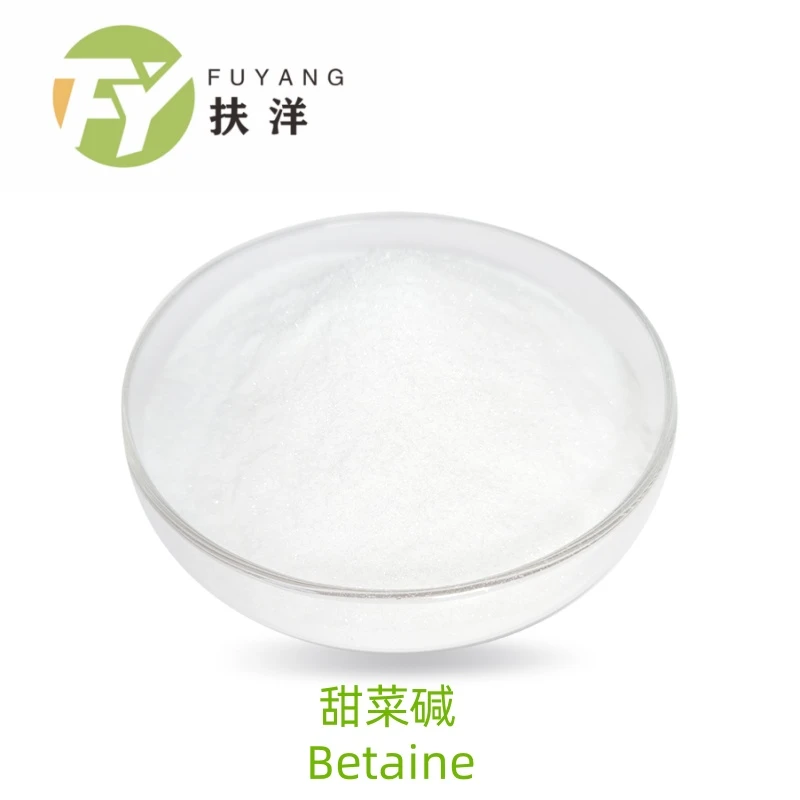
Local producers frequently face challenges with feed efficiency and metabolic stress in animals. This creates a significant opportunity for implementing advanced additives like betaine hydrochloride, which helps animals manage osmotic stress and improves overall growth performance in variable environments.
Evolution of Amino Acid Application in Animal Nutrition

From basic protein supplementation to precision biochemical optimization.

Industry Development Phases

Early Supplementation Phase
Focus was primarily on correcting gross protein deficiencies using crude plant-based proteins, with limited understanding of specific amino acid imbalances.

Synthetic Integration Phase
Introduction of pure synthetic amino acids allowed farmers to optimize feed formulations, reducing waste and lowering the environmental impact of nitrogen excretion.

Precision Bio-availability Phase
The current focus on chelated minerals and specialized compounds like betaine hcl health benefits, ensuring nutrients are absorbed efficiently regardless of digestive stress.

Emerging Trends in Feed Science

1. Nano-Nutrient Delivery

Adoption of nano-selenium and coated products to ensure slow-release and targeted delivery of essential minerals in the gut.

2. Metabolic Stress Mitigation

Increased use of methyl donors to support liver function and protect animals from heat or cold stress prevalent in high-altitude regions.

3. Green Chemistry in Feed

Transitioning toward bio-based catalysts and environmentally friendly production processes for feed additives to meet global sustainability standards.

How international innovations are adapting to local livestock challenges.

Precision Mixing
Automated dosing of amino acids to ensure every batch of feed meets exact nutritional requirements.
Smart Nutrition
Using data-driven analysis to adjust types of amino acids based on real-time animal growth rates.
Direct Sourcing
Shift toward direct technical partnerships with manufacturers to ensure purity and reduce supply chain costs.
Eco-Additive Focus
Prioritizing biodegradable additives that reduce ammonia emissions in livestock housing.

Market Outlook for Central Asia

Over the next few years, we expect a surge in the adoption of chelated minerals across Kyrgyzstan as farmers seek to improve the immune response of livestock against regional pathogens. The integration of specialized compounds like betaine plus will likely become standard for high-yield poultry operations.

As trade corridors expand, the availability of diverse amino acid profiles will allow for more tailored nutrition, moving the regional industry away from generic feed toward specialized, high-performance dietary programs.

Practical Application Scenarios in Kyrgyzstan

Applying biochemical solutions to real-world livestock challenges.

High-Altitude Poultry Stress

Broiler farms in mountainous regions use betaine hydrochloride to mitigate respiratory stress and improve weight gain during rapid temperature shifts in the Kyrgyz highlands.

Swine Growth Optimization

Commercial pig farms integrate chelated amino acids to ensure optimal muscle development and reduce the weaning stress typically seen in intensive production cycles.

Dairy Cattle Metabolic Support

Dairy producers implement glycine-based chelates to support liver function and prevent ketosis in high-producing cows during early lactation periods.

Aqua-feed Performance

Trout farms in Kyrgyzstan's alpine lakes utilize specific amino acid blends to improve fillet quality and growth rates in cold-water environments.

Feed Mill Quality Standardization

Regional feed mills use premier hcl betaine hydrochloride to standardize nutritional profiles across different raw material sources.

Hebei Fuyang Biotechnology's Commitment to Innovation

Driven by core technology to serve the global animal nutrition trade.

Establishment

Foundation of Fuyang Biotechnology

Established with the purpose of mastering core technology and serving global trade, focusing on the specialized field of amino acids.

Growth Phase

Integration of Technical Services

Transitioned from a product supplier to a comprehensive enterprise providing product design, technical solutions, and supply chain management.

Current Status

Global Technical Leadership

Developing independent intellectual property rights and expanding a wide international network to provide green, intelligent solutions globally.

Comprehensive Amino Acid and Chelate Portfolio

A full range of biotechnological additives to meet the specific metabolic needs of livestock in Asia - Kyrgyzstan.

Amino Acid Nutrition FAQs for the Kyrgyzstan Market

Technical guidance on selecting and applying amino acid additives.

What are the primary types of amino acids used in livestock feed?

The primary types include essential amino acids like lysine and methionine, and functional additives like betaine and glycine. These are used to optimize protein synthesis and support metabolic functions in various animal species.

How does betaine hydrochloride improve animal health in cold climates?

Betaine acts as an osmolyte, helping cells maintain fluid balance and protecting proteins from denaturation during temperature fluctuations, which is critical for livestock in the high-altitude regions of Kyrgyzstan.

Why are chelated amino acids preferred over inorganic minerals?

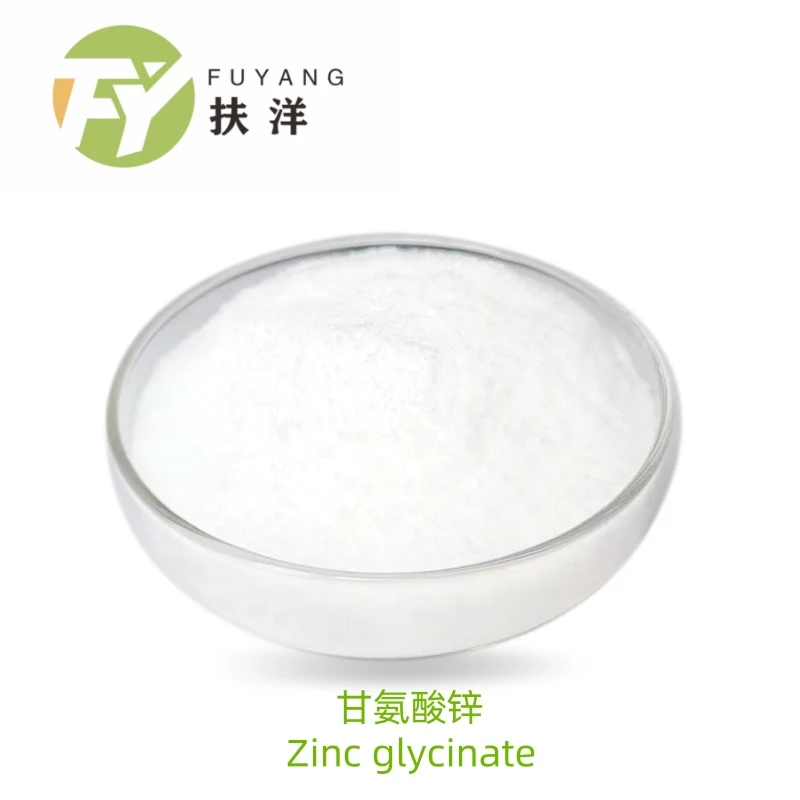
Chelated minerals, such as zinc or manganese glycine chelates, have higher bioavailability because they are protected from antagonistic reactions in the gut, ensuring better absorption and efficacy.

What should I consider when procuring betaine plus for my farm?

Focus on purity levels, the solubility of the product, and the technical support provided by the supplier to ensure the additive is correctly integrated into the feed formulation for maximum ROI.

Can amino acid additives reduce the need for antibiotic growth promoters?

Yes, by optimizing the animal's immune system and gut health through proper nutrition, producers can reduce the reliance on antibiotics while maintaining high growth and health standards.

How do I implement a customized amino acid program for my livestock?

Start with a detailed analysis of your current feed components, identify the specific nutritional gaps based on animal species and age, and partner with a technical expert to design a targeted supplementation plan.

Elevate Your Livestock Nutrition Today

Connect with our technical experts to optimize your feed formulas for the unique conditions of Asia - Kyrgyzstan.

Request Technical Consultation

If you are interested in our products, you can choose to leave your information here, and we will be in touch with you shortly.


788a90d9-faf5-4518-be93-b85273fbe0c01