Regional Analysis
Uganda's Animal Nutrition Landscape
Analyzing the intersection of agricultural growth and biochemical requirements in East Africa.
Uganda's livestock sector is a cornerstone of its agrarian economy, with significant investments in poultry, swine, and cattle. However, the local feed industry often relies on bulk proteins without precise amino acid balancing. The geographical diversity of Uganda, from the humid Lake Victoria basin to the drier highlands, creates varying metabolic demands on livestock. This environmental variance necessitates a flexible approach to feed additives, where the focus is shifting from simple quantity to high-bioavailability supplements that can withstand local storage conditions.
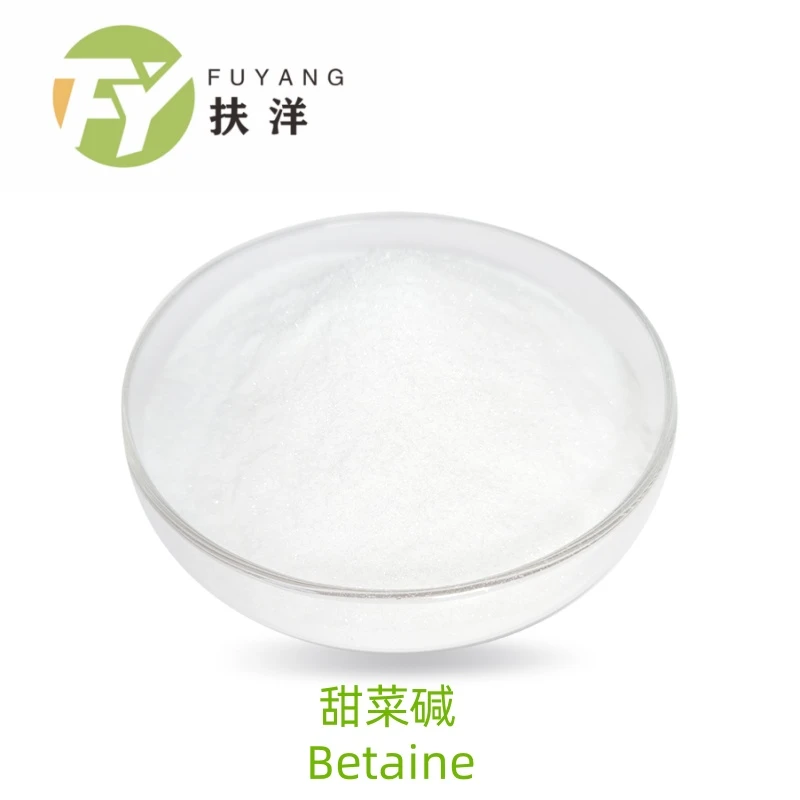
Market trends indicate an increasing demand for specialized types of amino acids that offer more than basic growth support. There is a growing awareness among Ugandan feed millers regarding the role of methyl donors and osmotic regulators. The adoption of Betaine HCl is rising as a strategic response to heat stress and as a means to improve liver health in intensive farming systems. This shift is driven by a need to increase meat yield and reduce the reliance on expensive, imported soy-based proteins.
The primary opportunity lies in the transition toward "Green Nutrition"—intelligent, efficient, and sustainable feed solutions. While constraints like infrastructure and import tariffs persist, the outlook remains positive as local producers seek partners who provide not just chemicals, but technical frameworks for implementation. The future of the Ugandan market will be defined by the ability to integrate nano-selenium and specialized amino acid chelates into standard feed formulations to improve animal welfare and product quality.
Industry Progression
The Evolution of Feed Additive Technology
From basic supplementation to molecular precision in animal nutrition.
Early Adoption
Bulk Protein Era
Focus was primarily on total protein content. Feed additives were basic and often lacked purity, leading to inefficient nutrient absorption and higher waste in livestock production.
Recent Development
Amino Acid Precision
Shift toward identifying specific limiting amino acids. Introduction of synthetic amino acids to balance feed, reducing the cost of crude protein and improving growth rates.
Current Phase
Biochemical Chelation
Integration of advanced chelates and osmotic regulators. Focus on bioavailability, gut health, and stress mitigation through targeted molecules like betaine and amino-acid mineral complexes.
From Growth to Health
The industry has moved beyond simply increasing weight. Modern nutrition focuses on immune modulation and organ health, utilizing additives that reduce inflammation and improve the long-term viability of the livestock.
Molecular Stability
Research now emphasizes the stability of additives during the pelleting process. Coating technologies and chelation are used to ensure that nutrients remain active until they reach the animal's digestive tract.
Sustainable Sourcing
There is a strong movement toward reducing the environmental footprint of livestock. Precision amino acids reduce nitrogen excretion in manure, aligning animal production with global ecological standards.
Future Outlook
Emerging Directions in Biochemical Nutrition
Identifying the catalysts that will redefine feed efficiency over the next decade.
Precision Nutrient Delivery
The shift toward nano-encapsulation allows for the timed release of amino acids, ensuring that critical nutrients are available exactly when the animal's metabolism requires them most.
Synergistic Betaine Use
Combining premier hcl betaine hydrochloride with mineral chelates is becoming a standard for improving metabolic efficiency and enhancing the weight gain of poultry.
Antibiotic Alternatives
Bio-active amino acid complexes are being explored to replace traditional growth promoters, focusing on enhancing natural gut immunity and reducing the risk of antimicrobial resistance.
AI-Driven Feed Formulation
Real-time data from livestock monitoring is now used to adjust amino acid levels dynamically, ensuring that the feed matches the specific growth stage of the animal in real-time.
The integration of these trends represents a move toward "Metabolic Optimization." Instead of treating the animal as a black box, producers are now managing specific biochemical pathways. For instance, using methyl donors like betaine directly affects the methylation cycle, which in turn improves the efficiency of protein synthesis. This scientific approach reduces waste and maximizes the genetic potential of high-yield livestock breeds being introduced to Uganda.
Furthermore, the global push for carbon neutrality is influencing feed additive selection. Amino acids that allow for a reduction in soy meal imports not only lower costs but also reduce the carbon footprint associated with long-distance transport and deforestation in the Amazon. This makes precision biochemical additives not just a production choice, but a sustainability imperative for the modern agricultural enterprise.
Practical Application
Deployment Scenarios in Ugandan Agriculture
How biochemical additives solve real-world production problems across different livestock sectors.
01
Intensive Poultry Farms in Central Uganda
In high-density broiler houses, birds often suffer from heat-induced respiratory stress. By incorporating betaine plus into the water or feed, farmers can maintain cellular osmotic pressure. This prevents dehydration at a cellular level, maintaining appetite and ensuring that growth trajectories are not interrupted during the hottest months of the year.
02
Swine Breeding Centers in Western Highlands
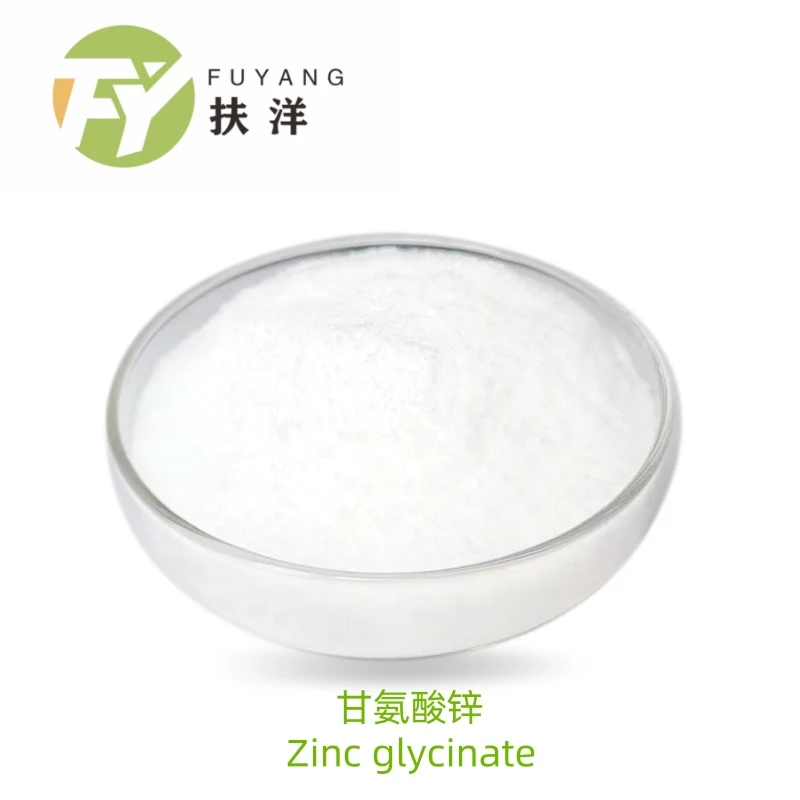
Sows in the highlands require precise mineral balance for fetal development. Using zinc and copper glycine chelates ensures that minerals are not bound by phytates in the grain. This leads to higher piglet birth weights and reduced mortality rates, as the mother can efficiently transfer essential minerals across the placental barrier.
03
Commercial Dairy Cooperatives in the Cattle Corridor
Dairy cows often face rumen acidosis when fed high-energy concentrates. The application of betaine helps protect the liver and supports rumen stability. This results in more consistent milk yields and improved reproductive health, as the metabolic stress associated with high-yield lactation is mitigated by biochemical support.
04
Small-Scale Feed Mill Production in Rural Districts
Local mills often struggle with uneven mixing of micronutrients. Fuyang provides coated guanidine acetic acid products that prevent clumping and segregation during the mixing process. This ensures that every bag of feed has the exact same amino acid concentration, preventing localized deficiencies in the herd.
05
Export-Oriented Meat Processors in Kampala
To meet EU or Middle Eastern import standards, processors must ensure zero contamination and high meat quality. By using ultra-pure amino acids and nano-selenium, producers can improve the antioxidant capacity of the meat, extending shelf life and meeting the strict chemical residue limits required for international trade.
Proven Impact
Representative Deployment Perspectives
Illustrating the operational results of transitioning to precision biochemical additives.
Transitioning to chelated mineral complexes significantly reduced our mineral wastage. We observed a visible improvement in piglet vigor and a reduction in the total volume of additives needed to achieve target weight gain, which lowered our overall production cost.
Implementing betaine HCl during the peak dry season helped us stabilize broiler growth. The birds maintained their feed intake despite the heat, and we saw a more uniform flock size at the time of slaughter, which is critical for our commercial contracts.
The technical support provided for our feed formulation was invaluable. Moving from bulk proteins to a balanced amino acid profile allowed us to optimize our feed conversion ratio, making our mill more competitive in the local market.
Our Legacy
Hebei Fuyang Biotechnology
Driven by core technology and committed to serving the global animal nutrition trade.
Establishment
Foundation of Technical Excellence
Hebei Fuyang Biotechnology Co., Ltd. was established with a mission to master core technology and serve global trade, focusing on becoming a leader in the field of amino acids and technical services.
Growth Phase
Expansion of Product Portfolio
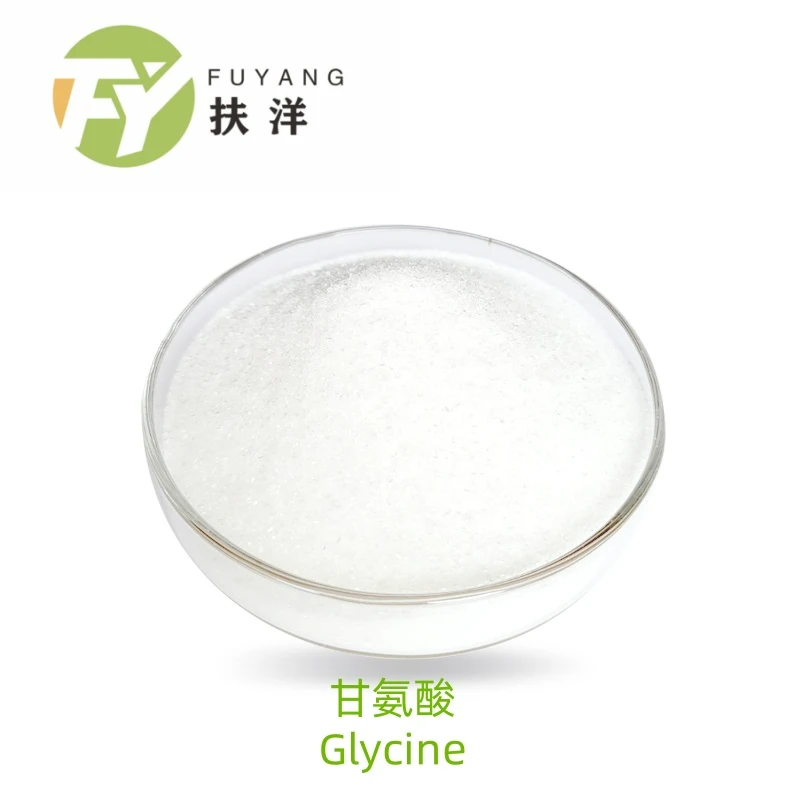
The company developed a wide range of core products, including guanidine acetic acid, glycine, and various mineral chelates, integrating independent intellectual property rights into its manufacturing processes.
Current Focus
Global Technical Service Leadership
Today, we operate as a comprehensive enterprise where technical services are our core competitiveness, providing customers with full-spectrum solutions from product design to supply chain management.
N-Carbamylglutamic Acid
Betaine Hydrochloride
Creatine Monohydrate
L-Cysteine Hydrochloride Monohydrate
Expert Guidance
Common Questions on Amino Acid Supplementation
Clarifying technical and operational aspects of using high-purity biochemical additives.
What are the primary types of amino acids used in livestock feed?
In livestock nutrition, amino acids are divided into essential and non-essential types. Essential amino acids, such as lysine and methionine, must be provided in the diet because animals cannot synthesize them. We specialize in providing high-purity versions of these, as well as functional amino acids like glycine and betaine. The choice depends on the animal species and growth stage; for example, poultry requires a different balance than swine to maximize muscle development and immune function.
How does Betaine HCl specifically benefit animals during heat stress?
Betaine acts as an osmolyte, meaning it helps cells maintain their fluid balance and volume regardless of external osmotic pressure. During heat stress in regions like Uganda, animals lose water and electrolytes rapidly. Betaine protects cells from dehydrating and supports liver function by aiding in the metabolism of fats. Practically, this means animals maintain their appetite and continue growing even when temperatures rise, reducing the typical "summer slump" in weight gain.
What is the advantage of using amino acid chelates over inorganic mineral salts?
Inorganic salts often react with other feed components (like phytates or fibers), creating insoluble complexes that the animal cannot absorb. Chelates, where a mineral is bonded to an amino acid like glycine, are absorbed through different pathways in the gut. This significantly increases bioavailability, meaning you can use lower doses of the mineral to achieve the same biological result. This not only reduces costs but also prevents the environmental pollution caused by excess mineral excretion.
How should I integrate these additives into a local Ugandan feed mill process?
Integration begins with a precise analysis of your current raw material protein profile. Once the gaps are identified, the additives should be introduced during the micro-mixing phase to ensure uniform distribution. For heat-sensitive components, adding them after the pelleting process or via liquid application is recommended. We provide technical solutions that include mixing protocols and stability tests to ensure the additive remains active throughout the feed's shelf life in humid conditions.
Are these biochemical additives compliant with international export standards?
Yes, our products are manufactured to meet strict purity and safety certifications. By eliminating impurities and ensuring high chemical stability, our additives help producers create meat and dairy products that meet the residue and quality standards required for export to global markets. We provide the necessary certificates of analysis (CoA) for each batch, ensuring full traceability from the manufacturing plant in China to the farm in Uganda.
Which product is best for improving the overall Feed Conversion Ratio (FCR)?
Improving FCR requires a synergistic approach rather than a single product. The most effective combination typically involves balancing essential amino acids to reduce crude protein, coupled with betaine to support metabolism and chelates to ensure mineral absorption. By optimizing the "biological efficiency" of the feed, the animal requires less raw material to produce one kilogram of meat. We recommend a customized consultation to determine the exact ratio based on your specific livestock breed and current diet.
Partner with Experts
Optimize Your Livestock Production in Uganda
Whether you are a large-scale feed manufacturer or a commercial farm operator, achieving precision nutrition is the key to sustainable growth. Hebei Fuyang Biotechnology provides the high-purity biochemical additives and technical expertise necessary to navigate the challenges of the Ugandan market. Contact our technical team today to discuss a customized nutrient profile for your operations.
Discuss Your Requirements