
Regional Analysis
The Landscape of Feed Additives in Peru
Analyzing the shift toward precision nutrition in one of South America's most diverse agricultural environments.
Peru possesses a unique agricultural geography, ranging from arid coastal plains to high Andean plateaus and tropical rainforests. This diversity creates varied challenges for livestock producers, particularly in poultry and swine farming. The local industry is currently transitioning from traditional bulk feeding to precision nutrition, where the focus is on the biological efficiency of each nutrient. In this environment, the demand for high-quality feed additives is driven by the need to maintain livestock health across extreme altitude and temperature variations, making stable biochemical solutions essential for consistent production cycles.
Current market trends indicate a strong pivot toward "green" and "intelligent" solutions. There is an increasing emphasis on reducing nitrogen excretion in animal waste, which is directly linked to the precision of amino acids in the diet. Furthermore, the integration of chelated minerals is growing as producers realize that traditional inorganic salts are insufficient for the metabolic demands of modern, high-yield breeds. Technical innovation is now the primary driver, with a focus on additives that can withstand the industrial pelleting processes common in Peruvian feed mills.
The outlook for the Peruvian market is one of cautious optimism, characterized by a tightening of quality regulations and a move toward sustainable intensification. The main constraint remains the volatility of global supply chains, which elevates the importance of partners who can provide both a stable product supply and deep technical guidance. The opportunity lies in adopting specialized biochemicals like betaine and nano-selenium, which offer a competitive edge by improving animal welfare and reducing the overall cost per kilogram of meat produced.
Industry Progress
The Evolution of Feed Supplementation
From basic nutrient filling to the era of molecular precision and biological optimization.
Early Adoption
Bulk Supplementation
Livestock feed relied primarily on raw botanical proteins and inorganic mineral salts. This phase was marked by high nutrient waste and inconsistent growth rates due to low bioavailability.
Recent Development
Precision Nutrition
Introduction of synthetic amino acids and basic chelates. The industry began focusing on limiting amino acids to reduce costs and improve the environmental footprint of farming.
Current Phase
Biochemical Optimization
Current shift toward nano-scale additives, coated products for stability, and osmolyte-based stress management to maximize biological potential under environmental pressure.
The Rise of Mineral Chelates
The transition from inorganic salts to amino acid chelates represents a paradigm shift in nutrient delivery. By mimicking natural biological forms, these products bypass traditional absorption barriers in the gut, leading to lower dosage requirements and significantly higher efficacy in animal development.
Stress-Response Biochemistry
Modern additives are no longer just about growth; they are about resilience. The use of betaine as a cellular protectant allows animals to maintain homeostasis during heat stress, preventing the metabolic crashes that previously devastated Peruvian poultry flocks during summer peaks.
Stability and Delivery Systems
The industry is moving toward "protected" nutrients. Coating technologies ensure that sensitive biochemicals remain active throughout the manufacturing process, ensuring that the nutritional profile designed in the lab is exactly what is delivered to the animal.
Future Directions
Key Trends Shaping Global Feed Additive Manufacturing
The convergence of biotechnology and data-driven nutrition is redefining the standards of livestock productivity.
Nano-Nutrient Delivery
The shift toward nano-scale particles increases the surface area for absorption. This allows for lower inclusion rates while achieving higher physiological impact, particularly with trace elements like selenium.
Antibiotic-Free Growth
Global regulatory shifts are forcing a move away from AGPs. This creates a massive demand for immune-boosting additives and betaine hcl health benefits to maintain gut health naturally.
Low-Carbon Feed Design
Reducing the carbon footprint of livestock is now a priority. Precise amino acid balancing reduces nitrogen waste, helping producers meet international sustainability standards and lower their environmental impact.
Customized Biological Solutions
Moving away from "one size fits all" feeds. The trend is toward customized blends tailored to the specific breed, age, and environmental stress factors of the local livestock population.
The acceleration of these trends is largely driven by the necessity for higher efficiency in the face of resource scarcity. In regions like Peru, where logistical costs can be high, the ability to deliver more nutrition with less volume is a critical commercial advantage. This has led to a surge in research regarding synergistic effects—how the combination of betaine plus chelated minerals can create a protective effect greater than the sum of their individual parts, specifically in mitigating the impact of heat stress on protein metabolism.
Furthermore, the integration of intelligent supply chain management is becoming a differentiator. Companies are no longer just selling a chemical; they are selling a guaranteed nutritional outcome. This requires a holistic approach that encompasses product design, rigorous quality control, and after-sales technical support to ensure that the additive performs as expected in the diverse operational conditions of South American farms, from the humidity of the coast to the thin air of the Andes.
Practical Application
Implementation Scenarios in Peruvian Livestock Production
How specialized amino acids and chelates solve real-world production problems across different Peruvian environments.
01
Coastal Poultry Farms Facing Intense Summer Heat
In the humid coastal regions, poultry often suffer from heat stress, leading to decreased feed intake and poor weight gain. By incorporating betaine plus and Betaine HCl, producers can protect cellular osmolarity. This prevents dehydration at a cellular level, maintaining the animals' metabolic rate and ensuring that growth targets are met even during peak temperature months.
02
High-Altitude Swine Production in the Andes
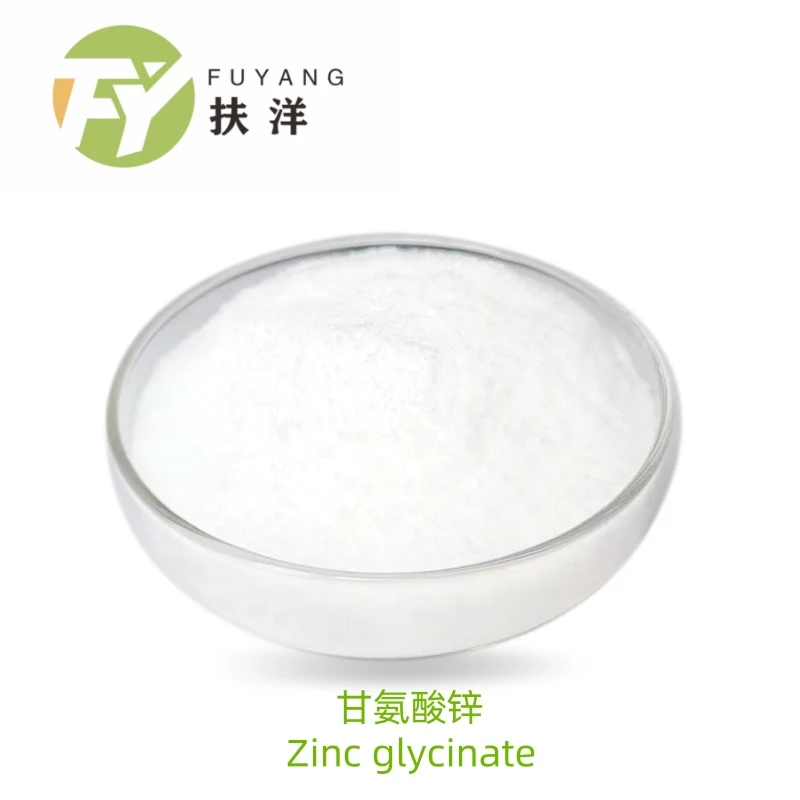
Livestock in high-altitude areas often face respiratory stress and different mineral absorption rates. Using glycine chelates for zinc and copper ensures that these essential minerals are absorbed despite the metabolic shifts caused by altitude. This results in stronger immune systems and reduced incidence of hoof and skin lesions in swine herds.
03
Industrial Feed Mills Optimizing Production Costs
A large-scale feed mill in Peru aims to reduce the inclusion of expensive soy meal without losing protein quality. By applying a precise blend of synthesized types of amino acids, the mill can balance the amino acid profile perfectly. This reduces nitrogen waste and lowers raw material costs while maintaining the same growth performance.
04
Tropical Jungle Farms Managing High Disease Pressure
In the Amazonian regions, high humidity increases the risk of fungal and bacterial infections. The introduction of nano-selenium and manganese glycine chelates provides critical antioxidant support. This strengthens the mucosal barriers and enhances the overall immune response, reducing the need for therapeutic antibiotic intervention.
05
Quality-Focused Producers Targeting Export Markets
Producers targeting the EU or US markets must adhere to strict residue limits. By using high-purity, certified amino acids and chelates, these farmers can achieve superior meat quality and growth rates without relying on banned growth promoters, ensuring their products meet international safety and quality certifications.
Representative Impact
Typical Operator Perspectives on Biochemical Nutrition
Illustrative scenarios demonstrating the operational benefits of precision additive integration.
Implementing chelated minerals solved a recurring bioavailability issue. We noticed a visible improvement in animal resilience and a reduction in nutrient runoff. The transition from inorganic salts to glycine chelates allowed for a more stable growth curve across different seasons.
The use of Betaine HCl during the summer months significantly mitigated heat-related mortality. By managing the osmotic pressure within the cells, we maintained feed intake levels that usually drop during heatwaves, preserving the overall flock productivity.
Switching to coated amino acid products eliminated the inconsistencies we had after the pelleting process. The stability of the product ensures that every ton of feed has the exact nutritional profile required, leading to more predictable harvest dates.
Our Identity
Hebei Fuyang Biotechnology Co., Ltd.
Driving global trade through core biochemical technology and comprehensive technical services.
Establishment
Foundation of Core Values
Hebei Fuyang Biotechnology was established with the mission of "mastering core technology and serving global trade," focusing on becoming a leader in technical services within the amino acid field.
Growth Phase
Technical Service Integration
The company evolved from a product supplier into a comprehensive technical enterprise, integrating product design, custom solutions, and supply chain management to provide maximum value to global customers.
Current Era
Innovation and Global Expansion
Continuing to deepen technological innovation and expand service areas, Fuyang Biology now provides efficient, intelligent, and green solutions to promote high-quality development in global trade.

Expert Insights
Frequently Asked Questions about Amino Acids
Technical answers to common queries regarding the application of betaine and chelates in feed.
What are the primary types of amino acids used in modern livestock feed?
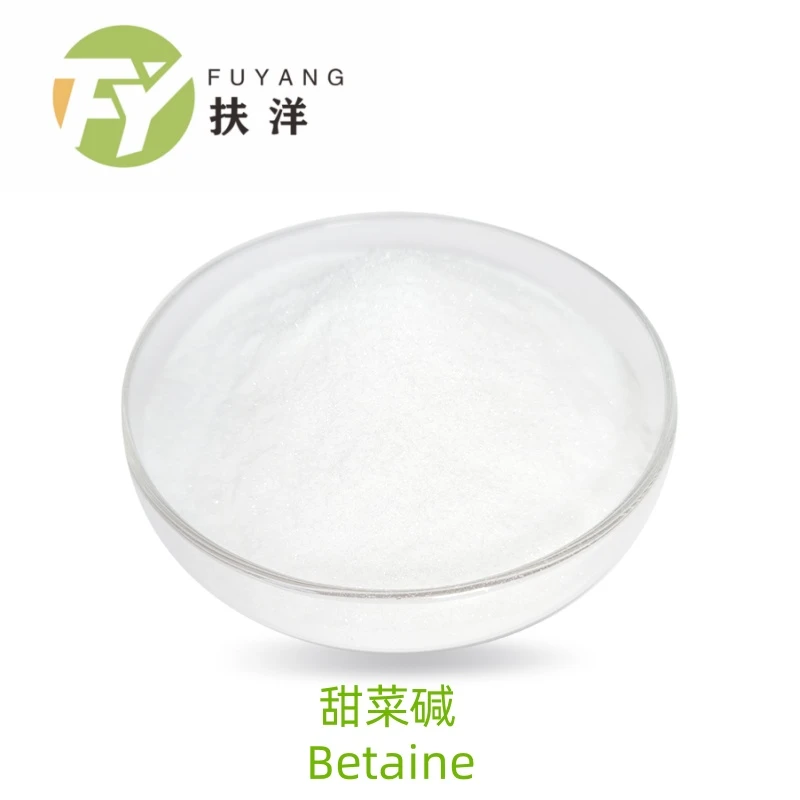
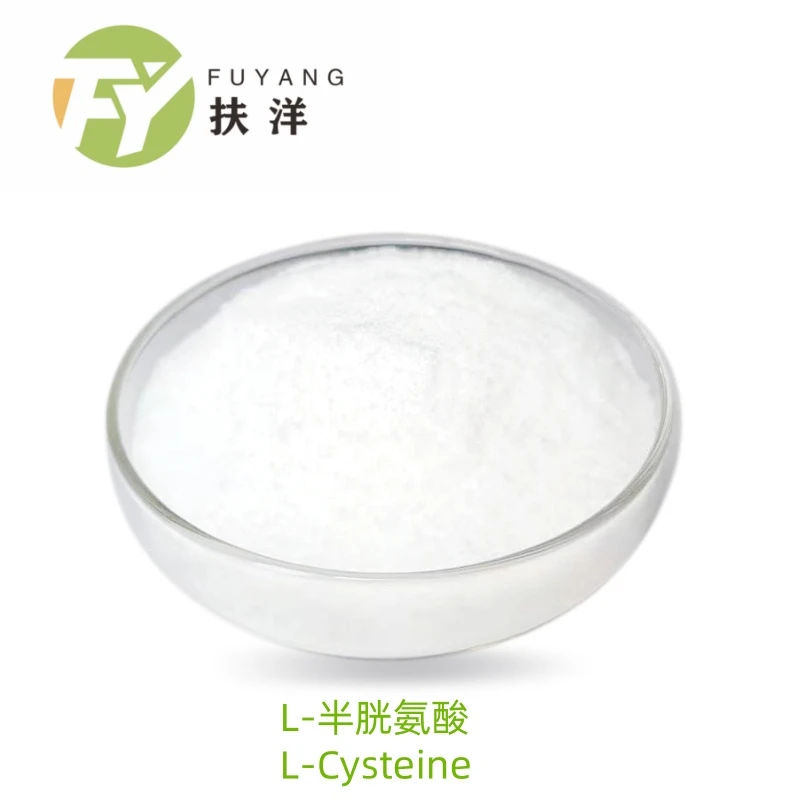
The primary types include essential amino acids that animals cannot synthesize, such as Lysine, Methionine, and Threonine. Additionally, specialized additives like Betaine (found in our Betaine HCl) serve as methyl donors and osmolytes. These are used to balance the protein profile of the diet, allowing producers to reduce crude protein levels while maintaining optimal growth and health markers.
How does Betaine HCl specifically provide health benefits during heat stress?
Betaine acts as a compatible solute or osmolyte. When animals face heat stress, cells tend to lose water and shrink. Betaine increases the intracellular osmotic pressure without interfering with enzyme function, which helps cells retain water and maintain structural integrity. This prevents metabolic dysfunction and reduces the mortality rate associated with extreme temperatures in regions like Peru.
What is the advantage of amino acid chelates over inorganic mineral salts?
Inorganic salts are often unstable and can react with other feed components, forming insoluble complexes that cannot be absorbed. Chelates, such as Zinc Glycinate, bond the mineral to an amino acid, creating a stable molecule that is absorbed via amino acid transport pathways. This results in significantly higher bioavailability, lower excretion rates, and more efficient nutrient utilization by the animal.
How should I implement these additives in a Peruvian commercial feed mill?
Implementation should start with a nutritional audit of your current raw materials. Once the limiting amino acids are identified, the additives should be integrated into the premix. For heat-sensitive products, we recommend using our coated versions to ensure stability during the pelleting process. We provide technical guidance on inclusion levels based on the specific species and environmental conditions of your facility.
Are these additives compliant with international export standards for meat products?
Yes, our products are designed to meet high purity standards. Because they enhance natural biological processes and reduce the need for growth-promoting antibiotics, they are ideal for producers aiming for certification in the EU, US, and other strict markets. We provide the necessary certifications to ensure that your final livestock products meet global safety and quality requirements.
How do I choose between different types of chelates for my specific livestock?
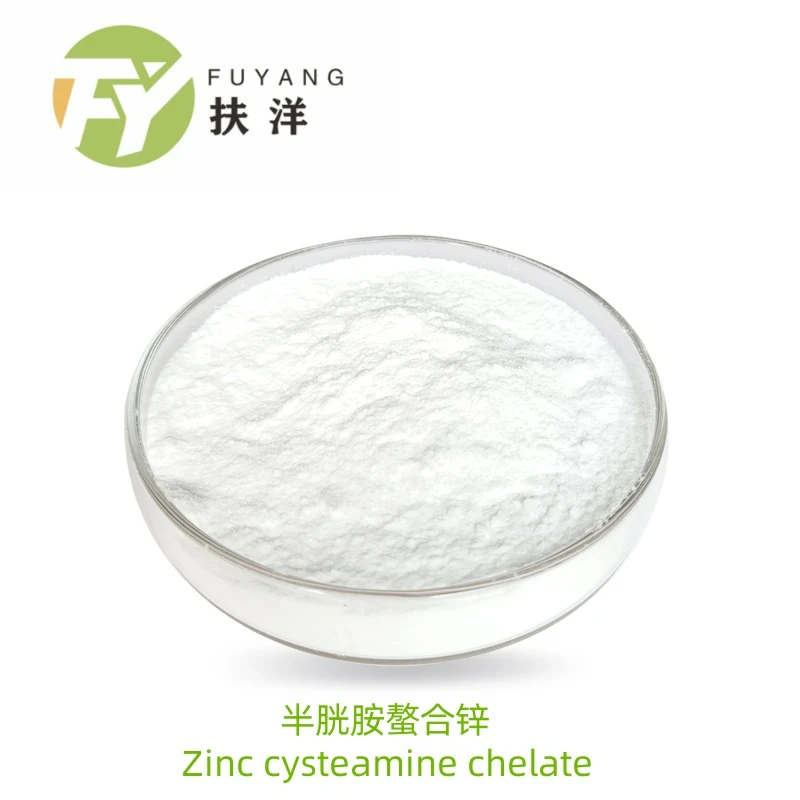
Selection depends on the target physiological outcome. For example, Zinc chelates are critical for skin and hoof health, while Manganese is essential for bone development and enzyme activation. We recommend a combined approach using our broad range of glycine and betaine chelates to ensure a balanced mineral profile. Our technical team can assist in designing a customized blend based on your animals' age and growth stage.
Ready to Optimize
Elevate Your Livestock Productivity in Peru
Whether you are managing a commercial feed mill or a large-scale farm in Peru, our biochemical solutions can help you reduce costs and enhance animal health. From high-purity betaine to advanced mineral chelates, we provide the technical expertise needed to navigate the challenges of the South American agricultural market. Contact us today to discuss your specific nutritional requirements and receive a customized technical solution.
Discuss Your Requirements