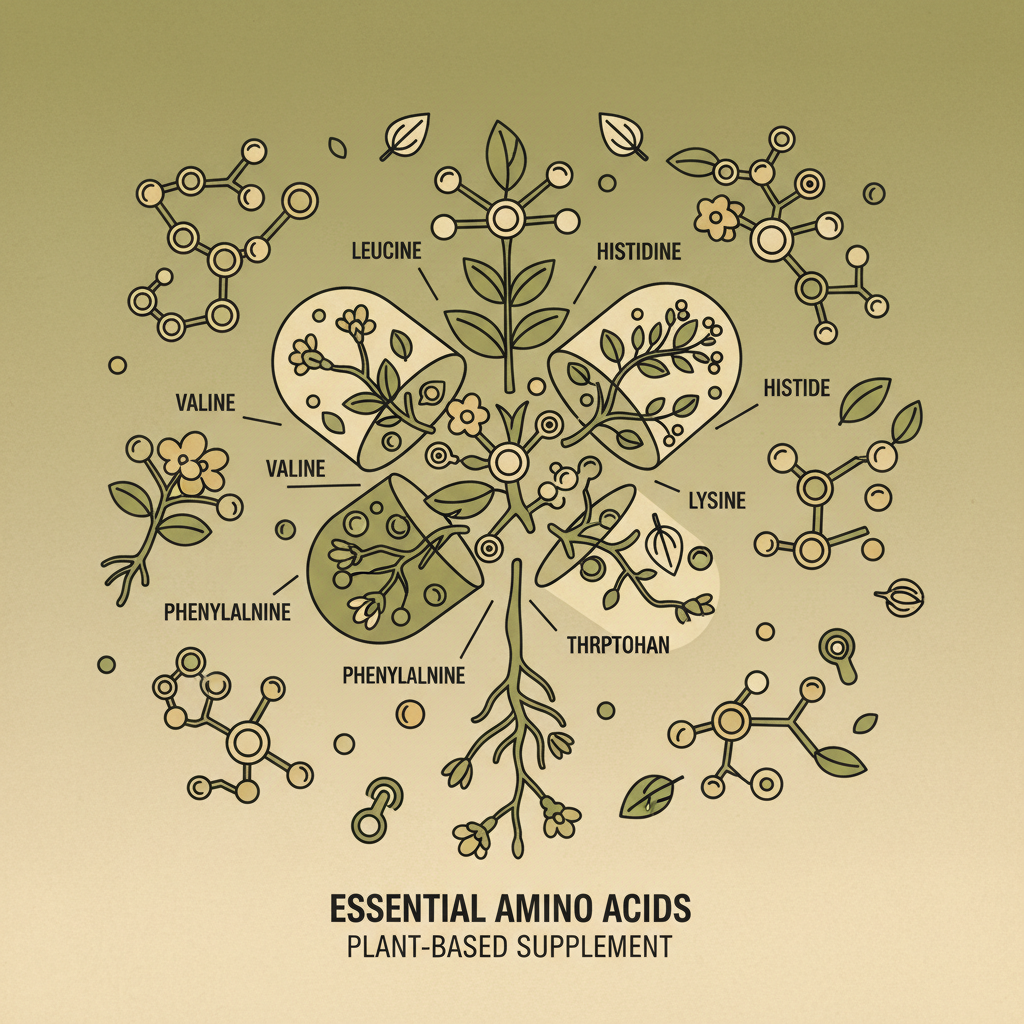
amino 150 represents a significant advancement in bio-based chemical solutions, increasingly vital for sustainable industrial practices. Its unique composition and production process offer a compelling alternative to traditional, often petroleum-derived, compounds. Understanding its properties and applications is crucial for businesses and researchers seeking environmentally responsible materials.
The growing global demand for sustainable chemicals is driving innovation in areas like biodegradable plastics, eco-friendly solvents, and renewable resource utilization. amino 150 directly addresses this need, offering a versatile building block for creating a wide range of products with reduced environmental impact. Its scalability and cost-effectiveness are key factors in its potential for widespread adoption.
Furthermore, the development and application of amino 150 align with global initiatives aimed at reducing carbon footprints and promoting a circular economy. As regulations tighten and consumer awareness increases, the demand for bio-based solutions like amino 150 will only continue to grow, making it a strategic focus for industries committed to long-term sustainability.
Introduction to amino 150
amino 150 represents a novel approach to bio-based chemical manufacturing, specifically designed to replace less sustainable alternatives. Its molecular structure allows for a wide range of chemical modifications, making it a versatile ingredient in various industrial processes. The production of amino 150 focuses on maximizing resource efficiency and minimizing waste generation.
This innovative chemical compound has quickly gained attention due to its potential in creating environmentally friendly products and reducing reliance on fossil fuels. Its properties are carefully tuned to meet the demands of a diverse market, making it suitable for applications ranging from biodegradable plastics to specialized industrial coatings.
Defining amino 150: A Bio-Based Solution
amino 150 is a bio-derived chemical intermediate produced from renewable resources, primarily plant-based feedstocks. Unlike traditional petrochemicals, its production process reduces carbon emissions and minimizes the environmental impact. It serves as a key building block for creating a variety of downstream products.
The significance of amino 150 lies in its capacity to facilitate the transition towards a more sustainable chemical industry. Its versatility enables the development of products that are both high-performing and environmentally responsible, aligning with growing consumer demand for green solutions.
In essence, amino 150 embodies the principles of green chemistry, aiming to design chemical products and processes that reduce or eliminate the use or generation of hazardous substances, showcasing its vital role in modern industry and humanitarian needs for eco-friendly alternatives.
Core Properties of amino 150
amino 150 exhibits several key properties that make it uniquely suited for a range of applications. These include exceptional solubility in water and common organic solvents, high thermal stability, and a reactive functional group that allows for easy modification and polymerization.
Furthermore, amino 150 demonstrates excellent biodegradability under specific conditions, minimizing its long-term environmental persistence. This characteristic is especially important for applications where end-of-life disposal is a concern. It also possesses low toxicity levels, enhancing its safety profile compared to many traditional chemical compounds.
The specific molecular structure of amino 150 imparts these properties, allowing it to act as both a monomer and a crosslinking agent, offering flexibility in formulation and product design. This adaptability is crucial for catering to diverse industrial requirements.
Key Performance Indicators of amino 150
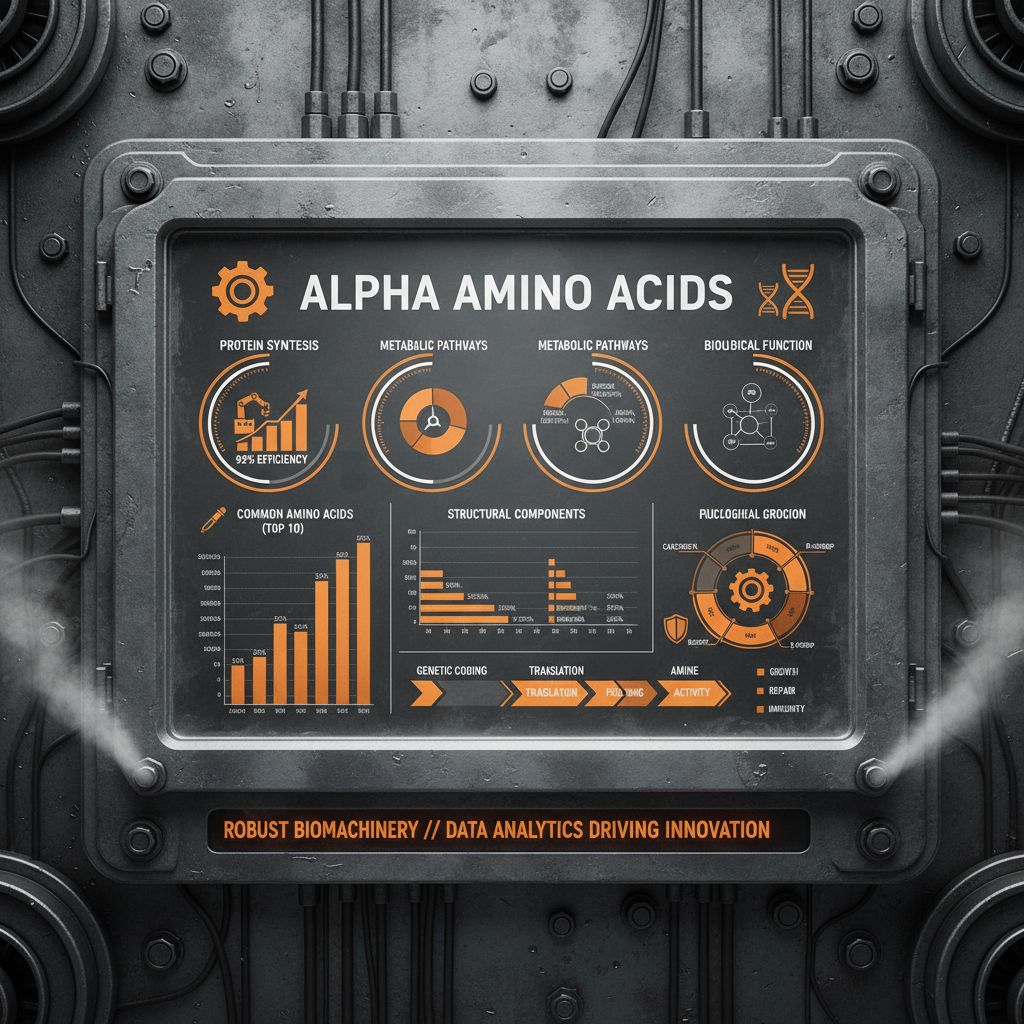
Evaluating amino 150 requires assessing several key performance indicators (KPIs) to understand its efficacy across different applications. These KPIs include its reaction rate in polymerization processes, its thermal degradation temperature, its tensile strength when incorporated into polymer matrices, and its biodegradability rate in controlled environments.
These metrics directly impact the usability of amino 150 in creating materials with desired properties. For instance, a higher tensile strength translates to increased durability in plastic products, while faster biodegradation rates contribute to reduced environmental impact.
amino 150 Performance Indicators
Global Applications and Industry Impact
amino 150 is finding increasing applications across diverse industries, including packaging, agriculture, textiles, and pharmaceuticals. In packaging, it’s used to create biodegradable films and containers. Within agriculture, it serves as a component in controlled-release fertilizers, enhancing nutrient uptake and reducing environmental runoff.
The textile industry leverages amino 150 for developing eco-friendly dyes and finishes, reducing the reliance on harmful chemicals. In pharmaceuticals, its biocompatibility makes it suitable for drug delivery systems and excipients. These applications are seen globally, with notable adoption in Europe, North America, and increasingly in Asia-Pacific regions.
Advantages and Sustainable Value of amino 150
The adoption of amino 150 delivers tangible benefits, including reduced carbon footprint, decreased reliance on fossil fuels, and enhanced biodegradability. Its cost-effectiveness is becoming increasingly competitive with traditional petrochemicals, making it a viable alternative for businesses.
From a social impact perspective, amino 150 supports the development of a circular economy and promotes responsible resource management. It fosters innovation in sustainable materials and contributes to a more resilient and environmentally conscious industrial landscape, building trust with consumers and stakeholders.
Future Trends and Emerging Applications of amino 150
The future of amino 150 is tied to advancements in biotechnology, materials science, and green chemistry. Ongoing research is focused on optimizing its production process for even greater efficiency and reducing its cost. Emerging applications include its use in 3D printing of biodegradable materials and in the development of sustainable adhesives.
Integration with digital transformation technologies, such as AI-driven process optimization and blockchain-enabled supply chain tracking, will further enhance the traceability and sustainability of amino 150. Its role in supporting a circular economy, coupled with increasing demand for eco-friendly products, positions it for continued growth and innovation.
The convergence of these trends suggests that amino 150 will play a pivotal role in shaping a more sustainable and responsible chemical industry for years to come.
Summary of amino 150 Production Methods & Sustainability
| Production Method |
Environmental Impact |
Cost Efficiency |
Scalability Potential |
| Fermentation Process |
Low, utilizing renewable feedstocks |
Moderate, requires optimization |
High, easily scalable with bioreactor expansion |
| Enzymatic Conversion |
Very Low, minimal waste generation |
High, efficient use of resources |
Moderate, enzyme availability can be a constraint |
| Chemical Synthesis (Bio-Based) |
Moderate, dependent on reagent sourcing |
Moderate, requires careful process control |
High, established chemical infrastructure |
| Hybrid Fermentation-Synthesis |
Low to Moderate, leverages benefits of both approaches |
High, synergistic cost reduction |
High, adaptable to varying production scales |
| Waste Stream Valorization |
Very Low, utilizes byproducts as feedstock |
Very High, minimizes waste disposal costs |
Moderate, dependent on waste stream consistency |
| Direct Extraction from Biomass |
Low, minimal processing required |
Moderate, extraction efficiency varies |
Moderate, biomass sourcing and yield are key factors |
FAQS
amino 150 offers several key advantages, including its renewable sourcing from plant-based feedstocks, reduced carbon footprint, and improved biodegradability. Unlike petrochemicals derived from fossil fuels, amino 150 contributes to a circular economy and minimizes reliance on finite resources. Its lower toxicity and potential for creating eco-friendly products are also significant benefits, appealing to environmentally conscious consumers and meeting increasingly stringent regulations.
While the initial cost of amino 150 may sometimes be slightly higher than some petrochemicals, its overall cost-effectiveness is rapidly improving due to advancements in production technologies and economies of scale. Moreover, when considering the long-term benefits—such as reduced waste disposal costs, lower environmental penalties, and enhanced brand reputation—amino 150 often proves to be a financially sound investment.
amino 150’s versatility makes it applicable across a wide range of industries. Key sectors include packaging (biodegradable films), agriculture (controlled-release fertilizers), textiles (eco-friendly dyes), pharmaceuticals (drug delivery systems), and cosmetics (bio-based ingredients). Any industry seeking to reduce its environmental impact and adopt sustainable practices can potentially benefit from integrating amino 150 into its processes.
amino 150 demonstrates biodegradability under specific conditions, particularly in composting environments or soil with sufficient microbial activity. The rate of biodegradation can vary depending on factors such as temperature, humidity, and the presence of suitable microorganisms. Testing according to relevant standards (e.g., ASTM D6400) confirms its capacity to break down into natural components.
The environmental impact of amino 150 production is significantly lower than that of petrochemicals. It utilizes renewable feedstocks, reduces greenhouse gas emissions, and minimizes waste generation. Ongoing research focuses on further optimizing the production process to reduce energy consumption, water usage, and the need for chemical inputs, constantly striving for a truly sustainable lifecycle.
You can find comprehensive information about sourcing amino 150 and its technical specifications on our website, amino 150. We offer a range of product grades and customization options to meet your specific needs. Our team of experts is also available to provide guidance and support throughout the sourcing process.
Conclusion
In conclusion, amino 150 represents a paradigm shift in the chemical industry, offering a sustainable and versatile alternative to traditional petrochemicals. Its unique properties, coupled with its environmental benefits and increasing cost-competitiveness, position it as a key enabler of a circular economy and a more responsible industrial future. From packaging and agriculture to textiles and pharmaceuticals, its applications are diverse and growing.
Looking ahead, continued innovation in amino 150 production, combined with increasing demand for eco-friendly materials, will undoubtedly drive its widespread adoption. We encourage businesses and researchers to explore the potential of amino 150 to create sustainable products, reduce their environmental footprint, and build a more resilient future. Visit our website at www.hbfuyangbio.com to learn more and discover how amino 150 can benefit your organization.