A Practical Look at Amino Acid Fertilizer Production
Having spent quite some years around industrial equipment yards and fertilizer plants, I can tell you — amino acid fertilizer production is less glamorous than it sounds but fascinating in its own way. It's one of those sectors where biology meets big machinery, all aimed at feeding plants smarter.
Why Amino Acid Fertilizers Matter More Than Ever
In the world of agriculture, there’s a growing push for sustainable, environmentally friendlier fertilizers. Amino acid fertilizers, derived from protein hydrolysates, fit this bill neatly. They help plants absorb nutrients efficiently, improve soil health, and reduce reliance on chemical additives. Amino acid fertilizer isn’t just a buzzword — it’s a real player in the push toward greener farming.
What strikes me is the balance manufacturers have to hit between bioactive quality and production scalability. It’s no small feat to keep high concentrations of amino acids while running the equipment at industrial speeds.
Key Specifications of Amino Acid Fertilizer Production Equipment
For those who get their hands dirty in production, equipment specs aren’t just numbers on paper. They tell you if the machine can hold up under the pressures of continuous operation or if it’s going to choke on the raw materials.
| Specification | Typical Value |
|---|---|
| Production Capacity | 1,000 - 5,000 kg/day |
| Amino Acid Content | ≥ 45% |
| pH Range of Output | 5.0 - 7.0 (adjustable) |
| Raw Material Input | Soybean, Corn Gluten, Animal Protein Hydrolysate |
| Energy Consumption | 120 kWh/ton |
| Operating Temperature | 50 - 60°C |
Choosing the Right Supplier: A Comparative Snapshot
Finding the right partner or equipment supplier is almost an art, if you ask me. The usual suspects in amino acid fertilizer machinery are quite capable, but they differ in after-sales service, customization options, and industrial footprint.
| Supplier | Customization | After-Sales Support | Average Lead Time | Certifications |
|---|---|---|---|---|
| HBFuyang Bio | High | 24/7 Global Support | 4-6 Weeks | ISO9001, CE |
| AgriTech Solutions | Medium | Business Hours Only | 6-8 Weeks | ISO14001 |
| GreenGrow Equip | Low | Limited Remote Service | 5 Weeks | CE |
If you ask me, I’d lean toward a supplier who offers solid after-sales support. The world’s full of stories where the best machinery ended up gathering dust or sidelined because the local team couldn’t get quick assistance. HBFuyang Bio comes recommended often, partly because of their holistic approach — not just selling a machine but owning the lifecycle. That counts.
Living Through the Production Cycle: What to Expect
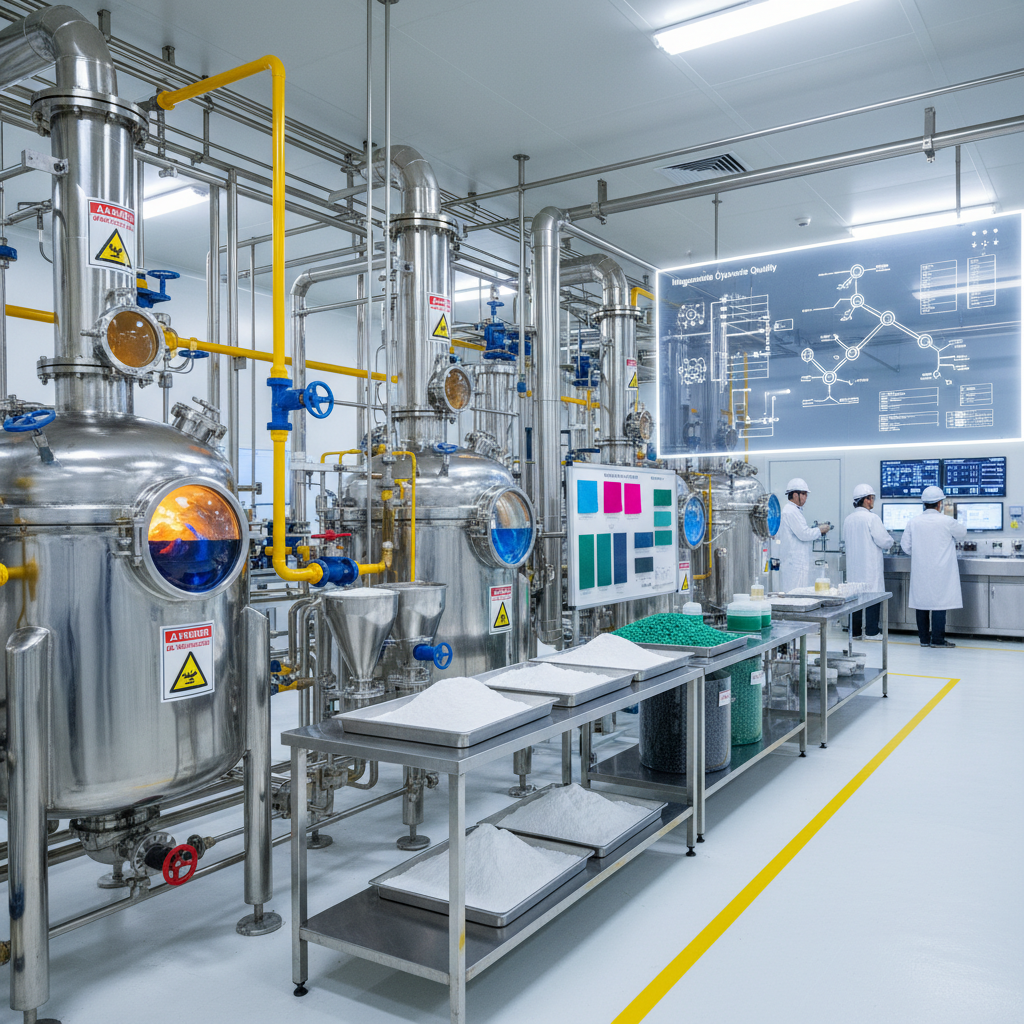
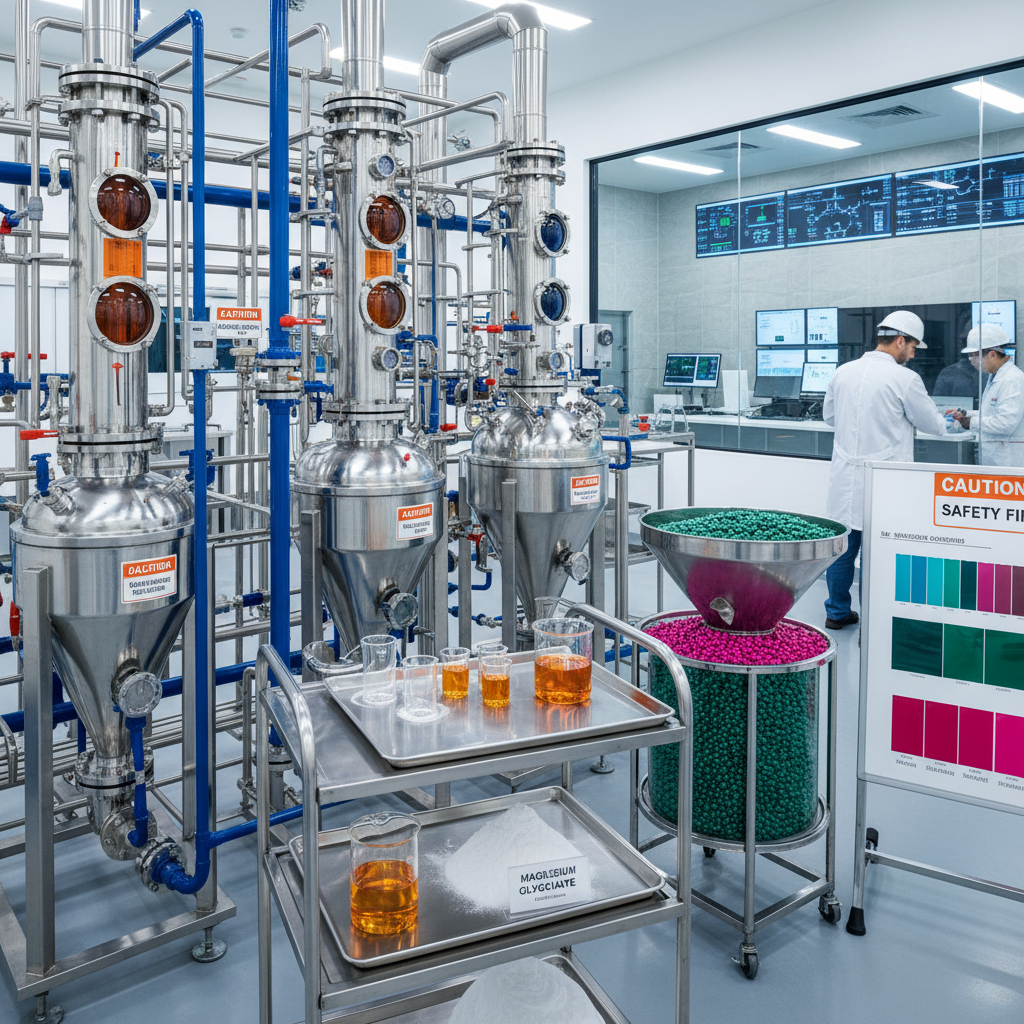
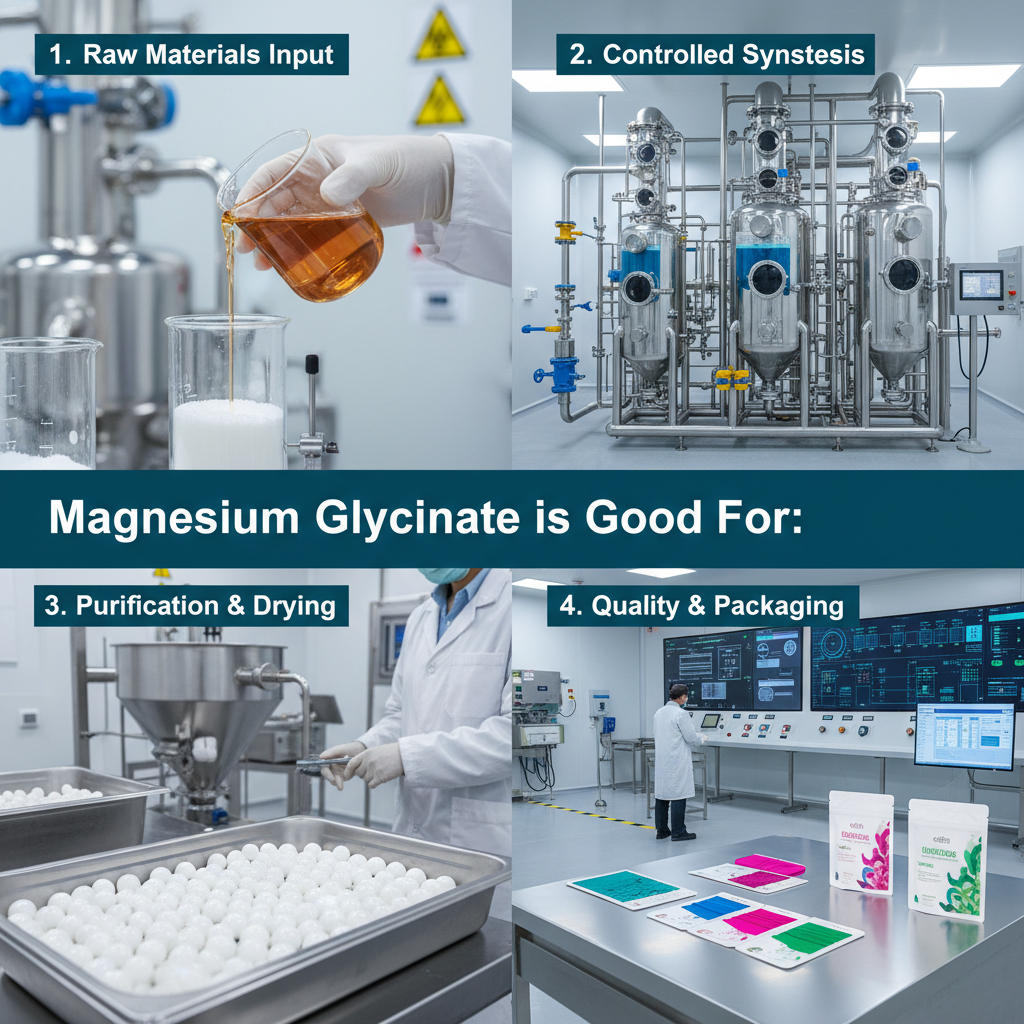
Jumping into actual production, one thing I noticed is the delicate dance of temperature, pH, and stirring speed. It’s never just press “start” and walk away. Operators must monitor these parameters closely to prevent degradation of amino acids. The manual labor intensity varies; some plants are highly automated, others have a more “hands-on” feel.
One client I worked with — a mid-size fertilizer producer in Iowa — told me their biggest initial challenge was sourcing consistent-quality raw materials. Variations in soybean meal hydrolysate heavily impacted the final amino acid concentration, and that led them to tweak the process continuously for months.
In real terms, it’s a reminder that amino acid fertilizer production is part science, part art, part logistics juggle. And frankly, that mix keeps it interesting.
Wrapping Up: The Future of Amino Acid Fertilizer Production
Looking ahead, I expect more automation and real-time process analytics — think IoT sensors monitoring amino acid content in real-time. Meanwhile, sustainability trends will boost demand for such biofertilizers, but only if production stays economically viable (and that’s a big if).
So, whether you’re a producer, an engineer, or an investor, amino acid fertilizer production is worth watching. It may lack the flash of some other tech fields but has this grounded, practical charm that really grows on you.
References / Thoughts:
- Insights from industrial fertilizer production visits in 2018-2022.
- Supplier catalogs and certifications as of 2024.
- Client anecdotes and optimization case studies from midwestern US operations.