Elemental Iron vs Iron Bisglycinate: A Practical Overview for Industry Pros
After more than a decade of dealing with iron products across various equipment and supplement lines, I've come to realize how often folks get tripped up by the terminology — especially when it comes to elemental iron and iron bisglycinate. Both have their place, sure, but understanding the differences is crucial not just for product development but for navigating this industry’s subtle demands.
Elemental iron is, quite simply, the pure iron content available in a given compound. On the other hand, iron bisglycinate is a chelated form — meaning iron is bound to amino acids (glycine, specifically) — which affects its absorption rates, stability, and even how it reacts in formulations. In real terms, the form you choose can influence dosage, bioavailability, and how customers perceive the product's quality.
Why Material Specs Matter: A Quick Look at Iron Product Characteristics
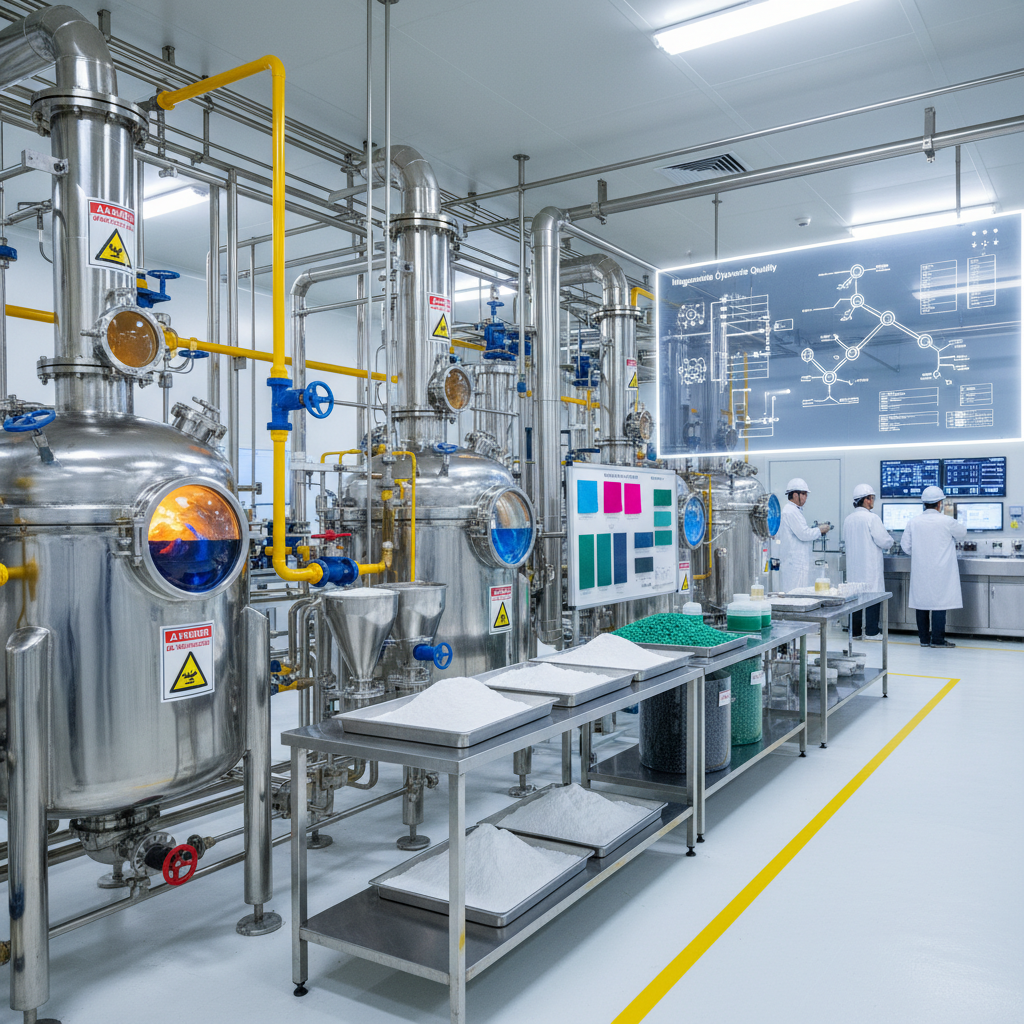
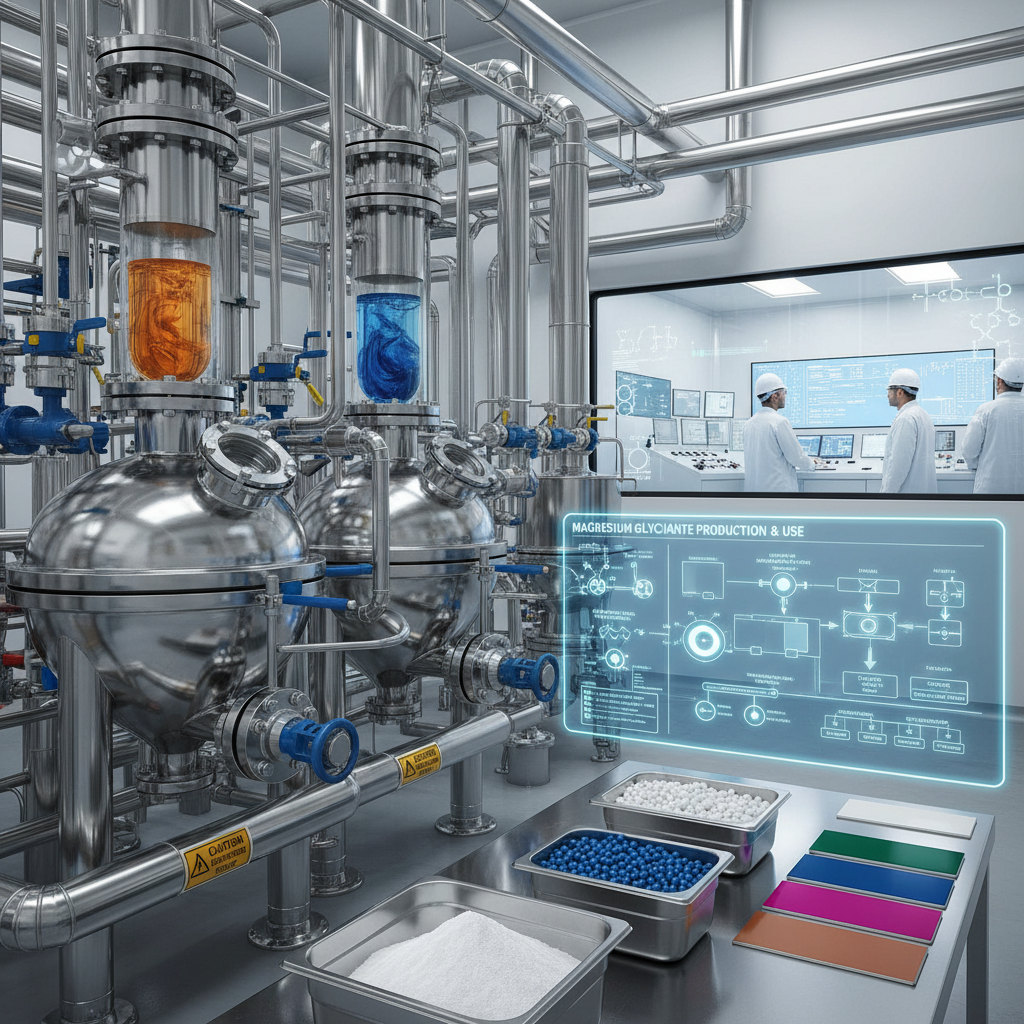
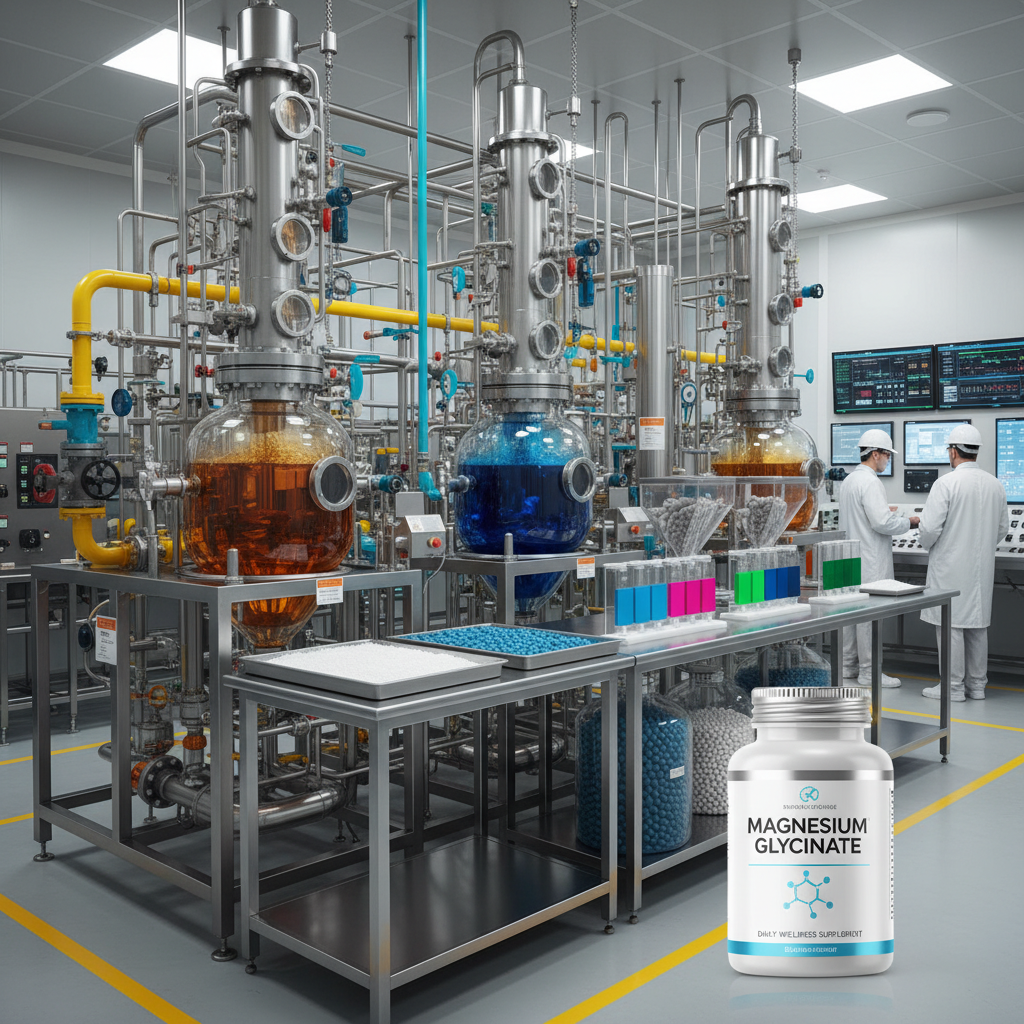
Now, I once worked on a line that switched from a standard elemental iron powder to an iron bisglycinate complex. The goal was straightforward: improved absorption for end users. Oddly enough, the change required an overhaul of the entire mixing process — the bisglycinate wasn’t behaving like “regular” elemental iron powders. It was more flowable, less dusty, but more hygroscopic (I love that fancy word — means it grabs moisture out of the air). Those characteristics changed everything about storage and handling.
| Specification | Elemental Iron | Iron Bisglycinate |
|---|---|---|
| Iron Content (%) | ~70% | ~20% |
| Bioavailability | Moderate | High |
| Solubility | Low | Better (chelates well) |
| Stability | Stable in dry form | Sensitive to moisture |
| Typical Uses | Industrial powders, bulk raw iron | Nutritional supplements, specialty formulas |
Comparing Leading iron bisglycinate Suppliers: What To Watch For
Picking the right vendor is often half the battle won. From my experience juggling multiple suppliers, here’s a snapshot of three notable players in this space (names anonymized out of respect):
| Vendor | Purity (%) | Supply Capacity | Price Range (USD/kg) | Certifications |
|---|---|---|---|---|
| Vendor A | 98% | 100 MT/month | 20 - 25 | ISO, GMP |
| Vendor B | 95% | 80 MT/month | 18 - 22 | FDA registered |
| Vendor C | 99% | 50 MT/month | 22 - 28 | ISO, Organic Certified |
One quick story — a client was switching their entire supplement line from elemental iron powder due to absorption complaints. After switching to a trusted iron bisglycinate source, the difference was noticeable, literally. The feedback loop from end-users improved significantly, with fewer gastrointestinal complaints. That’s the kind of tangible impact the right product and partner can make.
To wrap up, choosing between elemental iron and iron bisglycinate isn’t just a matter of chemistry — it’s about understanding your supply chain, manufacturing capabilities, and end-user needs. The latter might cost more upfront but tends to offer better performance in the long run — if you’re willing to adapt your processes.
Ah, and if you want a reliable supplier who really understands these nuances, checking out iron bisglycinate providers like the ones above is a good start. Their expertise, I suspect, can save you more headaches than any checklist.
References & musings:
- Industrial Iron Forms and Uses, Journal of Material Science, 2021
- Supplier certifications and product impact reports – internal case files, 2018-2023
- “Chelation and bioavailability,” Nutritional Supplements Weekly, 2022