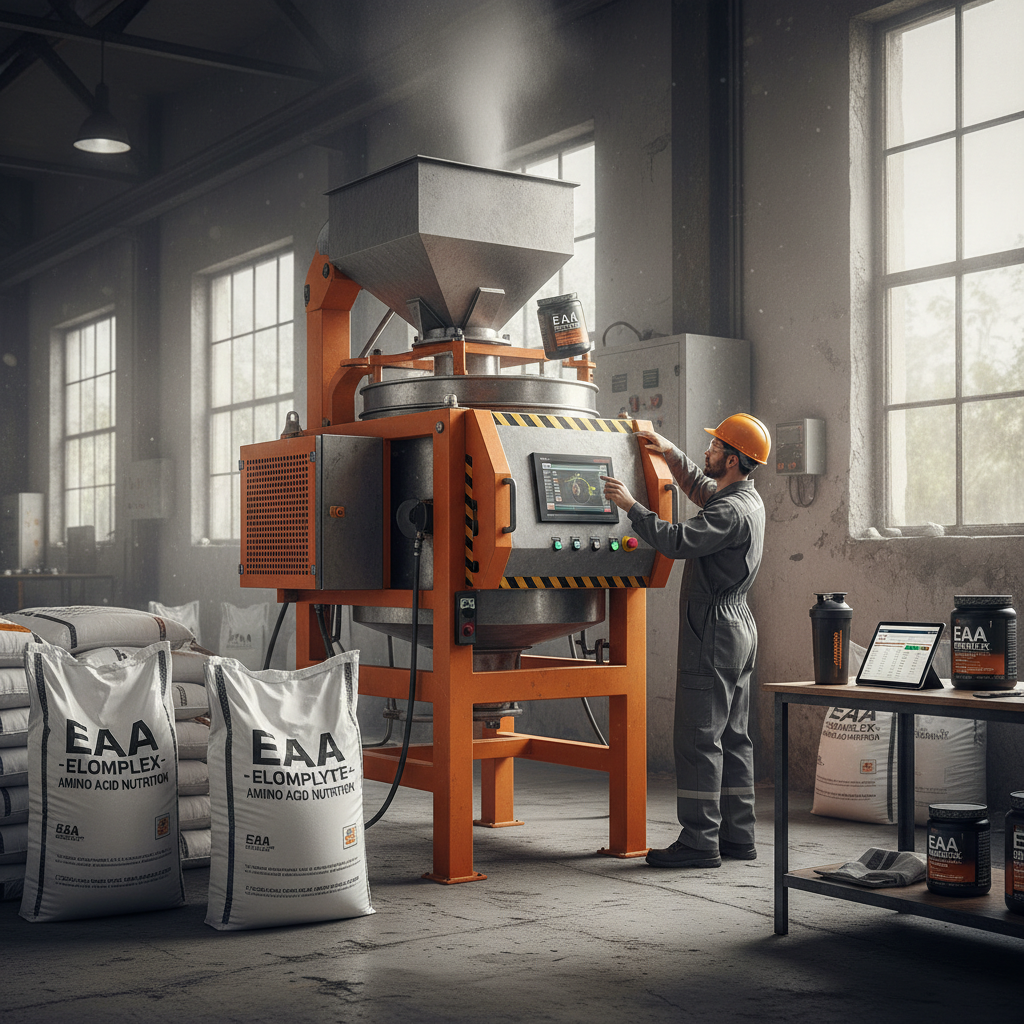
eaa nutrition is a rapidly evolving field, encompassing the science of providing essential amino acids (EAAs) to optimize human health, athletic performance, and recovery. Its importance globally stems from the increasing awareness of protein’s critical role in bodily functions, coupled with a growing demand for targeted nutritional strategies. The foundational principles of eaa nutrition are rooted in biochemistry and physiology, offering a precise approach to fueling the body compared to relying solely on complete protein sources.
The global prevalence of malnutrition, even in developed nations, underscores the need for accessible and effective nutritional interventions. eaa nutrition provides a solution by delivering the building blocks of protein directly, bypassing potential digestive limitations and ensuring optimal utilization. Furthermore, the rising popularity of fitness and athletic pursuits drives demand for specialized eaa formulations designed to enhance muscle protein synthesis and reduce muscle breakdown. Studies indicate a growing market, projected to reach significant valuations in the coming years, demonstrating its increasing relevance.
Understanding eaa nutrition is crucial not only for athletes and health enthusiasts but also for healthcare professionals seeking evidence-based strategies to address protein deficiencies, support post-surgical recovery, and manage various medical conditions. Advances in formulation and delivery methods are continually improving the bioavailability and effectiveness of eaa supplements, making them a powerful tool in promoting overall well-being and performance. eaa nutrition is at the forefront of these advancements.
The Fundamentals of eaa nutrition
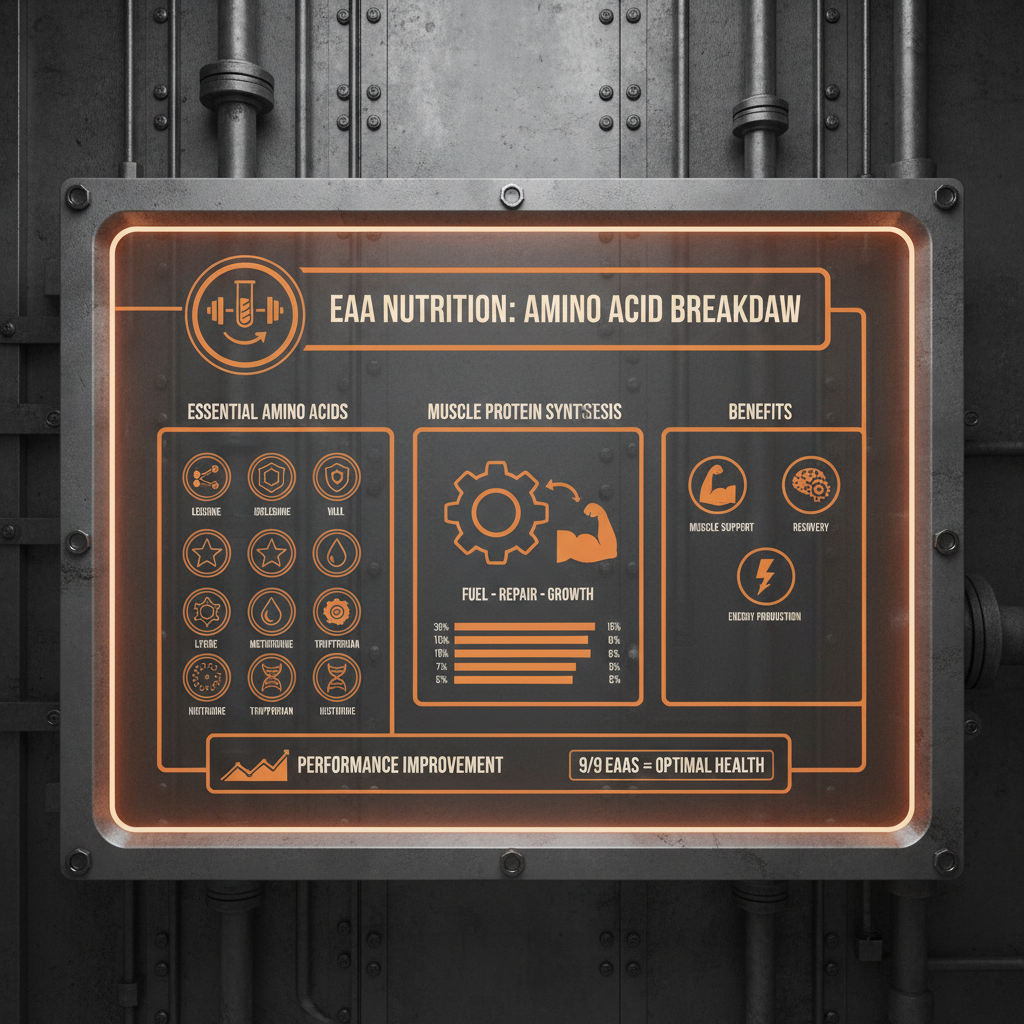
eaa nutrition centers around the nine essential amino acids – histidine, isoleucine, leucine, lysine, methionine, phenylalanine, threonine, tryptophan, and valine. These amino acids cannot be synthesized by the human body and must be obtained through dietary sources. Supplementation with EAAs provides a readily available pool of these building blocks, optimizing muscle protein synthesis, reducing muscle breakdown, and improving overall recovery.
The optimal ratios of EAAs are crucial for maximizing their effectiveness. Leucine, in particular, plays a pivotal role in initiating muscle protein synthesis. Formulations with a higher leucine content are often preferred for individuals engaged in intense physical activity. The bioavailability of EAAs also influences their impact; factors like the form of the amino acid (e.g., free-form vs. peptide-bound) can affect absorption rates and utilization.
Global Relevance and Market Dynamics
The global market for amino acid supplements, including those focused on EAAs, is experiencing substantial growth. Driven by increased health consciousness, the rise of sports nutrition, and an aging population seeking to maintain muscle mass, the demand for eaa nutrition products is escalating. Reports indicate a consistent growth trajectory, particularly in North America, Europe, and Asia-Pacific regions.
This growth is further fueled by research highlighting the benefits of EAAs for various populations, including those with sarcopenia (age-related muscle loss), individuals recovering from surgery, and patients with certain metabolic disorders. The availability of diverse eaa formulations, including powders, capsules, and ready-to-drink beverages, caters to a broad consumer base.
Challenges within the market include ensuring product quality, combating counterfeit products, and addressing regulatory complexities across different countries. However, the overall outlook for eaa nutrition remains exceptionally positive, with continued innovation and expansion expected in the coming years. eaa nutrition actively addresses these challenges through rigorous quality control and transparent sourcing.
Defining eaa nutrition: A Biochemical Perspective
eaa nutrition, at its core, is a targeted approach to providing the body with the essential building blocks for protein synthesis. Unlike consuming complete protein sources, which require digestion and breakdown into individual amino acids, EAA supplementation delivers these components in a readily absorbable form. This is particularly beneficial for individuals with compromised digestive systems or those seeking rapid recovery.
From a biochemical standpoint, EAAs act as signaling molecules, triggering pathways involved in muscle protein synthesis and reducing protein degradation. The mTOR pathway, a key regulator of cell growth and protein synthesis, is particularly sensitive to leucine, one of the essential amino acids. Optimizing EAA intake can therefore enhance the body's ability to build and repair tissues.
The concept of nitrogen balance is central to understanding the benefits of eaa nutrition. When nitrogen intake exceeds nitrogen excretion, the body is in a positive nitrogen balance, which is essential for muscle growth and repair. EAAs play a critical role in maintaining this balance, especially during periods of intense physical activity or metabolic stress.
Core Components of Effective eaa Nutrition
Effective eaa nutrition relies on several core components. Firstly, the eaa nutrition blend itself is paramount; ensuring a complete spectrum of the nine essential amino acids in optimal ratios is critical. Secondly, the bioavailability of these amino acids plays a significant role. Free-form amino acids are generally absorbed more rapidly than peptide-bound forms.
Thirdly, the timing of EAA intake is important. Consuming EAAs around workouts, or before bedtime, can maximize their impact on muscle protein synthesis and recovery. Finally, individual needs and goals should be considered. Athletes, for example, may require higher EAA intakes than sedentary individuals.
eaa nutrition Method Comparison
Global Applications and Real-World Use Cases
eaa nutrition finds application in a variety of settings. In sports nutrition, EAAs are widely used by athletes to enhance performance, accelerate recovery, and prevent muscle breakdown. In clinical nutrition, EAAs are utilized to support patients recovering from surgery, burns, or chronic illnesses.
Moreover, eaa nutrition is gaining traction in the management of age-related muscle loss (sarcopenia) and frailty. In post-disaster relief operations, EAA-enriched foods can provide essential nutrients to individuals with limited access to protein-rich sources. In remote industrial zones, where dietary diversity may be limited, EAA supplementation can help ensure adequate protein intake for workers. eaa nutrition supports these diverse applications.
Advantages and Long-Term Value Proposition
The advantages of incorporating eaa nutrition into a health and wellness regimen are numerous. Firstly, it offers a convenient and efficient way to meet daily protein requirements, particularly for individuals with busy lifestyles or dietary restrictions. Secondly, it can enhance muscle protein synthesis, promoting muscle growth, repair, and recovery.
Thirdly, EAAs contribute to improved satiety, potentially aiding in weight management. Long-term, consistent EAA intake can support healthy aging, maintain muscle mass, and enhance overall physical function. The value proposition lies not only in immediate performance gains but also in promoting long-term health and well-being.
Future Trends and Innovations in eaa Nutrition
The future of eaa nutrition is poised for innovation. Ongoing research is exploring novel delivery systems, such as liposomal encapsulation, to further enhance bioavailability. Personalized eaa formulations, tailored to individual genetic profiles and metabolic needs, are also on the horizon.
The integration of eaa nutrition with wearable technology and data analytics promises to optimize timing and dosage based on real-time physiological data. Furthermore, sustainable sourcing of amino acids and environmentally friendly manufacturing processes are gaining increasing attention.
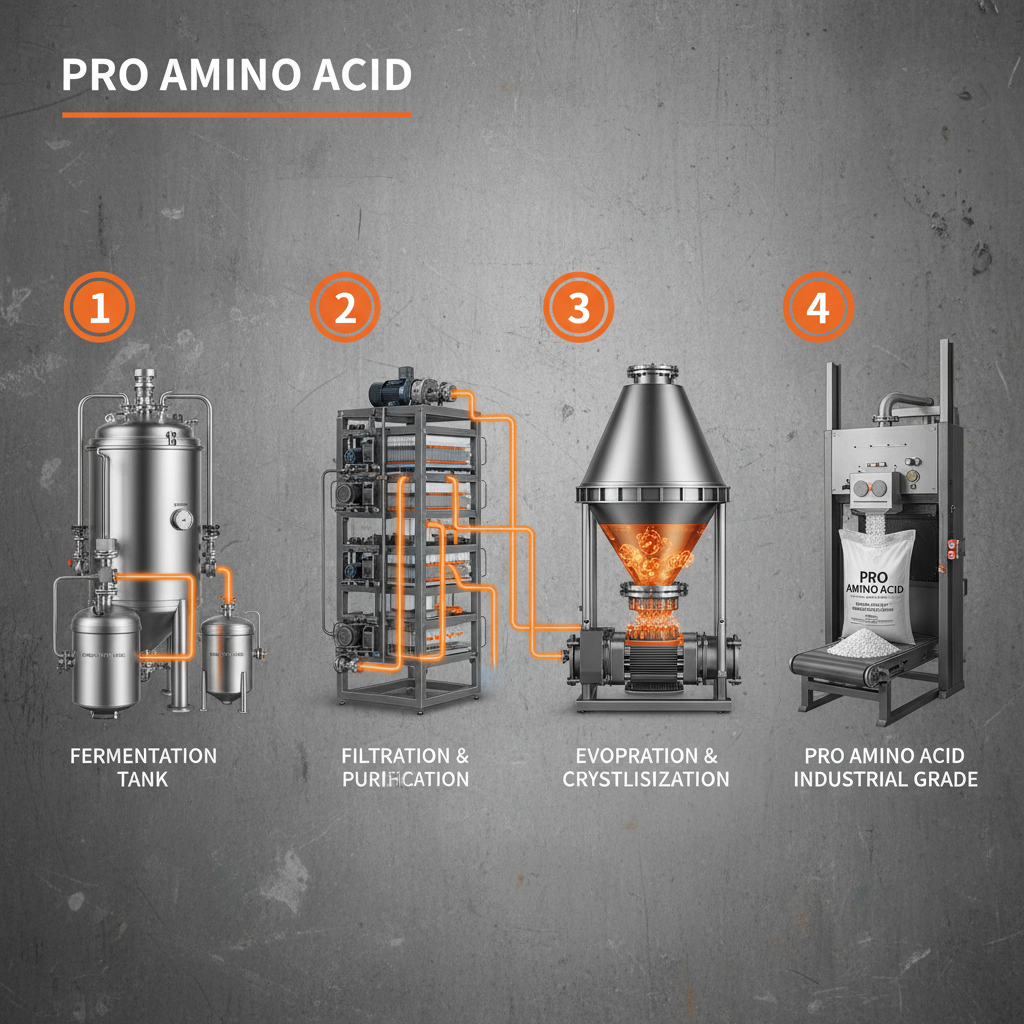
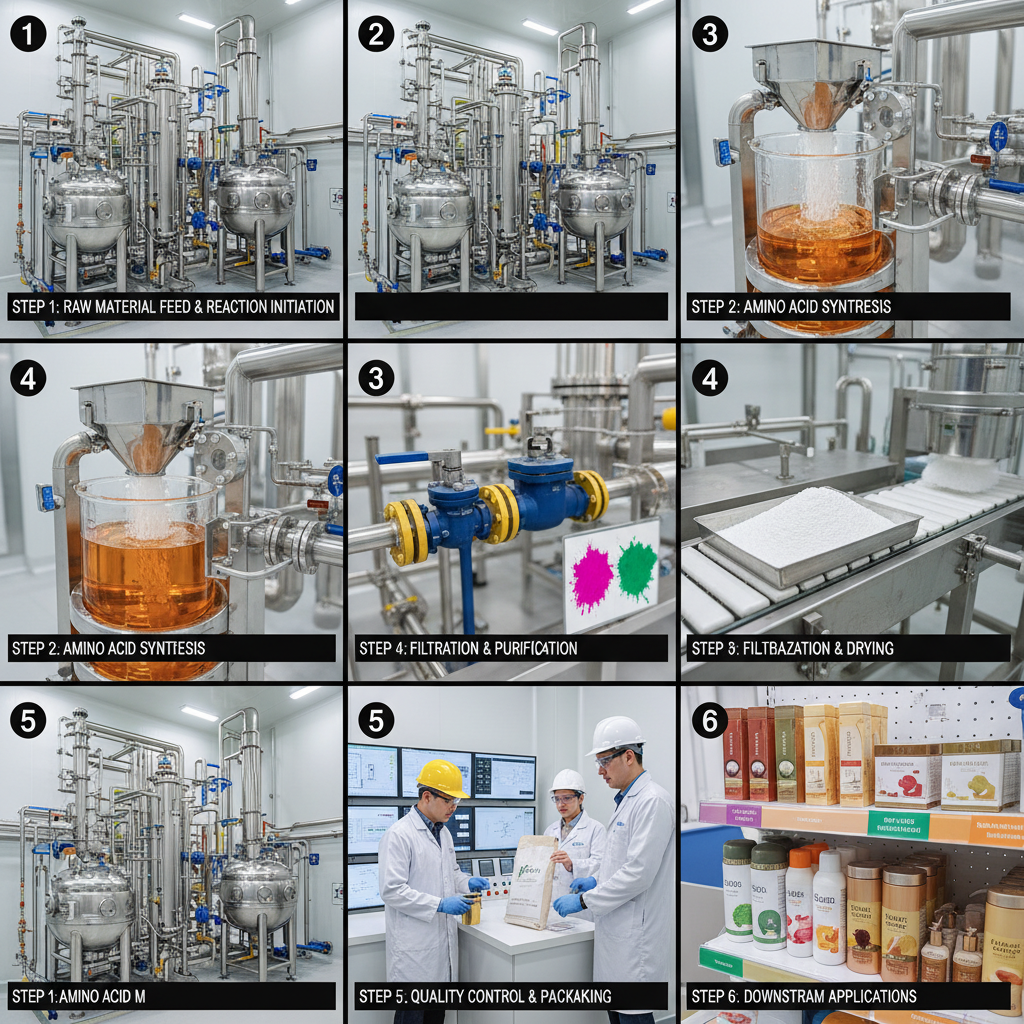
Advancements in fermentation technology are enabling the production of EAAs from renewable resources, reducing the environmental footprint of eaa nutrition products. eaa nutrition is investing in these technologies to drive sustainable innovation.
Summary of Key Challenges and Potential Solutions in eaa Nutrition
| Challenge |
Impact on eaa Nutrition |
Potential Solution |
Implementation Cost (1-10) |
| Bioavailability Issues |
Reduced effectiveness of EAA supplementation |
Liposomal encapsulation, novel delivery systems |
7 |
| Product Quality Control |
Risk of contaminated or mislabeled products |
Third-party testing, rigorous quality assurance standards |
6 |
| High Production Costs |
Limited accessibility for some populations |
Fermentation technology, sustainable sourcing |
8 |
| Regulatory Complexity |
Difficulties in international trade and compliance |
Harmonization of regulations, clear labeling guidelines |
9 |
| Consumer Awareness |
Lack of understanding about the benefits of EAAs |
Educational campaigns, clear product messaging |
5 |
| Individual Variability |
Differing responses to EAA supplementation |
Personalized formulations, genetic testing |
7 |
FAQS
The optimal EAA dosage for muscle recovery typically ranges from 5-10 grams, consumed post-workout or between meals. This provides a sufficient supply of the essential building blocks needed to repair and rebuild muscle tissue. Factors like body weight, training intensity, and individual metabolic rate can influence the ideal dosage. Consulting with a registered dietitian or sports nutritionist is recommended for personalized guidance.
Both EAAs and whey protein are effective for muscle growth, but they work through different mechanisms. Whey protein provides a complete amino acid profile, while EAAs deliver only the essential amino acids directly. EAAs may be more rapidly absorbed and utilized, making them beneficial for situations where rapid recovery is crucial. However, whey protein offers additional benefits from its components like immunoglobulins. The best choice depends on individual needs and preferences.
Yes, EAAs can be effectively taken on an empty stomach. In fact, this can enhance their absorption as there is no competition from other amino acids from dietary protein. This is a particularly beneficial strategy for maximizing muscle protein synthesis, especially first thing in the morning or before bedtime. However, some individuals may experience mild digestive discomfort; starting with a smaller dose is advised.
Yes, it's essential to continue consuming complete protein sources as part of a balanced diet, even when supplementing with EAAs. EAAs primarily support muscle protein synthesis, but complete proteins provide a wider range of nutrients vital for overall health. Think of EAAs as a complement to, not a replacement for, a protein-rich diet.
EAA supplementation is generally considered safe for most individuals. However, some may experience mild side effects such as digestive upset, nausea, or bloating, particularly at higher doses. Individuals with kidney or liver conditions should consult with a healthcare professional before taking EAAs. It's also important to choose high-quality products from reputable brands.
Endurance athletes can benefit from EAA supplementation by reducing muscle breakdown during prolonged exercise and accelerating recovery afterward. EAAs help preserve lean muscle mass, which is crucial for maintaining performance and preventing fatigue. They also contribute to glycogen replenishment and reduce oxidative stress, further enhancing recovery.
Conclusion
eaa nutrition represents a powerful and precise approach to optimizing health, performance, and recovery. By providing the essential building blocks for protein synthesis, EAAs offer significant benefits for athletes, individuals recovering from illness or injury, and those seeking to maintain muscle mass as they age. Understanding the biochemical principles underlying eaa nutrition is key to maximizing its effectiveness.
Looking ahead, continued innovation in formulation, delivery systems, and personalized nutrition will further enhance the potential of eaa nutrition. Embracing sustainable sourcing and prioritizing product quality are essential for ensuring its long-term viability and accessibility. Visit our website at eaa nutrition to learn more about our cutting-edge EAA solutions and how they can help you achieve your health and fitness goals.