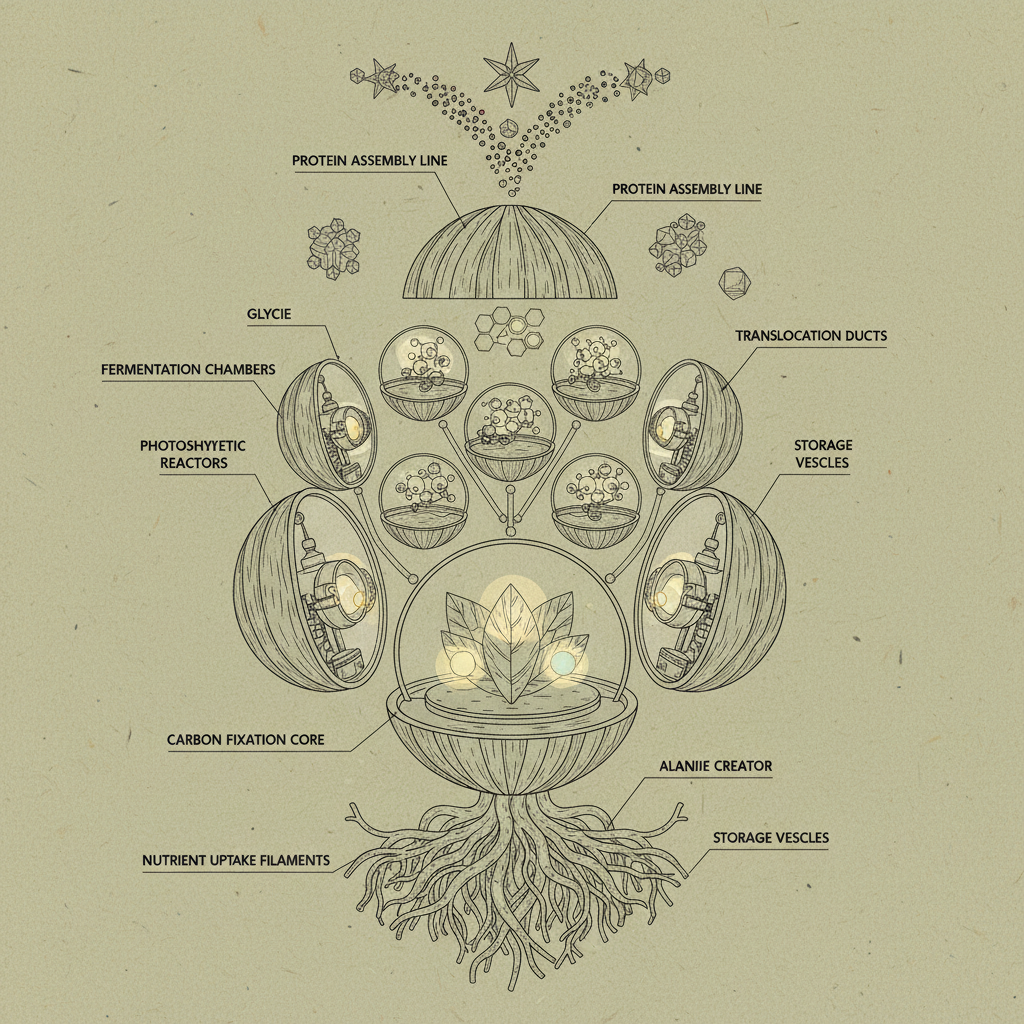
Understanding the biological mechanisms of nutrient breakdown is essential for optimizing animal health and crop yields. In the realm of biochemistry, the study of how proteins are broken down into their constituent parts is often detailed in a catabolism of amino acids ppt, providing a visual and technical roadmap of metabolic pathways. For the livestock and agricultural industries, this knowledge is the foundation for developing high-bioavailability supplements that ensure animals and plants receive critical minerals without waste.
The global shift toward sustainable intensification in farming means that simply adding minerals to feed is no longer sufficient; we must focus on how these nutrients are processed at a cellular level. When we examine the metabolic processes outlined in a typical catabolism of amino acids ppt, it becomes clear that the synergy between amino acids and minerals, such as zinc, can drastically alter absorption rates and metabolic efficiency. This is where advanced chelation technology transforms dry biochemical theory into tangible production gains.
Zinc cysteamine chelate represents a pinnacle of this application, combining the mineral zinc with L-cysteine to bypass traditional digestive barriers. By leveraging the principles of amino acid transport, this product ensures that zinc is not lost during the metabolic processes often discussed in a catabolism of amino acids ppt, but is instead delivered directly to the tissues where it is needed most for growth, immunity, and repair.
Bioavailability and Metabolic Pathways
The efficiency of mineral absorption is heavily dependent on the chemical form of the nutrient. In traditional inorganic sources, zinc often binds with phytic acid or dietary fiber, creating insoluble complexes that the body cannot absorb. Understanding these hurdles is a key component of any catabolism of amino acids ppt, which illustrates how the body prioritizes the breakdown of proteins and the transport of their derivatives.
Zinc cysteamine chelate solves this by utilizing a 1:1 or 1:2 chelate structure. Instead of relying on precarious ionic absorption, it uses amino acid transport channels in the small intestine. This biological "shortcut" increases bioavailability by 30% to 50%, ensuring that the zinc reaches the bloodstream without being interfered with by anti-nutritional factors.
Core Mechanisms of Zinc Cysteamine Chelate
At the heart of this product is the synergy between zinc ions (Zn²⁺) and L-cysteine. L-cysteine provides essential sulfhydryl groups (-SH) that not only stabilize the zinc ion but also act as a powerful antioxidant tool. When combined, they enhance the activity of superoxide dismutase (SOD), which is critical for scavenging free radicals and reducing oxidative stress in rapidly growing animals.
Beyond antioxidant support, the chelate serves as a vital cofactor for a wide array of enzymes. DNA polymerase and alkaline phosphatase depend on zinc for their functionality, meaning this supplement directly influences cell division, the synthesis of keratin for skin and hooves, and the speed of wound healing across various species.
By protecting the zinc from the typical metabolic degradation processes described in a catabolism of amino acids ppt, the chelate ensures a steady supply of the mineral for protein synthesis. This leads to a measurable increase in biological efficiency, reducing the amount of supplement needed while maximizing the physiological output.
Impact on Animal Nutrition and Growth
In poultry and swine production, the integration of Zinc Cysteamine Chelate leads to significant improvements in growth performance. By optimizing the metabolic pathways often visualized in a catabolism of amino acids ppt, producers can see a daily weight gain increase of 5% to 12%, alongside a notably reduced feed-to-gain ratio.
The benefits extend to physical quality; pigs experience reduced skin keratinization, and poultry show a marked decrease in feather loss. Furthermore, reproductive performance is enhanced, resulting in larger litter sizes for sows and higher egg production rates for laying hens, proving that the precision of the catabolism of amino acids ppt framework applies directly to commercial success.
For ruminants and aquatic animals, the results are equally impressive. Dairy cows benefit from a reduction in bovine laminitis (hoof disease) and higher zinc content in milk, while shrimp and crabs experience facilitated molting and lower deformity rates, illustrating the versatile nature of this amino-acid-based mineral delivery system.
Performance Metrics in Livestock Species
Measuring the success of a nutritional intervention requires looking at specific biological markers. When compared to inorganic zinc sulfate, Zinc Cysteamine Chelate shows superior performance in bioavailability and stability. This is because it mimics the natural state of nutrients as they are processed during the pathways explained in a catabolism of amino acids ppt.
The following data highlights how different species respond to this specific chelate, emphasizing the balance between dosage and physiological benefit to achieve optimal health and growth.
Comparative Efficacy of Zinc Supplementation
Human Health and Pharmaceutical Applications
The application of Zinc Cysteamine Chelate extends beyond the farm and into human nutrition. For individuals suffering from zinc deficiency, this chelate serves as an effective dietary supplement to alleviate symptoms such as weakened immunity, delayed wound healing, and hair loss. Because it bypasses the common absorption barriers discussed in the catabolism of amino acids ppt, it is particularly useful for those with compromised digestive systems.
In pharmaceutical contexts, the antioxidant properties of the L-cysteine component make it a valuable tool for managing chronic inflammatory diseases, such as arthritis. Additionally, it is utilized to strengthen the immune functions of patients undergoing chemotherapy or radiotherapy, providing a stable and highly absorbable source of zinc to support cellular recovery and systemic resilience.
Agricultural Utility and Plant Stress Resistance
Plants, much like animals, require zinc for enzymatic function and growth. In agriculture, Zinc Cysteamine Chelate is employed in foliar fertilizers and soil amendments to correct critical deficiencies. For example, it is used to treat "white seedling disease" in corn and "little leaf disease" in fruit trees, ensuring that the plant's metabolic machinery operates at peak efficiency.
The chelated form allows for faster penetration through the leaf cuticle and more efficient transport within the plant's vascular system. This results in an increase in the zinc content of the final fruit and an overall improvement in the plant's ability to withstand environmental stressors, including drought and high salinity.
By integrating these organic zinc sources, farmers can reduce the overall chemical load on the soil while achieving better results. This sustainable approach aligns with the modern goal of reducing environmental runoff while maintaining high crop yields and nutritional value.
Strategic Implementation and Dosage Guide
To achieve the best results with Zinc Cysteamine Chelate, dosage must be scientifically adjusted based on the species, physiological stage, and environmental factors. While it is far more efficient than inorganic zinc, total zinc levels in feed must still comply with national regulatory limits, such as China's GB 13078-2017, to prevent toxicity and ensure environmental safety.
Practitioners should also be mindful of nutrient interactions. For instance, excessive zinc intake can impair the absorption of copper and iron; therefore, a recommended Zn ratio of 3:1 to 4:1 is advised. Additionally, avoiding concurrent use with high doses of calcium or phosphorus prevents the formation of insoluble salts that could negate the bioavailability benefits.
When used synergistically with vitamins C and E, the antioxidant effects of the L-cysteine and zinc are magnified, offering a comprehensive shield against oxidative stress. Proper storage in airtight, light-proof containers is essential to maintain the stability of the chelate structure.
Recommended Dosage and Primary Effects of Zinc Cysteamine Chelate
| Animal Category |
Dosage (Zn, mg/kg feed) |
Primary Benefit |
Bioavailability Score |
| Pigs |
60-120 |
Promote growth & hoof health |
9.5 |
| Hens |
40-100 |
Egg production & shell strength |
8.8 |
| Dairy Cows |
30-80 |
Prevent laminitis & milk zinc |
8.2 |
| Shrimp |
20-50 |
Facilitate molting, reduce mortality |
9.7 |
| Plants (Foliar) |
Variable |
Correct deficiency, stress resist |
9.0 |
| Human Supps |
RDA based |
Immunity & wound healing |
9.3 |
FAQS
Unlike zinc sulfate, which is an inorganic salt prone to binding with anti-nutritional factors like phytic acid, Zinc Cysteamine Chelate is an organic form. It uses L-cysteine to protect the zinc ion, allowing it to be absorbed through amino acid transport channels. This results in a 30%-50% increase in bioavailability, meaning more zinc reaches the target tissues and less is excreted into the environment.
Yes, Zinc Cysteamine Chelate is highly versatile. In animal feed, it improves growth and immunity. In agriculture, it is used in foliar sprays or soil amendments to correct zinc deficiencies (such as white seedling disease in corn) and enhance the plant's resistance to drought and salinity due to its superior absorption and stability.
Excessive zinc intake can interfere with the absorption of other essential minerals, particularly copper and iron. To avoid this, it is recommended to maintain a Zn ratio of 3:1 to 4:1 relative to other minerals. Additionally, users must ensure that the total zinc content in feed remains within national regulatory limits, such as GB 13078-2017 in China.
The L-cysteine part of the chelate provides sulfhydryl groups (-SH) that work synergistically with zinc to enhance the activity of superoxide dismutase (SOD). SOD is a critical enzyme that scavenges free radicals and reduces oxidative stress, which is especially important for animals under heat stress or during rapid growth phases.
You should avoid using Zinc Cysteamine Chelate concurrently with very high doses of calcium or phosphorus, as there is a risk of forming insoluble salts that could reduce absorption. However, it is highly synergistic with vitamins C and E, which further enhances its antioxidant and immune-modulating effects.
To maintain the integrity of the chelate structure and ensure long-term stability, the product should be stored in airtight, light-proof containers. It should be kept in a cool, dry environment away from direct sunlight and high humidity to prevent degradation of the organic components.
Conclusion
Zinc Cysteamine Chelate represents a sophisticated intersection of biochemistry and practical application, moving beyond simple supplementation to targeted nutritional delivery. By leveraging the metabolic pathways often detailed in a catabolism of amino acids ppt, this organic zinc source optimizes bioavailability, enhances immunity, and promotes growth across animal, human, and agricultural sectors. Its ability to reduce environmental impact while increasing production efficiency makes it an indispensable tool for modern sustainable farming.
As the industry continues to evolve toward precision nutrition, the adoption of chelated minerals will become the standard for maximizing biological potential. We encourage producers and nutritionists to scientifically calibrate their dosages and integrate these high-bioavailability solutions to ensure long-term health and profitability. Visit our website for more information and professional support: www.hbfuyangbio.com