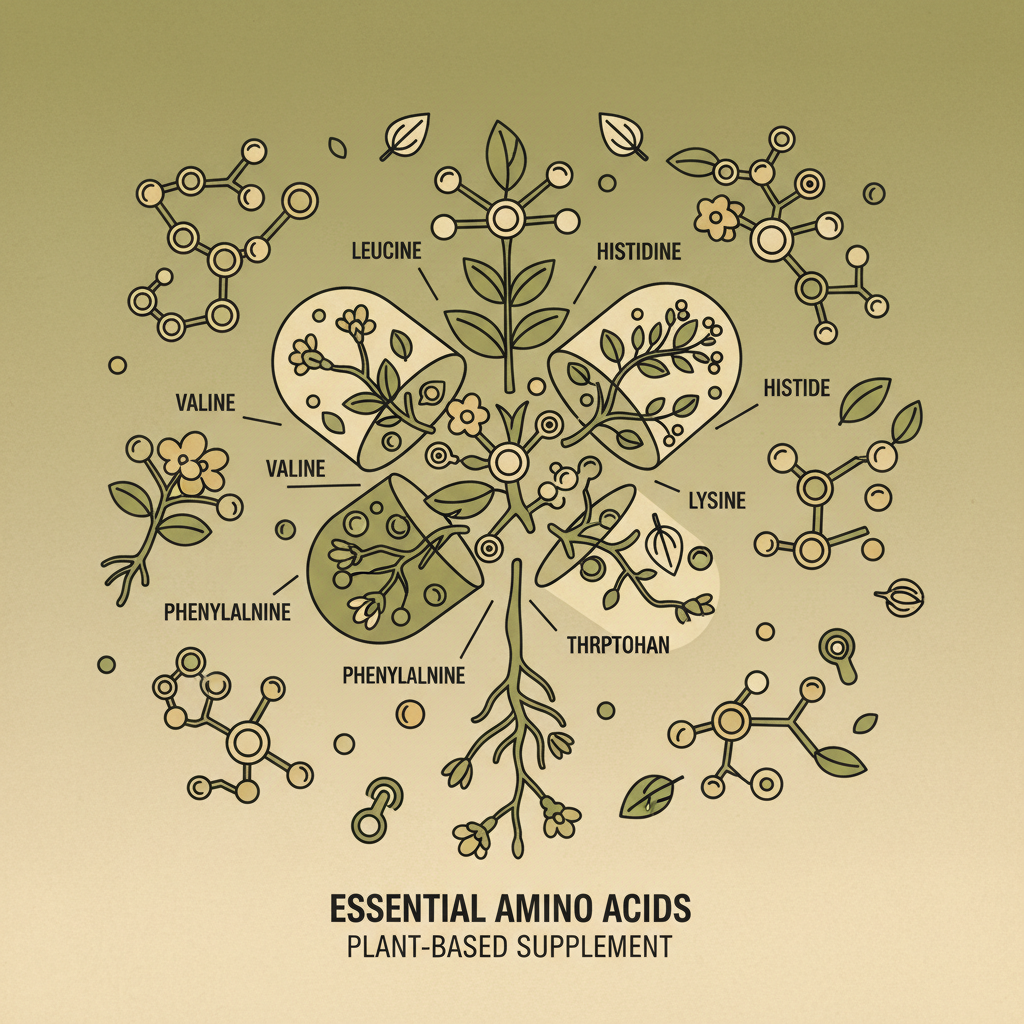
Alpha amino acids are the building blocks of proteins, essential for all known life forms. Their importance extends beyond biological systems, playing a crucial role in pharmaceutical development, nutritional supplements, and increasingly, in the burgeoning field of biotechnology. Understanding their structure and function is paramount for advancements in medicine, agriculture, and materials science.
Globally, the demand for high-purity alpha amino acid is rapidly increasing, driven by a growing awareness of health and wellness and the expansion of personalized medicine. This surge in demand necessitates robust production methods and stringent quality control measures to ensure reliable supply chains and product integrity. The industry is constantly innovating to improve efficiency and sustainability in alpha amino acid synthesis.
The significance of alpha amino acids lies in their ability to form complex proteins, which are vital for nearly every process within living organisms. From enzymatic reactions to structural support, proteins powered by these fundamental units are the workhorses of life. The rising global population, coupled with aging demographics, creates an ever-increasing need for protein-based therapeutics and nutritional solutions, underscoring the vital role of these compounds.
Introduction: Global or Industry Context
The global market for amino acids, including the pivotal alpha amino acids, is estimated to be worth billions of dollars and is experiencing significant year-over-year growth. According to recent reports from the Food and Agriculture Organization of the United Nations (FAO), demand for protein sources is projected to increase by over 70% by 2050, driven primarily by population growth in developing nations. This translates directly into heightened demand for alpha amino acids used in animal feed, human nutrition, and pharmaceutical applications.
The ISO standards organization plays a critical role in defining purity levels and quality control protocols for alpha amino acid production, ensuring consistency and safety across international markets. However, a significant challenge remains: the increasing complexity of supply chains and the potential for adulteration or mislabeling of products. Ensuring traceability and transparency is crucial for maintaining consumer trust and upholding industry standards.
The rising incidence of malnutrition and age-related muscle loss (sarcopenia) globally also fuels demand for amino acid-based nutritional supplements. The World Bank estimates that over two billion people worldwide suffer from micronutrient deficiencies, highlighting the critical need for affordable and accessible sources of essential amino acids. This necessitates innovation in production techniques to reduce costs and improve bioavailability.
Definition & Meaning
An alpha amino acid is an organic molecule containing both an amino group (-NH2) and a carboxyl group (-COOH), along with a side chain (R group) specific to each amino acid. The "alpha" designation refers to the position of the amino group relative to the carboxyl group on the central carbon atom. These compounds are the fundamental building blocks of peptides and proteins, linked together by peptide bonds.
In modern industry, alpha amino acids are indispensable. They’re critical for manufacturing pharmaceuticals, improving animal feed efficiency, creating biodegradable plastics, and enhancing cosmetic formulations. The pharmaceutical industry utilizes them for intravenous nutrition, drug synthesis, and treatment of metabolic disorders.
For humanitarian needs, alpha amino acids are often incorporated into fortified food products delivered to populations suffering from malnutrition. They can also be used to synthesize essential nutrients that are lacking in local diets, providing a crucial lifeline for vulnerable communities. Their versatility and vital role make them a cornerstone of both industrial advancement and global health initiatives.
Key Factors or Core Components
Purity: The level of contamination significantly impacts the effectiveness and safety of alpha amino acids, particularly in pharmaceutical applications. High purity levels, typically exceeding 99%, are essential for ensuring reliable results and minimizing adverse effects. Different industries have varying purity requirements dictated by regulatory bodies.
Chirality: Most alpha amino acids exist as chiral molecules, meaning they have two mirror-image forms (L and D isomers). Biological systems primarily utilize L-amino acids. The ability to selectively produce and isolate L-amino acids is a critical aspect of manufacturing.
Solubility: The solubility of an alpha amino acid in different solvents impacts its processing and formulation. Understanding solubility profiles is vital for developing stable and effective products. Factors like pH and temperature also affect solubility.
Bioavailability: This refers to the degree to which the body can absorb and utilize an alpha amino acid. Factors like particle size, formulation, and co-ingestion with other nutrients can impact bioavailability.
Stability: Alpha amino acids can degrade over time due to factors like heat, light, and moisture. Maintaining stability during storage and processing is crucial for preserving product quality.
Global Applications & Use Cases
In the pharmaceutical industry, alpha amino acids serve as key intermediates in the synthesis of various drugs, including antivirals, antibiotics, and cancer therapies. Major pharmaceutical companies in the United States, Europe, and Japan heavily rely on high-quality alpha amino acids for their manufacturing processes.
Within the agricultural sector, alpha amino acids are increasingly used as biostimulants to enhance plant growth, improve nutrient uptake, and increase crop yields. This practice is particularly prevalent in regions facing challenges related to soil fertility and water scarcity, such as parts of Africa and Asia.
In post-disaster relief operations, amino acid-enriched foods are often distributed to malnourished populations to provide essential nutrients and support recovery. Non-governmental organizations (NGOs) frequently utilize these products in emergency response efforts, recognizing their ability to quickly restore nutritional status. Similarly, in remote industrial zones with limited access to fresh protein sources, alpha amino acid-supplemented food rations can ensure adequate worker nutrition and productivity.
Amino Acid Production Methods - Efficiency Ratings
Advantages & Long-Term Value
The use of high-quality alpha amino acids translates into significant cost savings for manufacturers, particularly through optimized production processes and reduced waste. Moreover, sustainable sourcing and environmentally friendly production methods contribute to long-term ecological benefits and enhance brand reputation.
From a societal perspective, readily available and affordable alpha amino acids play a vital role in improving global health and nutrition. Their use in dietary supplements and fortified foods can address micronutrient deficiencies, promoting physical and cognitive development, and bolstering immune function. This fosters a healthier and more productive population, contributing to overall societal well-being.
Future Trends & Innovations
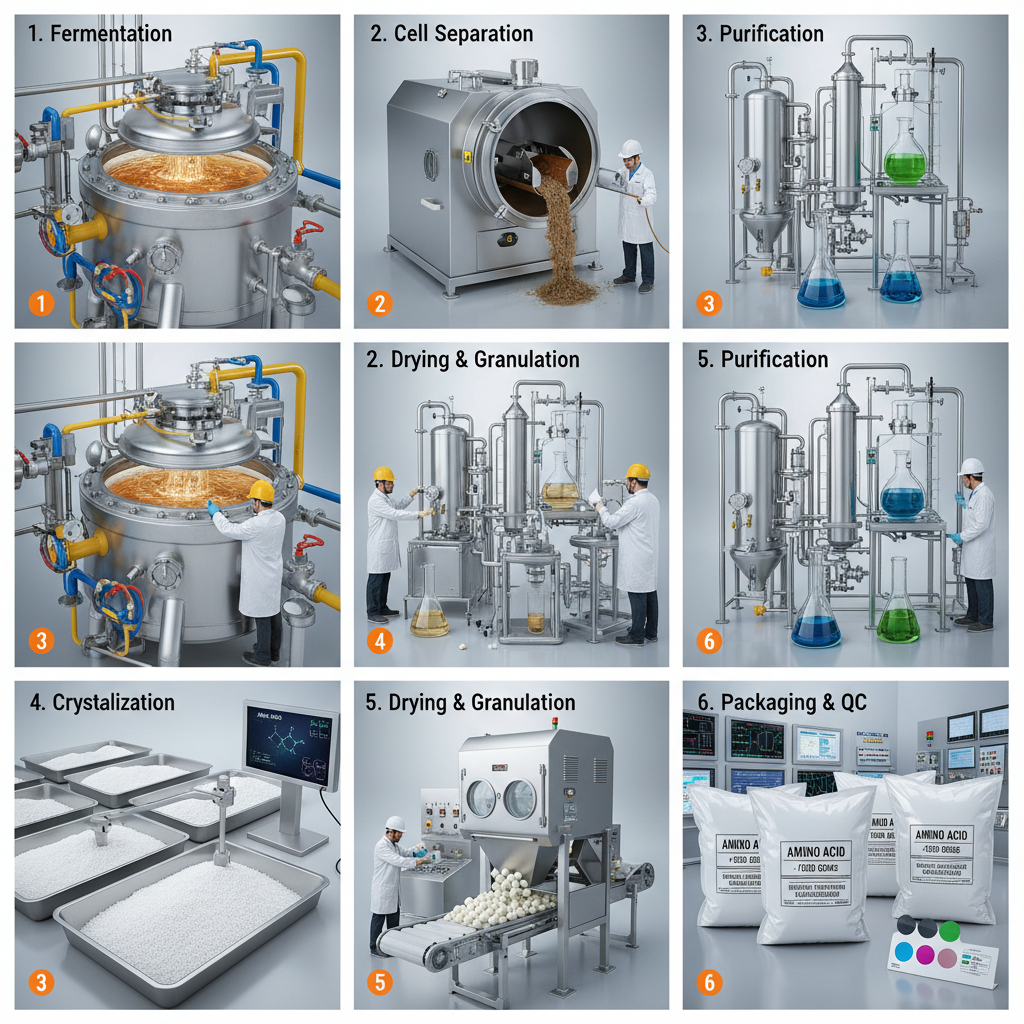
Research into novel fermentation techniques and the use of synthetic biology is poised to revolutionize alpha amino acid production, offering the potential for higher yields, lower costs, and reduced environmental impact. Automation and advanced process control systems are also gaining traction, enabling real-time monitoring and optimization of production parameters.
The convergence of biotechnology and nanotechnology is opening up exciting new avenues for targeted drug delivery and personalized nutrition. Nano-encapsulation of alpha amino acids can enhance bioavailability, improve stability, and allow for controlled release, maximizing therapeutic efficacy and minimizing side effects.
Challenges & Solutions
A significant challenge in alpha amino acid production is the environmental impact of traditional chemical synthesis methods, which often rely on fossil fuels and generate substantial waste. Implementing green chemistry principles and exploring bio-based production pathways are crucial for addressing this issue.
Ensuring the purity and authenticity of alpha amino acids is another ongoing challenge, particularly in the face of increasing counterfeiting and adulteration. Employing advanced analytical techniques, such as mass spectrometry and chromatography, alongside robust supply chain traceability systems, is essential for safeguarding product quality.
Finally, optimizing the cost-effectiveness of large-scale production remains a key focus. Investing in research and development to improve fermentation yields, reduce raw material costs, and streamline purification processes will be critical for making alpha amino acids more accessible to a wider range of consumers and industries.
Summary of Key Challenges and Mitigation Strategies for Alpha Amino Acid Production
| Challenge Area |
Severity (1-10) |
Mitigation Strategy |
Implementation Cost (USD) |
| Environmental Impact of Synthesis |
8 |
Transition to Bio-Based Fermentation |
500,000 - 2,000,000 |
| Purity and Authenticity Concerns |
9 |
Implement Advanced Analytical Testing & Blockchain Traceability |
200,000 - 800,000 |
| High Production Costs |
7 |
Optimize Fermentation Yields & Streamline Purification |
300,000 - 1,000,000 |
| Supply Chain Vulnerabilities |
6 |
Diversify Sourcing & Build Strategic Partnerships |
100,000 - 500,000 |
| Regulatory Compliance |
7 |
Invest in Robust Quality Control Systems & Training |
150,000 - 600,000 |
| Scalability of New Technologies |
5 |
Pilot Plant Studies & Phased Implementation |
250,000 - 750,000 |
FAQS
L-amino acids and D-amino acids are mirror images of each other (enantiomers). Biological systems almost exclusively utilize L-amino acids for protein synthesis. D-amino acids are found in some bacterial cell walls and antibiotic compounds, but generally have different biological roles. The distinction is crucial in pharmaceutical applications, as the body metabolizes them differently. Producing and isolating pure L-amino acids is a key challenge in manufacturing.
The production method significantly influences cost. Chemical synthesis is often cheaper initially but can generate more waste and require complex purification. Fermentation is generally more sustainable but can be slower and less efficient. Recombinant DNA technology offers high yields but involves substantial upfront investment. Each method has trade-offs, impacting the final price of the alpha amino acid.
Essential quality control measures include rigorous testing for purity (using HPLC, mass spectrometry), chirality (ensuring L-isomer dominance), heavy metal content, and microbial contamination. Regular audits of production facilities, adherence to ISO standards, and robust documentation are also critical. Traceability throughout the supply chain is crucial for ensuring product authenticity and safety.
Yes, fermentation using microorganisms is a key sustainable alternative. Utilizing renewable feedstocks, such as sugars or plant oils, and optimizing fermentation conditions can drastically reduce the environmental footprint. Research into synthetic biology and enzyme engineering is also paving the way for more efficient and eco-friendly production methods.
Particle size plays a significant role in bioavailability. Smaller particle sizes generally lead to increased surface area, facilitating faster dissolution and absorption in the digestive system. Micronized or nano-sized amino acid particles are often used in supplements to enhance their bioavailability and improve efficacy. Formulation techniques like encapsulation also influence absorption rates.
Production and sale of alpha amino acids for pharmaceutical use are heavily regulated by agencies like the FDA (in the US), EMA (in Europe), and PMDA (in Japan). Compliance with Good Manufacturing Practices (GMP) is essential, along with stringent quality control protocols, validation of manufacturing processes, and thorough documentation. Regulatory requirements vary by region.
Conclusion
In conclusion, alpha amino acids are fundamental building blocks of life with far-reaching implications for human health, agriculture, and industrial innovation. Their increasing demand, coupled with the need for sustainable production methods and stringent quality control, presents both challenges and opportunities. Addressing these challenges through technological advancements and responsible manufacturing practices will be critical for unlocking the full potential of these vital compounds.
Looking ahead, continued research and development in areas such as synthetic biology, fermentation optimization, and nanotechnology promise to further enhance the efficiency, sustainability, and affordability of alpha amino acid production. We encourage further exploration of these advancements and invite you to visit our website at www.hbfuyangbio.com to learn more about our commitment to providing high-quality alpha amino acids for a brighter future.