In the modern landscape of sustainable agriculture and precision animal nutrition, the role of asid amino has become increasingly pivotal. As the global demand for high-protein food sources rises, the industry is shifting away from bulk protein supplementation toward targeted, bioavailable nutrient delivery. Understanding the chemical properties and biological impact of these compounds is essential for optimizing growth rates and enhancing the overall health of livestock and crops.
The global market for feed additives is currently facing a critical challenge: balancing productivity with environmental sustainability. Traditional nitrogen-heavy fertilizers and inefficient protein feeds often lead to significant runoff and greenhouse gas emissions. By integrating high-purity asid amino solutions, producers can significantly reduce nitrogen waste while ensuring that animals and plants receive the precise building blocks required for cellular repair and growth.
Whether applied in the form of chelated minerals for crop resilience or as essential amino acid supplements for swine and poultry, the strategic use of these biochemical agents drives efficiency. This comprehensive guide explores the technical nuances, global applications, and future innovations surrounding asid amino, providing a roadmap for industry professionals to enhance yield and sustainability.
Global Industry Context of asid amino
The global agricultural sector is currently operating under immense pressure to increase caloric output while adhering to stricter ISO environmental standards. The integration of asid amino compounds allows for a "precision nutrition" approach, which is critical in reducing the carbon footprint of livestock farming. By optimizing the amino acid profile of feed, producers can lower the crude protein levels without sacrificing animal performance.
Statistically, the transition toward synthetic and fermented amino acids has allowed the global poultry and swine industries to reduce ammonia emissions by up to 20%. This shift not only aligns with UN Sustainable Development Goals regarding responsible consumption and production but also ensures that the food supply chain remains resilient against the volatility of raw soybean and corn prices.
Defining asid amino in Modern Biochemistry
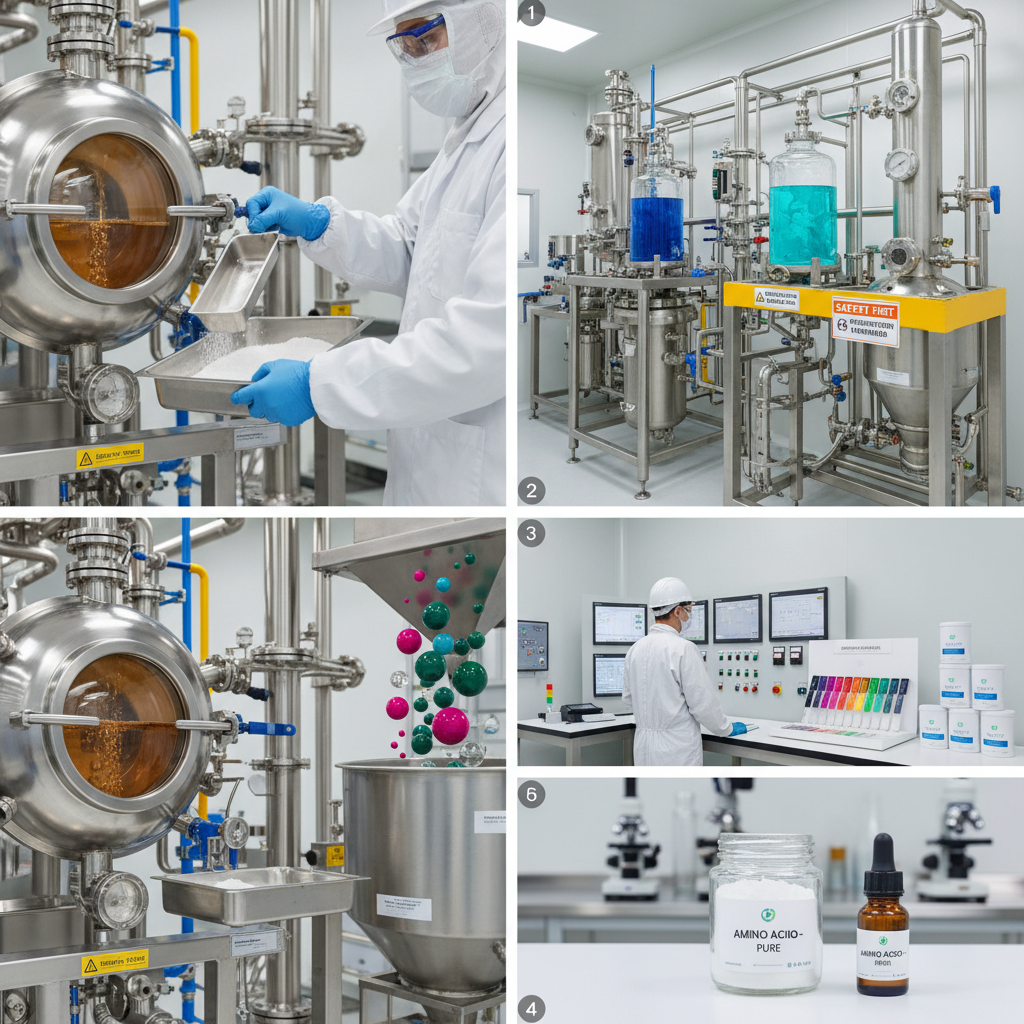
In simple technical terms, asid amino refers to the organic compounds that combine a carboxylic acid group with an amino group, serving as the fundamental building blocks of proteins. In the context of specialty chemical manufacturing, these are produced through advanced fermentation or chemical synthesis to ensure maximum purity and bioavailability for targeted biological systems.
Beyond the basic chemistry, these molecules act as precursors to various neurotransmitters, hormones, and enzymes. In the animal breeding industry, they are categorized into essential and non-essential types, where essential varieties must be supplemented externally because the animal's body cannot synthesize them at a rate sufficient for optimal growth.
The connection to humanitarian needs is profound; by enhancing the efficiency of asid amino absorption, we can produce more nutrient-dense meat and crops using fewer resources. This is a cornerstone of fighting global malnutrition and ensuring food security in densely populated or resource-poor regions.
Core Components and Bio-efficacy Factors
One of the primary factors determining the success of asid amino application is its bioavailability. This refers to the proportion of the nutrient that enters the circulation when introduced into the body and so is able to have an active effect. High-purity crystalline forms are often preferred in precision feeding to ensure consistent dosing.
Stability during processing is another critical component. Many asid amino products must withstand the high temperatures of pelleting and extrusion in feed mills. The development of heat-stable coatings and protected forms ensures that the nutrients reach the gut of the animal intact, maximizing the Feed Conversion Ratio (FCR).
Synergy with other micronutrients, such as vitamins and minerals, further amplifies the efficacy of asid amino. For instance, the presence of specific B-vitamins can catalyze the metabolic pathways that utilize these amino acids for muscle protein synthesis, making the overall nutritional program more cost-effective and biologically potent.
Scalability and Cost Efficiency in Production
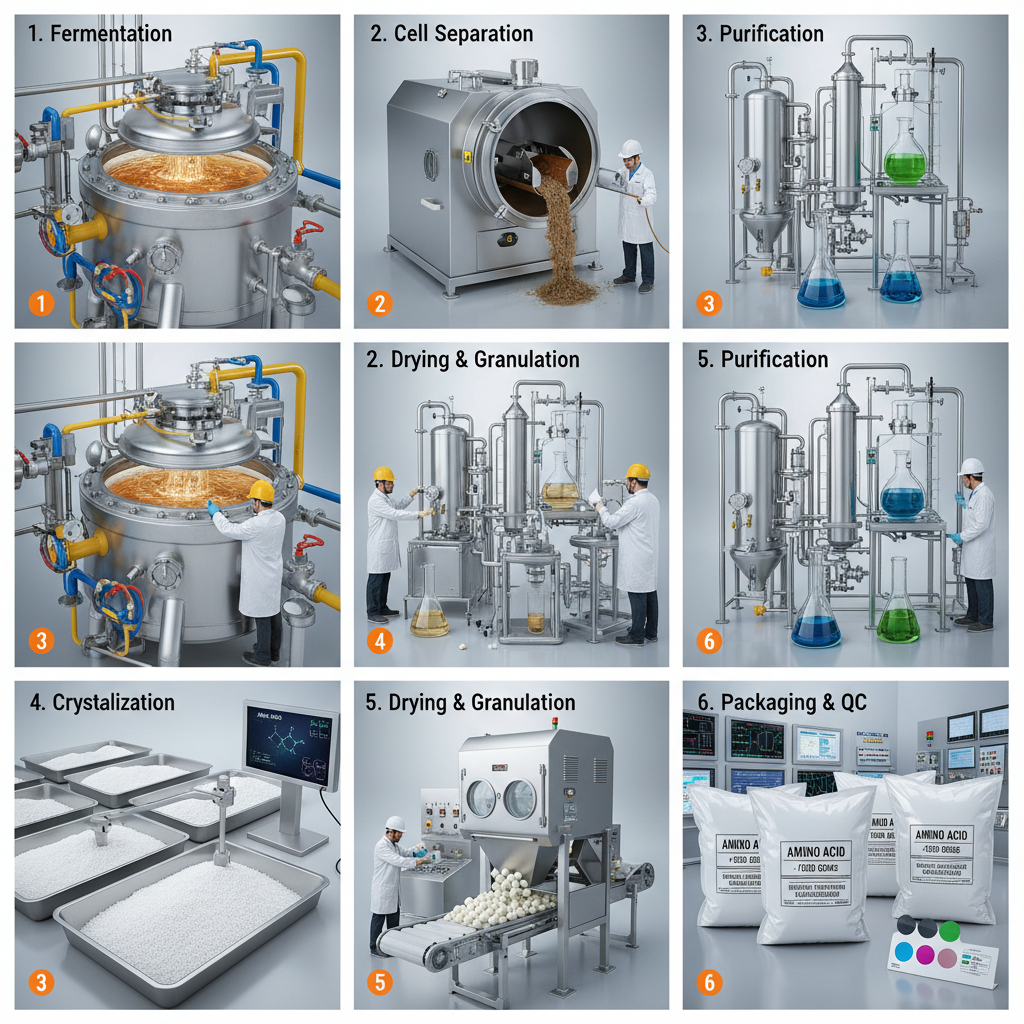
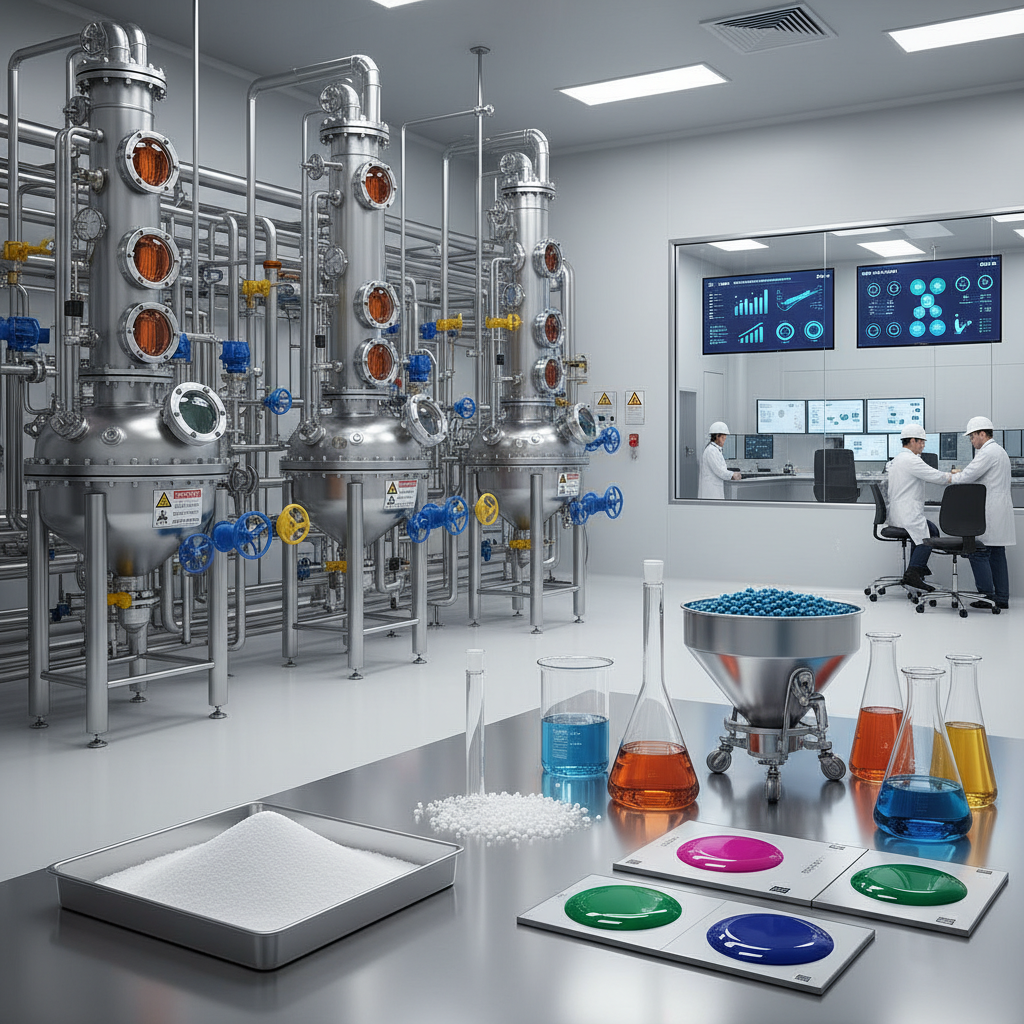
Scaling the production of asid amino requires a sophisticated balance between bioreactor capacity and purification efficiency. Modern manufacturers utilize genetically optimized microbial strains that can convert simple sugars into high-value amino acids with minimal byproduct formation, significantly lowering the cost per kilogram.
From a commercial perspective, the cost efficiency is realized not just in the purchase price, but in the reduction of expensive raw protein sources. By utilizing targeted asid amino supplementation, farmers can replace a portion of high-cost soybean meal, thereby stabilizing their operational margins against commodity market fluctuations.
Comparison of asid amino Production Efficiency
Global Applications and Real-World Use Cases
In the agricultural sector, asid amino is widely used in the formulation of biostimulants. In regions like Southern Europe and Southeast Asia, foliar sprays containing amino acid complexes are applied to crops to mitigate abiotic stress caused by drought or extreme salinity, allowing plants to maintain metabolic activity under harsh conditions.
Within the livestock industry, particularly in the intensive farming zones of Brazil and the USA, asid amino supplements are indispensable. For instance, in aquaculture, the addition of specific amino acids to fish feed has been shown to accelerate growth cycles and improve fillet quality, directly increasing the profitability of salmon and shrimp farms.
Long-Term Value and Sustainability Benefits
The long-term value of integrating asid amino into production chains is measured by the "Sustainability ROI." By reducing the reliance on over-farmed soy landscapes, we protect biodiversity and reduce deforestation in critical biomes like the Amazon. This creates a logical chain of value: lower environmental impact leads to better regulatory compliance and higher consumer trust.
Beyond the logical metrics, there is an emotional and ethical dimension to this innovation. Providing animals with a balanced nutritional profile reduces stress and disease prevalence, promoting a higher standard of animal welfare. When consumers know their food is produced using scientific, efficient, and humane methods, it strengthens the bond of trust between the producer and the end-user.
Moreover, the reliability of synthetic asid amino eliminates the variability found in natural protein sources. This consistency allows for the standardization of growth curves across different seasons and climates, ensuring a stable food supply that is less susceptible to the whims of nature or political instability in exporting nations.
Future Trends and Technological Innovations
The future of asid amino is being shaped by the digital transformation of biotechnology. We are seeing the emergence of "AI-driven fermentation," where machine learning algorithms optimize the nutrient feed for microbes in real-time to maximize the yield of specific amino acids, reducing energy consumption and waste.
Sustainability is also driving the shift toward "Green Chemistry." New policies are encouraging the use of carbon-capture technology to provide the carbon source for fermentation, essentially turning atmospheric CO2 into high-value asid amino supplements. This creates a circular economy where industrial emissions contribute to global food security.
Furthermore, the rise of cellular agriculture and lab-grown meats will rely heavily on precision-engineered asid amino media. The ability to create a "perfect" nutritional environment without a living animal will redefine the boundaries of the chemical and food industries, making nutrient synthesis the primary driver of protein production.
Analysis of asid amino Performance Across Different Application Sectors
| Application Sector |
Key asid amino Variant |
Efficacy Score (1-10) |
Primary Benefit |
| Poultry Feed |
DL-Methionine |
9.5 |
Rapid Muscle Growth |
| Swine Breeding |
L-Lysine HCl |
9.2 |
Lean Meat Percentage |
| Aquaculture |
L-Arginine |
8.8 |
Immune Response |
| Crop Biostimulants |
Glycine / Proline |
8.5 |
Stress Tolerance |
| Health Supplements |
BCAAs |
9.0 |
Tissue Repair |
| Pet Nutrition |
Taurine |
8.7 |
Cardiac Health |
FAQS
Increasing soy protein often leads to an imbalance of other amino acids and an excess of nitrogen, which the animal cannot use. This excess is excreted as ammonia, polluting the environment. Using targeted asid amino allows you to fill the specific "limiting amino acid" gap, optimizing growth while reducing waste and cost.
Certain asid amino variants, like proline, act as osmolytes. They help the plant cells maintain water balance and protect the integrity of cellular membranes and proteins during periods of severe water stress, preventing permanent wilting and yield loss.
Yes, synthetic asid amino products are chemically identical to those found in nature. They are subject to rigorous quality control and safety certifications (such as ISO and EFSA). When used according to nutritional guidelines, they are entirely safe and often result in healthier animals due to balanced nutrition.
Generally, yes. However, it is important to check for chemical compatibility. For example, some asid amino formulations may react with specific heavy metals or highly acidic components. We recommend a compatibility test or consulting a nutritionist to ensure the stability of the mixture.
Buyers should request a detailed Certificate of Analysis (CoA) for every batch, which outlines the purity percentage and the presence of any impurities. Partnering with manufacturers who utilize HPLC (High-Performance Liquid Chromatography) for testing ensures that the asid amino meets the required industrial and safety standards.
Modern production is moving toward "Green Bio-manufacturing." By using fermentation instead of harsh chemical synthesis and transitioning to renewable energy sources for bioreactors, the production of asid amino is becoming significantly more eco-friendly and carbon-neutral.
Conclusion
The integration of asid amino into agricultural and nutritional frameworks represents a critical evolution in how we produce food. By moving from coarse supplementation to precision biochemistry, the industry is successfully optimizing growth rates, reducing environmental pollution, and enhancing the overall quality of livestock and crops. The synergy of high bioavailability, cost-efficiency, and sustainability makes these compounds an indispensable tool for the modern producer.
Looking forward, the convergence of AI, green chemistry, and cellular agriculture will further elevate the role of asid amino. We encourage industry stakeholders to adopt these precision solutions not only for immediate profit but as a commitment to a sustainable and food-secure future. For high-purity solutions tailored to your specific needs, visit our website: www.hbfuyangbio.com.