Foods that Contain Magnesium Glycinate: A Practical Look
Having spent well over a decade involved in industrial equipment supply and manufacturing—where precision and trust matter immensely—I've come across a lot of nutritional supplements and compounds with different industrial and consumer roles. Oddly enough, magnesium glycinate is one of those compounds where the chemistry meets biology in a really interesting way. You probably have heard about magnesium supplements, but when it comes to the glycinate form, things get a bit more intricate.
First off, a quick reality check: magnesium glycinate itself isn’t exactly “found” in foods in the naturally occurring sense. Magnesium is abundant in various vegetables and nuts, but glycinate is a chelated form—where magnesium is bound to glycine, an amino acid—known primarily as a supplement form touted for high bioavailability and gentleness on the stomach.
So, can you get magnesium glycinate directly from foods? Not really. But here’s the twist: foods rich in both magnesium and glycine can encourage your body to form a similar natural complex during digestion. For example, green leafy vegetables, nuts, soy products, and plenty of protein-rich foods like fish and poultry provide the raw materials—magnesium and glycine—for your body to process.
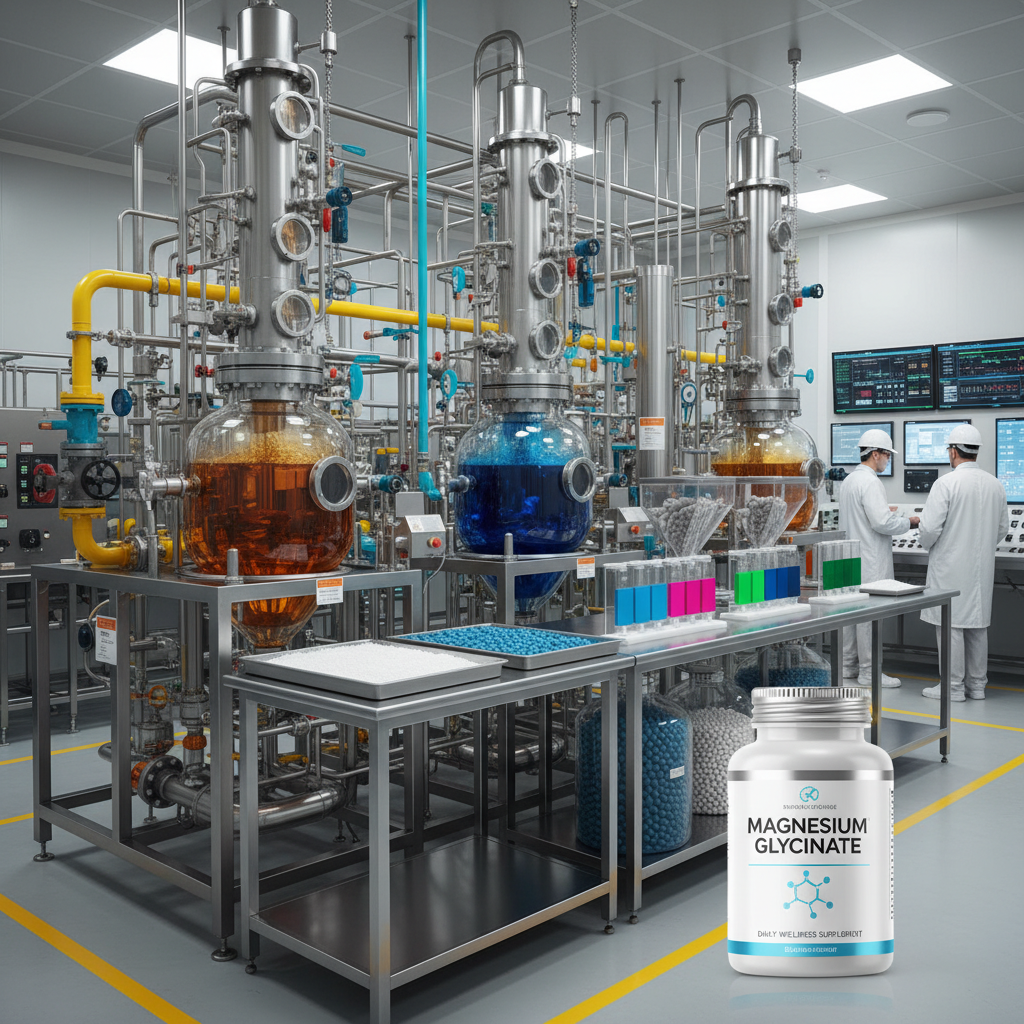
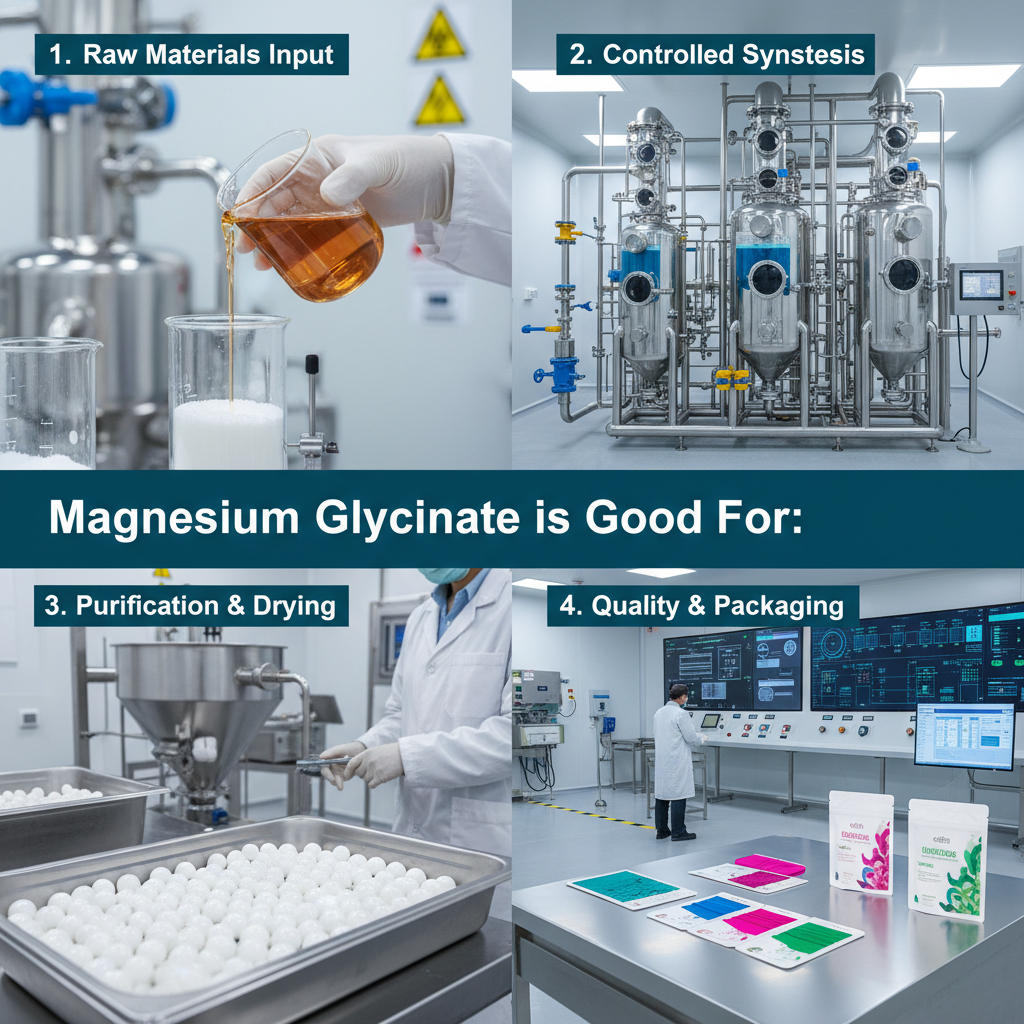
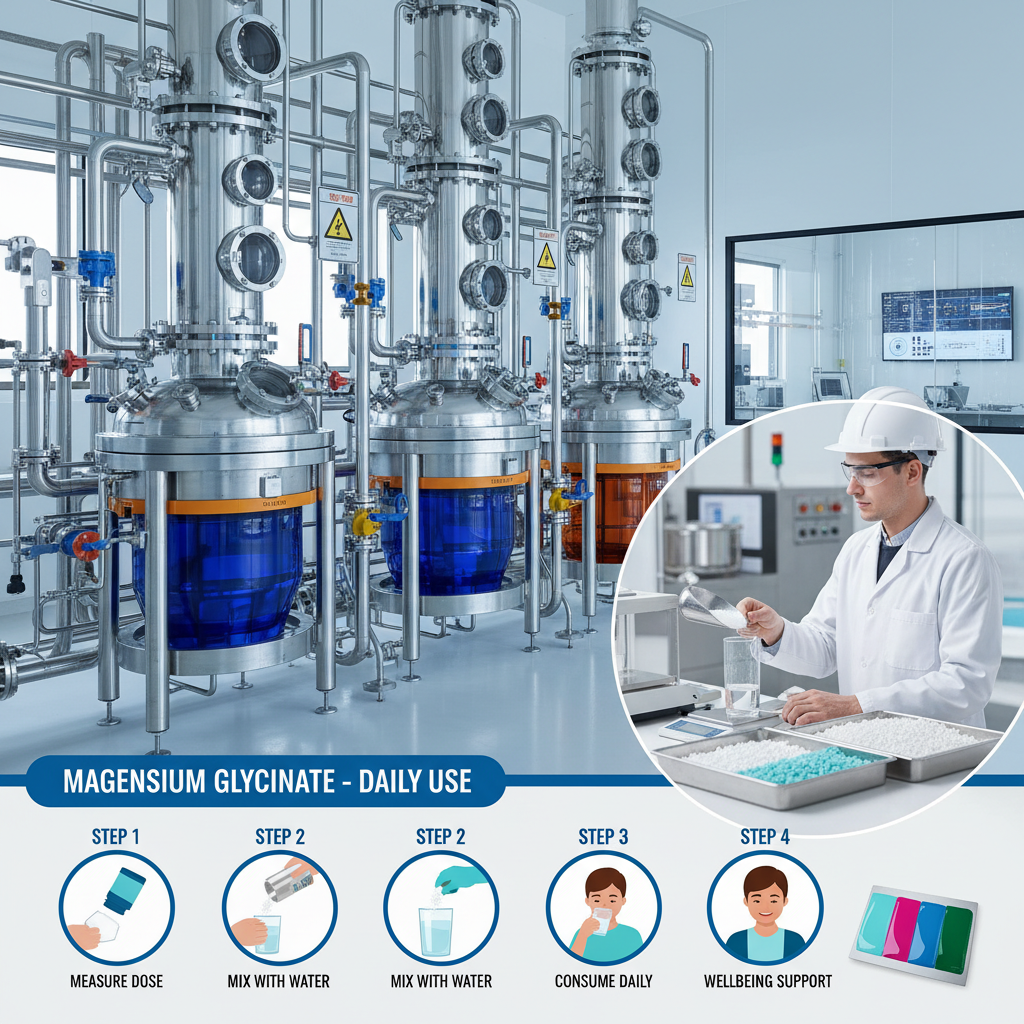
Now, from an industry standpoint—where sourcing and testing materials for formulas is a daily affair—I find it fascinating how magnesium glycinate supplements get produced. Manufacturers test for purity, absorbability, plus minimizing side effects such as laxative effects that you often get with other magnesium salts.
Here’s a useful quick spec rundown for the magnesium glycinate used in supplements, from one reliable supplier I worked with:
| Specification | Value |
|---|---|
| Magnesium Content | 14-16% (Elemental Mg) |
| Purity | ≥ 98% |
| Appearance | White crystalline powder |
| Solubility | Water soluble |
| Heavy Metals | Meet USP standards |
As someone who's handled quality control and supply chain logistics, I can tell you consistency here is crucial. You want a supplier who guarantees batch-to-batch uniformity and documentation for safety—especially if you are developing consumer products or formulations that need certifications.
To give you an idea of how suppliers might differ, here’s a quick comparison table of three well-known magnesium glycinate providers I evaluated some years ago:
| Supplier | Purity | Elemental Mg % | MOQs | Certifications |
|---|---|---|---|---|
| Supplier A | ≥ 99% | 15% | 500kg | ISO, GMP |
| Supplier B | 98% | 14.5% | 200kg | GMP, Organic |
| Supplier C | 97% | 14% | 100kg | ISO |
This all probably feels quite technical, and frankly it is, but I suppose that’s the kind of detail you want when sourcing ingredients. Remember, magnesium glycinate products have a different feel compared to other magnesium salts like oxide or citrate – the glycinate stands out for being gentler on digestion and better absorbed.
Before I wrap up, a little story: once, during a facility audit for a client dealing with nutritional supplements, I noticed how their switch to using magnesium glycinate as the preferred magnesium form in formulations dramatically reduced customer complaints about stomach upset. It was one of those real-world validations that these small differences matter.
So, if you are exploring ways to use magnesium glycinate—whether in industrial formulations or consumer supplements—it pays to understand not just the “what” but the “how” behind the product. And if you want to dive deeper, the team at magnesium glycinate manufacturers can often provide detailed technical sheets and bespoke solutions, which frankly is a huge help.
In real terms, while you may not eat “magnesium glycinate” per se in foods, choosing magnesium-rich and glycine-rich foods helps your body get close naturally. Supplements step in when dietary intake isn’t enough – and here, magnesium glycinate shines.
In short, understanding these details is part of what makes working in industrial supply oddly rewarding—you get to connect science, supply, and real-world benefits for people.
References:
- NIH Office of Dietary Supplements – Magnesium Fact Sheet (https://ods.od.nih.gov/factsheets/Magnesium-Consumer/)
- Journal of Nutritional Biochemistry, Magnesium Absorption and Glycine Complexes, 2018
- USP General Chapter Magnesium Glycinate Standards