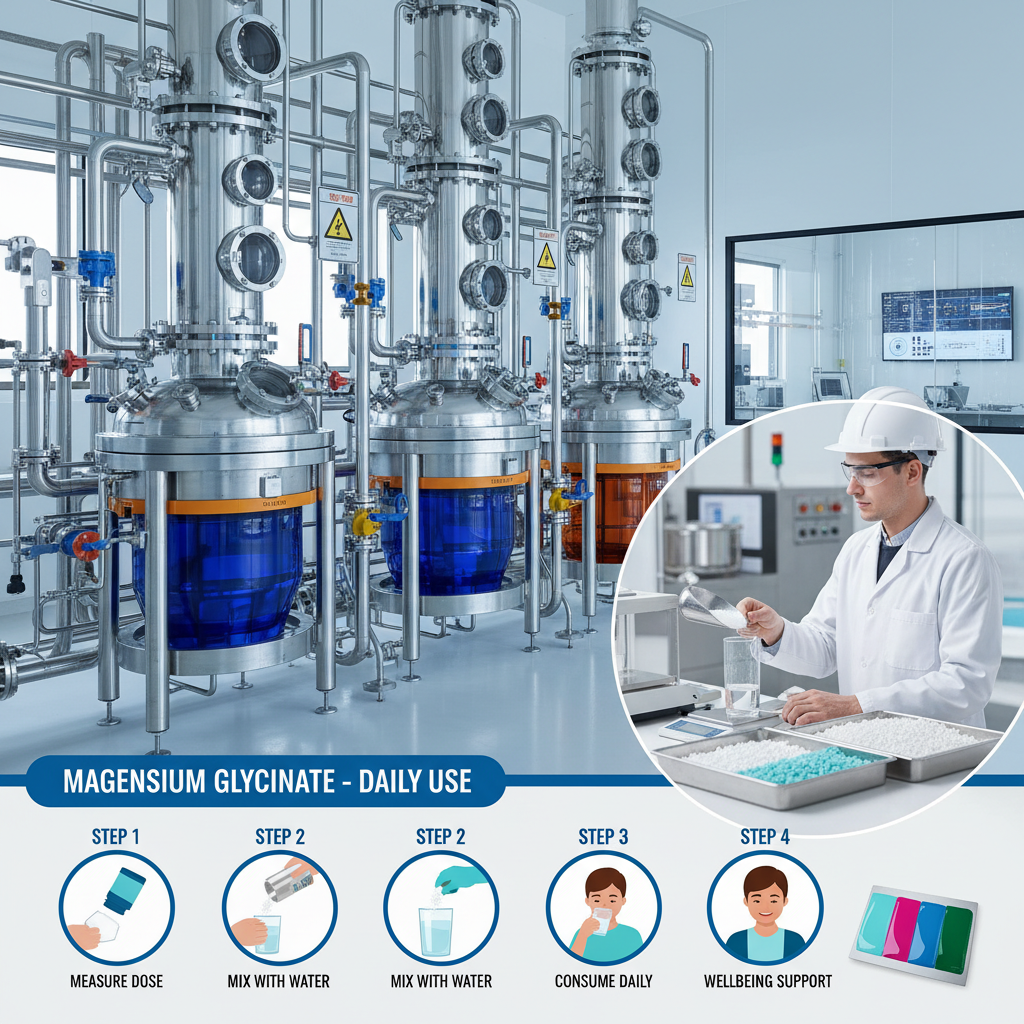
Why Glycinate Zinc is Gaining Serious Traction in Industrial Use
Having spent more than a decade dabbing in industrial minerals and supplements, I’ve come across various zinc compounds — but glycinate zinc always stood out. You see, it’s not just another zinc salt; it’s a chelated form combining zinc with glycine, an amino acid. This makes it more bioavailable, stable, and frankly, easier to handle in manufacturing setups. If you’ve ever wrestled with inconsistent zinc powders that clump or react badly under heat, glycinate zinc feels like a breath of fresh air.
In industrial formulations — think feed additives, supplements, or specialty coatings — glycinate zinc offers an edge. Its low hygroscopicity keeps storage conditions simpler, which is a small but often overlooked headache-cutting point when you’re dealing with tons of material around.
One thing to note: suppliers have started refining production with tighter specs and better purity control. That was not always the case. A few years back, you’d see notable batch differences, which made quality control a bit of a guessing game.
Glycinate Zinc Product Specifications
| Specification | Typical Value | Test Method |
|---|---|---|
| Zinc Content (Zn)% | ≥ 14% | AOAC 986.15 |
| Chelation Rate | ≥ 85% | Complexometric Titration |
| Moisture Content | ≤ 5% | Loss on Drying |
| Lead (Pb) ppm | ≤ 2 ppm | ICP-MS |
| Appearance | White to Off-white Powder | Visual Inspection |
Choosing the Right Vendor for Glycinate Zinc
When it comes to sourcing glycinate zinc, I’ve noticed differences that go beyond just price per kilo. Some vendors focus heavily on purity, others on batch consistency or additional certifications like ISO and GMP which can be critical for food or pharmaceutical applications.
| Vendor | Purity (%) | Chelation Rate (%) | Certifications | Typical Price (USD/kg) |
|---|---|---|---|---|
| Fuyang Bio (HBFuyangbio) | ≥ 99.5% | ≥ 85% | ISO, GMP, SGS | 15 - 17 |
| ZinTech Solutions | ≥ 98.7% | ≥ 80% | ISO, FDA | 14 - 16 |
| MineralPro Ltd. | ≥ 99.0% | ≥ 82% | ISO, HACCP | 16 - 18 |
If I had to pick for a large project with tight regulatory requirements, I'd lean towards the first. The reliability and certifications do matter — especially when you have customers asking for detailed sourcing info or third-party test results.
Final Thoughts on Working with Glycinate Zinc
Honestly, it feels like glycinate zinc is entering its prime in industrial circles, pushed by growing demand for better bioavailability and stability in end products. I recall a customer who switched from zinc sulfate to glycinate zinc in livestock feed and saw a marked improvement in animal health and feed efficiency — not trivial when margins are that tight.
Of course, it’s not a magic bullet. Cost, supply chain, and specific application demands always factor in. Still, with reputable suppliers and clear specs, it’s a pretty safe bet if you want consistent, high-quality zinc input.
And that’s something I appreciate — consistency. It’s the small things, you know... that make the difference when manufacturing or scaling a product.
References and musings:
- AOAC Official Methods for Zinc Determination in Chelated Samples, 2019
- Industry Insights: Chelated Mineral Supplements, Feed Tech Journal, 2023
- Conversation with longtime feed mill operator, Ohio, 2022