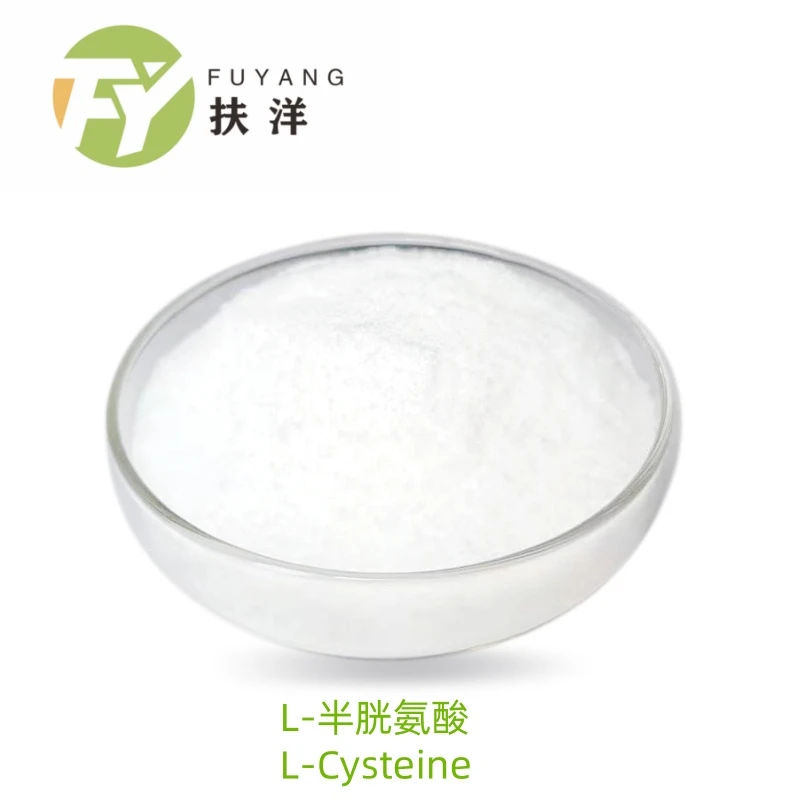

Advanced Amino Acid Additives for Libya's Feed Industry
Precision-engineered biochemical solutions to improve growth rates and metabolic health in livestock.
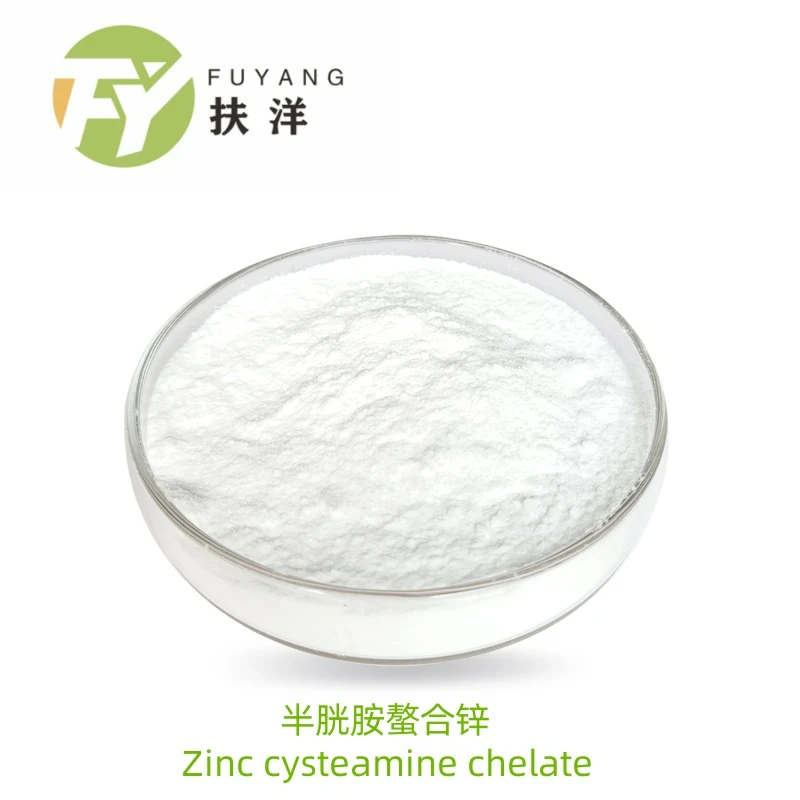
Zinc Cysteine Chelate

Magnesium Glycinate
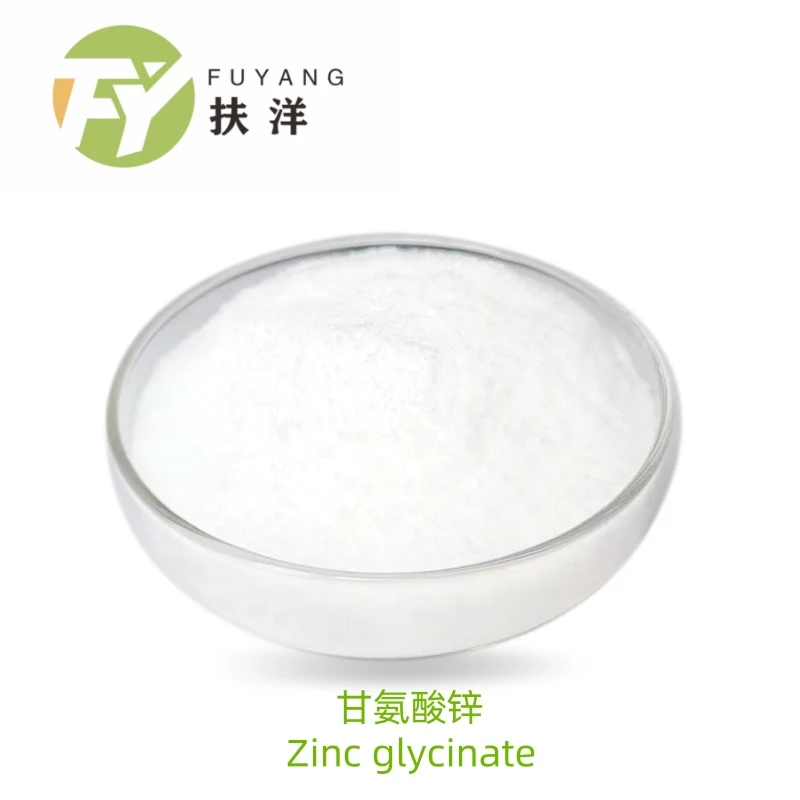
Zinc Glycinate
02 — REGIONAL ANALYSIS
Addressing Nutritional Gaps in Libyan Livestock Production
Overcoming environmental stress through targeted amino acid supplementation.
The livestock sector in Libya faces unique challenges due to extreme arid climates and fluctuating feed quality. To maintain productivity, producers are increasingly shifting toward specialized additives. The integration of diverse types of amino acids is essential to balance protein synthesis and reduce the reliance on expensive imported soy-based proteins.
Local producers often encounter issues with heat stress, which severely impacts the metabolic efficiency of poultry and cattle. By utilizing osmotic regulators, farms can mitigate the physiological impact of high temperatures, ensuring that growth trajectories remain stable even during peak summer months.
For procurement managers in Libya, this means shifting focus from bulk fillers to high-bioavailability components like betaine hcl health benefits, which support liver function and improve feed conversion ratios in stressed environments.
03 — EVOLUTION & TRENDS
The Shift Toward Precision Nutrition
From basic supplements to biochemical optimization.
Early Adoption
Basic Protein Balancing
Reliance on natural grain sources with minimal synthetic additive intervention to meet basic livestock needs.
Technology Expansion
Introduction of Chelates
Adoption of amino acid chelates to improve mineral absorption and reduce environmental excretion of waste.
Current Stage
Osmotic & Metabolic Focus
Widespread use of specialized methyl donors like betaine plus to combat environmental stress.
01
Methyl-Donor Optimization
Increased demand for betaine to support homocysteine metabolism and improve the overall health of weaning piglets.
02
Reduction of Crude Protein
Replacing bulk protein with crystalline amino acids to lower nitrogen emissions while maintaining growth rates.
03
Bio-Available Mineral Delivery
Moving toward glycinate and betaine chelates to ensure maximum nutrient uptake in varied gut pH environments.
04 — FUTURE OUTLOOK
Next-Generation Feed Strategies
Future-proofing the Libyan agri-business.
01
Precision Dosing
AI-driven feed formulation to match exact amino acid requirements per growth stage.
02
Green Synthesis
Transitioning toward more sustainable biochemical production methods to reduce carbon footprints.
03
Enhanced Stability
Developing coated amino acids to ensure stability during pelleting and storage in hot climates.
04
Integrated Wellness
Combining amino acids with nano-minerals for holistic immune system support.
As Libya seeks to increase food security, the reliance on high-efficiency feed becomes critical. The trend is moving toward "functional nutrition," where additives are not just for growth but for metabolic resilience against disease and heat.
Buyers should prioritize suppliers who provide comprehensive technical solutions, focusing on the synergy between premier hcl betaine hydrochloride and other amino acids to maximize ROI.
05 — APPLICATION SCENARIOS
Real-World Deployment in Libya
Solving specific regional production hurdles.
01
Poultry Heat Stress Mitigation
In the high-temperature regions of Libya, poultry experience severe dehydration and metabolic drop. Implementing Betaine HCL acts as an osmolyte, maintaining cell hydration and reducing mortality during summer spikes.
02
Weaning Piglet Gut Health
Reducing the stress of weaning in Libyan swine farms by adding high-purity amino acids to support intestinal villi development and improve nutrient absorption.
03
Dairy Cattle Metabolic Support
Optimizing milk yield in dairy herds by providing balanced amino acid profiles, which reduces the metabolic burden on the liver and improves overall herd longevity.
04
Aquaculture Growth Acceleration
Applying specialized amino acids to fish feed in coastal Libyan aquaculture to enhance growth rates and improve resistance to water-borne pathogens.
05
Ruminant Mineral Efficiency
Using amino acid chelates (e.g., zinc or manganese glycinates) to replace inorganic salts, ensuring higher mineral bioavailability and reducing feed waste in cattle farms.
06 — CORPORATE EXPERTISE
Hebei Fuyang Biotechnology
Driven by core technology, serving global trade.
Foundation Stage
Commitment to Core Technology
Established with a mission to master core biochemical technologies and serve the global trade of high-quality amino acids.
Technical Expansion
Comprehensive Service Integration
Evolved from a product supplier to a comprehensive technical service enterprise, offering product design and supply chain management.
Global Vision
Innovation-Driven Growth
Focused on intelligent and green solutions, utilizing independent intellectual property rights to lead the field of amino acid technical services.
Complete Portfolio of Feed Additives
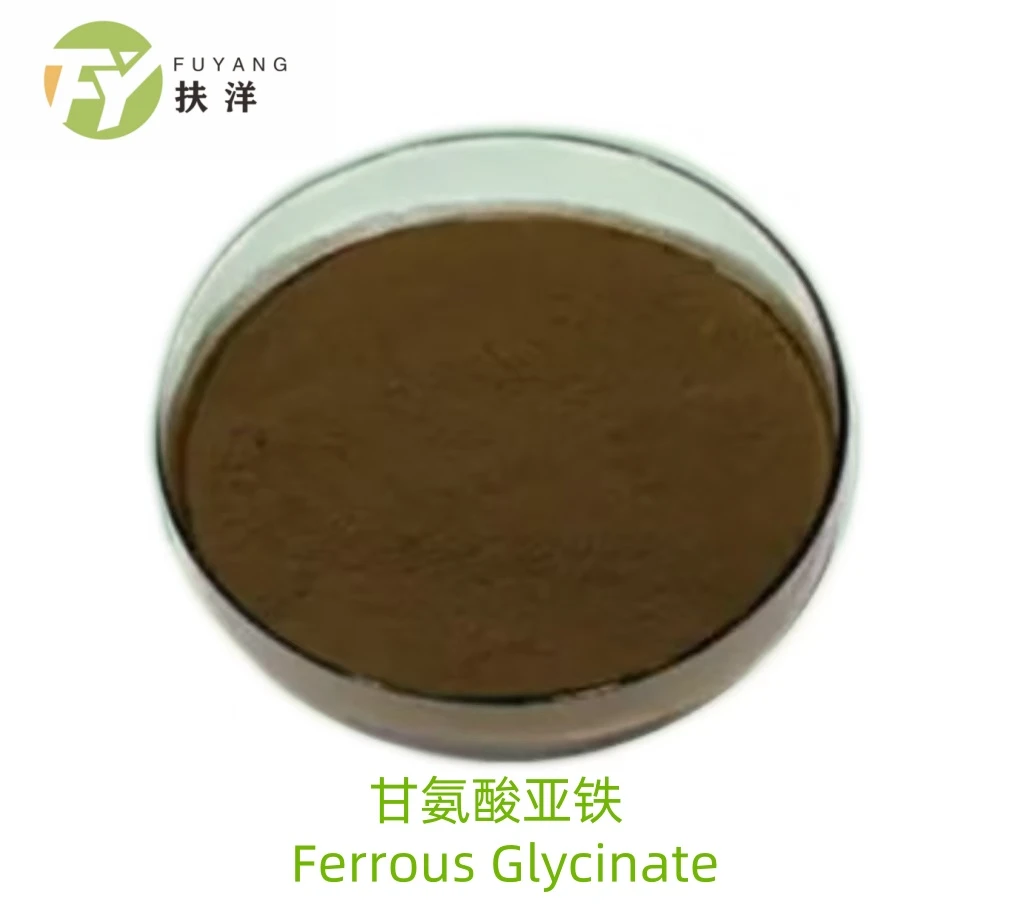
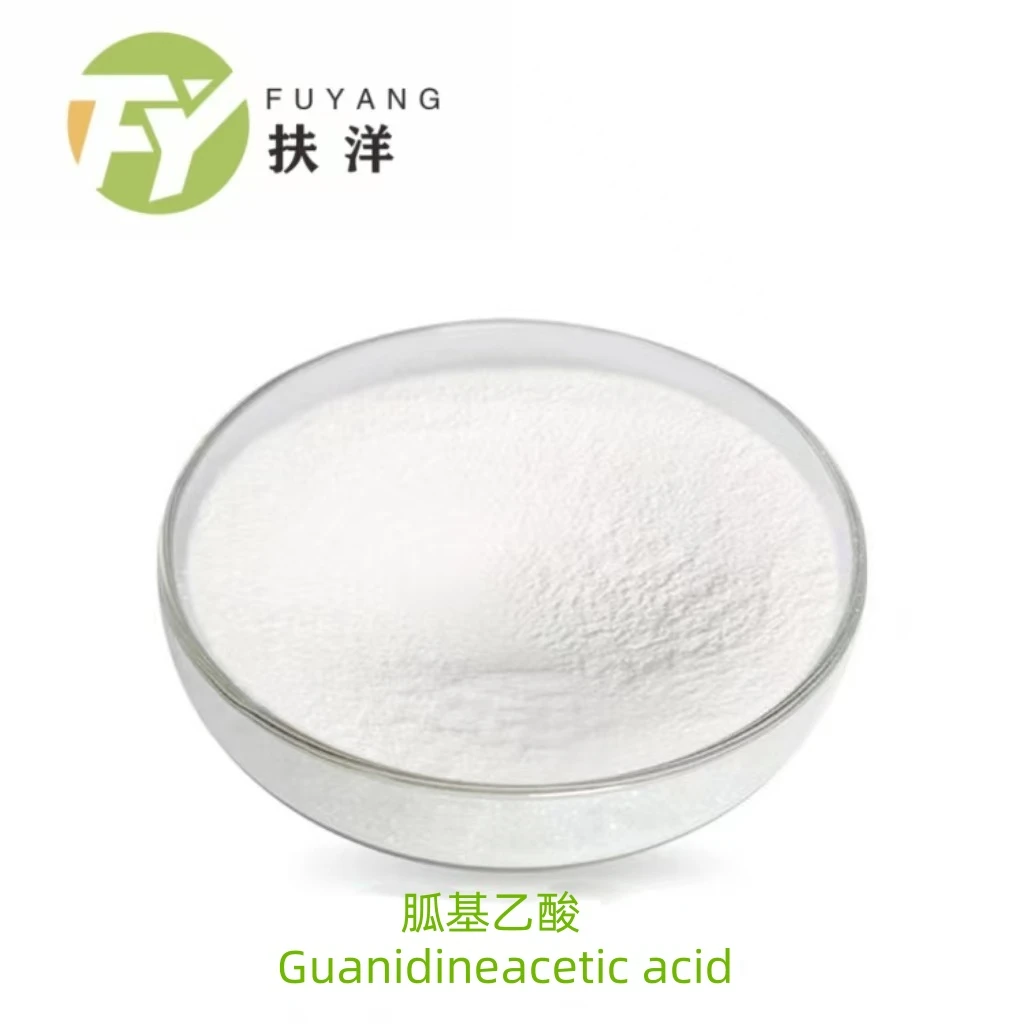
From betaine chelates to nano-selenium, we provide the full spectrum of nutritional support.
08 — TECHNICAL FAQ
Expert Answers for Livestock Nutrition
Clarifying procurement and application queries.
What are the main types of amino acids used in feed additives?
The primary types include essential amino acids like lysine and methionine, as well as functional ones like glycine and betaine, which serve as methyl donors and osmotic regulators to improve growth and stress resistance.
How do betaine hcl health benefits specifically help poultry in Libya?
In Libya's arid climate, betaine HCL helps poultry maintain cellular water balance (osmoprotection), reduces the negative effects of heat stress on growth, and supports liver function, leading to better feed conversion.
When should a producer choose Betaine Plus over standard options?
Betaine Plus is recommended when there is a need for enhanced methyl-group availability to support rapid growth phases or when animals are facing severe environmental stressors that require a more potent osmotic regulator.
What should procurement teams verify when sourcing premier hcl betaine hydrochloride?
Teams should verify the purity levels, the solubility of the product, and ensure the supplier provides a comprehensive technical data sheet (TDS) to guarantee consistency across batches.
Are amino acid chelates more effective than inorganic salts in ruminants?
Yes, amino acid chelates are generally more bioavailable because they protect the mineral from antagonistic interactions in the gut, ensuring more efficient absorption and reducing environmental pollution.
Can Hebei Fuyang Biotechnology provide customized technical solutions for Libyan farms?
Yes, the company focuses on technical services as a core competency, providing product design and technical solutions tailored to the specific nutritional needs and environmental challenges of the client.
CONSULTATION
Optimize Your Feed Formulation Today
Partner with our technical experts to implement advanced amino acid solutions for the livestock industry in Africa - Libya. Enhance your productivity with data-driven nutrition.
Discuss Your Requirements