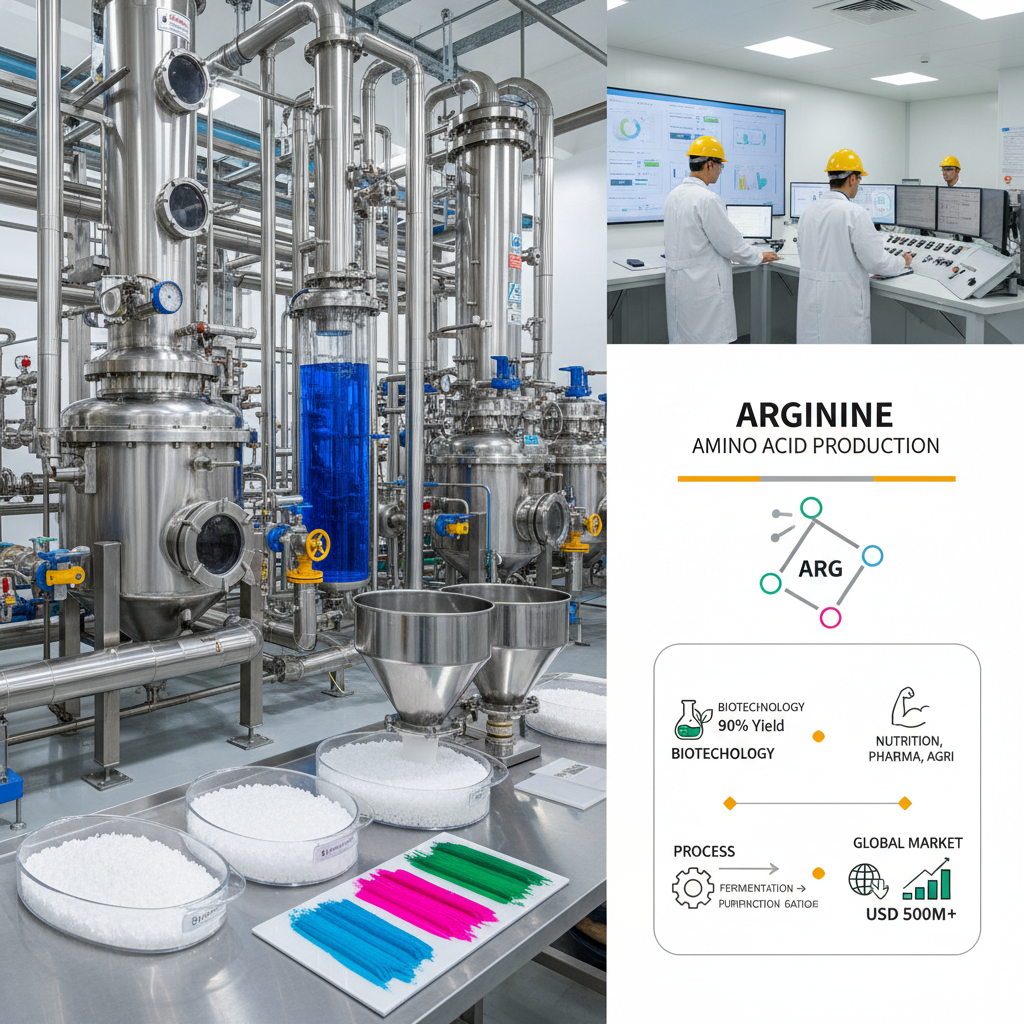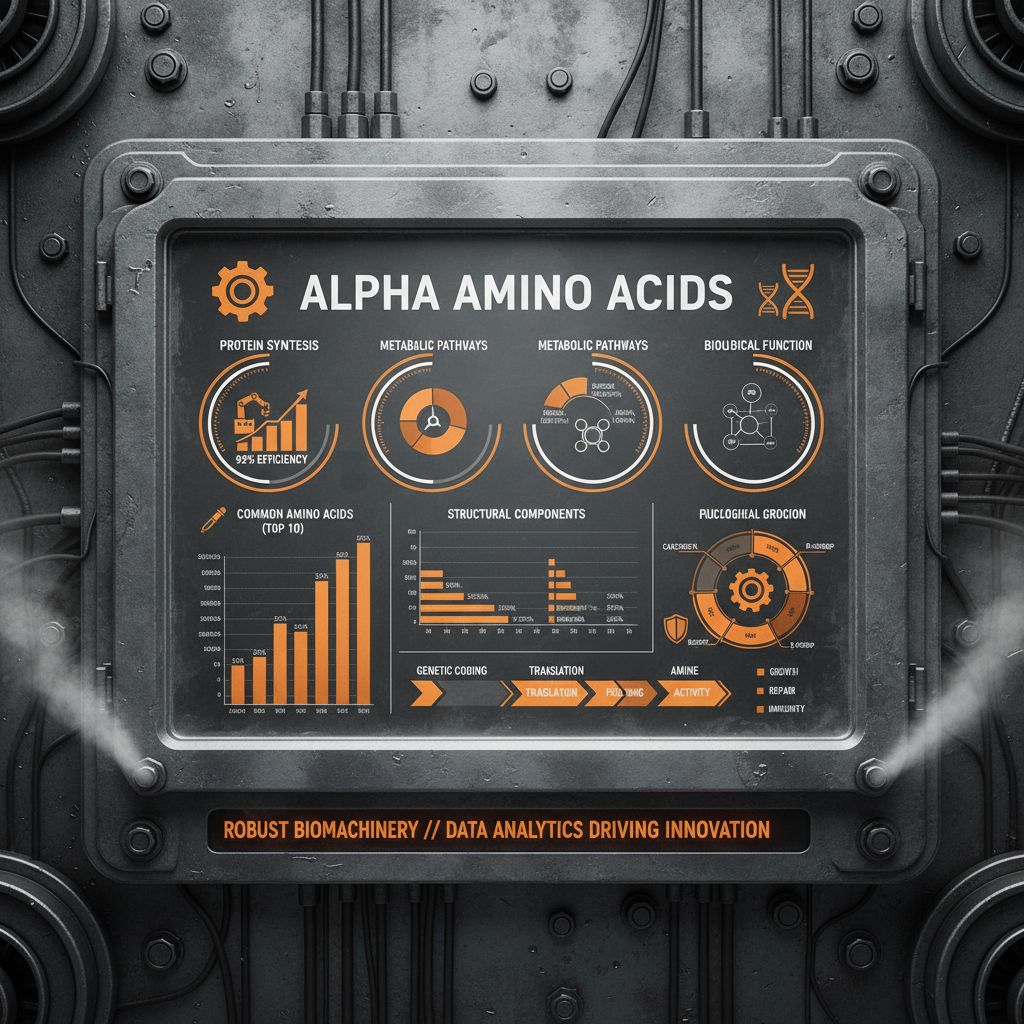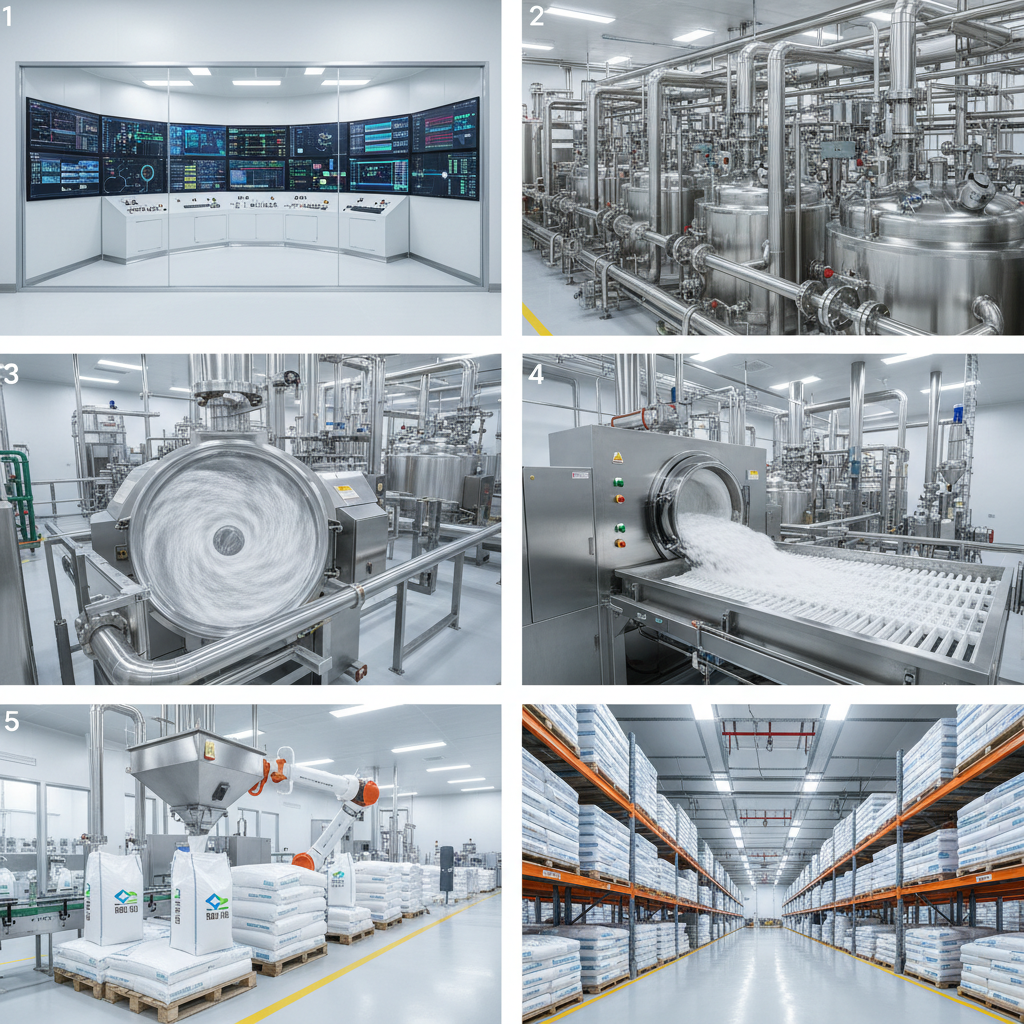
In the evolving landscape of global agriculture and animal husbandry, the strategic application of arg amino acid has emerged as a cornerstone for enhancing nutritional efficiency and physiological resilience. As the demand for sustainable protein sources rises, understanding the biochemical role of this specific amino acid becomes essential for producers aiming to optimize growth rates and immune responses in livestock.
The global market for feed additives is currently facing a paradigm shift toward precision nutrition, where arg amino acid plays a pivotal role in nitrogen metabolism and urea cycle regulation. By bridging the gap between raw feed intake and actual nutrient absorption, it ensures that livestock can maintain peak performance even under environmental stressors, thereby reducing waste and increasing the overall sustainability of the food chain.
Ultimately, the integration of high-purity arg amino acid into agricultural and feed formulations offers a dual advantage: improving animal welfare through better health outcomes and increasing economic profitability for farmers. This comprehensive guide explores its industrial significance, from biological definitions to the latest innovations in bio-chemical manufacturing.
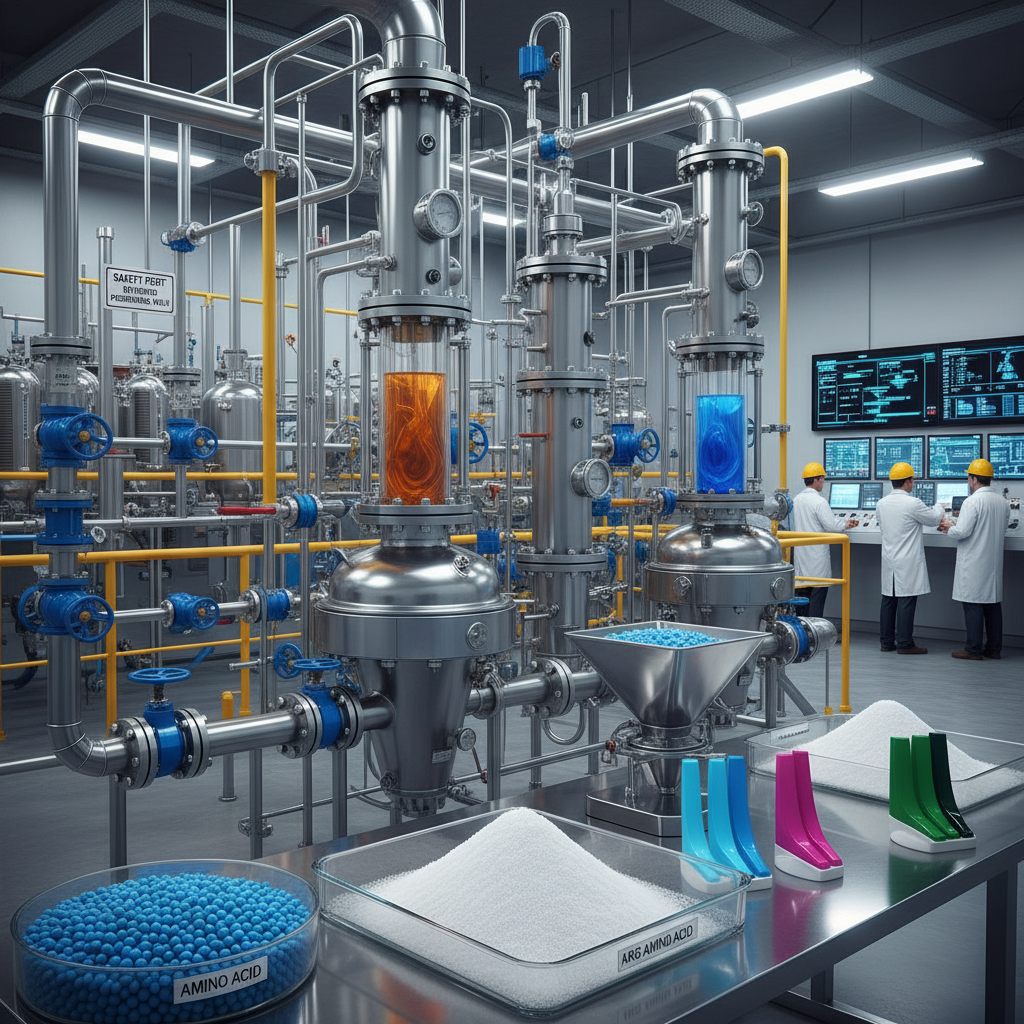
Industry data indicates that optimizing the levels of arg amino acid can significantly reduce the reliance on antibiotic growth promoters, aligning with global ISO standards for food safety and animal welfare. This shift addresses the critical challenge of antimicrobial resistance while maintaining high yields in industrial farming.
Beyond simple nutrition, the industrial application of arg amino acid bridges the gap between basic survival and optimal physiological performance. It supports the integrity of the intestinal lining in young animals, ensuring that other nutrients are absorbed effectively and reducing the incidence of digestive disorders.
In modern humanitarian and agricultural needs, the ability to mass-produce high-purity arg amino acid allows for the creation of targeted supplements that can rescue malnourished livestock in developing regions, thereby securing local food sources and enhancing economic stability.
Scalability in production is another critical factor; the ability to manufacture arg amino acid through advanced fermentation processes allows for a consistent supply chain that can meet the volatility of global agricultural cycles without compromising on quality.
Finally, cost-efficiency is achieved when the dosage of arg amino acid is precisely balanced with other essential amino acids like lysine and methionine. This synergistic approach prevents nutrient antagonism and ensures that the metabolic cost of synthesis is minimized for the animal.
Furthermore, the application extends to specialized fertilizers in agriculture, where arg amino acid derivatives act as biostimulants. These products enhance the plant's ability to absorb minerals and resist drought, demonstrating the versatility of this molecule from the feed trough to the crop field.
The long-term value of incorporating arg amino acid lies in its ability to promote systemic health, which reduces the overall cost of veterinary intervention. By enhancing the innate immune response, it creates a "buffer" of health that protects herds from sudden disease outbreaks, providing peace of mind and reliability for large-scale producers.
From a sustainability perspective, the use of targeted arg amino acid reduces the excretion of excess nitrogen into the environment. This prevents soil acidification and water eutrophication, aligning the livestock industry with global "green" initiatives and ensuring that food production does not come at the cost of ecological destruction.
Digital transformation is also playing a role, with AI-driven precision feeding systems now capable of adjusting the levels of arg amino acid in real-time based on the animal's age, weight, and health status. This automation ensures that the supplement is used with maximum efficiency and minimum waste.
Additionally, research into nano-encapsulation of arg amino acid is promising. This technology allows for a slow-release mechanism, ensuring that the amino acid remains stable throughout the digestive tract and is released exactly where it is most needed for absorption.
One of the primary challenges in the widespread adoption of arg amino acid is the volatility of raw material costs. To overcome this, industry leaders are diversifying their feedstock sources, moving from traditional sugars to agricultural waste streams, thereby decoupling the price of the amino acid from the food commodity market.
Another limitation is the potential for nutrient imbalance if arg amino acid is over-supplemented without considering the overall amino acid profile. Expert nutritional consulting and the use of software-based formulation tools are now being deployed to help farmers create perfectly balanced diets.
Lastly, regulatory hurdles in different international markets can slow down the import of innovative supplements. Establishing transparent, ISO-certified quality control systems allows manufacturers of arg amino acid to provide the necessary documentation for rapid customs clearance and regulatory approval globally.
| Implementation Strategy | Cost Impact | Efficacy Score (1-10) | Sustainability Level |
|---|---|---|---|
| Fermentation Synthesis | Moderate | 9.5 | High |
| Chemical Extraction | Low | 7.0 | Low |
| Nano-Encapsulation | High | 9.8 | Moderate |
| Direct Feed Mix | Very Low | 6.0 | Moderate |
| Precision AI Dosing | Moderate | 9.2 | Very High |
| Chelated Complex | Moderate | 8.5 | High |
Yes, it is both. By improving the Feed Conversion Ratio (FCR), arg amino acid allows farmers to produce more meat or eggs with less total feed. Furthermore, by reducing nitrogen excretion, it minimizes the environmental footprint of the farm, making it a sustainable choice that pays for itself through increased efficiency and lower veterinary costs.
Absolutely. While primarily known for animal nutrition, the chemical properties of arg amino acid make it an excellent biostimulant for crops. In plants, it helps in the synthesis of polyamines and improves stress tolerance, showing that this molecule is a versatile tool across the entire agricultural spectrum.
To ensure purity, always look for suppliers who provide a Certificate of Analysis (COA) and adhere to ISO or GMP standards. High-quality arg amino acid should be a free-flowing crystalline powder with a purity level typically above 98.5%, ensuring that no harmful impurities or inactive isomers are present in the product.
Efficient importation requires clear HS code classification and comprehensive MSDS (Material Safety Data Sheets). Partnering with a manufacturer that understands global logistics and provides pre-verified regulatory documentation for arg amino acid can drastically reduce customs delays and ensure the product arrives in optimal condition.
Looking forward, the integration of AI-driven precision nutrition and green synthesis will further solidify the role of arg amino acid in the global food security strategy. We encourage producers and distributors to transition toward these high-efficiency additives to ensure a resilient and sustainable future for agriculture. For more information on high-purity amino acid solutions, visit our website: www.hbfuyangbio.com