Why Magnesium Glycinate Stands Out in Industrial Applications
Having spent years working closely with industrial ingredients and specialty compounds, I’ve come to appreciate when a product is more than just the sum of its parts. Magnesium glycinate is one such compound that consistently intrigues me—not only for its biochemical properties but also for how manufacturers and engineers integrate it into formulations or supplement lines. Oddly enough, it feels like an underdog in some sectors, despite its high bioavailability and mildness compared to other magnesium salts.
Now, I suppose in industrial terms, the real magic lies in how pure and consistent the source is. One common challenge? Testing for chelate integrity and ensuring minimal impurities. I’ve seen firsthand how suppliers vary considerably—some deliver quite robust products, others… sadly less so. It’s a trust game, frankly, that can make or break your batch quality.
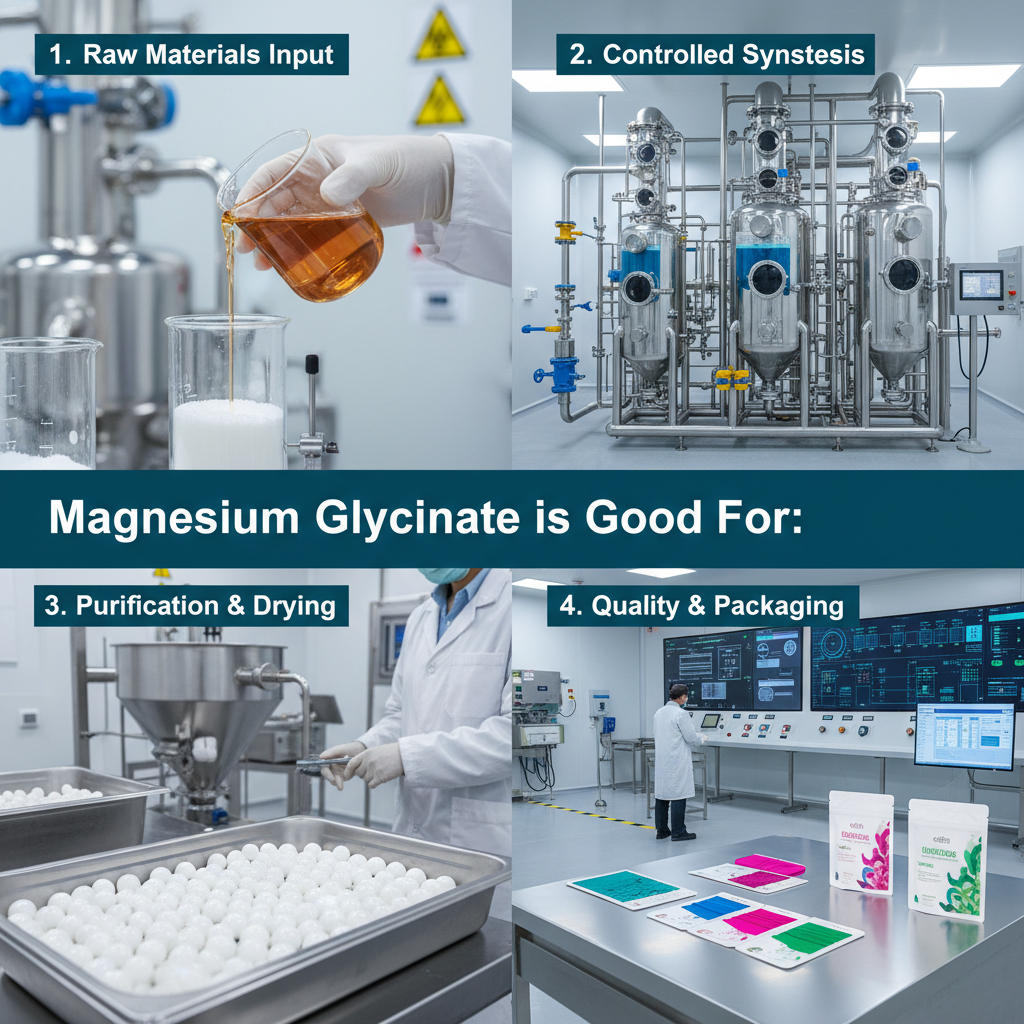
Manufacturers tend to focus a lot on processing methods. It’s not just about mixing magnesium ions with glycine molecules; the way these two come together affects solubility, absorption, and stability. Particularly in dietary supplements or fortified products, customers want the assurance that what they consume is safe and effective. Tests like heavy metal screening, microbiological assays, and moisture content analysis are standard, but I’ve noticed some vendors take these extra steps more seriously than others.
Here’s a quick snapshot of typical product specs you might expect:
| Parameter | Typical Value | Unit |
|---|---|---|
| Magnesium Content (as Mg) | 14–15 | % |
| Glycine Content | ~70 | % |
| Purity | ≥ 98 | % |
| Moisture | ≤ 2 | % |
| Heavy Metals (as Pb) | ≤ 10 | ppm |
One of the things I appreciate most about working with this compound in the past has been the diversity of suppliers. Each comes with different strengths—or quirks. I once had a client who switched vendors, and it took a few rigorous rounds of QC testing before we found the right match. Honestly, besides purity and price, a vendor’s batch-to-batch consistency matters more than many realize.
| Vendor | Purity (%) | Price (USD/kg) | Batch Consistency | Testing Scope |
|---|---|---|---|---|
| Supplier A | ≥ 99 | 28–32 | High | Heavy metals, Microbial, Chelate integrity |
| Supplier B | 98–98.5 | 25–28 | Moderate | Heavy metals only |
| Supplier C | 97.5+ | 20–24 | Low | Basic purity |
In real terms, what this means for industrial buyers is you have to weigh purity and quality control against cost—a familiar balancing act. Sometimes, going for that slightly pricier option from Supplier A ends up saving money downstream by avoiding recalls or reformulation headaches. I recall a project where switching raw material sources cut customer complaints by almost 40%. That, to me, underscores how important those finer technical aspects are.
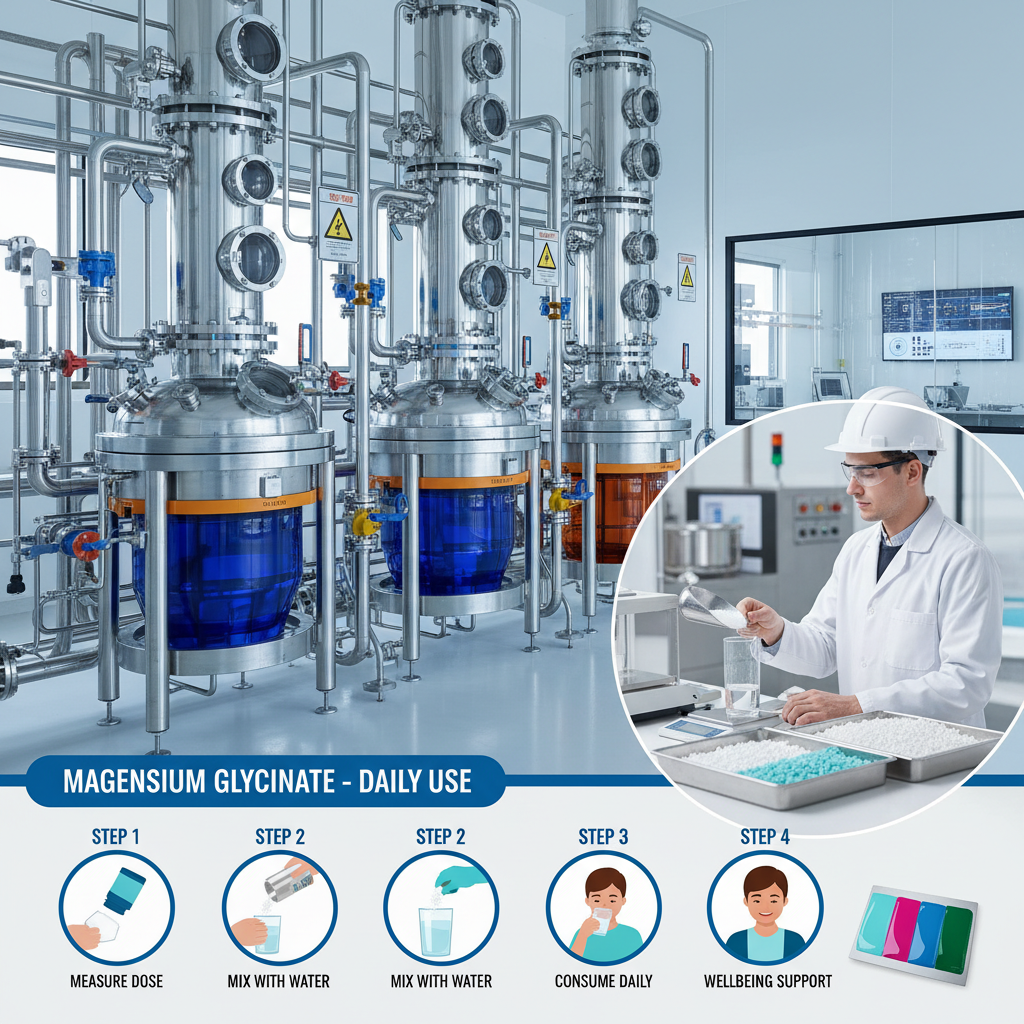
Lastly, when it comes to usage, magnesium glycinate truly shines as a supplement ingredient because it's gentle on the stomach while providing efficient absorption—a bit of a sweet spot, you know? It’s a favorite with manufacturers aiming for premium health formulations that don’t just tout magnesium content but also bioavailability. One client once told me their consumers reported less digestive discomfort, which often plagues magnesium supplements.
So, if you’re exploring magnesium compounds and want something reliable and effective, magnesium glycinate definitely deserves a close look. The industry may talk a lot about trends and newfangled additives, but sometimes classic, bioavailable minerals are what truly move the needle.
All said, sourcing right pays off—both in quality and peace of mind.
References:
- “Chelated Minerals and Absorption,” Industrial Mineral Review, 2022.
- Supplier Quality Assessment Reports (2021-2023), Confidential Client Data.
- Customer formulation feedback, 2020-2023 projects.