The global demand for high-bioavailability micronutrients has led to a significant shift toward chelated minerals, where the synergy between essential metals and amino acids optimizes biological absorption. Among these, the development of advanced supplementation strategies focuses on reducing gastrointestinal distress while maximizing the therapeutic window of trace elements.
In the specialized field of nutritional science, the move toward organic compounds ensures that essential minerals are not degraded by gastric acids, allowing for a more efficient delivery system to the intestinal wall. This transition is critical for addressing systemic deficiencies that affect immune response, skin integrity, and hormonal balance across diverse populations.
By integrating the principles of healthwise amino acids, specifically through the use of Zinc Glycinate, the industry is now able to provide a solution that offers 20-30% higher absorption than traditional inorganic salts like zinc sulfate, ensuring a safer and more effective approach to holistic health.
The Bioavailability of Healthwise Amino Acids
The concept of chelation involves the binding of a metal ion to a ligand, such as glycine, creating a stable complex that prevents the mineral from reacting with other dietary components. In the context of healthwise amino acids, Zinc Glycinate serves as a primary example where the zinc ion is protected from degradation by stomach acid, ensuring it remains intact until it reaches the absorption sites in the intestines.
This molecular structure not only increases the efficiency of nutrient uptake but also significantly reduces the gastrointestinal irritation commonly associated with inorganic zinc salts. By mimicking the natural form in which nutrients are often found in food, chelated amino acids provide a seamless integration into the body's metabolic pathways.
Core Functions of Chelated Zinc Glycinate
Zinc is an indispensable trace mineral that acts as a cofactor for over 300 enzymatic activities throughout the human body. When delivered via a chelated glycine structure, it efficiently supports the regulation of cellular metabolism, DNA synthesis, and protein production, which are fundamental to overall biological vitality.
Beyond the mineral itself, the glycine component of this complex contributes its own set of benefits. Glycine is known to support immune modulation and protein synthesis, creating a synergistic effect that amplifies the overall benefits for skin health and immune function.
The primary function of this compound is to ensure a steady supply of zinc to the tissues without the common side effects of nausea or abdominal pain. This makes it an ideal choice for long-term nutritional support and adjunctive treatment for various deficiency-related conditions.
Key Health Benefits and Clinical Impact
One of the most prominent advantages of utilizing healthwise amino acids like Zinc Glycinate is the enhancement of the immune system. It promotes T-cell differentiation and antibody production, which clinical studies suggest can shorten the duration of the common cold by 1 to 2 days.
Furthermore, zinc is critical for collagen synthesis, making these healthwise amino acids essential for accelerated wound healing. This makes the compound particularly effective for postoperative recovery, treating burns, and managing acne by reducing sebum overproduction and alleviating inflammation.
Reproductive and cognitive health also benefit significantly from this supplementation. In men, it has been shown to improve sperm motility and testosterone levels, while in women, it helps regulate menstrual cycles. Additionally, its role in neurotransmitter metabolism—specifically glutamate and GABA—offers potential protection against cognitive decline.
Comparative Absorption Performance
When evaluating the effectiveness of different zinc sources, the rate of absorption and the level of gastrointestinal irritation are the two most critical parameters. While inorganic salts like Zinc Sulfate are common, they often cause significant GI distress and have lower bioavailability due to their tendency to bind with phytates in the gut.
In contrast, chelated options provide a superior balance of safety and efficacy. Zinc Glycinate and Zinc Citrate both show high absorption rates, but the glycinate form is specifically prized for its minimal irritation, making it the gold standard for sensitive individuals and long-term therapeutic use.
Absorption and Tolerance of Healthwise Amino Acids Variants
Target Populations for Specialized Supplementation
Certain groups are at a higher risk of zinc deficiency due to dietary restrictions or medical conditions. Vegetarians, pregnant and lactating women, and elderly individuals often struggle to meet their daily requirements, making the high-absorption profile of healthwise amino acids particularly valuable for them.
Additionally, individuals suffering from chronic conditions such as diabetes, chronic kidney disease, or frequent diarrhea experience increased zinc loss. For these patients, as well as those recovering from surgery or struggling with severe acne, a chelated zinc supplement provides a necessary therapeutic boost without aggravating existing gastrointestinal sensitivity.
Safety Profiles and Administration Guidelines
While Zinc Glycinate is highly safe, proper dosage is essential to avoid imbalances. The daily upper limit for adults is generally 40mg. Long-term excessive intake of zinc can interfere with the absorption of copper, which may lead to a copper deficiency; therefore, pairing zinc with a small amount of copper is recommended for prolonged high-dose regimens.
Timing is also critical for maximizing the efficacy of healthwise amino acids. It is advised to avoid taking zinc supplements concurrently with calcium or iron, as these minerals compete for the same absorption pathways. A gap of at least two hours between these supplements is recommended to ensure optimal uptake.
For most users, side effects are negligible, though mild nausea can occur in rare cases. To mitigate this, taking the supplement with a meal is a simple and effective solution. Renal patients should be closely monitored by a healthcare provider to ensure blood zinc levels remain within a healthy range.
Future Trends in Mineral Chelation Technology
The future of nutritional supplementation is moving toward "smart" delivery systems that further refine the stability of chelated minerals. We are seeing an increase in the development of multi-amino acid complexes that can target specific tissues or organs, potentially increasing the precision of nutrient delivery for chronic disease management.
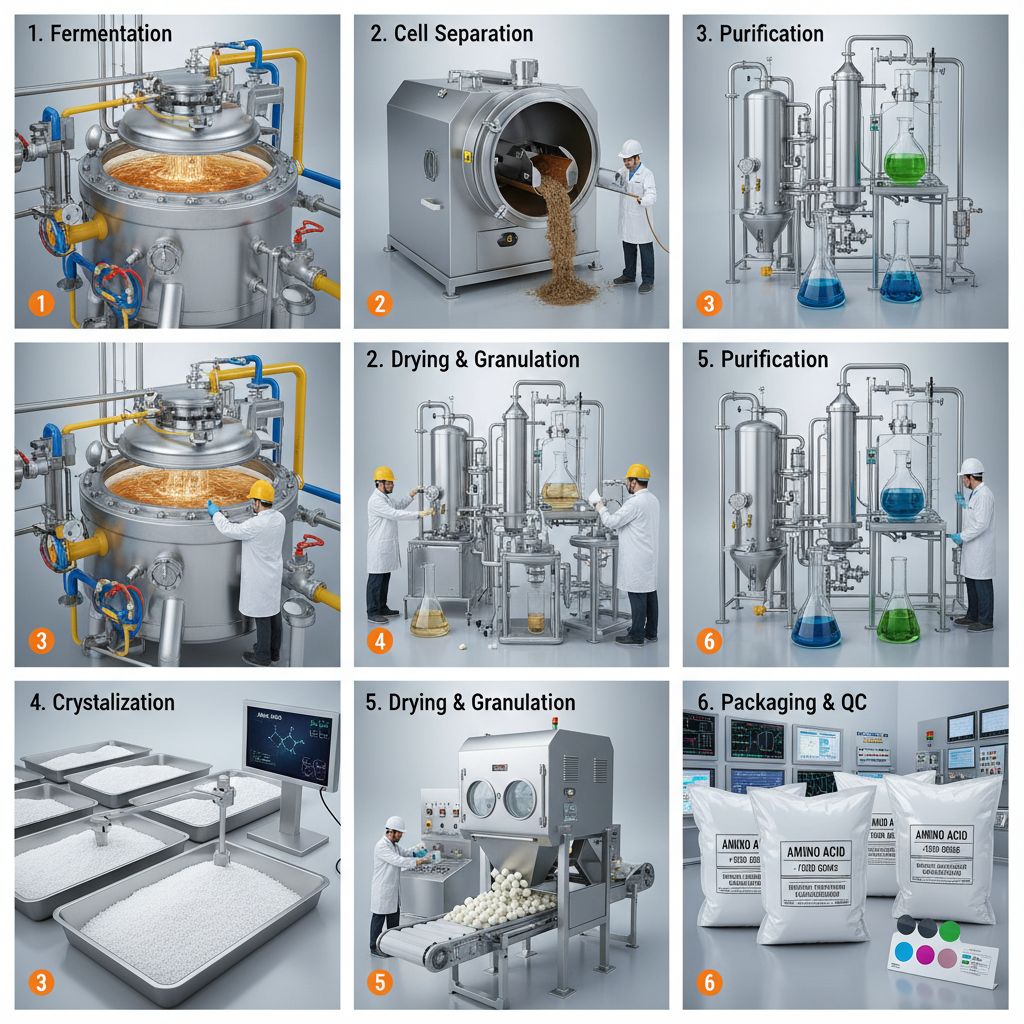
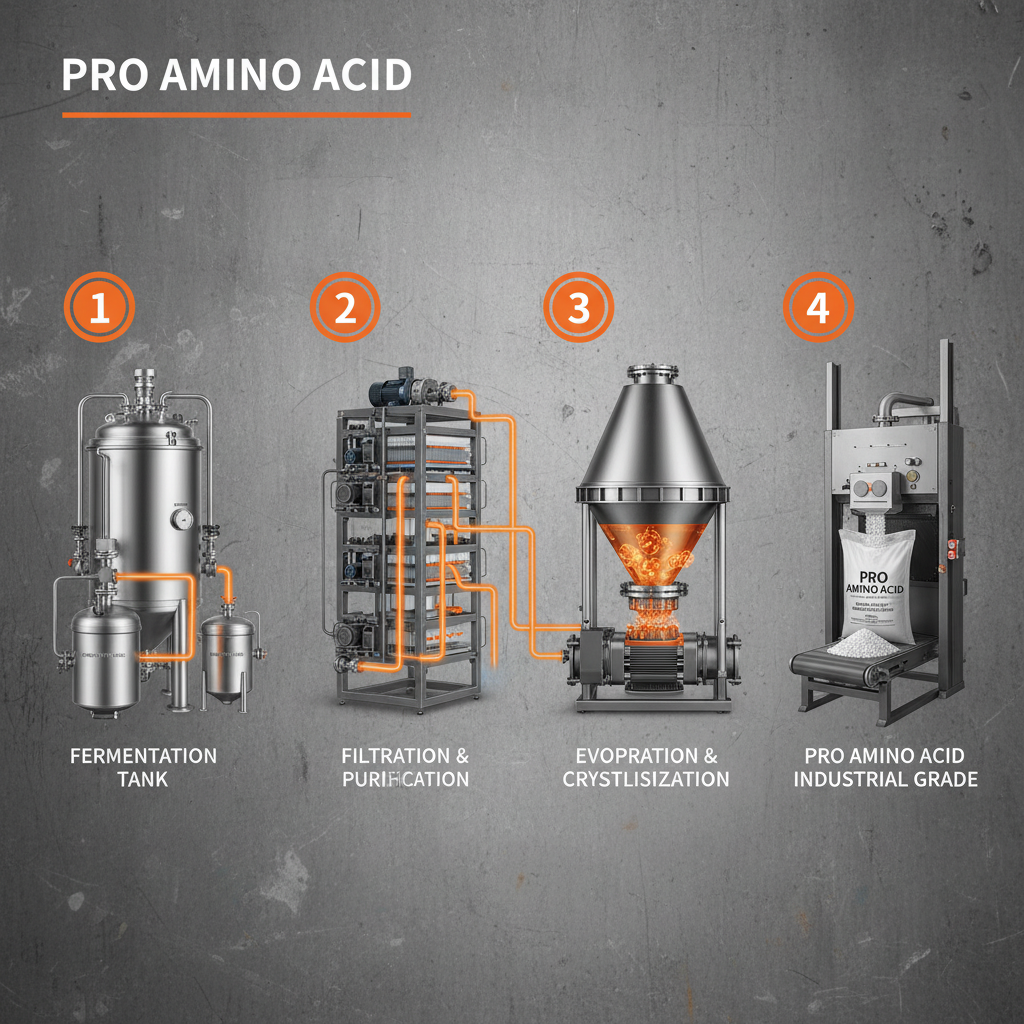
Sustainability is also becoming a core driver in the manufacturing of healthwise amino acids. The industry is shifting toward bio-fermentation processes to produce glycine and other ligands, reducing the reliance on harsh chemical synthesis and lowering the overall carbon footprint of production.
Integration with personalized nutrition—driven by genomic testing—will allow clinicians to prescribe exact dosages of chelated minerals based on an individual's genetic predisposition for absorption efficiency. This transition from a "one size fits all" approach to precision supplementation marks the next frontier in global healthcare.
Comparative Analysis of Zinc Supplementation Methods
| Supplement Type |
Absorption Rate |
GI Irritation Level |
Primary Use Case |
| Zinc Glycinate |
Very High |
Very Low |
Long-term health, sensitive guts |
| Zinc Sulfate |
Low |
High |
Short-term medical therapy |
| Zinc Gluconate |
Moderate |
Moderate |
Common pediatric lozenges |
| Zinc Citrate |
High |
Low |
Immune boost with Vit C |
| Zinc Oxide |
Very Low |
Moderate |
Topical skin applications |
| Zinc Picolinate |
High |
Low |
General dietary support |
FAQS
Zinc Glycinate is a chelated form of zinc, meaning it is bound to the amino acid glycine. This structure protects the zinc from reacting with other substances in the stomach, resulting in 20-30% higher absorption and significantly lower gastrointestinal irritation compared to the inorganic Zinc Sulfate, which often causes nausea.
It is not recommended to take them at the same time. Calcium and zinc compete for the same absorption pathways in the intestines. To ensure you get the full benefit of your supplements, it is best to space the doses by at least two hours.
Zinc plays a crucial role in regulating sebum production and possesses anti-inflammatory properties. Zinc Glycinate helps reduce oil overproduction in the skin and promotes collagen synthesis, which accelerates the healing of acne lesions and other skin wounds.
High-risk groups include vegetarians (due to phytates in grains), pregnant and lactating women, the elderly, and children with picky eating habits. Additionally, people with chronic diarrhea or diabetes often lose zinc more rapidly and may require supplementation.
Yes, the adult upper limit is generally 40mg per day. Excessive long-term intake can lead to a copper deficiency because zinc interferes with copper absorption. If you are taking high doses over several months, it is advisable to include a copper supplement.
Chelation occurs when a mineral ion is bonded to an organic ligand—in this case, glycine. This creates a stable, neutral complex that prevents the mineral from being "blocked" by other nutrients and allows it to pass through the intestinal wall more efficiently via amino acid transport channels.
Conclusion
Zinc Glycinate represents a pinnacle in micronutrient delivery, combining the essential biological roles of zinc with the high-absorption capabilities of healthwise amino acids. By overcoming the hurdles of gastrointestinal irritation and poor bioavailability, it provides a safe, effective means of supporting immune function, skin repair, and reproductive health across a wide spectrum of target populations.
As we look toward the future, the shift toward precision nutrition and sustainable manufacturing will only enhance the value of chelated minerals. For those seeking a holistic and gentle approach to mineral supplementation, choosing a high-quality organic compound is the most reliable path to long-term wellness. Visit our website: www.hbfuyangbio.com