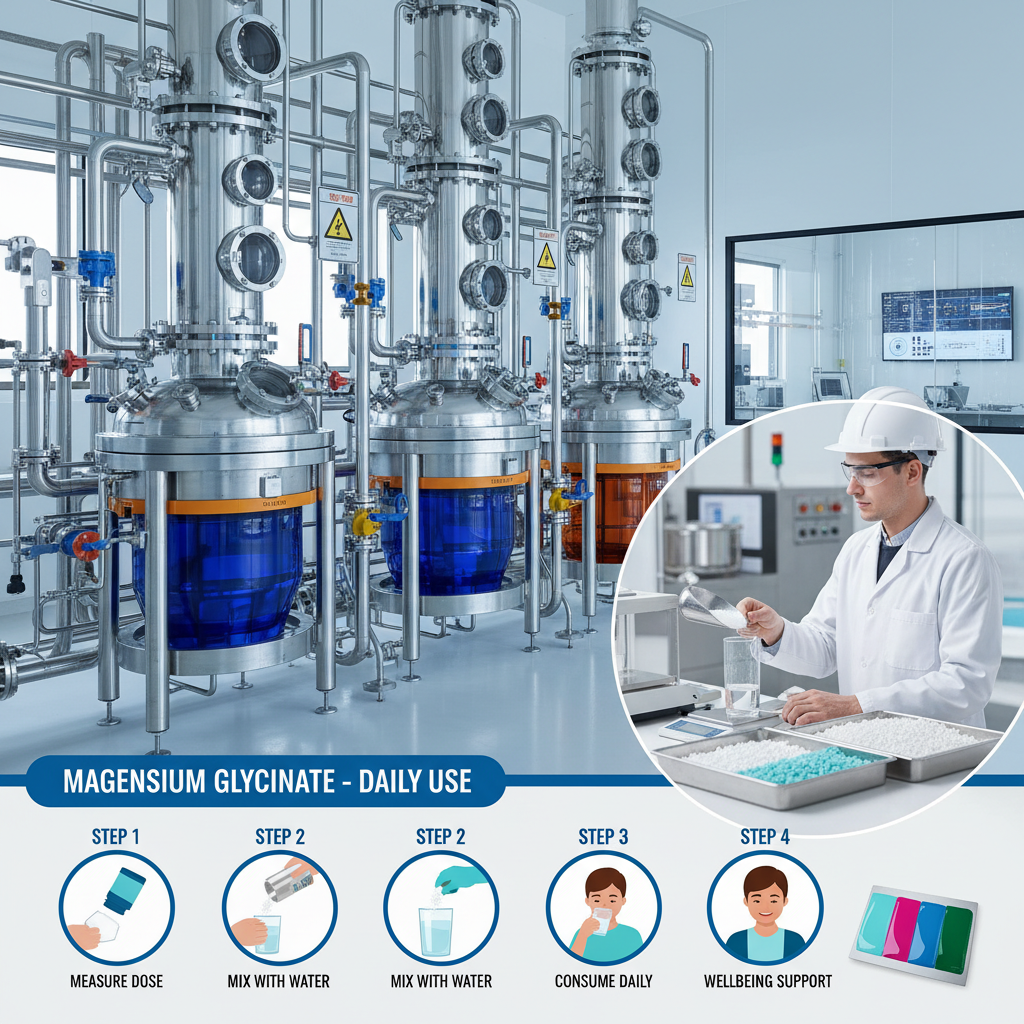
Inside the supply chain: N-Carbamylglutamic Acid from Hebei (and what buyers really ask)
If you’ve been sourcing n carbamyl l glutamic acid lately, you’ve probably noticed two things: tighter specs and shorter patience. To be honest, the market matured fast. Pharma buyers want rock-solid chiral purity; feed formulators want consistent performance without drama. That’s exactly the conversation I had last month with a quality lead who was weighing a switch to a producer in Xinle Industrial Park, Shijiazhuang, Hebei Province, China—where this material has become something of a quiet specialty.
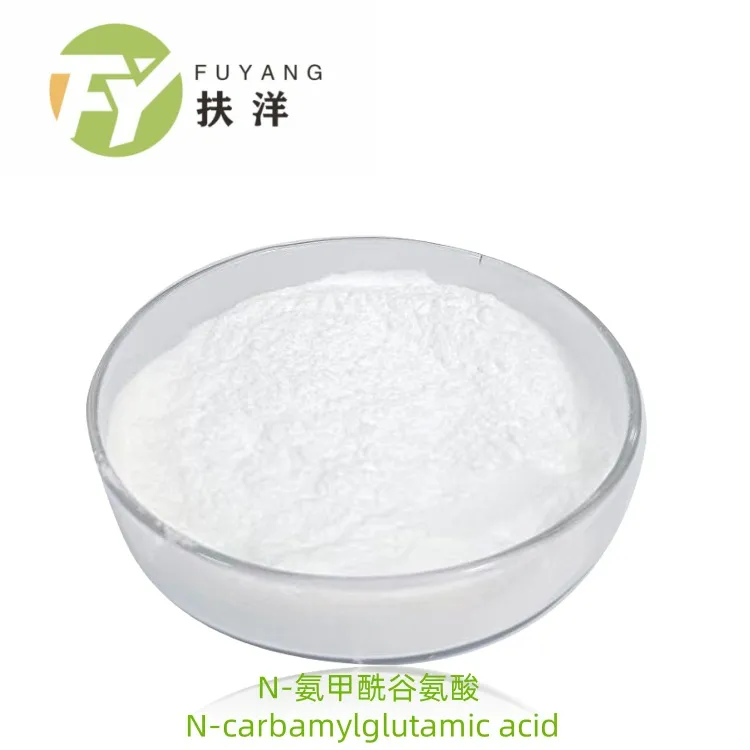
Why the industry cares now
Demand for n carbamyl l glutamic acid spans two fast-moving lanes: as an API-grade ingredient supporting urea-cycle–related therapeutics (carglumic acid uses), and as a nutritional additive in animal production where urea-cycle efficiency matters. The trend line? Tighter regulatory expectations (ICH Q7, traceability), greener processing, and surprisingly, more customization—particle size, microbiology profiles, documentation packages. Actually, people want fewer surprises and faster paperwork.
Typical specification snapshot
| Product | N-Carbamylglutamic Acid (L-isomer) |
| Origin | Xinle Industrial Park, Shijiazhuang, Hebei, China |
| Appearance | White to off-white crystalline powder |
| Assay (HPLC) | ≥ 99.0% (typical 99.5% ≈ real-world) |
| Chiral purity | L-isomer confirmed by chiral HPLC; D-isomer ≤ 0.2% |
| Loss on drying | ≤ 0.5% |
| Heavy metals (ICP-MS) | ≤ 10 ppm total; Pb/Cd/Hg each ≤ 1 ppm |
| Residual solvents (GC) | Meets ICH Q3C |
| Microbiology | TAMC ≤ 100 CFU/g; TYMC ≤ 10 CFU/g |
| Shelf life | 24 months sealed, cool & dry; real-world varies with humidity control |
| Packaging | 1 kg foil bag or 25 kg drum; nitrogen-packed on request |
How it’s made (short version)
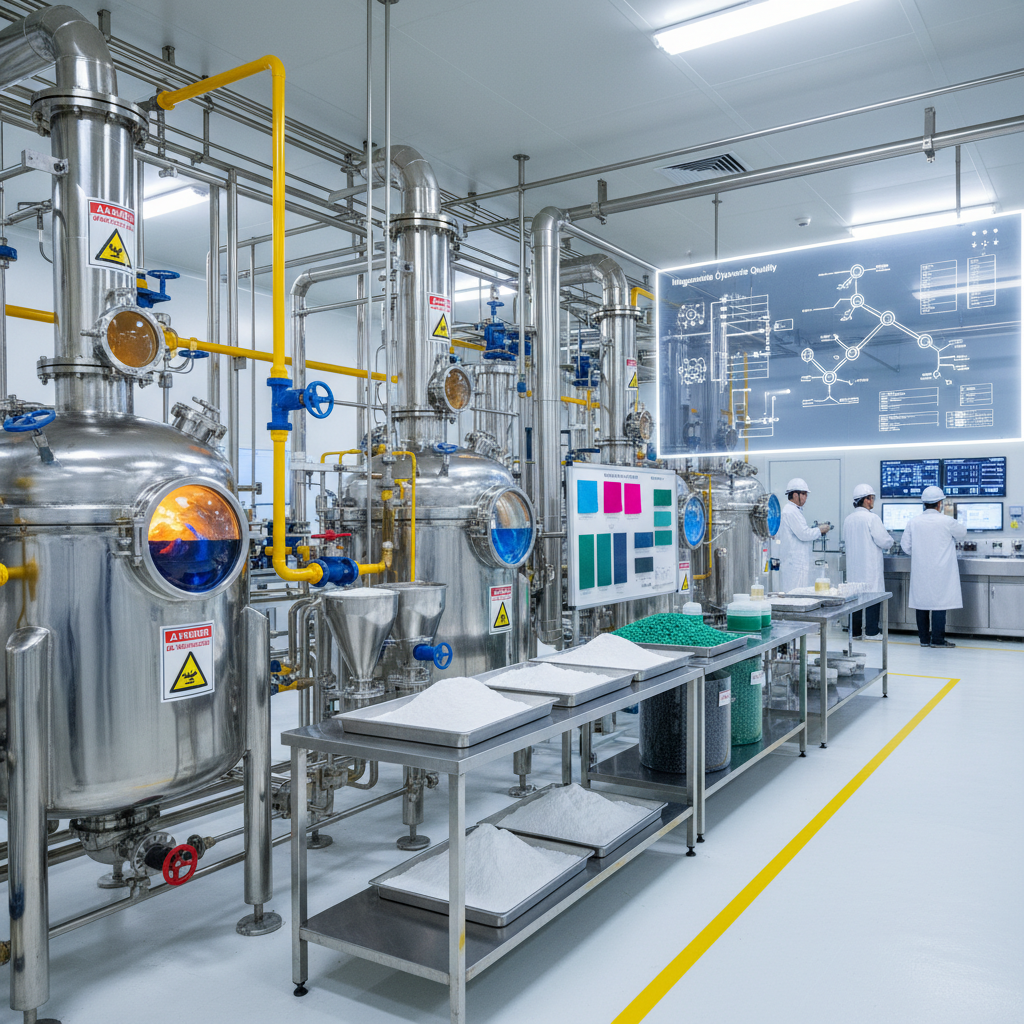
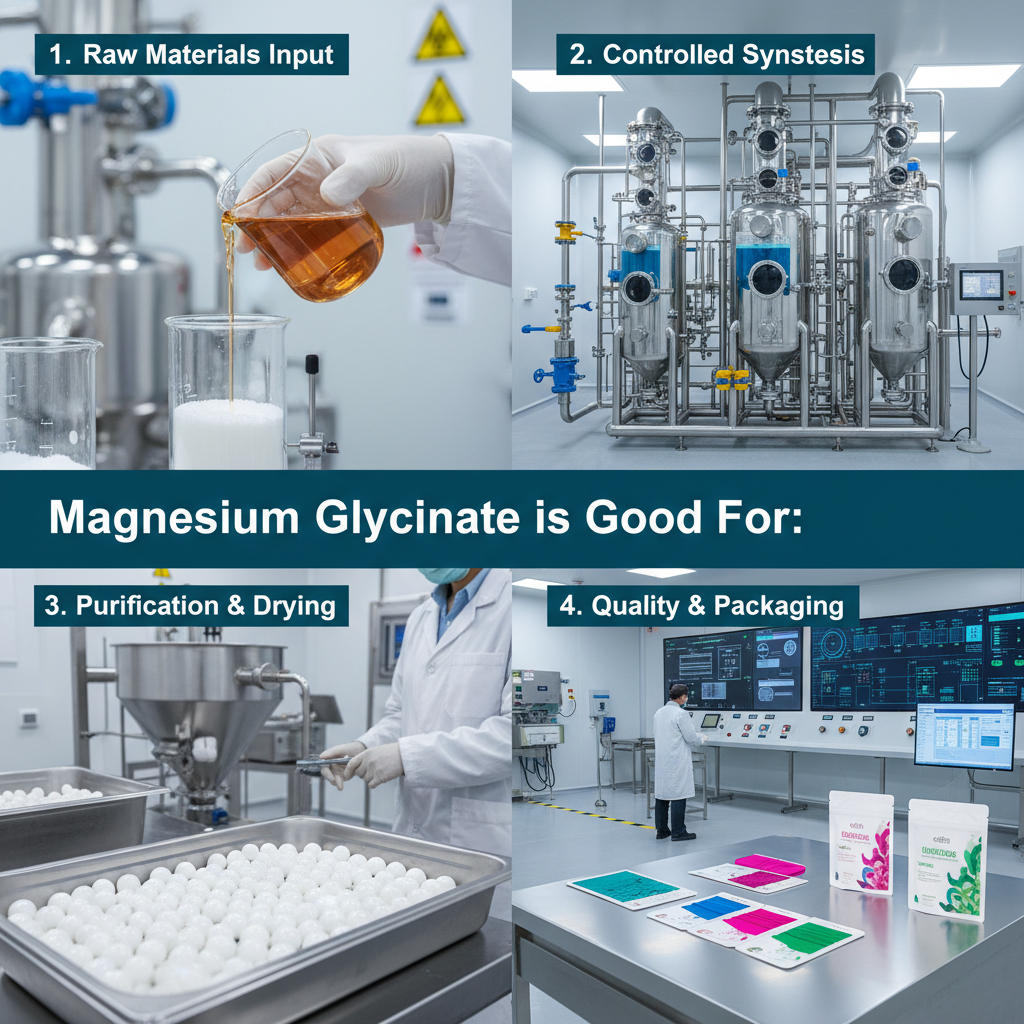
Process flow: pharma-grade L-glutamic acid selection → controlled carbamylation → pH-guided crystallization → solid–liquid separation → low-temp drying → milling/sieving (D90 around 200 mesh if needed) → QC release. Testing includes HPLC assay, chiral HPLC, KF moisture, ICP-MS metals, GC residuals, and microbiology. Batches are traceable lot-to-lot; facilities commonly operate under ISO 9001, with API-grade lines aligned to ICH Q7 GMP. Feed-grade lines may carry FAMI-QS; ask for current certificates (I always do).
Applications and advantages
- Pharmaceutical: precursor/ingredient supporting therapies related to NAGS deficiency (per EMA/FDA materials on carglumic acid).
- Animal nutrition: used where supporting the urea cycle and nitrogen utilization is desired; formulation support available.
- Research: urea-cycle studies, arginine pathway work, enzyme kinetics.
Advantages buyers mention: consistent L-isomer control, clean residuals, and frankly, responsive documentation. One customer told me they switched because the CoA matched their in-house HPLC “to the second decimal”—rare, but nice when it happens.
Vendor comparison (indicative)
| Vendor | Grade | Assay (typ.) | Certs | Lead time |
|---|---|---|---|---|
| Hebei producer (Xinle) | API / Feed | ≈ 99.5% | ISO 9001; ICH Q7 aligned; FAMI-QS (ask) | 7–14 days ex-works |
| Generic trader A | Tech / Feed | ≈ 98.0–99.0% | COA only | 2–5 weeks |
| EU manufacturer B | API | ≥ 99.0% | EU GMP; ISO 14001 | 4–8 weeks |
Customization and documentation
Custom particle size (D90 120–300 mesh), tighter micro, nitrogen packaging, stability data at 25°C/60% RH and 40°C/75% RH, and tech packs (methods, validation summaries). For regulated use, request ICH Q7 evidence, BSE/TSE statements, non-GMO, and allergen declarations. It seems basic, but many customers say this is where projects slip—or succeed.
Real-world case notes
- API buyer: chiral deviation tightened from 0.30% to 0.05% after switching, reducing OOS investigations by 2 per quarter (internal QA log; your mileage may vary).
- Feed formulator: improved handling (less caking) after moving to 200-mesh spec; FCR impact modest but positive in warm-season runs—likely a process win more than a chemistry win.
Bottom line: for n carbamyl l glutamic acid, consistency beats flair. Ask for recent CoAs, stability summaries, and a sample that matches production batch size. And yes—confirm the L-isomer by chiral HPLC on your own system. It’s five minutes that can save five weeks.
Authoritative references
- European Medicines Agency. Carbaglu (carglumic acid) Product Information. https://www.ema.europa.eu/en/medicines/human/EPAR/carbaglu
- U.S. FDA. Carbaglu (carglumic acid) Prescribing Information. https://www.accessdata.fda.gov/drugsatfda_docs/label/2018/020928s018lbl.pdf
- ICH Q7: Good Manufacturing Practice Guide for Active Pharmaceutical Ingredients. https://www.ich.org
- ISO 9001:2015 Quality Management Systems — Requirements. https://www.iso.org/standard/62085.html