Understanding N-Carbamylglutamic Acid: A Pivotal Nutritional and Therapeutic Agent
In the specialized realm of nutritional biochemistry and pharmaceutical intervention, .n carbamyl l glutamic acid. stands out as a compound of significant interest. This highly effective analogue of N-acetylglutamate (NAG) plays a crucial role in activating carbamoyl phosphate synthetase I (CPS1), the rate-limiting enzyme in the urea cycle. Its applications span various critical sectors, from enhancing animal health and productivity to serving as a vital therapeutic agent in specific metabolic disorders in humans. This article delves into the intricate details of its manufacturing, technical specifications, diverse applications, and inherent advantages, providing a comprehensive overview for B2B stakeholders.
The demand for high-purity and biologically active forms of this compound is continuously growing, driven by advancements in biotechnology and a deeper understanding of metabolic pathways. Understanding its precise mechanism of action and the meticulous process behind its creation is paramount for optimal utilization across industries.
Industry Trends and Market Dynamics
The global market for amino acid derivatives and nutritional supplements is experiencing robust growth, propelled by increasing consumer awareness regarding health and wellness, alongside the expansion of the animal feed industry. For compounds like .n carbamyl l glutamic acid., several key trends are observable:
- Sustainable Agriculture Focus: There's a rising emphasis on improving feed efficiency and reducing environmental impact in livestock production. .n carbamyl l glutamic acid. contributes significantly by optimizing nitrogen metabolism, leading to better nutrient utilization and reduced nitrogen excretion.
- Personalized Nutrition and Therapeutics: In human health, the drive towards personalized medicine means a greater focus on specific metabolic interventions. The compound's role in urea cycle disorders highlights its importance in this niche, driving research and clinical applications.
- Technological Advancements in Synthesis: Continuous innovation in chemical synthesis and biotechnology is leading to more efficient, cost-effective, and environmentally friendly production methods, ensuring higher purity and scalability.
- Regulatory Scrutiny and Quality Assurance: As the market matures, regulatory bodies are imposing stricter quality controls and traceability requirements. Manufacturers capable of demonstrating rigorous adherence to standards like ISO, GMP, and HACCP gain significant competitive advantage.
The intersection of these trends positions .n carbamyl l glutamic acid. as a critical ingredient with expanding market potential across diverse applications, particularly in segments focused on metabolic health and animal productivity.
Detailed Process Flow: Manufacturing of N-Carbamylglutamic Acid
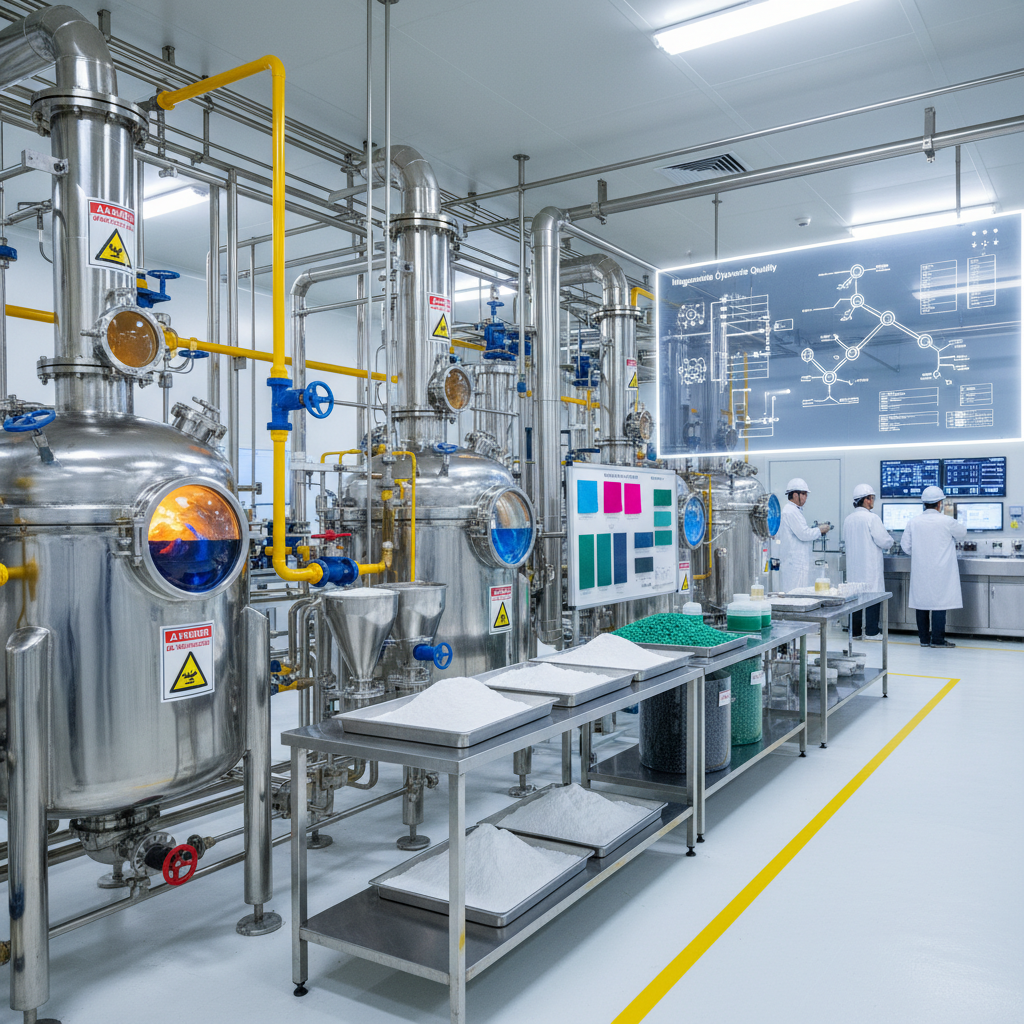
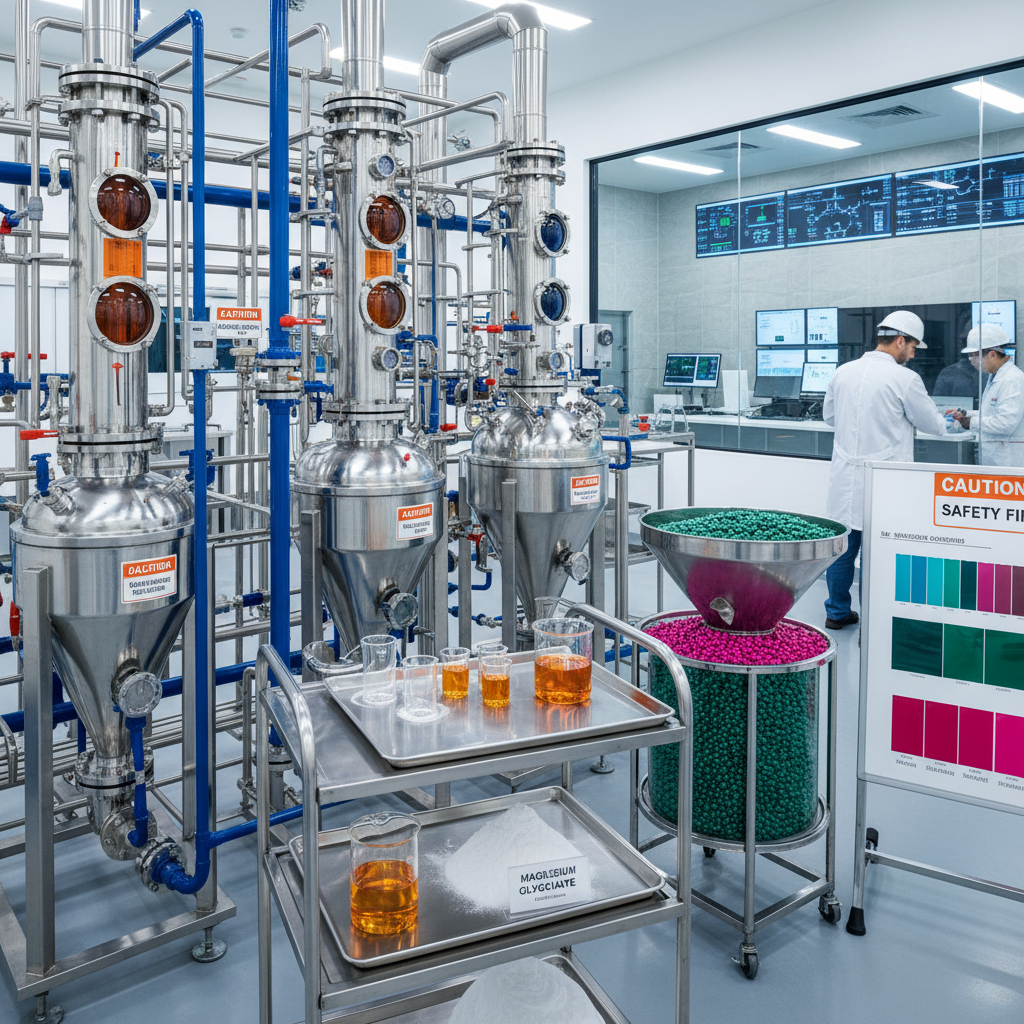
The production of high-purity .n carbamyl l glutamic acid. (NCG) involves a multi-stage chemical synthesis process, designed to yield a product that meets stringent industry standards for efficacy and safety. The primary raw material is L-glutamic acid, a common amino acid.
Key Materials:
- L-Glutamic Acid: The primary precursor, typically produced via fermentation.
- Isocyanates or Carbamoylation Agents: Such as potassium cyanate or urea derivatives, which introduce the carbamyl group.
- Solvents: Water, organic solvents like DMSO or DMF, chosen for reaction efficiency and product solubility.
- Catalysts/Reagents: Acids or bases for pH control and reaction acceleration.
Manufacturing Process Steps:
-
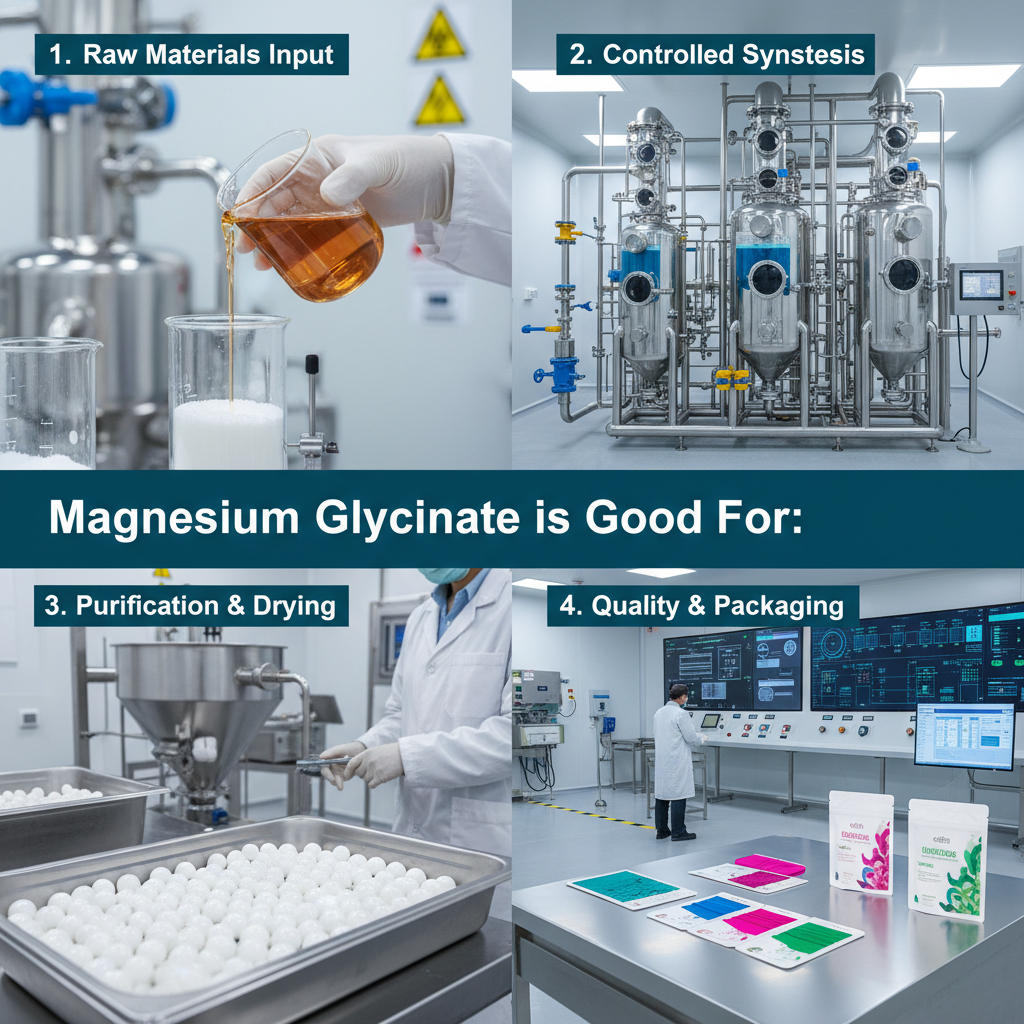
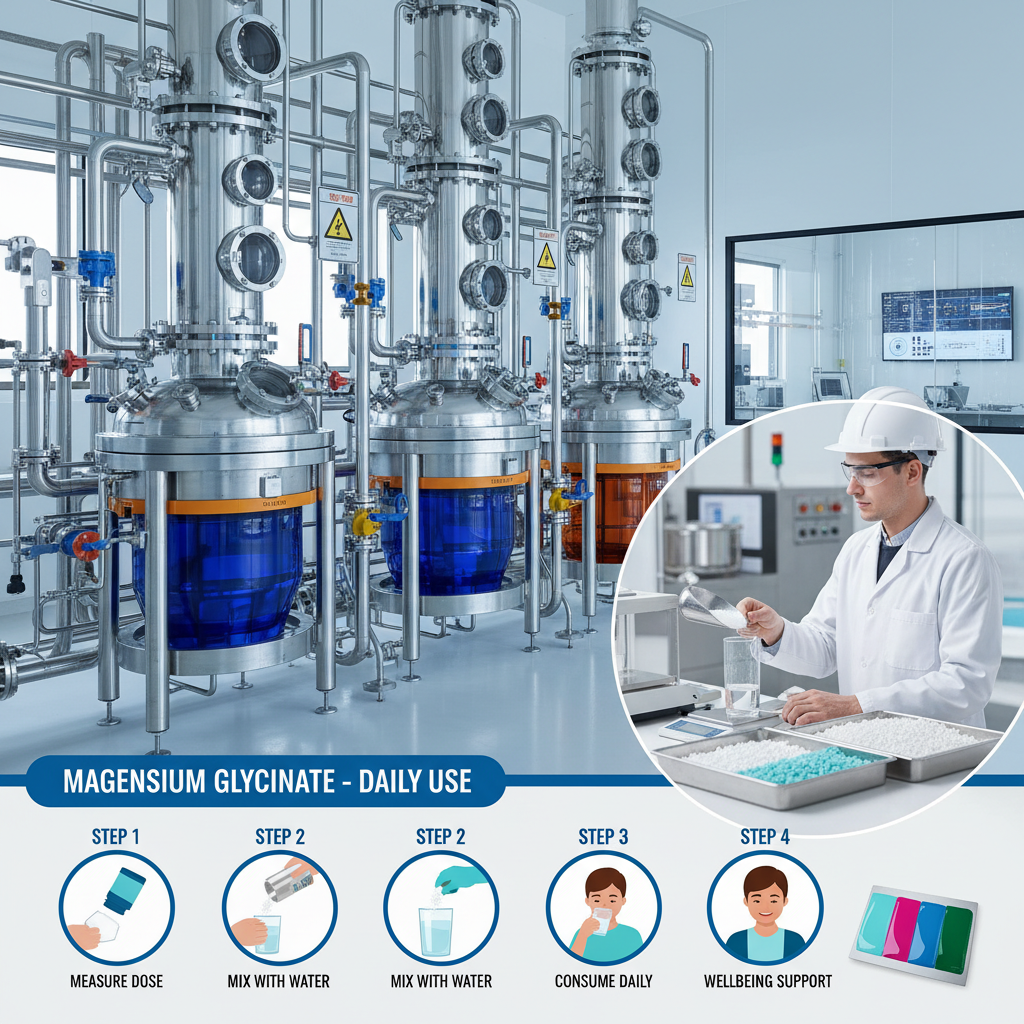
Carbamoylation Reaction: L-Glutamic acid is reacted with a carbamoylation agent under controlled temperature and pH conditions in a specialized reactor. This step forms the N-carbamyl linkage. The reaction conditions (temperature, pressure, catalyst concentration) are precisely controlled to maximize yield and minimize by-product formation.
-
Purification: The crude reaction mixture undergoes a series of purification steps. This typically includes:
- Filtration: To remove insoluble impurities.
- Crystallization/Precipitation: Controlled cooling or solvent addition to selectively precipitate the NCG product. This is a critical step for achieving high purity.
- Washing: The separated crystals are washed with appropriate solvents to remove residual impurities and unreacted starting materials.
- Drying: The purified wet cake of .n carbamyl l glutamic acid. is dried using techniques like vacuum drying or fluid bed drying to remove moisture content, yielding a stable, crystalline powder. Parameters such as drying temperature and duration are crucial to prevent degradation and ensure desired particle size.
- Milling and Sieving: The dried product may be milled to achieve a uniform particle size distribution, followed by sieving to remove any agglomerates and ensure consistency suitable for target applications.
- Quality Control and Packaging: Each batch undergoes rigorous quality control testing (as detailed below) before being packaged in airtight, moisture-proof container111s to maintain stability and shelf life.
Testing Standards and Quality Assurance:
Our manufacturing facilities adhere strictly to international quality management systems to ensure the highest product quality and consistency. Key standards and testing protocols include:
- ISO 9001:2015: For quality management systems.
- FSSC 22000 (Food Safety System Certification): Ensuring food safety for animal feed applications.
- USP/BP/EP Standards: Where applicable, product specifications align with pharmacopoeial standards for purity and identity.
- Heavy Metal Analysis: Inductively Coupled Plasma Mass Spectrometry (ICP-MS) ensures compliance with safety limits.
- Microbiological Testing: Absence of pathogenic bacteria and fungi.
- Chiral Purity: High-Performance Liquid Chromatography (HPLC) ensures the desired L-isomer purity.
Service Life and Storage:
When stored in its original, unopened packaging in a cool, dry place (typically below 25°C and away from direct sunlight), .n carbamyl l glutamic acid. maintains its stability and efficacy for a minimum of 24 to 36 months from the date of manufacture. Proper storage is crucial to prevent hydrolysis or degradation.
Technical Specifications and Parameters
The robust efficacy of .n carbamyl l glutamic acid. is underpinned by its precise chemical composition and adherence to strict quality parameters. Below is a detailed table outlining typical product specifications.
| Parameter | Specification | Test Method |
|---|---|---|
| Product Name | N-Carbamylglutamic Acid (NCG) | Visual/Identification |
| CAS Number | 1188-38-1 | Reference Standard |
| Molecular Formula | C6H10N2O5 | Calculation |
| Molecular Weight | 190.15 g/mol | Calculation |
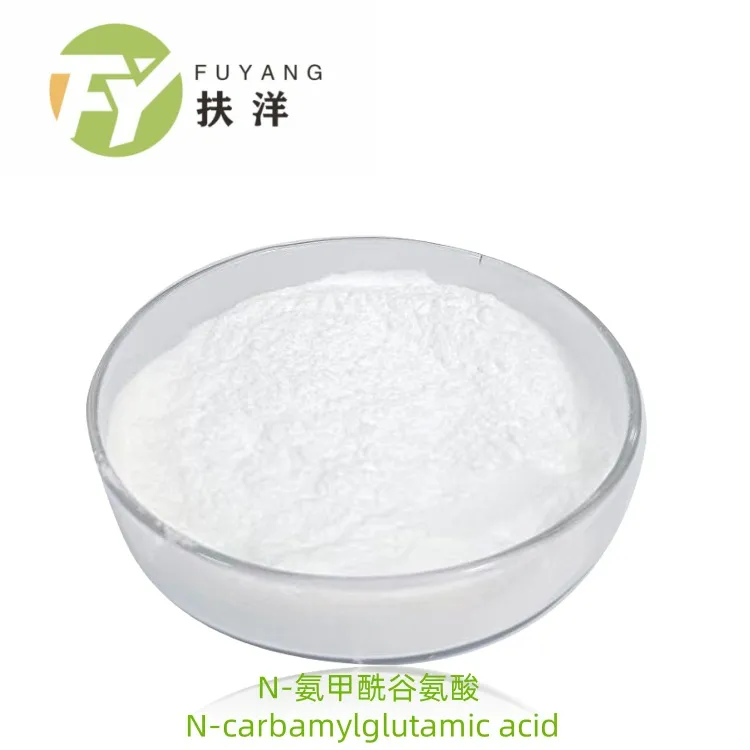
| Appearance | White Crystalline Powder | Visual |
| Purity (HPLC) | ≥ 98.0% | HPLC |
| Specific Rotation ([α]20D) | +22.0° to +25.0° (c=1, H2O) | Polarimetry |
| Loss on Drying | ≤ 0.5% | Gravimetric (105°C, 3h) |
| Heavy Metals (Pb) | ≤ 10 ppm | ICP-MS |
| Arsenic (As) | ≤ 1 ppm | AAS |
| Assay (Nitrogen content) | 98.0% - 102.0% | Kjeldahl Method |
Application Scenarios and Target Industries
The versatility of .n carbamyl l glutamic acid. makes it an invaluable asset across several high-stakes industries, primarily leveraging its role as an activator of the urea cycle. This answers the question: what is glutamic acid used for, specifically in its carbamylated form.
1. Animal Nutrition and Livestock Production:
Target Industries: Animal Feed Manufacturing, Aquaculture, Swine and Poultry Farming.
- Improved Growth Performance: Supplementation with NCG in animal feed, especially for young animals like piglets and poultry, significantly enhances feed intake and growth rates. By stimulating the urea cycle, it optimizes nitrogen utilization and reduces ammonia toxicity.
- Enhanced Protein Synthesis: NCG facilitates better conversion of dietary protein into muscle tissue, leading to improved lean meat deposition and feed conversion ratios (FCR). This is particularly critical in fast-growing species.
- Stress Reduction: During periods of stress (e.g., weaning, disease challenge, heat stress), ammonia accumulation can be detrimental. NCG helps maintain metabolic homeostasis, supporting animal welfare and resilience.
- Reduced Nitrogen Excretion: By promoting efficient urea synthesis, NCG minimizes the excretion of undigested nitrogen into the environment, contributing to more sustainable and environmentally friendly livestock operations.
2. Human Health and Pharmaceutical Applications:
Target Industries: Pharmaceutical Manufacturing, Clinical Nutrition, Rare Disease Therapeutics.
- Treatment of Hyperammonemia: NCG is approved and widely used for the treatment of hyperammonemia due to N-acetylglutamate synthase (NAGS) deficiency. It directly activates CPS1, bypassing the deficient NAGS enzyme and enabling the urea cycle to remove toxic ammonia.
- Ornithine Transcarbamylase (OTC) Deficiency: While NAGS deficiency is its primary indication, NCG can also be used as an adjunct therapy in other urea cycle disorders, such as OTC deficiency, to enhance the residual activity of the urea cycle.
- Research and Development: It serves as a valuable biochemical tool for studying amino acid metabolism, mitochondrial function, and the regulation of the urea cycle.
Technical Advantages of Our N-Carbamylglutamic Acid
Our commitment to advanced manufacturing and stringent quality control provides significant technical advantages for our .n carbamyl l glutamic acid. product:
- High Purity and Bioavailability: Through optimized synthesis and purification, our NCG consistently achieves >98% purity, ensuring maximum biological activity and efficacy in target metabolic pathways. This minimizes the dosage required and reduces potential for inactive by-products.
- Chiral Specificity: We ensure the production of the L-isomer of N-carbamylglutamic acid, which is the biologically active form, crucial for its specific interaction with CPS1. This stereo-selectivity is vital for therapeutic and nutritional efficacy.
- Superior Stability: Our advanced drying and packaging techniques minimize moisture content and protect the product from environmental degradation, providing an extended shelf life of up to 36 months when stored correctly. This reduces waste and ensures consistent potency over time.
- Cost-Effectiveness: Efficient synthesis routes and economies of scale allow us to offer a highly competitive product without compromising on quality, providing an excellent return on investment for our B2B clients in animal nutrition and pharmaceuticals.
- Regulatory Compliance & Traceability: Our adherence to ISO, FSSC, and cGMP principles ensures that every batch is fully traceable from raw material to finished product, meeting the highest international regulatory demands for safety and quality assurance.
- Environmental Impact Reduction: By enabling better nitrogen utilization in animals, our NCG contributes to reduced ammonia emissions and nitrogen runoff, aligning with global efforts for sustainable agriculture and environmental protection. This highlights an energy saving and corrosion resistance (indirectly, by reducing corrosive ammonia in waste) advantage in its typical application scenarios.
Vendor Comparison: Choosing the Right Partner
Selecting a supplier for specialized biochemicals like .n carbamyl l glutamic acid. requires careful consideration beyond just price. Key factors include product purity, consistency, regulatory compliance, and comprehensive customer support.
| Feature/Parameter | Our Offering | Typical Competitor A | Typical Competitor B |
|---|---|---|---|
| Product Purity (HPLC) | ≥ 98.0% (Consistently) | 95.0% - 97.5% | 96.0% - 98.0% |
| Regulatory Certifications | ISO 9001, FSSC 22000, cGMP Compliant | ISO 9001 | Basic Food Grade |
| Batch-to-Batch Consistency | Excellent (Low Variance) | Good (Moderate Variance) | Fair (Noticeable Variance) |
| Lead Time for Standard Orders | 2-4 Weeks | 4-6 Weeks | 6-8 Weeks+ |
| Technical Support | Dedicated Scientific & Application Support | Basic Product Information | Limited Support |
| Customization Options | Yes (Particle Size, Blends, Packaging) | Limited | No |
| Years of Service in B2B | 15+ Years (Specializing in Amino Acid Derivatives) | 5-10 Years (General Chemical Supplier) | <5 Years (New Entrant) |
This comparison highlights our unwavering commitment to quality, compliance, and customer-centric service, positioning us as a preferred supplier for critical ingredients like .n carbamyl l glutamic acid.. Our long-standing expertise and certifications underscore our authoritativeness in the field.
Customized Solutions
Recognizing that each client may have unique requirements, we offer tailored solutions for .n carbamyl l glutamic acid. to seamlessly integrate into specific applications. Our technical team works closely with clients to understand their needs and provide bespoke product formulations or logistical arrangements.
- Particle Size Customization: For applications requiring specific dissolution rates or mixing properties, we can adjust the milling and sieving parameters to achieve desired particle size distributions (e.g., fine powder for fast dissolution, granular for dust control).
- Custom Packaging: From bulk sacks to smaller, specified drum sizes or vacuum-sealed pouches, we can accommodate various packaging requests to suit your operational scale and handling needs.
- Pre-mix Formulations: For complex feed or nutritional blends, we can explore options for creating pre-mixes containing NCG along with other compatible ingredients, simplifying your manufacturing process.
- Documentation and Regulatory Support: We provide comprehensive documentation packages tailored to your market's regulatory requirements, including Certificates of Analysis, technical data sheets, safety data sheets, and support for registration processes.
- Supply Chain Optimization: Our logistics experts can work with you to establish efficient supply chains, including just-in-time delivery options and strategic warehousing, to ensure a consistent and reliable supply.
Our agile manufacturing capabilities and dedicated R&D team are equipped to handle diverse customization requests, ensuring our .n carbamyl l glutamic acid. product perfectly aligns with your project's specific demands.
Application Case Studies
The effectiveness of our .n carbamyl l glutamic acid. has been validated through numerous successful commercial applications and research initiatives.
Case Study 1: Enhanced Piglet Growth and Feed Efficiency
Client: A major European swine farm group operating across 5,000 sows.
Challenge: The client faced challenges with post-weaning growth lag and high ammonia levels in piglet housing, indicating suboptimal protein utilization and potential ammonia toxicity. They sought a feed additive to improve performance and environmental conditions.
Solution: We recommended the inclusion of our .n carbamyl l glutamic acid. at a concentration of 100 ppm in the starter feed for piglets (from 7 to 28 days post-weaning). A trial was conducted over three months comparing a control group with the NCG-supplemented group.
Results: The NCG-supplemented group showed a statistically significant 8.5% increase in Average Daily Gain (ADG) and a 6.2% improvement in Feed Conversion Ratio (FCR) compared to the control group. Ammonia levels in the housing units were reduced by an average of 15%, leading to improved air quality and animal comfort.
Client Feedback: "The integration of NCG into our piglet starter feed has yielded tangible economic and environmental benefits. Our piglets are healthier, grow faster, and the reduced ammonia in our barns is a clear win for both our animals and our staff. The technical support provided was instrumental in the smooth implementation."
Case Study 2: Adjunctive Therapy for Urea Cycle Disorder Patient
Client: A university hospital's pediatric metabolic unit in North America.
Challenge: A 6-month-old infant diagnosed with N-acetylglutamate synthase (NAGS) deficiency suffered from recurrent hyperammonemic crises despite dietary protein restriction. Standard therapies were insufficient to consistently control ammonia levels.
Solution: Our pharmaceutical-grade .n carbamyl l glutamic acid. was prescribed as an adjunctive therapy. A precise dosage, determined by body weight, was administered orally.
Results: Within 24-48 hours of initiating NCG therapy, the infant's plasma ammonia levels significantly decreased and stabilized within the target therapeutic range. The frequency and severity of hyperammonemic episodes dramatically reduced, allowing for improved neurological development and overall clinical stability.
Physician Feedback: "N-Carbamylglutamic Acid proved to be a life-saving intervention for our patient. The purity and consistent quality of the product ensured reliable therapeutic outcomes, allowing us to manage a complex metabolic disorder more effectively. This product is indispensable for NAGS deficiency."
Frequently Asked Questions (FAQ)
- Q: What is the primary mechanism of action of .n carbamyl l glutamic acid.?
- A: It acts as an analogue of N-acetylglutamate (NAG), directly activating carbamoyl phosphate synthetase I (CPS1), the rate-limiting enzyme in the hepatic urea cycle. This activation is crucial for the detoxification of ammonia into urea.
- Q: Is .n carbamyl l glutamic acid. stable in feed premixes?
- A: Yes, our NCG product demonstrates good stability in typical feed premix environments. However, for prolonged storage or highly aggressive matrices, we recommend testing or consulting our technical team for optimal formulation strategies.
- Q: What is the recommended dosage for animal feed applications?
- A: Dosage varies depending on animal species, age, physiological state, and specific nutritional goals. Typically, concentrations range from 50 to 200 ppm in complete feed. We provide detailed application guidelines and can assist with specific formulation advice.
- Q: What certifications do you hold for the manufacturing of NCG?
- A: Our production facilities are ISO 9001:2015 certified for quality management, FSSC 22000 certified for food safety (relevant for feed applications), and operate under cGMP principles for pharmaceutical-grade products.
- Q: Can you provide samples for evaluation?
- A: Yes, we typically provide samples to qualified B2B clients for evaluation and testing. Please contact our sales team with your specific requirements.
Lead Time, Fulfillment, and Warranty
Lead Time & Fulfillment:
For standard orders of .n carbamyl l glutamic acid., our typical lead time is 2-4 weeks from order confirmation to dispatch, depending on order size and current production schedules. We maintain strategic inventory levels to ensure prompt fulfillment for urgent requirements. For customized orders, lead times will be confirmed based on the complexity of the customization. We partner with reputable logistics providers to ensure timely and secure global delivery.
Warranty Commitments:
We warrant that our .n carbamyl l glutamic acid. products will conform to the specifications detailed in our Certificate of Analysis (CoA) for a period of 24 months from the date of manufacture, provided they are stored and handled according to our recommendations. Our warranty covers material defects and ensures the product meets declared purity and performance parameters. Any claims must be submitted within the warranty period, supported by appropriate documentation.
Customer Support Information:
Our dedicated customer support team is available to assist with any inquiries, from technical specifications and application guidance to order processing and logistical support.
- Technical Inquiries: techsupport@hbfuyangbio.com
- Sales & Orders: sales@hbfuyangbio.com
- Phone: +XX-XXX-XXXX-XXXX (Available during business hours)
- Website: www.hbfuyangbio.com
We are committed to building long-term partnerships through reliable products and exceptional service.
References
- Brusilow, S. W., & Horwich, A. L. (2001). Urea cycle enzymopathies. In The Metabolic and Molecular Bases of Inherited Disease (8th ed., Vol. 1, pp. 1909-1963). McGraw-Hill.
- Enns, G. M., Berry, S. A., Berry, G. T., Rhead, W. J., Hamosh, A., Heiner, M. L., & McCandless, S. E. (2007). Clinical experience with N-carbamylglutamate in a series of 27 patients with N-acetylglutamate synthase deficiency. Molecular Genetics and Metabolism, 91(4), 365-370.
- Wu, G. (2013). Amino Acids: Biochemistry and Nutrition. CRC Press.
- National Center for Biotechnology Information. PubChem Compound Summary for CID 75220, N-Carbamyl-L-glutamic acid. Retrieved from https://pubchem.ncbi.nlm.nih.gov/compound/N-Carbamyl-L-glutamic-acid
- The Merck Index: An Encyclopedia of Chemicals, Drugs, and Biologicals (15th ed.). (2013). Royal Society of Chemistry.