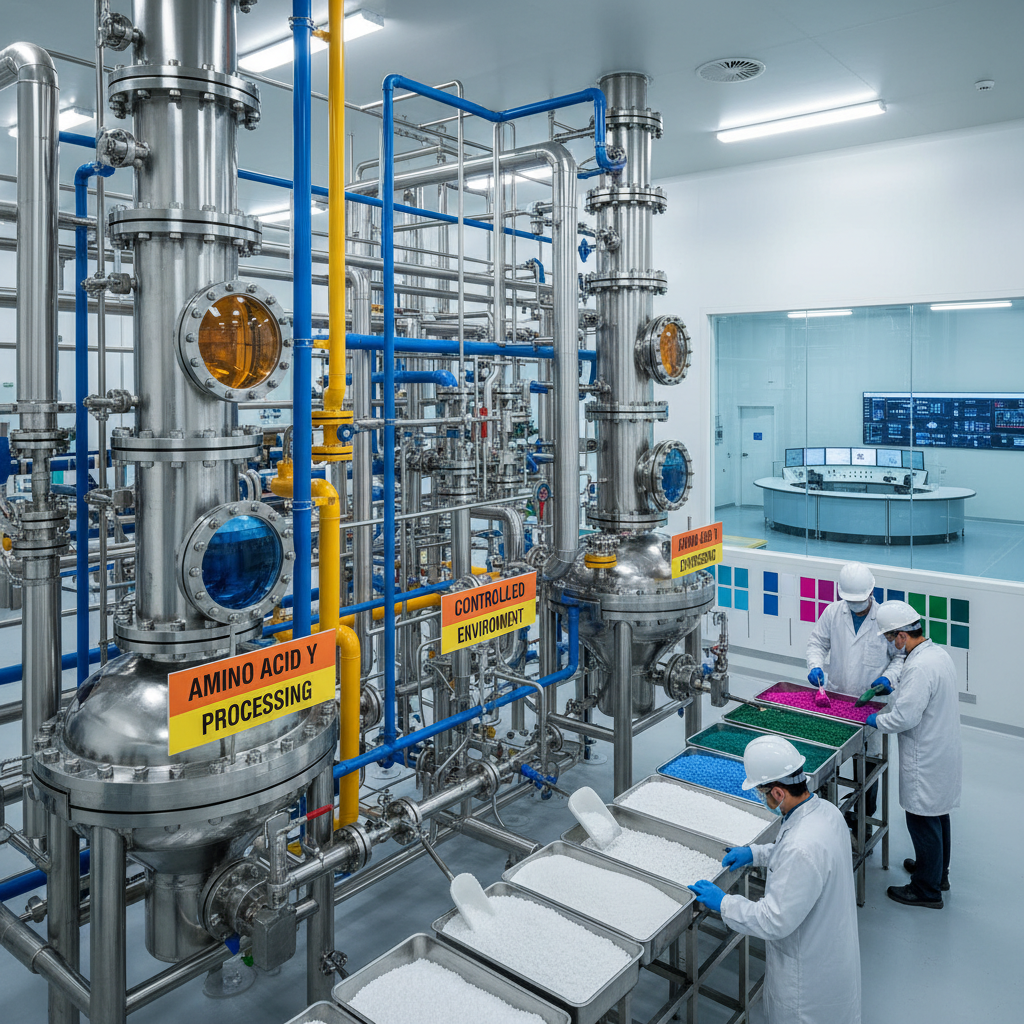
In the competitive landscape of modern livestock and aquaculture production, the quest for optimized metabolic efficiency has led to the integration of advanced nutritional enhancers. The concept of essential amino energy focuses on the synergistic relationship between amino acid derivatives and cellular energy production, ensuring that animals can convert feed into lean muscle and energy more effectively. By targeting the mitochondrial level, these specialized additives transform how fatty acids are utilized, reducing waste and improving overall vitality.
Globally, the livestock industry faces the dual challenge of increasing protein demand and the need for sustainable farming practices. This is where the strategic application of essential amino energy becomes critical; by enhancing the oxidation of fats, producers can reduce the reliance on glycogen and lower the feed conversion ratio (FCR). This metabolic shift not only supports faster growth rates but also ensures that the animal's physiological stress is minimized during rapid development phases.
Understanding the biochemical pathways of L-Carnitine—the core component of this nutritional strategy—reveals its role as a vital transporter. By facilitating the movement of long-chain fatty acids across cell membranes into the mitochondria, it unlocks a potent source of essential amino energy. This process is fundamental for maintaining lipid metabolic balance and enhancing the stamina of livestock, making it an indispensable tool for high-yield agricultural enterprises worldwide.
Global Relevance of Mitochondrial Energy Optimization
The global agricultural sector is under immense pressure to optimize food security while adhering to strict environmental regulations. The integration of essential amino energy through L-Carnitine supplementation addresses the inefficiency of traditional feed, where a significant percentage of nutrients are wasted. By enhancing the β-oxidation of fatty acids, producers can ensure that animals achieve their genetic growth potential with fewer resources.
In regions with intensive farming, such as Southeast Asia and North America, the challenge of "metabolic fatigue" in high-yield breeds often leads to increased mortality and slower growth. Utilizing precision-controlled purification processes to provide high-purity L-Carnitine allows for a targeted increase in essential amino energy, which alleviates stress and accelerates recovery, ensuring a more resilient livestock population.
Defining Essential Amino Energy in Feed Science
In technical terms, essential amino energy refers to the metabolic capacity provided by amino acid-derived compounds to facilitate ATP production via the oxidation of lipids. While not a "fuel" in the traditional sense, it acts as the key that unlocks the energy stored in long-chain fatty acids. L-Carnitine, with its chemical formula C₇H₁₅NO₃, serves as the primary agent in this process, acting as an inner salt that transports fatty acids into the mitochondrial matrix.
Modern industry requires a transition from simple caloric intake to "intelligent nutrition." This means providing the body with the tools necessary to regulate the acyl-CoA/CoA ratio. When this ratio is balanced, the animal can switch seamlessly between glucose and fat for energy, which is the essence of maximizing essential amino energy. This prevents the accumulation of toxic lipid intermediates and supports overall cellular health.
For the feed manufacturer, this definition translates into a product that must meet rigorous standards, such as the GB 34461-2017 National Standard. High purity (≥98%) ensures that the physiological activity is maximized, allowing the nutritional enhancer to function efficiently as a carrier, thereby reducing the metabolic burden on the animal and increasing the availability of energy for growth and reproduction.
Core Components of Lipid Transport Systems
The primary mechanism of essential amino energy mobilization is the transport of long-chain fatty acids. Without a sufficient carrier, these fats remain in the cytoplasm, unable to be oxidized. L-Carnitine binds to these acids, allowing them to cross the inner mitochondrial membrane, which is the rate-limiting step in fat catabolism.
Precision-controlled purification is the secret to enhancing this system. By ensuring a strict specific rotation of -29~-32° and a controlled pH of 6.5~8.5, the resulting product maximizes the bioavailability of essential amino energy, ensuring that the transporter remains stable and active within the harsh environment of the digestive tract.
Furthermore, the regulation of the acyl-CoA/CoA ratio is fundamental. When the transport system is optimized, the oxidation rate of fats increases, which prevents the depletion of glycogen. This preservation of glycogen stores allows animals to maintain higher levels of stamina and recover faster from the stress of transport or weaning, effectively stabilizing the animal's essential amino energy levels.
Performance Metrics of Fatty Acid Oxidation
Evaluating the effectiveness of essential amino energy requires looking at the Feed Conversion Ratio (FCR) and reproductive performance. In male livestock, the optimization of lipid metabolism is directly linked to improved reproductive vitality. By reducing the accumulation of fats in non-target tissues and directing them toward energy production, the physiological health of the animal is significantly enhanced.
In aquatic species, the impact is even more pronounced. The ability to utilize fats for energy during rapid growth phases reduces the need for high-protein diets that can be costly and environmentally damaging. The resulting increase in essential amino energy allows fish to grow faster while maintaining a lean, healthy profile.
Comparative Efficiency of Essential Amino Energy Methods
Multi-Species Applications in Animal Husbandry
The application of essential amino energy varies by species to meet specific physiological needs. For swine, the recommended addition level of 30-500 mg/kg feed is designed to support rapid lean muscle growth and reduce the stress associated with confinement. By promoting fat catabolism, swine producers can achieve better carcass quality and reduced fat thickness.
In poultry, the dosage ranges from 50-150 mg/kg to alleviate the high metabolic stress of fast-growing broilers. This ensures that the birds maintain strong stamina and a healthy immune system. For aquaculture, a dosage of 5-100 mg/kg is sufficient to significantly boost growth rates and lower the FCR, proving that essential amino energy is a versatile tool across diverse biological systems.
Long-Term Value of Metabolic Balance
Investing in high-quality metabolic enhancers provides long-term economic value by stabilizing the production cycle. When animals have access to consistent essential amino energy, they are less prone to metabolic crashes and fatigue-induced illnesses. This reliability translates into lower veterinary costs and more predictable harvest timelines.
From a sustainability perspective, the ability to reduce feed consumption while maintaining growth is a major win. Lowering the FCR means fewer resources are required to produce the same amount of protein, reducing the carbon footprint of the farm. The logical outcome of prioritizing essential amino energy is a more efficient, ethical, and profitable agricultural model.
Ultimately, the trust built through using products that comply with national standards like GB 34461-2017 ensures consumer safety. By removing heavy metals (Pb ≤10 ppm) and arsenic (As ≤2 ppm), the industry ensures that the pursuit of essential amino energy does not come at the cost of food purity, reinforcing the bridge between industrial efficiency and public health.
Future Trends in Bio-Chemical Feed Additives
The future of essential amino energy lies in the intersection of biotechnology and precision nutrition. We are moving toward "smart additives" that can be released in a time-controlled manner within the digestive tract, maximizing the absorption of L-Carnitine and reducing waste. Digital transformation in feed milling will allow for real-time dosage adjustments based on the animal's current growth stage and environmental stress levels.
Green chemistry is also playing a pivotal role. New refining processes are reducing the chemical footprint of producing high-purity powders, ensuring that the creation of essential amino energy is as sustainable as its application. The focus is shifting toward maximizing physiological activity while minimizing the environmental impact of the manufacturing process.
As automation and AI-driven livestock monitoring become standard, the demand for precise nutritional tools will grow. The ability to modulate the oxidation rate of fats through targeted essential amino energy will be key to managing the health of ultra-high-yield breeds, ensuring that growth does not outpace the animal's biological capacity to recover and thrive.
Analysis of L-Carnitine Performance across Animal Species
| Animal Species |
Recommended Dosage (mg/kg) |
Primary Metabolic Benefit |
FCR Improvement Score (1-10) |
| Swine |
30 - 500 |
Lean Muscle Growth |
8.5 |
| Poultry (Broiler) |
50 - 150 |
Stress Reduction |
7.8 |
| Fish (Carnivore) |
5 - 100 |
Growth Rate Acceleration |
9.2 |
| Fish (Herbivore) |
5 - 50 |
Lipid Balance |
7.0 |
| Male Breeding Stock |
100 - 300 |
Reproductive Performance |
8.9 |
| Aquatic Shrimp |
10 - 50 |
Fatigue Recovery |
6.5 |
FAQS
L-Carnitine acts as a critical transporter that carries long-chain fatty acids across the cell membrane into the mitochondria. Once inside, these fats undergo β-oxidation to produce ATP. By facilitating this process, L-Carnitine ensures a steady supply of essential amino energy, reducing the animal's reliance on glucose and preventing glycogen depletion during high-stress periods.
By optimizing the oxidation of fats, the animal can derive more energy from the same amount of feed. This efficiency reduces the overall quantity of feed required to reach a target weight, thereby lowering the FCR. In aquatic animals, specifically, this manifests as faster growth rates and a leaner body composition, significantly increasing the economic yield per ton of feed.
Yes, particularly in male livestock and poultry. By regulating the acyl-CoA/CoA ratio and promoting a balanced lipid metabolism, it improves the physiological condition of reproductive organs and enhances sperm quality. This ensures better reproductive performance and higher fertilization rates in breeding populations.
Our L-Carnitine strictly complies with the GB 34461-2017 "National Standard for Feed Additive L-Carnitine." It undergoes precision-controlled purification to ensure heavy metal contaminants like Lead (Pb) are ≤10 ppm and Total Arsenic (As) is ≤2 ppm, making it safe for long-term use in the food chain.
Stress typically leads to rapid glycogen depletion and the accumulation of lactic acid. By enhancing the rate of fat oxidation, L-Carnitine provides an alternative energy pathway, alleviating metabolic stress and accelerating the recovery of muscle tissues. This is particularly beneficial during weaning in piglets or transport of adult poultry.
The 98% purity grade offers superior physiological activity and is ideal for precision feeding where exact dosages are required to maximize essential amino energy. The 50% grade is a more cost-effective option for general maintenance. Both maintain strict pH and purity standards, but the high-purity version provides more potent results in terms of FCR reduction and growth acceleration.
Conclusion
The strategic integration of essential amino energy via high-purity L-Carnitine represents a paradigm shift in animal nutrition. By focusing on the mitochondrial transport of fatty acids and the balance of the acyl-CoA/CoA ratio, producers can unlock unprecedented levels of metabolic efficiency. From reducing the FCR in aquaculture to enhancing reproductive performance in livestock, the benefits of this biochemical approach are both tangible and sustainable, ensuring that animals thrive under the pressures of modern production.
Looking ahead, the synergy between precision biotechnology and animal husbandry will only deepen. As the industry moves toward greener and more efficient protein production, the role of specialized amino acid derivatives will be central to overcoming biological bottlenecks. We recommend that producers adopt high-purity, standardized additives to ensure maximum bioavailability and safety. For more information on optimizing your feed formulas, visit our website: www.hbfuyangbio.com