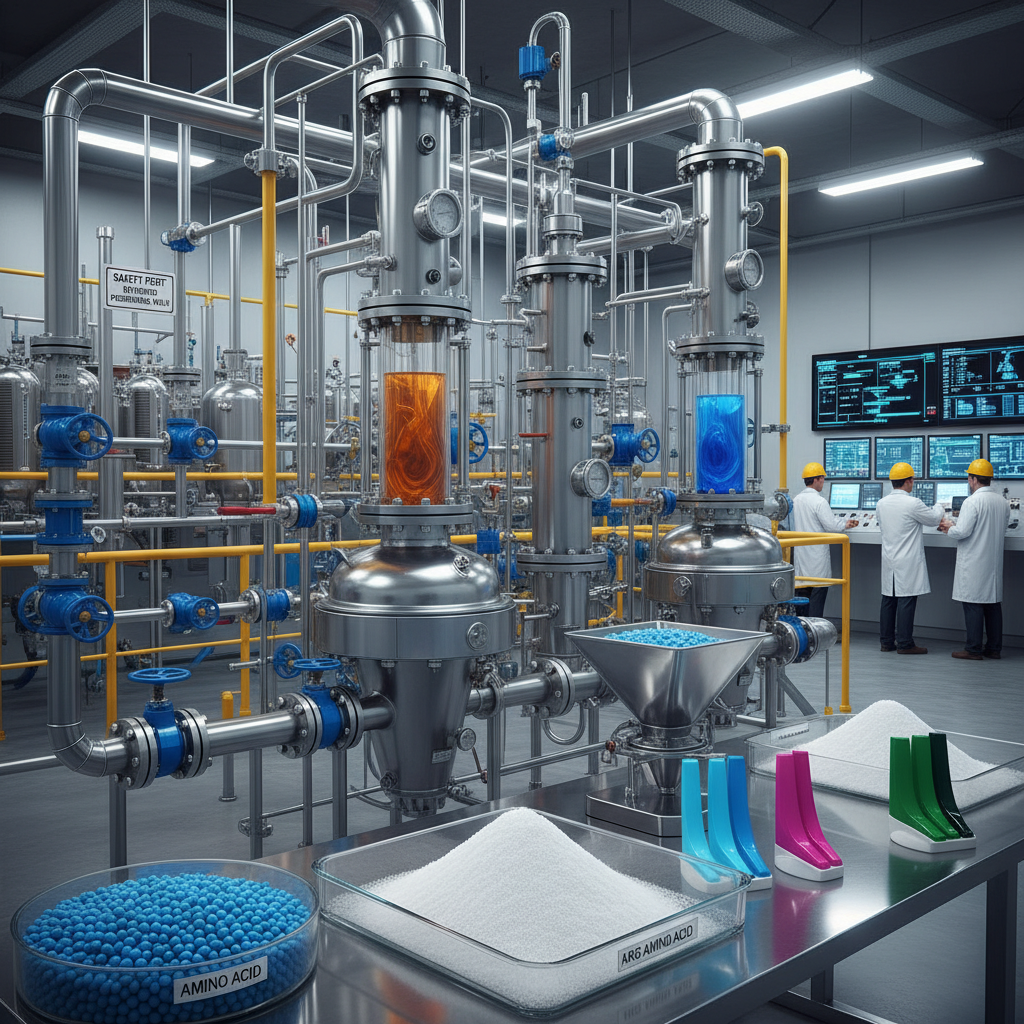
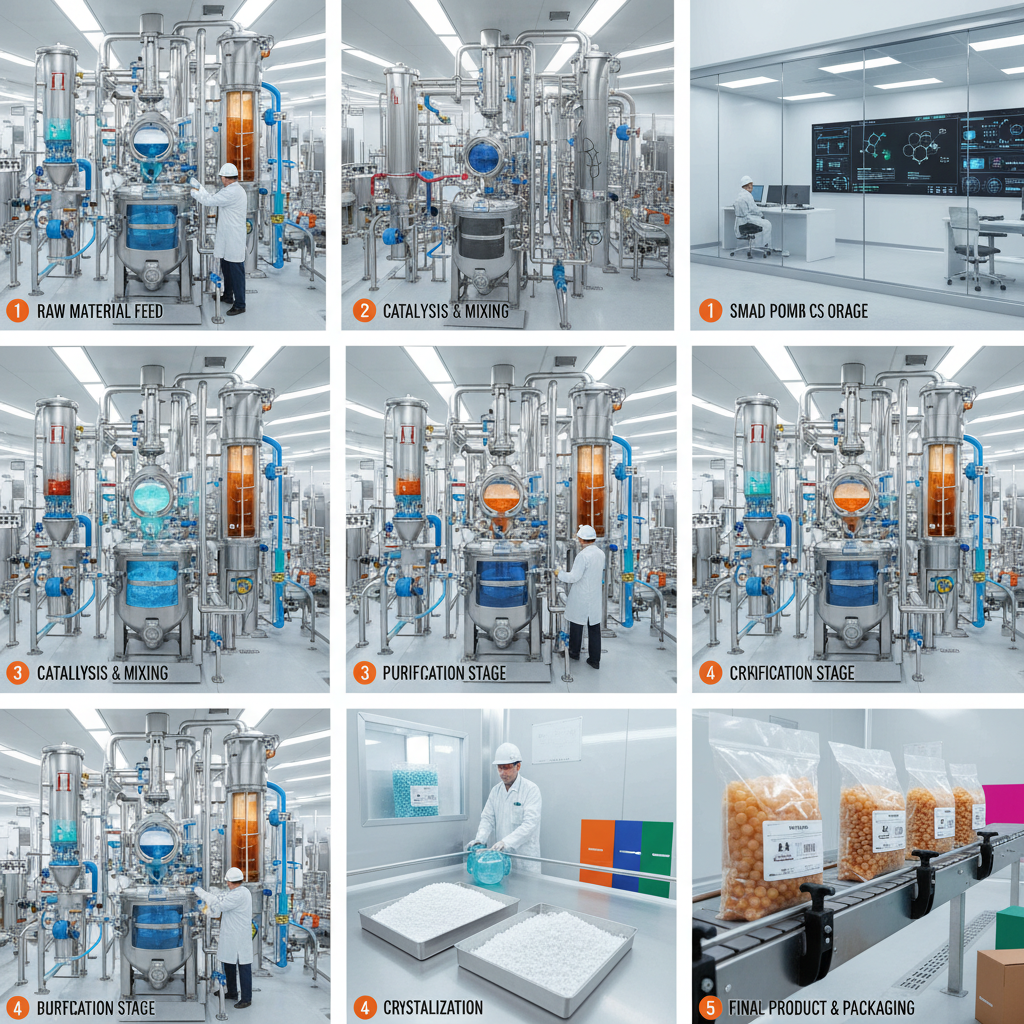
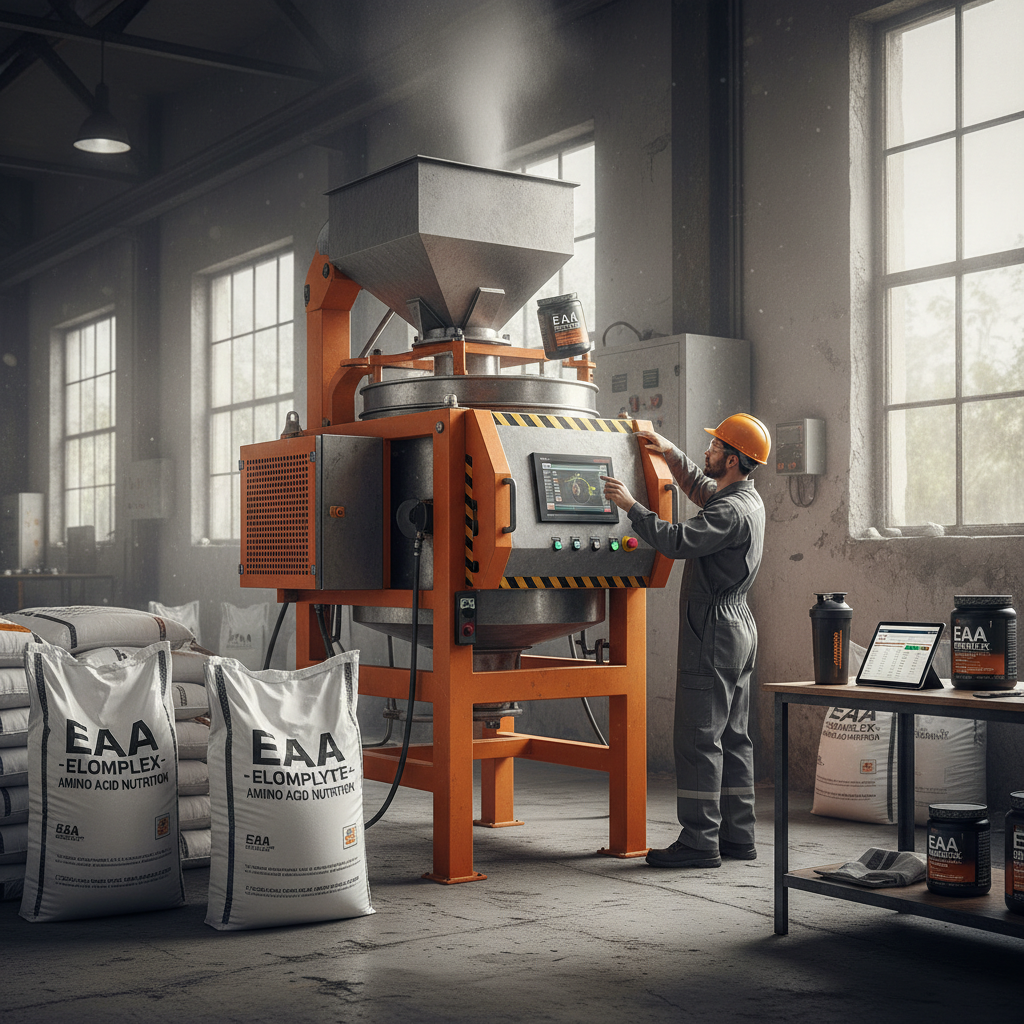
The pursuit of sustainable agricultural productivity and animal health has led to a significant increase in the utilization of a high-performance amino acid complex. By integrating essential building blocks like Glycine, these complexes provide the necessary precursors for protein synthesis, metabolic regulation, and stress resistance across various biological systems. Understanding the synergy within these complexes is key to optimizing yields and health outcomes globally.
From a global industrial perspective, the demand for specialized amino acid formulations is driven by the need for efficient feed conversion ratios in livestock and the reduction of chemical footprints in crop protection. A well-formulated amino acid complex acts as more than just a nutrient; it serves as a biochemical tool to enhance the resilience of organisms against abiotic stress and infectious diseases.
This comprehensive guide explores the multifaceted roles of Glycine as a primary component of an amino acid complex, detailing its chemical properties and its transformative impact on medical science, food processing, animal husbandry, and modern agriculture.
Chemical Foundations of Glycine in Amino Acid Complexes
Glycine (CAS No. 56-40-6) serves as a cornerstone in any professional amino acid complex due to its unique simple structure (C2H5NO2). As a white to off-white crystalline powder that is odorless and non-toxic, it possesses a relative density of 1.16 g/cm³ and a melting point between 232-236°C. Its high solubility in water and acidic aqueous nature make it an ideal candidate for liquid formulations in both agricultural and medical settings.
The chemical versatility of Glycine stems from its amphoteric structure, containing both amino and carboxyl groups. This allows it to function as an effective chelating agent, binding metal ions such as iron and zinc. This specific property is what makes an amino acid complex featuring glycine so effective at increasing the bioavailability of micronutrients in soil and animal digestive tracts.
Therapeutic Applications in Medical Science
In the medical field, Glycine is utilized as a critical inhibitory neurotransmitter within the central nervous system. By binding to specific receptors, it regulates neuronal excitability, offering adjunctive therapeutic pathways for treating anxiety and epilepsy. Furthermore, its ability to promote the synthesis of GABA helps improve sleep quality and alleviate insomnia, positioning it as a vital component in neurological health complexes.
Beyond the brain, this amino acid is essential for hepatic protection and systemic detoxification. It participates actively in glutathione synthesis and bilirubin metabolism, which accelerates the removal of alcohol and drug toxins from the liver. This antioxidant capacity is crucial in slowing the progression of chronic liver injuries, such as fatty liver disease, by strengthening the protective barriers of hepatocytes.
Additionally, as a primary building block for collagen and elastin, Glycine is indispensable for tissue repair and wound healing. It supports muscle energy supply by providing the raw materials necessary for creatine synthesis, which reduces post-exercise fatigue. In specialized medical applications, it even serves as a chelating agent for treating heavy metal poisoning, demonstrating its versatility in life-saving interventions.
Optimizing Food Processing and Preservation
The integration of an amino acid complex into food processing primarily targets flavor optimization. Glycine possesses a sweetness level approximately 80% that of sucrose, making it an excellent alternative for low-sugar beverages and biscuits. It effectively balances overly salty or sour tastes in pickled vegetables and fruit juices, enhancing the overall umami and richness of seasonings like soy sauce.
Preservation is another critical advantage; Glycine suppresses the growth of microorganisms such as Bacillus subtilis and Escherichia coli, significantly extending the shelf life of fish paste and peanut butter. By chelating metal ions, it also delays lipid oxidation, which can extend the preservation of butter and margarine by three to four times, ensuring that the amino acid complex contributes to both safety and longevity.
Furthermore, Glycine acts as a pH buffer and an antioxidant, preventing the discoloration of instant noodles and other processed foods. It stabilizes Vitamin C during processing and prevents oil separation in lard, maintaining the structural integrity of the product. When used to fortify plant-based beverages, it optimizes the amino acid profile, boosting the overall nutritional value for the consumer.
Enhancing Animal Growth and Feed Efficiency
In animal husbandry, a tailored amino acid complex is essential for maximizing muscle growth and weight gain efficiency. Glycine serves as a raw material for protein synthesis and helps regulate intestinal microbiota, which boosts the absorption of nutrients and reduces the feed-to-meat ratio. This is particularly critical in young livestock rearing, where endogenous synthesis may be insufficient.
Beyond growth, Glycine strengthens the immune system by promoting the synthesis of glutathione, reducing oxidative stress caused by free radicals. This allows animals to maintain physiological homeostasis under environmental pressures, such as high-density farming or extreme temperatures. In aquaculture, Glycine supplementation is known to improve disease resistance in shrimp and fish while reducing ammonia excretion to improve water quality.
Efficacy Rating of Amino Acid Complex Formulations
Industrial Utility and Herbicide Synthesis
The industrial application of Glycine is dominated by its role as the primary raw material for the production of glyphosate, a highly effective global herbicide. Approximately 80% of pesticide-related glycine usage is dedicated to this synthesis, making it a critical component of the global agricultural chemical supply chain. This highlights the scale at which an amino acid complex can impact world food security through weed control.
Outside of herbicides, Glycine is utilized in the synthesis of pyrethroid insecticides and iprodione fungicides. Its chemical properties also make it a valuable additive in electroplating solutions and as a pH regulator in various industrial chemical processes. The ability to maintain precise acidity and stability in these reactions underscores the technical importance of high-purity glycine.
Agricultural Roles in Plant Growth and Stress
In crop science, the application of a Glycine-based amino acid complex acts as a precursor for growth hormones, enhancing plant height, stem thickness, and leaf area. For instance, soil application at 10 mg/L has been shown to significantly increase the root length and dry weight of pak choi, demonstrating a direct correlation between amino acid supplementation and biomass increase.
Stress resilience is perhaps the most vital agricultural benefit. Under conditions of drought, salinity, or temperature extremes, Glycine reduces electrolyte leakage in leaves and maintains chlorophyll levels. This osmoprotective role ensures that crops like wheat can maintain photosynthetic activity even in salt-stressed environments, effectively restoring physiological balance and preventing crop failure.
Furthermore, Glycine improves the nutritional quality of the final harvest by increasing the content of proteins and vitamins in leafy greens. By chelating metal ions in the soil, it releases trapped nutrients, improving the efficiency of conventional fertilizers. Pre-flowering applications also enhance pollen viability and fruit development, directly boosting the overall yield and sensory traits of the produce.
Future Trends in Specialized Amino Acid Formulations
The future of the amino acid complex is moving toward precision nutrition and "green" synthesis. As the industry shifts away from harsh chemicals, the development of bio-based amino acids that can be absorbed more efficiently by plants and animals is becoming a priority. Digital transformation in agriculture will likely lead to real-time dosing of amino acid complexes based on sensor data from the field.
Sustainability will play a major role, with a focus on reducing the environmental impact of glyphosate production while maintaining its efficacy. We expect to see a rise in synergistic complexes that combine Glycine with other specialty amino acids to create "smart" fertilizers that only release nutrients in response to specific plant stress signals.
Moreover, the integration of amino acids into nano-encapsulation technology will allow for targeted delivery, reducing waste and preventing nutrient leaching into groundwater. This evolution will transform the amino acid complex from a bulk additive into a high-precision biochemical tool.
Comparative Analysis of Amino Acid Complex Application Dimensions
| Application Sector |
Primary Function |
Efficacy Score (1-10) |
Key Benefit |
| Animal Feed |
Protein Synthesis |
9.5 |
Improved FCR |
| Agriculture |
Abiotic Stress Relief |
8.8 |
Drought Resistance |
| Food Industry |
Flavor Enhancement |
8.2 |
Umami Optimization |
| Medical |
Neuroregulation |
9.0 |
Anxiety Reduction |
| Industrial |
Chemical Precursor |
9.8 |
Glyphosate Yield |
| Aquaculture |
Water Quality |
7.5 |
Reduced Ammonia |
FAQS
A simple amino acid is a single molecule, whereas an amino acid complex typically refers to a formulated mixture of multiple amino acids or a chelated form. For example, adding Glycine to a complex allows it to bind with minerals, creating a "chelate" that is far more easily absorbed by plants and animals than the mineral alone.
Glycine acts as an osmoprotectant. It helps the plant cells maintain water balance by regulating osmotic pressure and reducing the leakage of electrolytes from leaf membranes. This prevents the breakdown of chlorophyll and allows the plant to continue photosynthesis even under significant water stress.
Yes, Glycine specifically enhances the "umami" or savory profile of foods. It is used in soy sauce and pickled vegetables to create a mellower, richer flavor. Additionally, it provides a mild sweetness (about 80% of sucrose) without the rapid blood sugar spikes associated with traditional sugars.
Absolutely. Glycine is a non-toxic amino acid. In young, fast-growing livestock, endogenous synthesis is often unable to keep up with the demand for rapid tissue growth. Supplementing with an amino acid complex provides the necessary raw materials for protein synthesis and immune support.
Glycine is the fundamental chemical precursor for glyphosate. Through a specific synthesis process, the structure of glycine is modified to create the active ingredient in one of the world's most widely used herbicides, making it indispensable for large-scale industrial farming.
Glycine is a key participant in the synthesis of glutathione, the body's master antioxidant. It also helps in the conjugation and excretion of bilirubin and other toxins. By strengthening the hepatocyte's antioxidant capacity, it reduces the burden on the liver during the metabolism of alcohol and drugs.
Conclusion
The versatile application of the amino acid complex, centered around the chemical efficacy of Glycine, underscores its importance across diverse sectors. From enhancing the cognitive and hepatic health of humans to boosting the growth rates of livestock and the resilience of global crops, Glycine provides a foundational biochemical advantage. Its ability to act as a neurotransmitter, a flavor enhancer, a chelating agent, and an industrial precursor makes it one of the most valuable tools in modern biochemistry.
Looking forward, the transition toward precision agriculture and sustainable animal nutrition will only increase the reliance on high-purity amino acid formulations. By adopting these complexes, producers can reduce environmental waste while maximizing biological output. We encourage industry professionals to explore the potential of these formulations to drive innovation and efficiency. Visit our website: www.hbfuyangbio.com