Navigating the Market for High-Purity Glycine
Glycine, the simplest of all amino acids, plays an indispensable role across a multitude of industries, from pharmaceuticals and food & beverage to animal nutrition and specialized chemical synthesis. Its unique molecular structure, featuring a single hydrogen atom as its side chain, contributes to its remarkable versatility and wide-ranging applications. As industrial demand for high-purity amino acids continues its upward trajectory, the market for glycine for sale is experiencing robust growth.
Current Industry Trends and Market Drivers
The global glycine market is characterized by steady expansion, driven primarily by increasing consumption in the food and beverage sector for flavor enhancement and preservation, the pharmaceutical industry for active pharmaceutical ingredients (APIs) and excipients, and the animal feed industry for nutritional supplementation. Projections indicate continued growth, fueled by rising health consciousness among consumers, leading to increased demand for dietary supplements, and the ongoing emphasis on animal welfare and productivity in agriculture. The Asia-Pacific region, in particular, is a significant growth engine due to rapid industrialization and expanding manufacturing capabilities.
- Food & Beverage: Glycine acts as a sweetness regulator, flavor enhancer, and a mild preservative in various food products, contributing to its high demand.
- Pharmaceuticals: Utilized in drug formulations, parenteral nutrition, and as a raw material for various drug syntheses, underscoring the need for ultra-high purity grades.
- Animal Feed: As a crucial component in animal nutrition, especially in poultry and swine feeds, it supports growth and improves feed conversion ratios.
- Chemical Industry: Serves as an intermediate in the synthesis of herbicides (e.g., glyphosate), pesticides, and other specialty chemicals.
Understanding these trends is crucial for businesses seeking reliable and high-quality sources of glycine, ensuring their supply chain remains robust and competitive.
The Advanced Manufacturing Process of Glycine
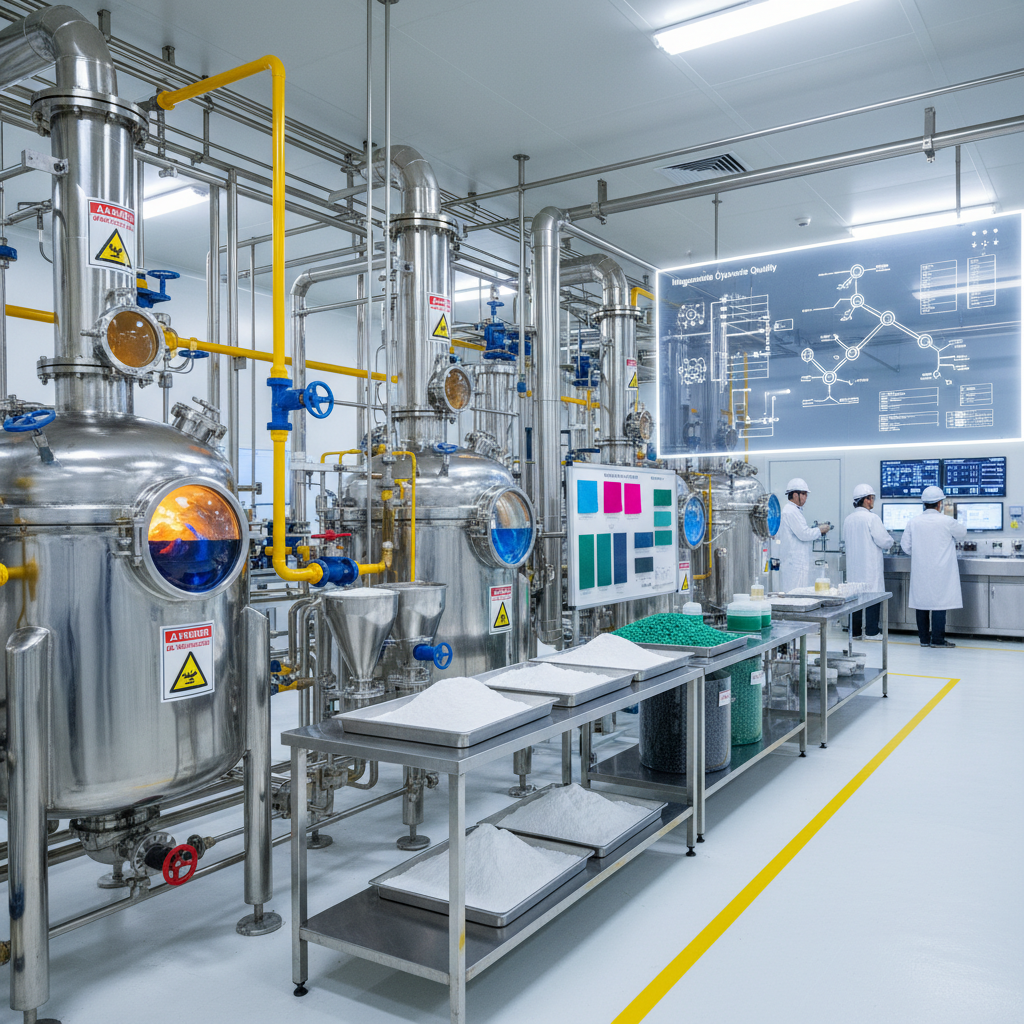
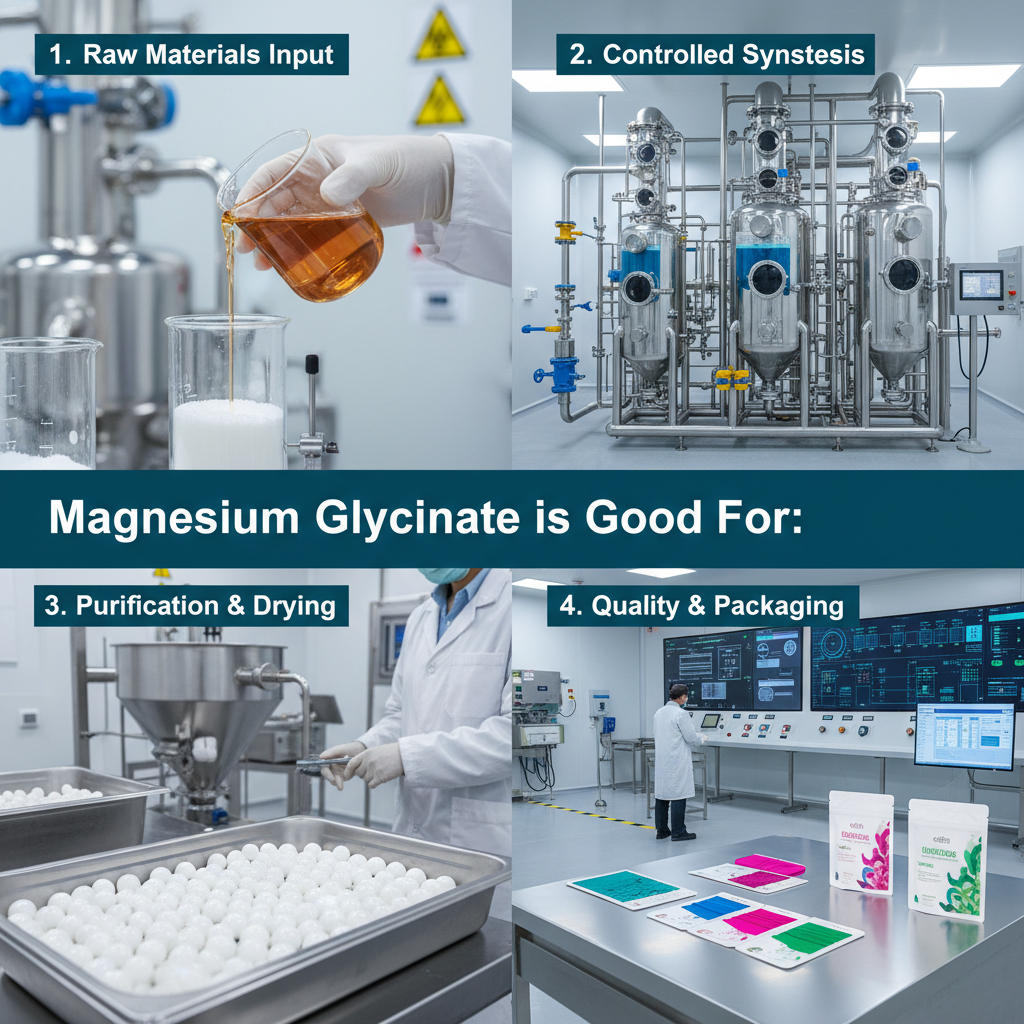
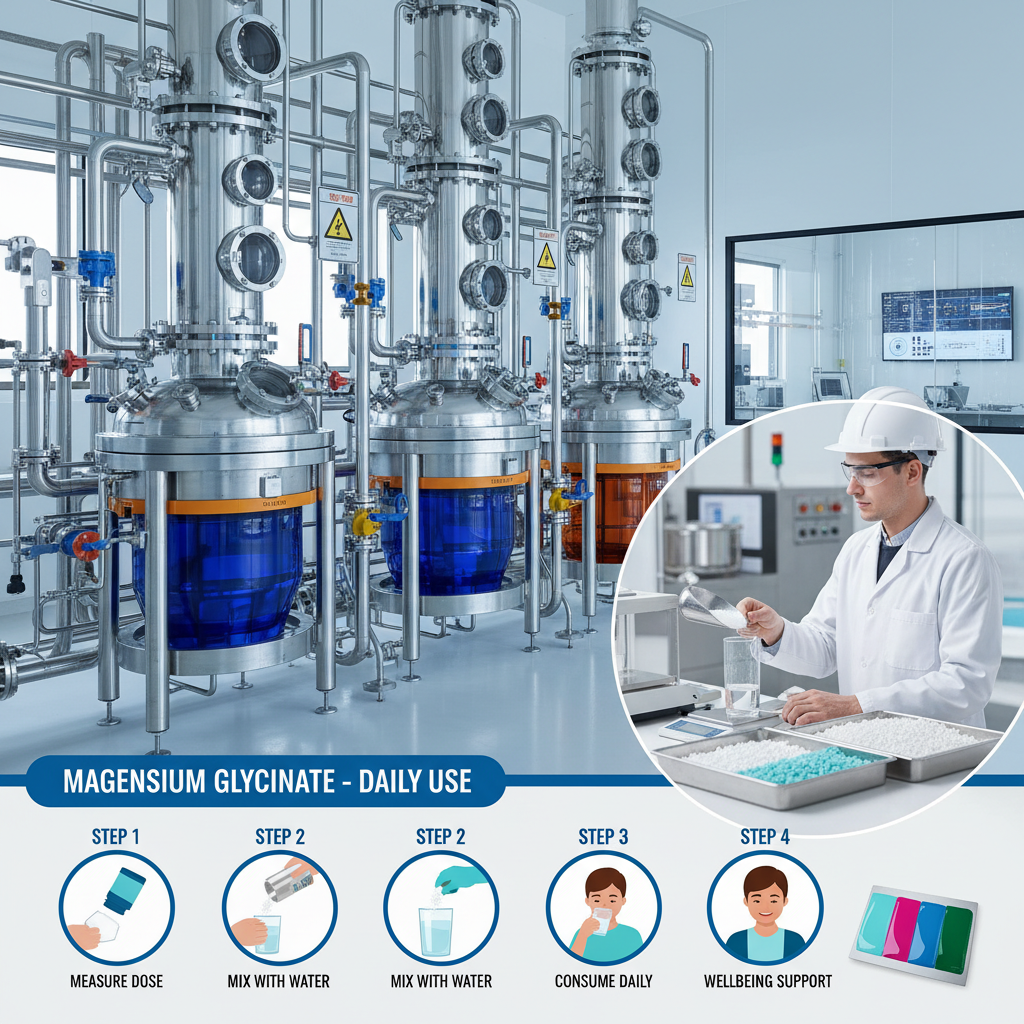
The production of high-purity glycine involves sophisticated chemical synthesis pathways designed to yield products meeting stringent industrial standards. Two primary methods dominate large-scale industrial production: the Strecker synthesis and the ammonolysis of chloroacetic acid. Our manufacturing process prioritizes efficiency, purity, and environmental responsibility.
Detailed Process Flow: Ammonolysis of Chloroacetic Acid
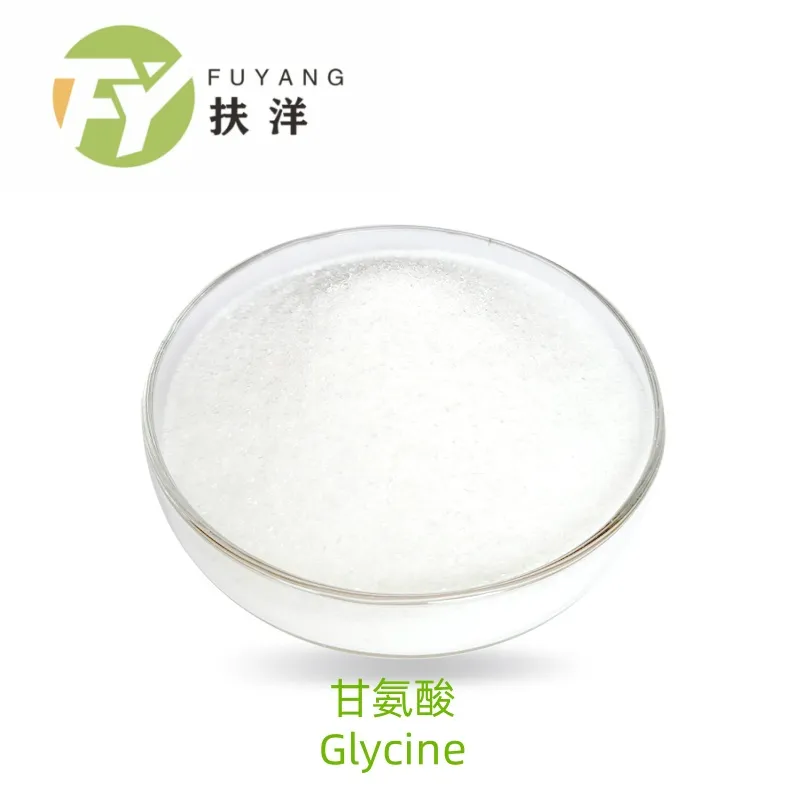
Image: A representation of high-quality glycine for sale, ready for diverse industrial applications.
- Raw Material Sourcing: The primary raw material is monochloroacetic acid (MCA), which is typically synthesized from acetic acid. Ammonia is also a key reactant. Rigorous quality control checks are performed on all incoming materials to ensure they meet specified purity levels.
-
Ammonolysis Reaction: MCA is reacted with an excess of ammonia under controlled temperature and pressure conditions. This reaction typically takes place in a series of agitated reactors. The reaction product is a mixture containing glycine, ammonium chloride, and unreacted ammonia.
Chemical Equation: ClCH₂COOH + 2NH₃ → H₂NCH₂COOH + NH₄Cl
- Neutralization and Filtration: The reaction mixture is then neutralized to adjust the pH, often using calcium hydroxide, which helps to precipitate calcium chloride. Subsequent filtration steps remove solid impurities, including calcium chloride and other by-products.
- Concentration and Crystallization: The filtered solution, rich in glycine, is concentrated through evaporation. As the solution becomes saturated, glycine begins to crystallize. Controlled cooling and seeding techniques are employed to optimize crystal size and purity.
- Separation and Washing: The glycine crystals are then separated from the mother liquor using centrifuges. The separated crystals undergo multiple washing cycles with deionized water to remove residual impurities and achieve the desired purity level for various grades of glycine.
- Drying and Sifting: The washed crystals are then dried in fluidized bed dryers or vacuum dryers to reduce moisture content to specified limits. After drying, the product is sifted to achieve uniform particle size distribution, essential for specific industrial applications.
- Quality Control and Packaging: Every batch undergoes rigorous quality control testing in our state-of-the-art laboratory. This includes tests for purity (HPLC), heavy metals, pH, loss on drying, and microbiological contaminants. Once approved, the finished wholesale glycine powder is packaged in multi-ply paper bags with inner polyethylene liners or super sacks, adhering to strict food-grade or pharmaceutical-grade packaging standards.
Testing Standards and Quality Assurance
Our manufacturing processes and products conform to international quality and safety standards, including ISO 9001:2015 for quality management systems. For specific grades, we adhere to USP (United States Pharmacopeia), FCC (Food Chemicals Codex), EP (European Pharmacopoeia), and JP (Japanese Pharmacopoeia) standards, ensuring that our glycine for sale meets the highest global benchmarks. Each batch is accompanied by a Certificate of Analysis (CoA) detailing compliance with these specifications.
- ISO 9001:2015: Certified for quality management systems.
- HACCP & FSSC 22000: Food safety management systems for food-grade glycine.
- GMP: Good Manufacturing Practices for pharmaceutical-grade applications.
- KOSHER & HALAL: Certifications for dietary compliance.
Technical Specifications & Glycine Types
Understanding the precise technical specifications is paramount when sourcing glycine for sale, as different applications demand varying levels of purity and specific physical characteristics. We offer a comprehensive range of glycine types tailored to diverse industry requirements.
Typical Product Specification Table (Food/Pharma Grade)
| Parameter | Specification (USP/FCC) | Test Method |
|---|---|---|
| Assay (on dried basis) | 98.5% ~ 101.5% | Titrimetry / HPLC |
| Appearance | White crystalline powder | Visual |
| Identification | Conforms | USP/FCC Monograph |
| pH (2.5% solution) | 5.9 ~ 6.4 | Potentiometric |
| Loss on Drying | ≤ 0.20% | Drying oven |
| Residue on Ignition | ≤ 0.1% | Gravimetric |
| Heavy Metals (as Pb) | ≤ 10 ppm | AAS/ICP-OES |
| Chloride (as Cl) | ≤ 0.007% | Titrimetry |
| Sulfate (as SO₄) | ≤ 0.006% | Turbidimetric |
| Related Substances (Individual) | ≤ 0.05% | HPLC |
| Particle Size Distribution | Customizable (e.g., 20-80 mesh) | Sieve Analysis |
These specifications highlight our commitment to delivering only the highest quality glycine, ensuring compliance with global regulatory requirements.
Versatile Application Scenarios & Target Industries
The inherent properties of glycine—its amphoteric nature, non-essential amino acid status, and small molecular size—make it exceptionally versatile, finding critical roles in numerous industries globally. This broad utility drives consistent demand for high-quality glycine for sale across diverse sectors.
-
Food & Beverage Industry
Glycine serves as an effective flavor enhancer, often used in combination with monosodium glutamate (MSG) or in low-sodium formulations to boost umami taste. It is also used as a sweetness regulator in artificial sweeteners, a buffer in soft drinks, and a preservative to inhibit bacterial growth in certain food products. Its antioxidant properties contribute to extending shelf life and maintaining product quality.
-
Pharmaceutical & Nutraceutical Industry
In pharmaceuticals, glycine is employed as an API in various drug formulations, including antacids and solutions for parenteral nutrition. It acts as an excipient, a buffering agent in injections, and a bulking agent for lyophilized products. In nutraceuticals, it's a popular ingredient in dietary supplements for supporting sleep, collagen synthesis, and muscle repair, appealing to a health-conscious consumer base.
-
Animal Nutrition Industry
As a critical non-essential amino acid, glycine plays a vital role in animal feed, particularly for poultry, swine, and aquaculture. It is crucial for protein synthesis, creatine formation, and uric acid synthesis in birds. Supplementing feed with high-purity glycine improves feed conversion ratios, promotes healthy growth, and enhances overall animal performance, reducing reliance on more expensive protein sources.
-
Chemical & Industrial Applications
Glycine is a valuable intermediate in the chemical industry. It is a key raw material for the production of herbicides like glyphosate, metal chelates, and as an additive in electroplating baths. In certain specialized applications, its buffering capacity and complexing abilities are leveraged for precise chemical reactions.
Our deep understanding of these application nuances allows us to provide targeted advice and supply the most suitable grades of glycine, ensuring optimal performance for our clients.
Technical Advantages of Our Glycine Products
When selecting a supplier for glycine for sale, the technical advantages of the product are paramount. Our commitment to advanced manufacturing techniques and stringent quality control translates into superior product performance and reliability for our B2B partners.
-
Unmatched Purity and Consistency
Through meticulous process control and advanced purification steps, we consistently achieve purity levels exceeding 99.0%, often reaching 99.5% or higher, depending on the grade. This high purity minimizes impurities that could affect final product quality or reaction efficiency in downstream applications. Our sophisticated analytical methods, including High-Performance Liquid Chromatography (HPLC) and Inductively Coupled Plasma – Optical Emission Spectrometry (ICP-OES) for trace metals, guarantee batch-to-batch consistency.
-
Optimal Particle Size Distribution
We offer various particle sizes, from fine, micronized powders for enhanced solubility or specific surface area requirements, to coarser granular forms for improved flowability and reduced dusting, customized to meet specific application needs (e.g., 20-80 mesh, 80-120 mesh, 200 mesh).
-
Exceptional Stability and Shelf Life
Our glycine is manufactured and packaged under controlled conditions to ensure excellent chemical stability and an extended shelf life. This minimizes degradation and maintains product integrity over time, providing economic benefits through reduced waste and consistent product efficacy. Typical shelf life is 24 months when stored under recommended conditions.
-
Regulatory Compliance and Certifications
All our glycine products are produced in facilities that adhere to strict international regulatory standards, including ISO, GMP, HACCP, FSSC 22000, Kosher, and Halal certifications. This comprehensive compliance provides our clients with the assurance that our products meet the highest global benchmarks for quality, safety, and traceability, facilitating their own regulatory approvals.
-
Corrosion Resistance and Energy Efficiency (in related applications)
While glycine itself isn't a primary material for structural corrosion resistance, its role as a chelating agent or pH buffer in industrial processes can contribute to optimizing system performance, potentially reducing the need for more corrosive alternatives or improving the efficiency of existing systems by maintaining optimal chemical environments. For example, in certain metal treatment applications, glycine-based solutions can offer more environmentally friendly and less corrosive alternatives compared to strong inorganic acids. Our manufacturing processes are also designed for energy efficiency, utilizing modern equipment and optimized reaction parameters to minimize environmental impact.
These technical advantages underscore our position as a preferred supplier for businesses demanding premium glycine.
Vendor Comparison and Strategic Sourcing
Choosing the right supplier for wholesale glycine powder is a critical strategic decision that impacts product quality, supply chain reliability, and ultimately, your bottom line. A thorough vendor comparison goes beyond price, encompassing quality assurance, technical support, and logistical capabilities.
Key Criteria for Supplier Evaluation
- Product Quality & Purity: Verifiable Certificates of Analysis (CoA) and adherence to international pharmacopeial (USP, EP, FCC) and food safety standards (HACCP, FSSC 22000).
- Manufacturing Standards & Certifications: ISO 9001, GMP, Kosher, Halal compliance demonstrate a commitment to rigorous production processes.
- Supply Chain Reliability: Proven track record of consistent delivery, robust logistics, and ability to handle large volumes for glycine sale.
- Technical Support & R&D: Access to expert technical assistance, capacity for customization, and investment in continuous product improvement.
- Pricing Structure & Payment Terms: Competitive pricing without compromising quality, flexible payment options, and transparent cost breakdowns.
- Customer Service & Responsiveness: Proactive communication, quick resolution of queries, and a dedicated account management team.
Comparison Table: Key Supplier Attributes
| Attribute | Supplier A (Generic) | Supplier B (Generic) | Our Company (HBFuyangBio) |
|---|---|---|---|
| Purity Range | 98.0% - 99.0% | 98.5% - 99.2% | 99.0% - 99.8% (USP/FCC/EP) |
| Certifications | ISO 9001 | ISO 9001, HACCP | ISO 9001, GMP, HACCP, FSSC 22000, Kosher, Halal |
| Customization | Limited | Particle size only | Purity levels, particle size, packaging, specific formulations |
| Lead Time (Standard) | 3-4 weeks | 2-3 weeks | 7-14 days (stock dependent, global shipping) |
| Technical Support | Basic assistance | Email support | Dedicated technical specialists, R&D collaboration |
| Years in Business | 5-10 years | 10-15 years | 20+ years specializing in amino acids |
Our extensive experience, comprehensive certifications, and focus on customer-centric solutions distinguish us in the market for high-quality glycine.
Customized Glycine Solutions
Recognizing that every industrial application has unique demands, we specialize in providing tailored glycine solutions. Our flexibility in production and extensive technical expertise allow us to customize various aspects of our glycine powder to precisely match your operational requirements. This personalized approach is a cornerstone of our commitment to our B2B partners seeking specialized glycine for sale.
Areas of Customization
-
Purity Levels and Grades
While we maintain standard USP, FCC, and EP grades, we can work with clients to achieve specific assay ranges or reduce particular trace impurities to meet highly specialized application needs, for instance, in sensitive biotech or high-tech material synthesis.
-
Particle Size Distribution (PSD)
From fine, micronized powders for enhanced solubility or specific surface area requirements, to coarser granular forms for improved flowability and reduced dusting, our production capabilities allow for precise control over particle size (e.g., 20-80 mesh, 80-120 mesh, 200 mesh).
-
Packaging Options
We offer a variety of packaging solutions, including multi-ply paper bags with inner PE liners (25 kg), super sacks (500 kg, 1000 kg), and customized bulk packaging. Options for inert atmosphere packaging or specific material requirements (e.g., UV-protected bags) can also be arranged to ensure product integrity during transport and storage.
-
Custom Formulations & Blends
For clients requiring glycine as part of a pre-blended mixture or with specific functional additives, we can explore custom formulation services. Our R&D team works closely with clients to develop innovative solutions.
Our dedicated technical sales and R&D teams are available to consult on your specific requirements, ensuring the delivery of a glycine product perfectly suited to your needs.
Application Case Studies: Glycine in Action
Our extensive experience in the production and supply of high-quality glycine is demonstrated through successful partnerships across various industries. These case studies highlight the tangible benefits our products bring to B2B operations.
Case Study 1: Enhancing Bioavailability in Animal Feed
Client: A leading international animal feed manufacturer.
Challenge: The client sought to improve the amino acid profile of their broiler chicken feed, specifically to enhance growth rates and feed conversion efficiency, while maintaining cost-effectiveness. Their existing glycine supplier provided inconsistent purity, leading to variable performance.
Solution: We supplied our high-purity, feed-grade glycine, specifically formulated for optimal particle size distribution (80-120 mesh) to ensure homogeneous mixing within the feed. We provided detailed technical support on optimal inclusion rates and collaborated on pilot studies.
Results: Over a six-month trial period, the client observed a 3.5% improvement in average daily gain (ADG) and a 2% reduction in feed conversion ratio (FCR) in their broiler flocks. The consistent purity of our glycine sale product ensured predictable performance and allowed the client to optimize their feed formulations with greater confidence, leading to significant economic savings and improved animal welfare.
Case Study 2: Achieving Pharmaceutical-Grade Purity for API Synthesis
Client: A global pharmaceutical company specializing in complex API synthesis.
Challenge: The client required ultra-high purity glycine as a critical raw material for the synthesis of a novel API. The presence of even trace impurities or specific heavy metals could compromise the efficacy and safety of their final drug product and lead to regulatory non-compliance. Their previous supplier struggled to consistently meet the rigorous USP and EP specifications.
Solution: We provided our pharmaceutical-grade glycine, manufactured under strict cGMP conditions, with an assay consistently above 99.5% and heavy metal content below 5 ppm. We provided comprehensive documentation, including full analytical data, batch records, and a robust change control process. Our technical team collaborated with the client's quality assurance department for qualification and validation.
Results: The client successfully integrated our glycine for sale into their API synthesis process, achieving consistent yields and meeting all stringent regulatory requirements for their final product. Our reliable supply chain and consistent product quality allowed them to scale up production without interruptions, accelerating their market entry for the new drug.
Case Study 3: Optimizing Flavor Profiles in Food Manufacturing
Client: A large-scale food processor producing savory snacks and ready meals.
Challenge: The client aimed to reduce sodium content in several product lines without compromising taste. They needed a reliable flavor enhancer that could provide a clean umami profile and stability in their complex food matrices.
Solution: We supplied our FCC-grade glycine, known for its mild sweet taste and ability to enhance umami. Our food technologists worked with the client's R&D team to develop optimal blending ratios with other flavor components, providing guidance on solubility and stability in different applications.
Results: By incorporating our glycine, the client successfully reduced sodium by an average of 15% across several product lines while maintaining or even improving consumer taste perception in sensory panels. This enabled them to meet evolving health regulations and consumer demand for healthier food options, strengthening their market position.
Trustworthiness & Support: Your Partner in Glycine Supply
Building lasting B2B relationships requires more than just high-quality products; it demands unwavering trustworthiness, transparent processes, and robust support systems. Our commitment extends beyond providing exceptional glycine for sale to ensuring a seamless and reliable partnership.
Frequently Asked Questions (FAQ)
Q: What is Glycine?
A: Glycine is the simplest non-essential amino acid, playing a crucial role in protein synthesis, neurotransmission, and various metabolic pathways. Its chemical formula is C₂H₅NO₂.
Q: What are the main grades of Glycine you offer?
A: We primarily offer Pharmaceutical Grade (USP/EP/JP), Food Grade (FCC), and Feed Grade. Technical grades are also available for specific industrial applications.
Q: How should Glycine be stored?
A: Glycine should be stored in a cool, dry place, away from direct sunlight and strong oxidizing agents, in its original sealed packaging to maintain product integrity and extend shelf life.
Q: Do you provide COA and other documentation?
A: Yes, every shipment of glycine is accompanied by a Certificate of Analysis (CoA), Material Safety Data Sheet (MSDS), and other relevant documentation as required by industry standards or specific client requests.
Lead Time and Fulfillment
We maintain robust inventory levels and efficient logistics networks to ensure timely delivery of your glycine sale orders. Standard lead times typically range from 7 to 14 business days for domestic shipments, and 3-5 weeks for international orders, depending on destination and shipping method. For urgent requirements or large-volume wholesale glycine powder orders, we offer expedited shipping options and flexible scheduling to meet your production timelines. Our order fulfillment team works proactively to provide real-time updates and transparent communication throughout the entire process.
Warranty and Quality Assurance
We stand behind the quality of our glycine products with a comprehensive warranty against manufacturing defects and non-conformance to agreed-upon specifications. All products are manufactured under strict quality management systems (ISO 9001, GMP, HACCP) and undergo rigorous testing to ensure they meet or exceed international standards (USP, FCC, EP). In the unlikely event of any quality concern, our dedicated quality assurance team will promptly investigate and resolve the issue in accordance with our transparent complaint handling procedures.
Dedicated Customer Support
Our commitment to our partners is reflected in our responsive and knowledgeable customer support. Our team of technical specialists and account managers is available to assist with product inquiries, technical specifications, order processing, and post-sales support. We believe in fostering long-term relationships through proactive communication and personalized service.
Contact us today to discuss your glycine for sale requirements:
- Website: www.hbfuyangbio.com
- Email: sales@hbfuyangbio.com
- Phone: +86-XXX-XXXX-XXXX
Authoritative References
- US Pharmacopeia (USP) - Glycine Monograph.
- Food Chemicals Codex (FCC) - Glycine Specifications.
- European Pharmacopoeia (Ph. Eur.) - Glycine.
- International Organization for Standardization (ISO) - ISO 9001:2015 Quality Management Systems.
- Strecker, A. (1850). Ueber die künstliche Bildung der Milchsäure und einen neuen, dem Aldehyd homologen Körper. Annalen der Chemie und Pharmacie, 75(1), 27-45.
- Glycine in Animal Nutrition. National Research Council (NRC) publications on nutrient requirements of livestock.
- Review of Glycine in Food and Beverage Applications. Food Science & Technology Journal.