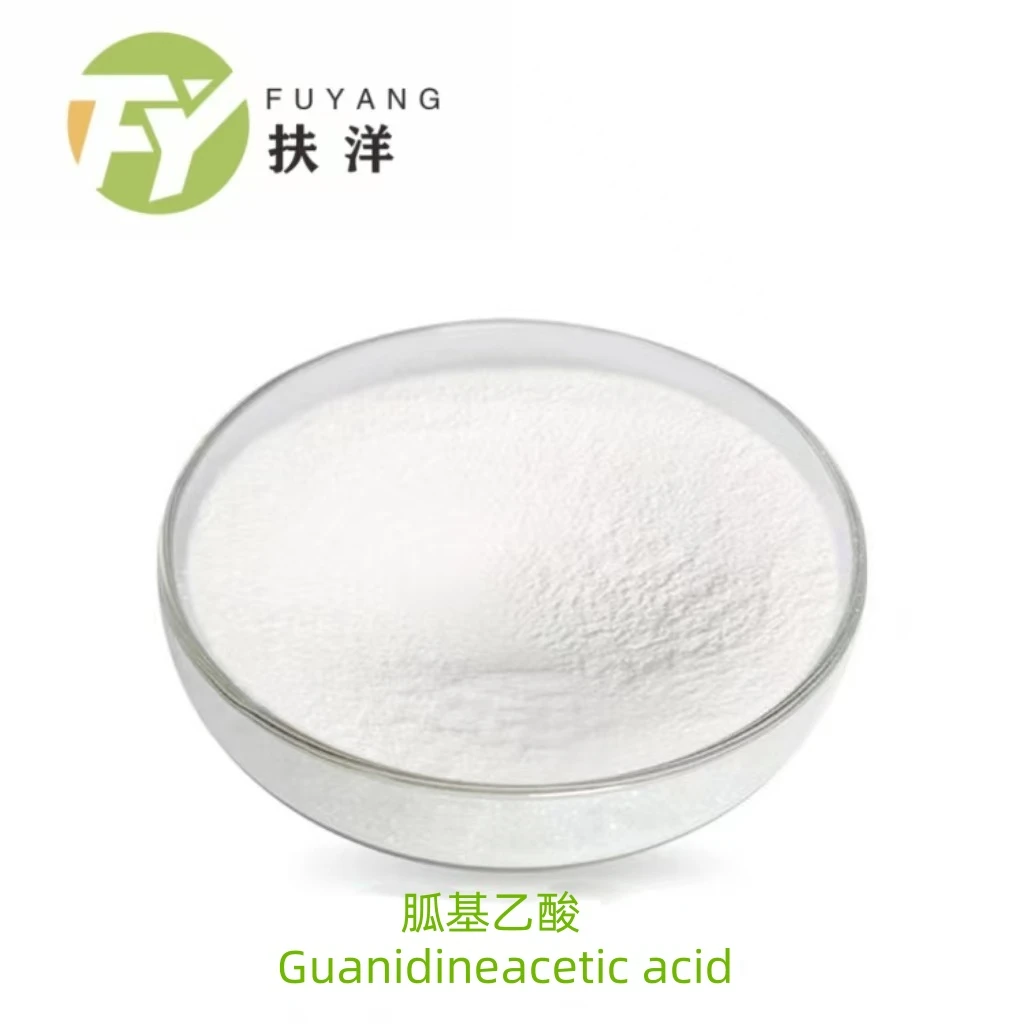
Guanidineacetic Acid: A Practical Buyer’s Guide, Specs, and Vendor Shortlist
If you’ve been hunting for guanidinoacetic acid for sale, you’re probably juggling three things: consistent assay, predictable logistics, and a price that won’t sink your formulation. I’ve toured a few northern China plants in recent years and, to be honest, this category has matured faster than many expected. Guanidinoacetic acid (GAA)—the direct creatine precursor—keeps showing up in poultry and swine rations for its growth-promotion angle and feed efficiency lift. The question is how to buy it smartly, not just cheaply.
Industry trend snapshot
Two currents define 2024–2025: tighter feed additive quality systems (ISO 22000/FAMI-QS are becoming table stakes) and data-driven dosing. Many customers say 0.5–1.2 kg/ton inclusion is their sweet spot, but, actually, real-world use varies with diet energy and species. In China’s Hebei cluster—Xinle Industrial Park, Shijiazhuang, to be precise—capacity expansions now emphasize cleaner mother liquor recovery and finer particle control. It sounds nerdy, yet it matters once you scale.
Product specifications (typical)
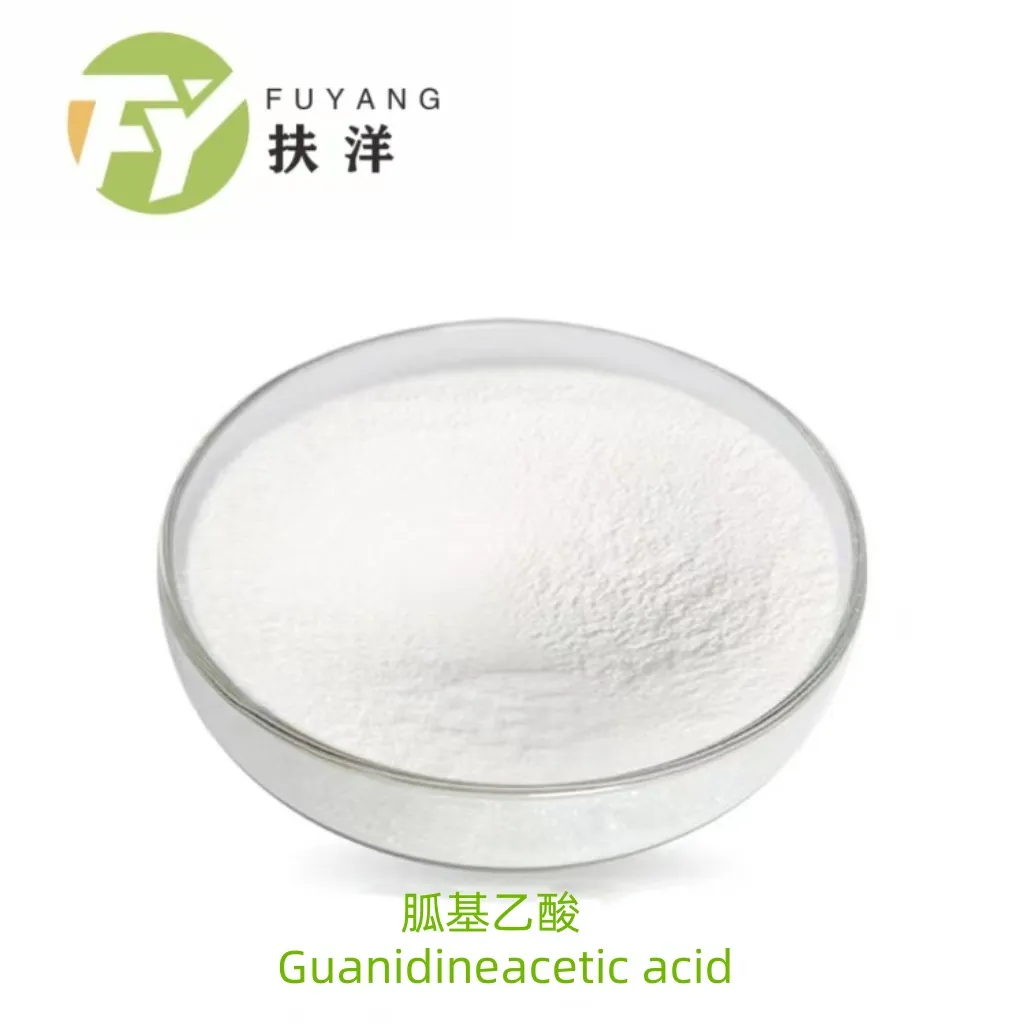
| Product name | Guanidineacetic Acid (GAA) |
| Origin | Xinle Industrial Park, Shijiazhuang, Hebei Province, China |
| Assay (HPLC) | ≥ 98.0% (typical lots ≈ 98.5–99.2%) |
| Moisture (LOD) | ≤ 0.5% |
| Creatine/related impurities | ≤ 0.5% total (HPLC), batch reports provided |
| Heavy metals | Pb, Cd, Hg, As each ≤ 3–10 ppm (ICP-MS) |
| Particle size | 80–200 mesh, customizable |
| Packaging | 25 kg bags with PE liner; palletized |
| Shelf life | ≈ 24 months in cool, dry storage |
How it’s made (simplified process flow)
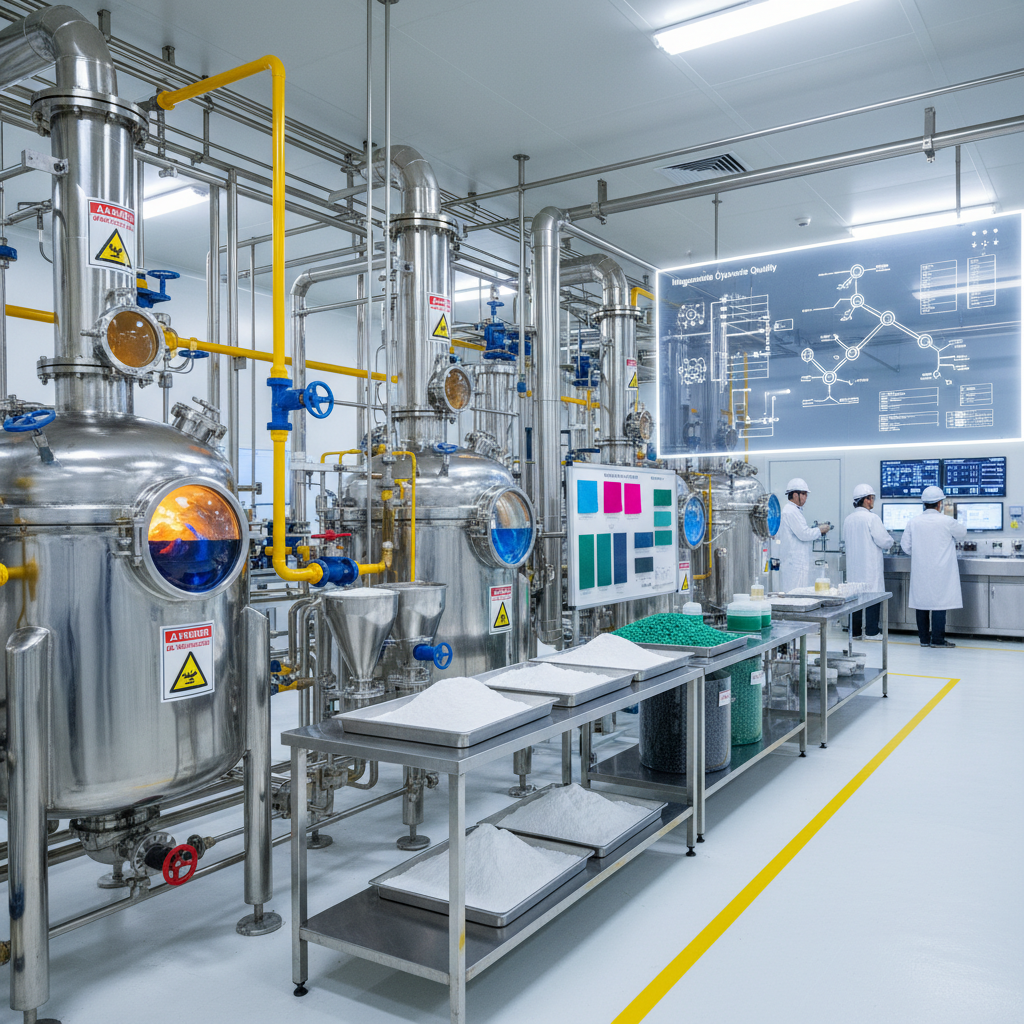
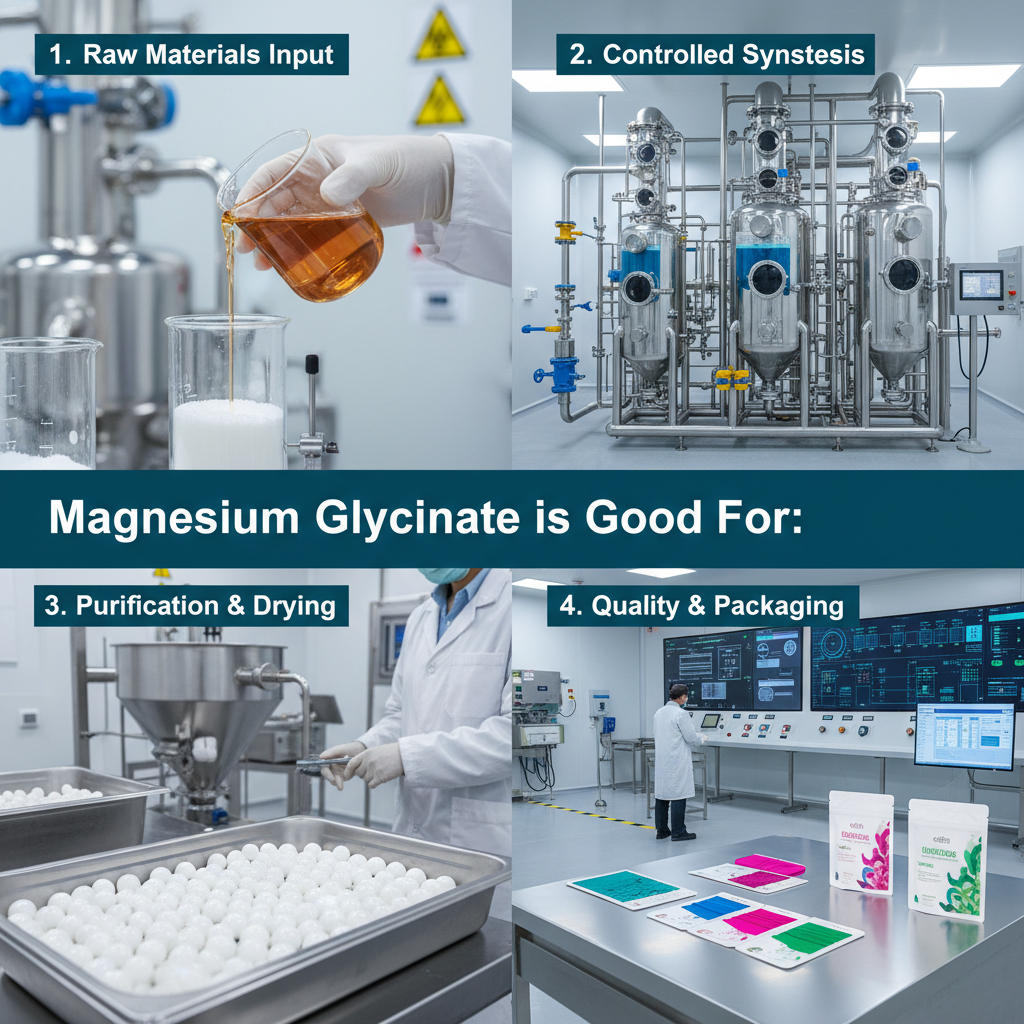
Materials: glycine and cyanamide feedstocks; catalysts; process water. Methods: controlled guanylation → neutralization → crystallization → solid–liquid separation → low-temp drying → milling and sieving. QA/QC: HPLC assay and impurities; LOD; ICP-MS heavy metals; microbial plate counts (ISO methods). Release follows internal specs aligned with EFSA opinions and FAMI-QS good practices.
Applications and advantages
- Poultry and swine feed: supports growth rate and FCR improvement; many nutritionists pair with creatine transport considerations.
- Premix and concentrates: easy to standardize due to stable assay.
- Advantages: steady purity, predictable handling, often better ROI than pushing energy density alone. However, dosage should follow local approvals.
Quick note: if you’re comparing guanidinoacetic acid for sale offers, ask for last-three-lot COAs and a recent micro panel. Small step, big pain-saver.
Vendor comparison (indicative)
| Vendor | Origin | Purity (typ.) | Certifications (claimed) | Lead time | Notes |
|---|---|---|---|---|---|
| Hebei Fuyang Bio | Xinle, Shijiazhuang (CN) | ≈ 98.5–99.0% | ISO 9001 / ISO 22000 / FAMI-QS (verify) | 2–3 weeks ex-works | Customization on particle size |
| Global Vendor A | EU | ≈ 98–99% | GMP+/FAMI-QS | 3–5 weeks | Premium pricing; robust dossiers |
| Local Trader B | Mixed | ≈ 97–98% | Varies | Stock dependent | Check traceability, COAs |
Real-world notes and test data
Recent lots I reviewed showed assay 98.7% (HPLC), moisture 0.22%, and heavy metals each
Use, compliance, and customization
- Dosage: often 0.4–1.2 kg/ton feed, aligned with local approvals and species.
- Customization: particle size, anti-caking, or premix-ready blends on request.
- Standards: align procurement with EFSA opinions and FAMI-QS/ISO 22000. Ask for batch-specific COA and SDS.
If you need guanidinoacetic acid for sale in tight windows, book early during Q4 peak to avoid port congestion. Simple, yet it saves budgets.
Mini case studies
Case A (Southeast Asia, broilers): Switching to 99% spec GAA at 0.8 kg/ton cut FCR by ~1.5% over six weeks; ROI turned positive in week three. Case B (EU, swine grower): Trial at 0.6 kg/ton paired with diet energy reduction delivered comparable ADG with lower feed cost—documentation reviewed under internal QA.
Bottom line: evaluate purity, documentation, and service reliability—not price alone—when selecting guanidinoacetic acid for sale.
Authoritative citations
- EFSA FEEDAP Panel. Safety and efficacy of guanidinoacetic acid for chickens for fattening. EFSA Journal, 2016.
- EFSA FEEDAP Panel. Renewal/extension opinions on guanidinoacetic acid in feed. EFSA Journal, 2019.
- FAMI-QS. Code of Practice for Feed Additive and Premixture Operators, latest edition.
- ISO 22000:2018 Food safety management systems – Requirements for any organization in the food chain.