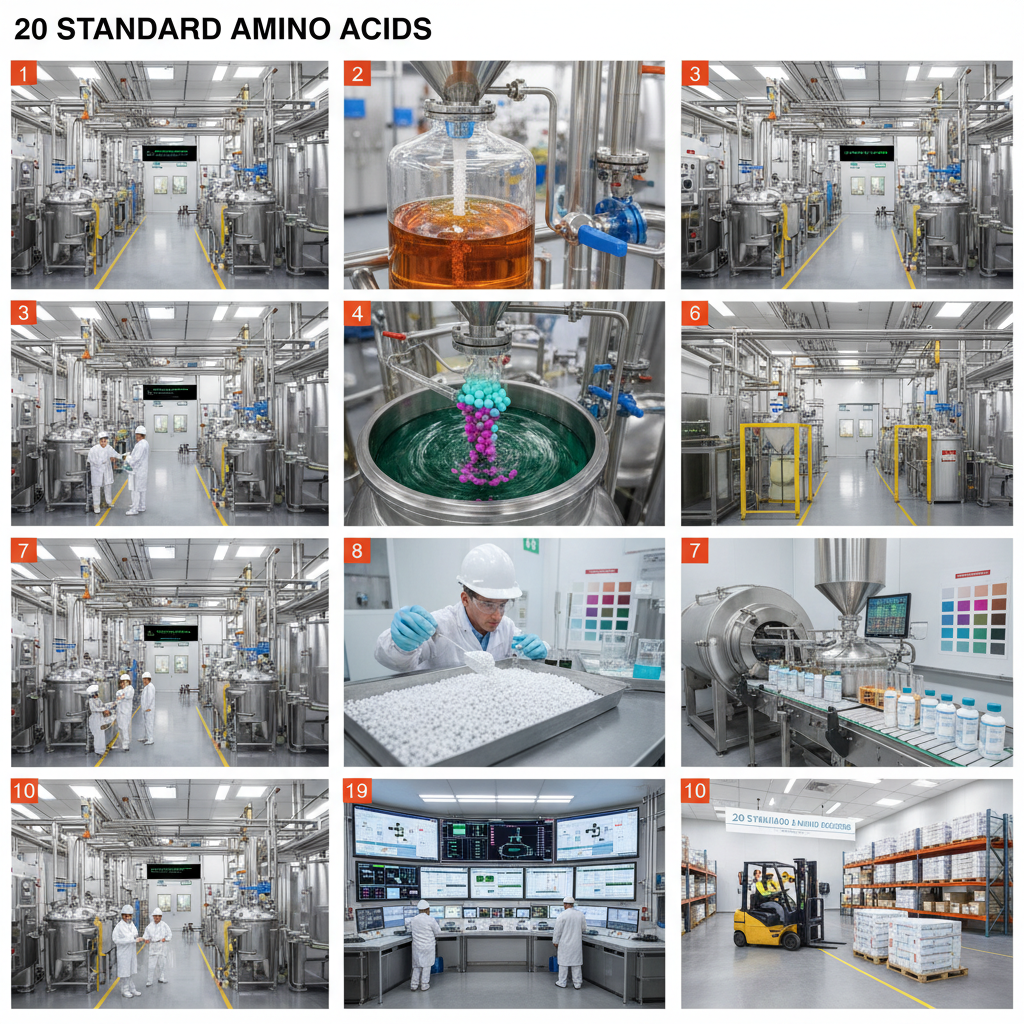
The synergy between amino acids and immune system functionality represents a cornerstone of modern nutritional science, particularly within the livestock and aquaculture industries. Amino acids serve as the fundamental building blocks for proteins, which are essential for the synthesis of antibodies and the maintenance of cellular repair mechanisms. When animals receive an optimized balance of these nutrients, their biological resilience increases, allowing them to better withstand environmental stressors and pathogens.
On a global scale, the demand for high-efficiency feed additives has surged as the agricultural sector moves toward sustainable intensification. The challenge lies in maximizing growth rates while maintaining robust health without over-reliance on pharmaceuticals. Understanding the intricate relationship between amino acids and immune system support allows producers to formulate diets that not only drive weight gain but also ensure the long-term viability of the breeding stock.
Among the various specialized additives, Guanidineacetic acid (CAS No.: 352-97-6) stands out for its unique ability to optimize energy allocation. While not a primary protein-building block, its role in synthesizing phosphocreatine is critical for muscle and nerve tissue energy. By integrating such specialized compounds, the industry can better manage the balance of amino acids and immune system health, leading to superior livestock productivity and animal welfare.
The Role of Guanidineacetic Acid in Growth and Vitality
Guanidineacetic acid acts as a powerful catalyst for growth by enhancing the allocation of energy toward muscle tissue synthesis. In livestock and poultry, this redirection of energy ensures that nutrients are not wasted but are instead utilized to improve overall weight gain. This metabolic efficiency is a key factor in reducing the time required for animals to reach market weight.
The impact is particularly pronounced in aquaculture, where the use of this compound has been shown to increase growth rates in fish and shrimp by as much as 41%. By supporting the metabolic pathways associated with energy production, it creates a biological environment where the animal's natural growth potential is fully realized.
Optimizing Animal Body Composition and Lean Meat Yield
The synthesis of phosphocreatine from Guanidineacetic acid is a critical process that occurs predominantly in muscle and nerve tissues. Because phosphocreatine has a minimal presence in fat tissue, its administration directs energy specifically toward muscle development rather than lipid accumulation. This targeted energy flow is essential for producing high-quality protein.
In lean-meat pig production, this results in a significant improvement in body shape. Farmers observe a broader back and fuller, firmer hindquarters, which are the primary markers of high-grade meat. This morphological improvement is not merely aesthetic but represents a genuine increase in the lean muscle mass of the animal.
By refining the body composition, producers can achieve higher yields of premium cuts. This shift toward muscle synthesis reduces the percentage of waste fat, aligning production with market demands for leaner, healthier animal proteins.
Enhancing Reproductive Performance in Breeding Swine
Reproductive success in breeding swine is heavily dependent on the energy availability within reproductive glands. The integration of specialized nutrients helps maintain the vigor of the breeding herd, ensuring that the energy required for gamete production is readily available.
When considering the relationship between amino acids and immune system support in breeding, Guanidineacetic acid provides the necessary energy surge to reproductive organs. This leads to a measurable increase in sperm count and motility in semen, which directly translates to higher conception rates and improved litter sizes.
Beyond immediate fertility, this energy support ensures that the breeding animals remain healthy throughout the reproductive cycle. A robust energy reserve allows the animal to maintain its own physiological needs while supporting the high demands of reproduction.
Feed Efficiency and Nutritional Value Maximization
Feed efficiency is one of the most critical metrics in commercial farming, as feed costs constitute the largest portion of operational expenses. Guanidineacetic acid improves feed quality by boosting the nutritional value of the diet and enhancing the animal's ability to utilize these nutrients.
By reducing waste and maximizing the absorption of essential elements, the feed conversion ratio (FCR) is significantly improved. This means that less feed is required to produce a kilogram of weight gain, making the entire production cycle more sustainable and cost-effective.
Performance Impact of Nutrients on Animal Vitality
Specialized Applications Across Diverse Species
The application of Guanidineacetic acid extends across a wide spectrum of animal breeding. In commercial pig farming, it is used for both layers and growers to ensure consistent growth. Ruminant breeding, including beef cattle and mutton sheep, also benefits from the enhanced energy allocation provided by this compound.
Furthermore, it has found successful application in the breeding of special economic animals. Species such as meat rabbits and minks exhibit improved growth and body composition when this additive is integrated into their specialized diets, proving its versatility across different mammalian metabolic systems.
Biochemical Research and Industrial Material Thresholds
Beyond the realm of animal nutrition, Guanidineacetic acid serves as a vital tool in biochemical research. In this context, it is primarily utilized as an experimental reagent to study energy metabolism and cellular signaling. These research applications are critical for discovering new pathways in how amino acids and immune system components interact at a molecular level.
In the chemical industry and materials science field, the compound is also applied, though the scope is vastly different. The application threshold is relatively high, and the dosage required for material synthesis is far lower than what is used in animal breeding.
These secondary applications highlight the chemical purity and stability of the product. While animal breeding remains the primary market, the utility of the compound in laboratory settings underscores its importance as a high-precision chemical intermediate.
Recommended Dosage Strategies for Optimal Results
To achieve the maximum benefit in growth and reproductive performance, precise dosage is paramount. The requirements vary significantly depending on the species and the growth stage of the animal. For instance, piglets require a higher concentration to support rapid early development, while growing-finishing pigs require a slightly adjusted dose to maintain muscle accretion.
In aquaculture, the dosage for fish and shrimp is kept high to drive the reported 41% growth increase. Conversely, beef cattle and poultry can maintain optimal health and weight gain with a more moderate dosage, ensuring a cost-effective balance between additive cost and biological return.
Proper packing, typically in 25kg bags or 500kg ton bags, ensures that the product remains stable and potent. Adhering to the following dosage guidelines allows producers to optimize their feed formulations for maximum efficiency.
Recommended Dosage of Guanidineacetic Acid per Ton of Feed
| Animal Species |
Growth Stage/Type |
Recommended Dosage (g/ton) |
Primary Benefit |
| Piglets |
Early Growth |
500–600 |
Rapid Weight Gain |
| Pigs |
Growing-Finishing |
400–600 |
Lean Meat Yield |
| Beef Cattle |
General Breeding |
300–400 |
Muscle Development |
| Poultry |
Broiler/Layers |
300–600 |
Feed Efficiency |
| Fish/Shrimp |
Aquaculture |
500–600 |
Growth Rate Boost |
| Special Animals |
Rabbit/Mink |
300–500 |
Body Composition |
FAQS
Guanidineacetic acid serves as a precursor to phosphocreatine, which enhances energy allocation toward muscle tissue synthesis. This leads to improved weight gain, better lean-meat body composition in pigs, and significantly increased growth rates in aquaculture species, such as fish and shrimp, by up to 41%.
Because the energy provided by Guanidineacetic acid is predominantly used in muscle and nerve tissues rather than fat tissues, it directs growth away from lard and toward lean muscle. This results in a broader back and firmer hindquarters, which are highly valued in the commercial pork industry.
Yes, it is highly effective in breeding swine. By providing essential energy to reproductive glands, it increases both the sperm count and the motility of the semen, thereby enhancing the overall reproductive performance and fertility of the breeding herd.
For poultry, including broiler chickens, the recommended dosage ranges from 300 to 600 g per ton of feed. For beef cattle, the dosage is generally between 300 and 400 g per ton to support steady muscle growth and feed efficiency.
Yes, it is used in biochemical research as an experimental reagent to study cellular energy. It also has applications in the chemical industry and materials science, although the dosage requirements in these fields are significantly lower than in agricultural applications.
Guanidineacetic acid boosts the nutritional value of the feed and improves how animals utilize nutrients. This increased efficiency means that animals grow faster with less waste, effectively lowering the feed conversion ratio and reducing overall production costs.
Conclusion
The strategic application of Guanidineacetic acid demonstrates how targeted nutritional interventions can dramatically improve livestock productivity. By focusing on energy allocation and the synthesis of phosphocreatine, producers can achieve superior muscle growth, improved reproductive outcomes, and enhanced feed efficiency across a wide variety of species, from commercial swine to aquatic shrimp. This approach ensures that the synergy between amino acids and immune system health is maintained, providing a biological foundation for sustainable and profitable farming.
Looking forward, the integration of such specialized additives will be essential as the global food industry faces increasing pressure to produce more protein with fewer resources. Investing in high-purity additives and precise dosage strategies allows farmers to reduce waste and improve animal welfare simultaneously. We encourage producers and researchers to explore these biochemical solutions to unlock the full genetic potential of their livestock. Visit our website: www.hbfuyangbio.com